Explore forgotten cities and unique roadside gems on a Memphis to El Paso road trip. Uncover America's hidden history and unexpected treasures. Plan your adventure!
Unveiling America's Overlooked Treasures: From Memphis to El Paso
The classic road trip often conjures images of iconic landmarks and bustling metropolises. Yet, the true magic of American travel frequently resides in the spaces between – the forgotten towns, the quirky roadside attractions, and the quiet corners that hold untold stories. This journey from Memphis, Tennessee, to El Paso, Texas, is an exploration of these hidden gems, a chance to connect with the heartland and discover the soul of America's overlooked landscapes. While Europe boasts its charming medieval villages and hidden squares, the United States offers its own brand of forgotten beauty, often found along its vast highways.
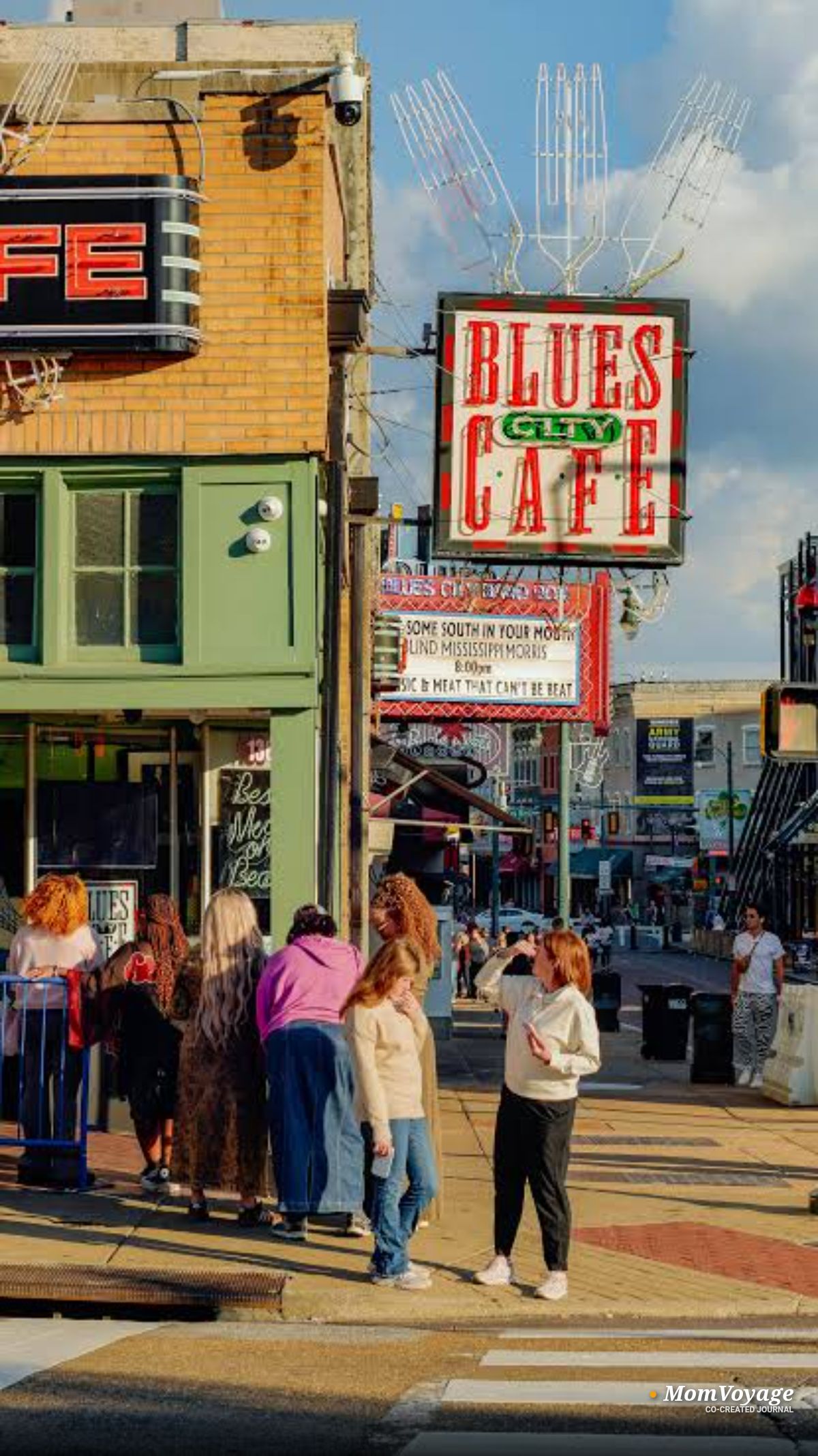
Memphis Starting Point Our adventure begins in Memphis, a city steeped in musical history and Southern charm. Beyond Beale Street's vibrant energy, Memphis holds layers of history and culture waiting to be discovered. It's a city that remembers its past while forging ahead, offering a rich tapestry for any traveler.
The Open Road: Crossing States As we leave Memphis, the landscape begins to transform. Rolling hills give way to the flatter expanses of the Mississippi Delta and eventually the vast plains. This is where the true spirit of the American road trip comes alive, with endless skies and a sense of boundless possibility. We'll seek out those small towns that time seems to have gently bypassed, each with its own unique character and local lore.
Mid-Point Marvels Somewhere in the heart of our journey, we'll encounter towns that have weathered economic shifts and changing times, yet retain their distinct identity. These aren't the places you'll find on every tourist map, but they are precisely where authentic experiences lie. Imagine diners where recipes have been passed down for generations and local museums that tell the story of the community’s resilience.
Approaching El Paso The scenery shifts dramatically as we enter the Southwest. The arid beauty of West Texas emerges, with rugged mountains and vast desert vistas. The influence of Mexican culture becomes more pronounced, adding a vibrant new layer to the journey. This transition is as much a part of the experience as the destination itself.
El Paso Destination Finally, we arrive in El Paso, a city uniquely situated on the border, offering a rich blend of cultures and a captivating history. El Paso provides a stunning natural backdrop with the Franklin Mountains and a vibrant cultural scene shaped by its proximity to Mexico. It's a fitting end to a journey that celebrates the diverse and often overlooked corners of the American landscape.
Conclusion This road trip is more than just a drive from point A to point B; it's an invitation to slow down, observe, and connect. By looking beyond the obvious, we find that America, much like Europe, is filled with enchanting, forgotten places that offer profound travel experiences. The Memphis to El Paso route is a testament to the enduring spirit of discovery found along the open road.
Journey Highlights
- Begin in Memphis, TN, exploring its rich musical heritage and historical sites. - Drive through diverse landscapes, from the Mississippi Delta to the West Texas desert. - Seek out small, forgotten towns for authentic local experiences and unique roadside attractions. - Discover mid-point marvels that showcase resilience and unique community character. - Experience the cultural transition as you approach the Mexican border. - Arrive in El Paso, TX, a city known for its unique border culture and stunning mountain views.
Local Secrets & Insider Tips
road warrior who's traversed this very path countless times, let me share some insider secrets for your Memphis to El Paso journey. Forget the generic highway rest stops; we're digging deeper.
Timing is Everything: Memphis: If you want to experience the National Civil Rights Museum without the largest crowds, aim to arrive right when they open, ideally on a weekday morning. Weekends and afternoons can get quite busy. Quirky Roadside Stops: For those small, independent roadside attractions or diners that might have limited hours, a quick call ahead (if a number is listed online) is often worthwhile. Some operate on 'country hours' that can be unpredictable.
Hidden Entrances & Viewpoints: West Texas Vistas: As you approach El Paso, don't just stick to I-10. Look for signs directing you to scenic byways or state routes that hug the Franklin Mountains. These often offer pull-offs with more dramatic and less crowded views of the desert landscape and the city below than the main interstate viewpoints. Local Parks: Many smaller towns have unassuming city parks that, while not major attractions, offer a peaceful place to stretch your legs and get a feel for the local community, often with historic markers or unique local flora.
Must-Try Local Flavors: Beyond the Chains: In towns like Little Rock (if you detour slightly) or throughout Oklahoma, look for diners advertising "home-style cooking." Order the meatloaf or a "plate lunch" – these are often the comfort food specialties. West Texas Authenticity: In El Paso, bypass the tourist traps. Seek out a hole-in-the-wall spot for authentic "carne seca" (dried shredded beef) tacos or a " Westminster" breakfast burrito from a local taqueria. Ask your hotel concierge or a local shop owner for their personal favorite – they'll likely point you to a less obvious gem.
Logistical Pitfalls to Avoid: Gas Stations in Sparse Areas: Between major towns in West Texas, gas stations can be few and far between. Keep your fuel tank at least half-full once you leave larger cities like Fort Worth or Abilene (depending on your exact route). Running on fumes out here is a genuine concern. Road Construction: West Texas is known for its vast ranches and therefore, its long, straight stretches of highway. However, construction can pop up unexpectedly, causing significant delays. Always check real-time traffic apps before you set off for the day. Hydration: The desert heat is no joke, especially once you hit Texas. Carry more water than you think you'll need, particularly if you plan on any short walks or hikes at viewpoints. The air is dry, and dehydration can sneak up on you.
Common Questions
##Frequently Asked Questions: ---
**Q: What unique and "forgotten" roadside attractions can I expect to discover between Memphis and El Paso?**
A: This route is a treasure trove for those seeking the quintessential American roadside experience, often overlooked by modern travelers. While your exact path will influence specific finds, keep an open mind and an eye for these types of gems:
Quirky Historical Markers: Beyond the usual historical facts, many markers recount local folklore, bizarre events, or the lives of eccentric individuals that shaped a community. Unusual Local Museums: These can range from dedicated museums celebrating niche industries (like cotton or mining), to collections of peculiar artifacts, or even "living history" museums showcasing bygone eras in small towns. Classic Diners and Drive-Ins: The heart of roadside Americana often lies in its diners. Expect retro aesthetics, friendly service, and hearty, unpretentious food that reflects regional tastes. These are prime spots for people-watching and soaking in local atmosphere. Natural Wonders and Geological Oddities: While not always man-made attractions, many routes pass by unique geological formations, hidden springs, or scenic overlooks that have historically captivated travelers and locals alike. "World's Largest" and Kitschy Landmarks: Keep an eye out for those wonderfully absurd roadside statues, the "world's largest" of something mundane (like a ball of twine or a frying pan), or themed attractions that have held onto their charm despite the passage of time. Ghost Towns and Abandoned Structures: Particularly as you move further west, you may encounter remnants of mining booms or railroad towns that have since been bypassed, offering a poignant glimpse into past endeavors.
Pro-Tip: Don't rely solely on GPS. Purchase regional maps, check local tourism websites before you enter a new area, or even ask locals at gas stations or diners for their favorite off-the-beaten-path spots.
---
**Q: How does the concept of "forgotten cities" or attractions differ between the USA and Europe?**
A: The idea of "forgotten" places carries distinct connotations depending on the continent:
In Europe: "Forgotten cities" most frequently refer to ancient ruins of once-great civilizations (e.g., Roman settlements, Greek city-states), depopulated medieval towns or villages that declined due to plague, famine, or changing trade routes, or entire regions that have faded from global prominence due to significant historical shifts (like geopolitical changes or the decline of specific industries). These are often sites of archaeological or deep historical significance, offering insights into foundational European cultures.
In the USA: The "forgotten" narrative is more strongly tied to the impact of modern infrastructure and economic shifts. It primarily encompasses: Small towns bypassed by major interstates: Communities that thrived on historic highways like Route 66 but were left behind when faster, more direct interstates were built, leaving them with preserved architecture and a slower pace of life. Roadside attractions that have lost their heyday: Classic diners, quirky museums, and unique tourist traps that were once popular but have since been overshadowed by newer entertainment options or simply fallen out of fashion. Communities retaining strong local culture away from mainstream tourism: These are places where traditional industries, unique dialects, or enduring social customs persist, providing an authentic, uncommercialized glimpse into a specific regional identity.
While both offer authentic glimpses into history and daily life, European "forgotten" sites often speak to millennia of history, whereas American "forgotten" sites are frequently a testament to the rapid industrialization and modernization of the 20th century and its subsequent effects.
---
**Q: What culinary experiences can I anticipate in the smaller towns and rural areas along the Memphis to El Paso route?**
A: Prepare your palate for a delicious journey through classic American regional cuisine, with hearty, comforting flavors being the common thread. As you traverse the route, expect a distinct evolution:
Eastern Segment (Arkansas/Oklahoma): This region is the heartland of Southern comfort food. You'll find exceptional barbecue (pulled pork, ribs, brisket) with a variety of regional sauces (vinegar-based, tomato-based), fried chicken, catfish, biscuits and gravy, greens, and sweet tea. Look for "meat and three" diners where you choose a protein and three vegetable sides.
Central/Western Segment (Texas Panhandle/New Mexico): As you move westward, the culinary landscape shifts towards Tex-Mex and Southwestern flavors. Expect dishes like enchiladas, tacos, tamales, chili, and fajitas. You'll also encounter hearty diner fare with influences from German and Czech immigrants in some Texas towns, featuring items like schnitzel, sausages, and traditional breakfasts. Green chile is a star ingredient in New Mexico, appearing in sauces, stews, and even burgers.
Key Advice for Culinary Exploration:
Seek Local Recommendations: The best meals are rarely found on the main tourist drag. Ask locals at gas stations, convenience stores, or your hotel for their favorite "hole-in-the-wall" restaurants. Embrace the "Local Favorites": Most menus will highlight dishes that are particularly popular in that establishment or region. Don't Shy Away from Unassuming Places: Some of the most memorable culinary experiences come from small, family-owned diners, cafes, and even roadside stands that prioritize fresh, regional ingredients and time-honored recipes. Consider Unique Regional Specialties: Be on the lookout for local delicacies specific to certain towns or areas – you might discover something truly unique!
---
**Q: Is this road trip route, focusing on forgotten gems, suitable and engaging for a family road trip?**
A: Absolutely, this route is exceptionally well-suited for a family road trip, offering unique educational and entertainment opportunities for all ages:
Living History Lessons: This journey provides a tangible way to teach children about different regions of America, their distinct cultures, historical development, and the impact of major events like westward expansion, the Dust Bowl, and the rise of the automobile. Sparking Curiosity and Imagination: The "forgotten" nature of many attractions sparks natural curiosity. Quirky museums, unusual statues, and local legends can ignite a child's imagination in ways that standard tourist spots might not. Interactive Discovery: Unlike passive sightseeing, this route encourages active participation. Children can help spot road signs, research local histories, ask questions at local establishments, and engage with the stories behind the places you visit. Building Resilience and Adaptability: Traveling off the beaten path teaches valuable life skills such as flexibility, problem-solving, and the ability to find wonder in unexpected places. Making the Journey Engaging: Breaking up the longer driving segments with stops at unique, memorable attractions (even if they're brief) can prevent travel fatigue and keep younger travelers entertained and excited about the adventure.
Tips for a Family-Friendly "Forgotten Gems" Trip:
Involve Children in Planning: Let them pick one or two "must-see" quirky attractions from your research. Create a "Scavenger Hunt": Prepare a list of things to look for (e.g., a vintage gas station sign, a unique roadside sculpture, a specific type of local food). Utilize Audiobooks and Podcasts: Many historical and folklore-themed audiobooks or podcasts can be enjoyed together in the car. Prioritize Breaks: Plan for frequent stops at parks, playgrounds, or interesting roadside viewpoints to allow children to stretch their legs and burn off energy. Embrace the Unexpected: Some of the best family memories are made when plans go slightly awry and you discover something truly special by chance.