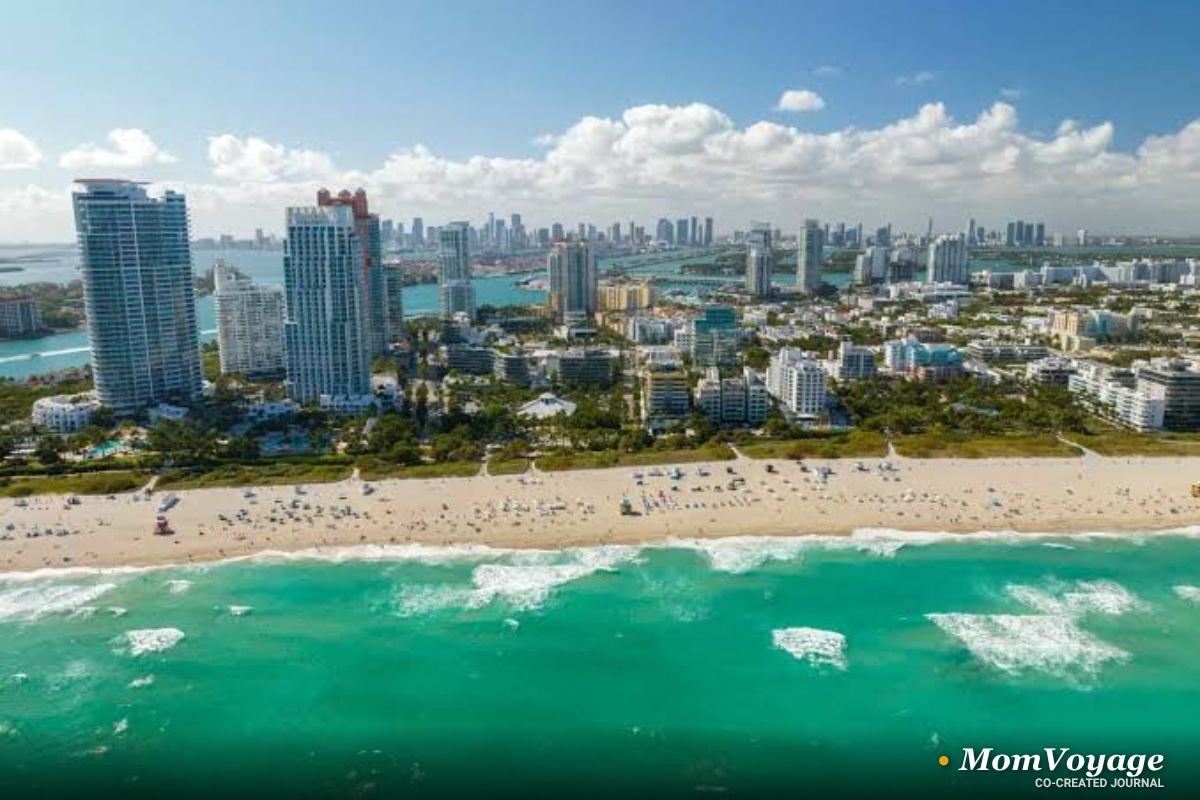
Travel Miami for 3 weeks on a shockingly low budget. Discover insider tips, hidden gems, and affordable dining for an unforgettable coastal escape.
The Accommodation Hack: Beyond South Beach's Glitter
Forget the beachfront resorts. My secret weapon was strategically located Airbnb apartments slightly outside the main tourist hubs like South Beach. I focused on areas like Wynwood or parts of Little Havana, which offered vibrant local life and significantly lower prices. By booking a few weeks in advance and opting for places with kitchenettes, I saved substantially on both lodging and a significant portion of my daily food expenses.
Choosing these neighborhoods wasn't just about saving money; it was about immersion. Wynwood, with its world-renowned street art, offered a constant, free visual feast. Mornings were spent wandering through the alleys, marveling at the vibrant murals, before grabbing an inexpensive but delicious Cuban coffee from a local ventanita. Little Havana provided a similarly rich experience, offering a tangible connection to Cuban culture through its music, domino games in the park, and, of course, the food. Staying in these areas allowed me to experience Miami like a local, not just a tourist. I’d wake up to the sounds of salsa music drifting from nearby windows and the aroma of freshly baked pastries, a far cry from the sterile quiet of a resort.
My Airbnb strategy involved a few key principles. Firstly, proximity to public transport was crucial. I prioritized locations within a 10-15 minute walk of a Metrorail station or a major bus route. This significantly reduced my reliance on expensive ride-sharing services. Secondly, I filtered for "superhosts" and read reviews meticulously, looking for comments about cleanliness, safety, and host responsiveness. Finally, I wasn't afraid to go a little further out if the price difference was substantial and public transport links were still viable. I found a gem in the Upper Eastside, which was a bit more residential but offered beautiful historic homes and was a short bus ride to Wynwood and the Design District. This proved to be a fantastic base for exploring different facets of the city without breaking the bank.
Mastering the Miami Food Scene: From Food Trucks to Hidden Gems
Eating well in Miami doesn't require a Michelin-star budget. My culinary adventure was a delightful exploration of the city's diverse and affordable offerings. I embraced food trucks, visited local mercados, and sought out the "ventanitas" – small, walk-up windows serving coffee and Cuban pastries – that are a staple of Miami life.
Food trucks have become an integral part of the Miami culinary landscape, and for good reason. They offer incredible variety, from authentic Cuban sandwiches and empanadas to gourmet tacos and fusion creations, all at a fraction of the cost of sit-down restaurants. I made it a point to seek out popular food truck gathering spots, often found in parks or designated areas. One particular favorite was a truck serving delicious jerk chicken with rice and peas that I discovered through a local's recommendation on a neighborhood Facebook group. Another evening, I stumbled upon a late-night food truck festival in Wynwood, sampling a medley of international flavors from various vendors.
The "ventanitas" were my daily breakfast and mid-afternoon pick-me-up. For less than $3, I could get a strong café con leche and a flaky guava pastelito or a savory pastelito de carne. These small, unpretentious establishments are social hubs for locals and offer a genuine taste of Miami's Cuban heritage. Grabbing a cortadito and a croqueta from a ventanita before heading out to explore became a cherished daily ritual.
Beyond the trucks and ventanitas, I discovered incredible value in ethnic enclaves. Little Havana offered an abundance of affordable Cuban restaurants where I enjoyed hearty, home-style meals like Ropa Vieja and Vaca Frita for under $15. Similarly, exploring areas with a strong Haitian and Caribbean presence yielded fantastic and budget-friendly options like Griot (stewed pork) and plantains. My approach was simple: look for places packed with locals, not tourists. The vibrant atmosphere and delicious, authentic food at these establishments were a far richer experience than any overpriced tourist trap.
Embracing Miami's Natural Beauty: Free and Fabulous Fun
Miami's allure extends far beyond its man-made attractions, and much of its most breathtaking beauty is absolutely free. I dedicated a significant portion of my trip to exploring the city's natural landscapes, from its iconic beaches to its lush parks.
South Beach, while famous for its crowds and high prices, is still a public beach and accessible to everyone. I discovered that by visiting during weekday mornings or slightly later in the afternoon, I could enjoy the iconic white sands and turquoise waters without the overwhelming throngs. I'd pack a picnic lunch, find a less crowded spot a few blocks away from the main lifeguard stands, and spend hours swimming, sunbathing, and people-watching. The art deco architecture that lines Ocean Drive is also best appreciated on foot, allowing you to soak in its unique charm without the need for expensive tours.
Beyond the immediate coastline, Miami boasts an impressive network of public parks. Bill Baggs Cape Florida State Park on Key Biscayne offered stunning views of the Atlantic and the Cape Florida Lighthouse, with opportunities for swimming, picnicking, and exploring nature trails. The entrance fee was minimal, and the reward of escaping the city bustle for a day of serene natural beauty was immense. Another discovery was Oleta River State Park, Florida's largest urban park, where I rented a kayak for a few hours to paddle through mangrove tunnels, spotting diverse birdlife and enjoying the tranquil waterways.
Vizcaya Museum & Gardens, while it has an entrance fee, is a worthwhile splurge if you appreciate historical architecture and stunning botanical gardens. However, for those strictly on a budget, I found that simply strolling through areas like the Morningside neighborhood, with its beautiful waterfront homes and mature trees, offered a similar sense of elegance and tranquility. Even a simple walk along the Miami Riverwalk provided picturesque views of the city skyline and the bustling port, all without spending a dime.
Navigating Miami Like a Local: Public Transport is Your Friend
One of the biggest budget-busters for travelers is often transportation. However, Miami offers a surprisingly robust and affordable public transportation system that, with a little planning, can get you almost anywhere you need to go. Ditching the idea of constant ride-sharing services was a game-changer for my budget.
The Miami-Dade Transit system includes the Metrorail, Metrobus, and Metromover. The Metrorail is an elevated rail system that connects key areas of Miami-Dade County, including Miami International Airport, downtown Miami, and various neighborhoods. I found it incredibly efficient for longer distances, and the elevated tracks often offer scenic views of the city. For just $2.25 per ride, it was a fraction of the cost of taxis or ride-sharing. I purchased a reloadable 'Easy Card' which made hopping on and off seamless and offered slight discounts on multiple rides.
The Metrobus system is extensive and covers areas not reached by the Metrorail, including many of the vibrant neighborhoods I wanted to explore. While buses can be slower due to traffic, they are essential for reaching smaller streets and more localized attractions. Planning routes in advance using the Miami-Dade Transit app or Google Maps was key. I learned to factor in extra travel time, especially during peak hours, and embraced the slower pace as an opportunity to observe daily life unfolding outside my window.
The Metromover is a free, automated, elevated train system that serves the downtown Miami, Brickell, and Omni areas. It’s perfect for getting around the central business district and is a fantastic way to see the city's impressive architecture without walking long distances. I used it extensively when exploring downtown, hopping between Bayside Marketplace, Museum Park, and Brickell City Centre.
For exploring specific neighborhoods like Wynwood or Little Havana, I often combined walking with short bus rides. I also discovered the 'freebee' service in certain areas like South Beach and Brickell – small, electric shuttles that offer free rides within designated zones. While not as comprehensive as the main transit system, these localized options were a delightful bonus for getting around easily and affordably within those specific areas.
Cultural Immersion Beyond the Tourist Trail
Miami's cultural richness extends far beyond the well-trodden paths of South Beach. My budget-friendly exploration focused on experiencing the authentic cultural tapestry of the city through its diverse neighborhoods, art scenes, and community events.
Wynwood, already mentioned for its accommodation benefits, became a primary hub for free cultural experiences. Beyond the famous Wynwood Walls, the entire neighborhood is an open-air art gallery. I spent countless hours simply wandering the streets, discovering incredible murals by local and international artists. Many of the smaller galleries also offer free admission, providing a more intimate and diverse art experience. I particularly enjoyed stumbling upon independent studios and chatting with artists about their work.
Little Havana offered a vibrant immersion into Cuban culture. I spent afternoons at Domino Park, watching locals engage in spirited games, and evenings enjoying live music at local bars and cafes. The sounds of salsa and merengue filled the air, creating an infectious energy. Visiting the Fábrica de Tabacos (cigar factory) and watching the artisans at work was a fascinating, free cultural demonstration. Even just strolling down Calle Ocho, soaking in the sights, sounds, and smells, felt like a cultural adventure.
I also made an effort to explore neighborhoods like Overtown, historically known as the "Harlem of the South," and learn about its significant role in African American history and culture. While some attractions may have a fee, simply walking through these neighborhoods, visiting local churches that often have stunning architecture, and patronizing local businesses offered a deeper understanding of Miami's complex history.
Many community events, festivals, and farmer's markets are free to attend and offer a fantastic glimpse into local life. I kept an eye on local event listings and social media for free concerts in parks, outdoor movie screenings, and neighborhood block parties. These spontaneous encounters often led to some of the most memorable and authentic experiences of my trip.
Smart Souvenir Shopping and Free Entertainment
Bringing home mementos doesn't have to drain your wallet. My strategy for souvenirs involved seeking out authentic, locally-made items from smaller shops and flea markets, rather than mass-produced trinkets. I also prioritized free entertainment options to fill my evenings and downtime.
Instead of expensive boutiques, I scoured flea markets and thrift stores. The weekend flea market at 79th Street, for example, yielded unique vintage clothing finds and quirky home decor items at bargain prices. I also looked for artisan markets that often pop up in various neighborhoods, where local crafters sell handmade jewelry, art, and crafts. These items often tell a story and are far more meaningful than generic tourist shop fare. For edible souvenirs, I focused on local coffee roasters and small producers of hot sauce or artisanal jams, which were readily available at local grocery stores and specialty food shops at reasonable prices.
My evenings were a delightful mix of free and low-cost entertainment. Bayside Marketplace, while touristy, often has free live music performances, particularly on weekends. I also discovered that many bars and restaurants in neighborhoods like Wynwood and Brickell feature local musicians playing live sets, sometimes with no cover charge, especially on weeknights.
The beach itself offered endless entertainment – sunset walks, stargazing, or simply enjoying the sound of the waves. For a more active evening, I'd find a park with an outdoor basketball court or simply enjoy a brisk walk or jog along the waterfront. I also made sure to check local listings for free outdoor movie screenings or cultural events that were happening in public spaces. The key was to be open to spontaneous opportunities and to embrace the vibrant, albeit sometimes understated, free entertainment that Miami offers.
Embracing the "Staycation" Vibe: Finding Local Gems
Part of my success in traveling Miami on a budget was adopting a "staycation" mindset. This meant approaching the city with the curiosity of a local, seeking out hidden gems and experiences that often fly under the radar of typical tourists. I aimed to see Miami not as a destination to conquer, but as a place to live and explore for a few weeks.
This involved spending more time in fewer areas, really getting to know the rhythm of a neighborhood. Instead of hopping from one major attraction to another, I'd dedicate a full day to exploring Wynwood, revisiting my favorite murals, trying different cafes, and perhaps visiting a smaller, independent gallery. Or I'd spend an entire afternoon in Little Havana, not just for the sights but for the sheer joy of people-watching in a local park and sipping coffee at a ventanita. This slower pace allowed for more serendipitous discoveries.
I utilized local blogs and community social media groups to find out about neighborhood events, pop-up markets, and unadvertised live music performances. These often led me to places I would never have found in a typical guidebook. For instance, I discovered a fantastic and incredibly affordable Korean BBQ spot in a strip mall in an area I wouldn't have otherwise visited, all thanks to a recommendation on a local foodie group.
I also embraced the simple pleasures that locals enjoy. This included spending time at less famous, but equally beautiful, public beaches like Crandon Park on Key Biscayne, which offered a more relaxed atmosphere and better value for parking than the popular South Beach lots. I also discovered delightful community gardens and small urban parks that offered peaceful retreats from the city's energy. The "staycation" approach allowed me to appreciate Miami's everyday beauty and charm, proving that incredible experiences don't always come with a hefty price tag.
Journey Highlights
- Discover how to find affordable accommodation outside prime tourist zones. - Learn to eat authentic and delicious meals without overspending. - Identify the best free and low-cost activities Miami has to offer. - Navigate Miami's transportation system efficiently and affordably.
Local Secrets & Insider Tips
Let me share how to truly experience its magic without the tourist markup.
South Beach Sunrise & Art Deco Stroll: Arrive at South Pointe Park Pier around 6:30 AM. You’ll have the beach virtually to yourself, witness a breathtaking sunrise over the Atlantic, and catch the Art Deco buildings bathed in soft morning light before the crowds descend. Parking is usually easier and cheaper (or free on some side streets) before 8 AM.
Wynwood Walls' Hidden Angles: While the main Wynwood Walls outdoor gallery is fantastic, the surrounding streets are an open-air museum. Visit between 10:00 AM and 11:00 AM on a weekday to avoid the largest tour groups. Don't miss the alleys off NW 2nd Ave and NW 25th Street; they often feature incredible, lesser-known murals and offer unique photo opportunities away from the main thoroughfare.
Authentic Cuban Flavors in Little Havana: Skip the main drag restaurants on Calle Ocho for a proper meal. Head to El Rey De Las Fritas (1828 SW 8th St) and order their signature 'Frita Cubana' – a uniquely seasoned Cuban hamburger. For incredible coffee and pastries, find any bustling 'ventanita' like Versailles' original bakery window (3555 SW 8th St) and order a 'café con leche' and a 'pastelito de guayaba'. Arrive before 8 AM for the freshest pastries and a true local experience.
Navigating the Heat and Logistics:
- Hydration is Key: Carry a reusable water bottle. You can refill it at many parks and cafes. Miami’s humidity is no joke, even outside of summer. - Midday Siesta: The hottest part of the day (1 PM - 3 PM) is the perfect time to duck into a museum (like the Pérez Art Museum Miami, which has stunning bay views) or relax at your accommodation. Plan your outdoor exploration for mornings and late afternoons. - Transportation Quirks: The Metromover is free and excellent for Downtown/Brickell, but it stops running around midnight. Ride-sharing apps are essential for late-night returns from areas not served by buses after hours. Factor in traffic – rush hour can make short distances take significantly longer. - Beach Access: While South Beach is iconic, consider quieter stretches like North Beach (around 70th-80th streets) for a more relaxed vibe. Many public beach access points have limited parking, so look for street parking a few blocks away if the main lots are full.
Common Questions
Frequently Asked Questions about Budgeting for Miami
Q: Is Miami really an expensive city to visit?
A: While popular areas and luxury experiences can be costly, Miami offers numerous ways to enjoy it affordably. By focusing on local eateries, utilizing public transport, and seeking out free activities, you can significantly reduce your expenses.
Q: What's the best time of year to visit Miami on a budget?
A: The shoulder seasons (late April to May and September to October) often offer lower prices on flights and accommodation, along with pleasant weather. Avoid major holidays and spring break for the best deals.
Q: Are there affordable places to stay near the beach?
A: Directly on South Beach can be pricey. Consider staying a few blocks inland, or in adjacent neighborhoods like Mid-Beach or even further north towards North Beach, where you can find more budget-friendly options like hostels or Airbnb rooms.
Q: What are some must-try cheap eats in Miami?
A: Look for Cuban 'ventanitas' for coffee and pastries, try authentic 'medianoche' sandwiches, and seek out local spots for rice and beans with your choice of meat. Food trucks are also a great source of affordable and diverse cuisine.
Q: How can I get around Miami without a car?
A: Miami has a decent public transportation system, including buses and the free Metromover in the downtown area. Ride-sharing services are widely available, and biking is popular in many areas. Plan your routes accordingly.