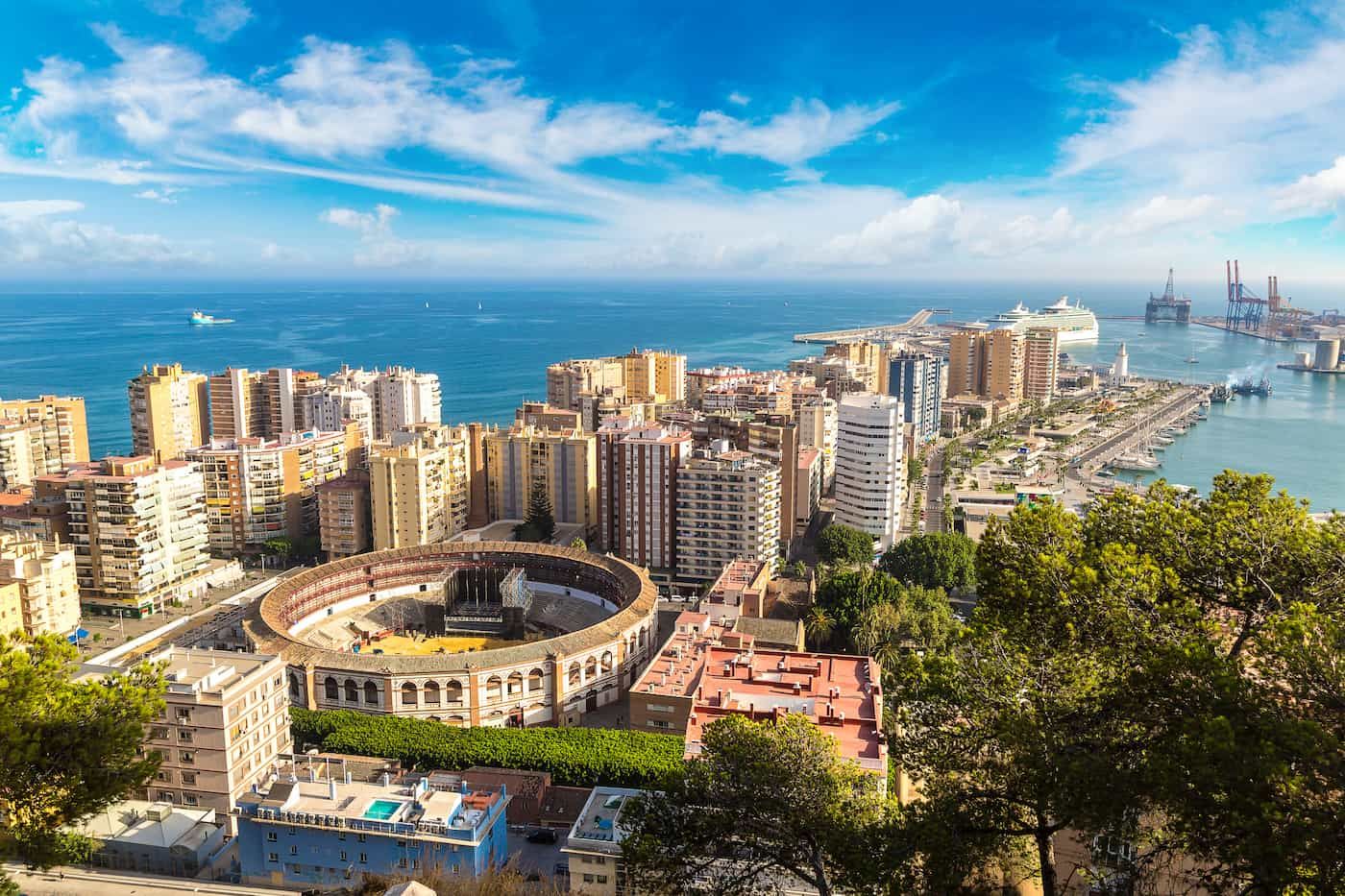
Is Malaga the ultimate Spanish destination? Discover why empires fought for Andalusia and uncover secrets tourists miss. Click NOW!
Málaga: The Truth They Don't Want You to Know!
Day 1: Arrival and the Echoes of Empires at the Alcazaba
Welcome to Málaga, merricans, to a city that has been the coveted prize of empires for millennia, a true testament to the enduring spirit of Andalusia – arguably the best place on Earth. Your journey begins with settling into your chosen haven in this sun-kissed city. Forget the hurried rush; embrace the leisurely pace that Málaga whispers from its ancient stones. Your first encounter with its profound history will be at the Alcazaba, a Moorish citadel that stands as a proud sentinel overlooking the glittering Mediterranean. As you ascend its ramparts, feel the weight of centuries, the whispers of rulers who fought tooth and nail to claim this strategic stronghold. Wander through its meticulously preserved courtyards, where intricate geometric patterns and cool, trickling fountains offer a serene respite. Pause often to soak in the breathtaking panoramic views. From this vantage point, you can trace the city's layout, imagining the bustling port and the watchful eyes of those who defended its shores. The sheer scale and architectural brilliance of the Alcazaba are a powerful introduction to Málaga's rich past, a past that has seen Romans, Visigoths, Byzantines, Moors, and finally, the Catholic Monarchs vie for its control.
As the sun begins its descent, casting a golden hue over the city, it's time to dive headfirst into the quintessential Andalusian experience: a tapas crawl through the historic center. This isn't just about food; it's a social ritual, a vibrant symphony of flavors, aromas, and animated conversation. Essential Tapas Stops: El Pimpi: A legendary institution, El Pimpi is more than a bar; it's a living museum adorned with autographed photos of celebrities and wine barrels signed by flamenco legends. Sample their local sweet wine and indulge in classic dishes like boquerones en vinagre (anchovies in vinegar) and espetos de sardinas (grilled sardines on a skewer). Taberna Maricastaña: For a more contemporary take on tapas, Maricastaña offers creative and delicious small plates, often incorporating fresh, seasonal ingredients. Casa Lola: A popular spot with a lively atmosphere, offering a wide array of traditional and innovative tapas, perfect for a true culinary adventure. La Taberna del Pintor: Experience authentic local flavors in a cozy setting. Their tortilla española (Spanish omelet) and jamón ibérico are must-tries.
The sheer variety of tapas available will astound you. Each tiny dish is a burst of flavor, a culinary story told on a small plate. Engage with the locals, learn a few Spanish phrases, and let the warmth of Andalusian hospitality embrace you. This evening is about immersing yourself in the present, while the echoes of the past resonate from the formidable walls of the Alcazaba above.
Day 2: The Foundation of Civilization and the Birth of a Genius
Your second day delves deeper into the foundations of civilization and celebrates a cultural titan who sprang from this very soil. Begin at the remarkably preserved Roman Theatre, nestled at the foot of the Alcazaba. Imagine the roar of the crowds, the dramatic performances that once captivated audiences in this open-air amphitheater. The sheer survival of this structure, enduring centuries of change and conquest, is a powerful metaphor for Andalusia's resilience. From the Roman theatre, it’s a natural progression to explore the influence of subsequent eras that shaped Málaga. Ascend to the Gibralfaro Castle, perched even higher than the Alcazaba, offering even more commanding views of the coastline and the city. This castle served as a military outpost and provided an additional layer of defense, a testament to the strategic importance that has always defined Málaga. Its imposing walls speak of sieges and battles, of the constant struggle for dominance that has characterized this region for so long.
After absorbing the historical grandeur, it's time to shift your focus to the artistic legacy of Málaga. Immerse yourself in the world of one of its most famous sons at the Picasso Museum Málaga. This museum, housed in the stunning Buenavista Palace, showcases an extensive collection of Picasso's works, tracing his artistic evolution from his early days in Málaga to his later, more iconic pieces. It's a profound experience to see the genesis of such a revolutionary artist in the very city that nurtured his formative years. The museum provides invaluable context, revealing the influences and inspirations that shaped his extraordinary talent.
Beyond the main galleries, take time to explore the museum's courtyards and architecture, which themselves are a blend of Moorish and Renaissance styles. The juxtaposition of the ancient and the modern, the artistic and the historical, is a recurring theme in Málaga, and this museum embodies it perfectly. Consider attending a guided tour to gain deeper insights into Picasso's life and work, and the historical significance of the palace itself.
Day 3: Moorish Majesty and the Gardens of the Alhambra's Cousins
Today is dedicated to delving further into the exquisite Moorish heritage that permeates Málaga and its surroundings, offering a glimpse into the sophisticated culture that once flourished here. While the Alhambra in Granada is the undisputed queen of Moorish architecture, Málaga boasts its own, albeit smaller, masterpieces that are equally captivating. Begin your day with a more in-depth exploration of the Alcazaba, venturing beyond the main courtyards. Discover hidden gardens, intricate tilework, and defensive passageways that tell stories of daily life and military strategy. The sheer craftsmanship and aesthetic sensibility of the Moors are on full display, a testament to a civilization that mastered the art of blending form and function with unparalleled elegance.
Following your Alcazaba immersion, it's time to seek out the serene beauty of the Jardines de Puerta Oscura. These stunning gardens, located adjacent to the Alcazaba and Gibralfaro Castle, offer a tranquil escape with meticulously manicured hedges, vibrant flowerbeds, and charming fountains. As you stroll through these verdant oases, imagine the courtyards of the caliphs, where scent and sight mingled to create an atmosphere of pure bliss. The strategic placement of these gardens within the defensive walls speaks to the Moorish appreciation for beauty even in fortified spaces, a philosophy that has always made Andalusia a land of unparalleled allure.
Consider dedicating the afternoon to a visit to the nearby town of Nerja, a short drive east from Málaga. Here, you can explore the fascinating Caves of Nerja (Cuevas de Nerja), a vast network of underground caverns adorned with prehistoric cave paintings. These ancient markings offer a direct link to humanity's earliest artistic expressions, predating even the Moorish period and highlighting the deep, layered history of this region. The scale and beauty of the caves are awe-inspiring, providing a humbling perspective on the vastness of time and the enduring presence of human creativity. Returning to Málaga in the evening, perhaps enjoy a performance of flamenco music and dance – a passionate art form deeply rooted in Andalusian culture, carrying echoes of its diverse historical influences.
Day 4: Artistic Encounters and the Maritime Soul
Málaga's artistic pulse extends far beyond Picasso, and today you’ll discover a vibrant contemporary art scene alongside its deep connection to the sea. After a leisurely breakfast, head to the Centre Pompidou Málaga, a branch of the renowned Parisian institution. Its distinctive cube-shaped building, a colorful landmark on the waterfront, houses a dynamic collection of modern and contemporary art. The works on display are thought-provoking and diverse, offering a stark contrast to the ancient history you’ve been exploring, yet seamlessly integrated into the city’s evolving identity. The Pompidou provides a platform for international artists and showcases the vibrant, forward-looking spirit that is increasingly defining Málaga.
Following your artistic immersion, it’s time to connect with the city’s maritime soul. Head to the Málaga Port (Muelle Uno), a beautifully revitalized waterfront area that blends modern design with historical charm. This vibrant hub is more than just a port; it’s a lively promenade filled with shops, restaurants, and cafes, offering stunning views of the sea and the city skyline. You can enjoy a delicious seafood lunch at one of the many excellent restaurants, savoring the fresh catch of the day while breathing in the salty air. Consider taking a stroll along the marina, admiring the sleek yachts and the bustling activity of this important Mediterranean artery.
For a deeper understanding of Málaga's seafaring heritage, visit the Museo Alborania, a fascinating marine interpretation center located on the western breakwater. This museum offers engaging exhibits on the marine ecosystems of the Mediterranean, Málaga's maritime history, and the importance of ocean conservation. It’s an opportunity to learn about the vital role the sea has played in the city's prosperity and survival throughout its long and storied past. As the sun begins to dip below the horizon, consider a sunset boat trip from the port, offering a unique perspective of the Alcazaba and the city lights twinkling to life.
Day 5: White Villages and the Soul of Andalusia
Today, merricans, you venture beyond the urban embrace of Málaga to discover the quintessential Andalusian countryside and its enchanting pueblos blancos (white villages). This is where the true spirit of Andalusia, a land that has captivated and challenged every empire, is most palpable. Rent a car for the day and embark on a scenic drive through rolling hills dotted with olive groves and vineyards. Your destination is Ronda, a breathtaking town dramatically perched atop the El Tajo gorge. The iconic Puente Nuevo (New Bridge), a monumental 18th-century stone arch bridge, spans the chasm, offering spectacular views that will leave you speechless.
Explore Ronda’s historic bullring, one of the oldest in Spain, and imagine the traditions that have shaped Andalusian culture for centuries. Wander through its charming old town, with its narrow cobblestone streets, whitewashed houses adorned with colorful flower pots, and hidden plazas. The sense of history and tradition here is profound, a direct link to the resilient soul of this land.
On your return journey to Málaga, consider a detour to one or two smaller, equally charming pueblos blancos such as Setenil de las Bodegas, famous for its houses built into and under rock formations, or Arcos de la Frontera, perched dramatically on a cliff edge. These villages offer an authentic glimpse into rural Andalusian life, where time seems to move at a gentler pace. The hospitality of the locals, the simplicity of the architecture, and the stunning natural beauty of the landscape combine to create an unforgettable experience, reinforcing why this region has been so fiercely contested throughout history. The taste of local olive oil and regional wines will linger long after you leave.
Day 6: A Day of Discovery and Deeper Immersion
Your penultimate day in Málaga offers an opportunity to revisit your favorite spots, explore hidden gems, or delve into specific interests. Perhaps you were captivated by the Moorish architecture and wish to spend more time understanding the intricacies of the Alcazaba and Gibralfaro, or you might want to revisit the Picasso Museum to delve deeper into specific periods of his work. Alternatively, this is the perfect day to explore some of Málaga's lesser-known treasures.
Consider a visit to the Monasterio de la Victoria, a former monastery that now houses an interesting museum and offers beautiful cloisters. For a taste of local life beyond the tourist trail, explore the Atarazanas Market, a bustling covered market where vendors sell everything from fresh produce and local cheeses to fragrant spices and freshly caught seafood. It’s a sensory overload in the best possible way, and a fantastic place to pick up some authentic souvenirs or enjoy a simple, delicious lunch from one of the market stalls.
For those interested in Roman history, the Roman Theatre offers more than just a visual spectacle; explore the small interpretation center adjacent to it for a more comprehensive understanding of its origins and use. You could also dedicate some time to exploring the Jardín Botánico Histórico La Concepción, a beautiful botanical garden on the outskirts of the city, featuring a stunning collection of exotic plants and a romantic historical atmosphere. This garden, established in the 19th century, is a testament to the city's enduring beauty and its ability to cultivate splendor. As your trip nears its end, consider a final, lingering walk along the promenade, reflecting on the incredible journey you've had through a land that has witnessed the rise and fall of empires, a land that continues to enchant and inspire.
Day 7: Departure with a Piece of Andalusia in Your Heart
As your 7-day sojourn in Málaga concludes, it’s time to prepare for your departure, but not before a final taste of this captivating city. Enjoy a leisurely breakfast at a local café, savoring the rich aroma of Spanish coffee and the sweetness of a tostada con tomate y jamón. Take one last stroll through the historic center, perhaps picking up any last-minute souvenirs – a piece of handmade pottery, a bottle of local wine, or some exquisite olive oil to bring the flavors of Andalusia home with you.
Reflect on the incredible tapestry of experiences you've woven over the past week: the ancient whispers of the Alcazaba, the artistic genius of Picasso, the dramatic beauty of the Roman Theatre, the vibrant energy of the port, and the serene charm of the white villages. You’ve witnessed firsthand why Andalusia, this "best place on Earth," has been the object of desire for countless empires throughout history. Its strategic location, its fertile lands, and its unparalleled cultural richness have always made it a prize worth fighting for, and you’ve now experienced a fraction of its enduring allure. As you head to the airport, carry with you not just memories, but a deep appreciation for the resilience, beauty, and profound history of Málaga and the wider Andalusian region. This is not a goodbye, but an invitation to return, for Andalusia always has more stories to tell and more wonders to reveal to those who seek them.
Journey Highlights
- Day 1: Arrival, Alcazaba, Tapas Crawl - Day 2: Roman Theatre, Picasso Museum, Albaicín - Day 3: Gibralfaro Castle, City Views - Day 4: Day Trip to Nerja & Frigiliana - Day 5: Málaga Cathedral, Art Galleries - Day 6: La Malagueta Beach, Chiringuito Lunch, Flamenco Show - Day 7: Atarazanas Market, Departure
Local Secrets & Insider Tips
As a local who's seen countless visitors miss the real soul of Andalusia, let me guide you.
Timing is Everything: - Alcazaba & Gibralfaro: Arrive at 8:30 AM, right when they open. Beat the midday sun and the bulk of the tour groups. You'll have the ramparts almost to yourself for that perfect photo. - Picasso Museum: Aim for a Tuesday or Wednesday afternoon, around 3 PM. The morning rush from cruise ship passengers often subsides by then. Book tickets online beforehand to skip the main queue. - Nerja Caves: Visit first thing in the morning (9:30 AM slot) or the last tour of the day (around 4 PM) to avoid the peak school trip and summer holiday crowds. The acoustics in the main cavern are best when it’s less packed.
Hidden Gems & Entrances: - Gibralfaro Viewpoint: Instead of just going to the castle entrance, follow the path slightly past the main ticket office. There's a smaller, less obvious viewpoint to your left that offers an even more dramatic, unobstructed panorama of the bullring and the coastline – locals use it all the time. - Alcazaba's Secret Garden: Ask a guard (politely!) if the small, elevated garden area near the Torre de la Vela is accessible. It’s often overlooked but provides a tranquil escape with stunning sea views. - Frigiliana's Backstreets: Ditch the main Calle Real. Wander down the tiny, steep alleyways off to the sides. You’ll find quiet plazas with locals chatting and authentic pottery workshops, not souvenir shops.
Culinary Secrets: - For 'Espetos de Sardinas': Forget the fancy beachfront restaurants. Head to a more rustic 'chiringuito' like Chiringuito El Calao in Pedregalejo (a short bus ride from center). Order the sardines grilled right on the beach. It’s simple, fresh, and done the traditional way. - For Authentic 'Ajoblanco': Look for small, family-run tapas bars away from Plaza de la Constitución. Try Mesón Mariano or Bar La Tranca. Ask for their Ajoblanco – it’s usually a seasonal specialty (summer) and incredibly refreshing. Pair it with some local 'jamón'. - Local Market Lunch: At Atarazanas Market, don't just buy fruit. Find the small counter bars inside within the market itself. Bar Mercado Atarazanas is popular, but explore others for incredibly fresh, simple seafood or cured meats, often cheaper than outside.
Logistical Pitfalls: - Parking: If you rent a car, be warned: parking in Málaga's historic center is a nightmare. Use underground public car parks (like Granados or Cervantes) and be prepared for narrow access ramps. Consider parking further out and using public transport. - Siesta Time: While less strict in tourist centers, many smaller shops and some restaurants will close between 2 PM and 5 PM. Plan your sightseeing accordingly; use this time for museums or long lunches. - Getting to Nerja/Frigiliana: The bus is efficient and scenic. Buy your tickets at the main bus station (Estación de Autobuses de Málaga). If driving, the road can be winding; take it easy. Ensure your GPS is updated for traffic.
Common Questions
Frequently Asked Questions about Your Málaga Adventure
**Q: Is Málaga a suitable base for exploring the wider Andalusia region?**
A: Yes, unequivocally! Málaga's strategic location and robust transportation infrastructure make it an exceptional hub for venturing out and experiencing the diverse beauty of Andalusia. From Málaga, you can easily embark on day trips to iconic destinations such as:
Granada: Home to the breathtaking Alhambra palace and Generalife gardens. Seville: The vibrant capital of Andalusia, famous for its flamenco, Alcázar, and Cathedral. Ronda: A dramatic mountaintop town with a stunning Roman bridge. Córdoba: Renowned for its magnificent Mezquita-Cathedral.
With its own international airport and excellent train and bus connections, Málaga provides a convenient and efficient starting point for creating a comprehensive Andalusian itinerary.
**Q: What are the optimal times of the year to plan a visit to Málaga?**
A: For the most enjoyable experience, consider visiting Málaga during the shoulder seasons:
Spring (April to May): The weather is typically mild and sunny, ideal for sightseeing and enjoying outdoor activities. Wildflowers bloom, and the city is less crowded than in summer. Autumn (September to October): Similar to spring, this period offers pleasant temperatures for exploring. The sea is still warm enough for swimming, and you'll encounter fewer tourists and often better accommodation prices.
While summer (June to August) is popular for its heat and beach access, it can be very crowded and significantly more expensive. Winter (November to March) is generally mild but can be cooler and wetter, though it offers a more authentic, local experience.
**Q: How many days are ideal for a trip to Málaga?**
A: To truly immerse yourself in Málaga and its surroundings without feeling rushed, a week (7 days) is highly recommended. Our suggested 7-day itinerary is designed to allow for a comprehensive exploration of:
Málaga City: Including its rich history, vibrant cultural scene, and culinary delights. Nearby Attractions: Enabling you to discover the charm of surrounding towns and natural landscapes.
While a shorter visit of 3-4 days can provide a good introduction to the city's highlights, a week allows for a more relaxed pace, deeper exploration, and the opportunity to incorporate those rewarding day trips that truly showcase the magic of Andalusia.
**Q: What are the quintessential local dishes and culinary experiences I should not miss in Málaga?**
A: Málaga's cuisine is deeply rooted in fresh seafood and local produce. Be sure to savor these must-try specialties:
Espetos de Sardinas: The iconic grilled sardines, cooked over open fires on the beach – an absolute essential for any visitor. Ajoblanco: A refreshing and delicious cold soup made from almonds, garlic, bread, olive oil, and vinegar. It's a perfect dish for warm days. Porra Antequerana: A thicker, creamier version of gazpacho, originating from Antequera. It's often served with chopped ham and hard-boiled egg. Fritura Malagueña: A mixed platter of fried fish, typically including anchovies, squid, and prawns, lightly battered and fried to perfection. Vinos de Málaga: Don't forget to sample the local wines, particularly the sweet Moscatel, which pairs wonderfully with desserts.
Exploring the various chiringuitos (beachside restaurants) and local tavernas will offer you the most authentic tasting experience.
**Q: How navigable is Málaga on foot, and what are the best transportation options for getting around?**
A: The historic city center of Málaga is wonderfully walkable. Most of the key attractions, including the Alcazaba, the Roman Theatre, the Cathedral, and the Picasso Museum, are clustered within a compact and easily explorable area. You can comfortably spend hours wandering its charming streets and squares.
For traveling longer distances or reaching areas outside the immediate city center, several convenient options are available:
Public Transport: Málaga boasts an efficient and affordable bus network that connects various parts of the city and its outskirts. Taxis: Readily available and a convenient option for direct routes or when traveling with luggage. Ride-Sharing Services: Popular ride-sharing apps also operate in Málaga. Renfe Cercanías (Commuter Train): Useful for quick trips to nearby coastal towns like Torremolinos or Fuengirola. Rental Car: If your itinerary involves extensive exploration of rural Andalusia or multiple distant day trips, a rental car can offer flexibility, though parking within the city can be challenging.