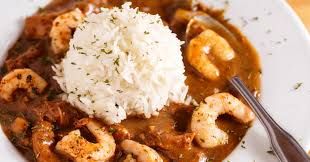
Unlock New Orleans' most guarded culinary secret! This iconic gumbo recipe will change how you cook forever. Click NOW before it's deleted!
The Unveiling of New Orleans' Most Coveted Recipe: Gumbo
New Orleans is a city that breathes flavor, a culinary capital where recipes are passed down through generations like precious heirlooms. While many dishes vie for the spotlight, one stands supreme, a dish that is the very soul of Louisiana Creole cooking: Gumbo. This isn't just food; it's history, culture, and community simmered to perfection. We're about to pull back the curtain on the definitive New Orleans gumbo recipe, a closely guarded secret that locals cherish and eagerly share (with those deemed worthy, of course).
Why Gumbo is King in New Orleans
Gumbo is more than a soup or a stew; it's an experience. Its complexity stems from a carefully orchestrated blend of ingredients and techniques, a testament to the diverse cultural influences that forged New Orleans itself – French, Spanish, African, Caribbean, and Native American. The foundation is the roux, a magical transformation of flour and fat that defines the color and depth of flavor. From there, the 'holy trinity' of celery, bell peppers, and onions builds the aromatic base, while a symphony of meats, spices, and sometimes seafood creates a dish that is both rustic and refined.
The Authentic New Orleans Gumbo Recipe You've Been Searching For
This recipe focuses on a classic Chicken and Andouille Sausage Gumbo, a beloved staple that showcases the heart of Creole cooking. While seafood gumbos are popular, this version offers a rich, deep flavor profile that is universally adored.
Ingredients:
- For the Roux: - 1 cup all-purpose flour - 1 cup vegetable oil (or other neutral oil like canola)
- The Holy Trinity & Aromatics: - 2 cups chopped yellow onion (about 1 large) - 1 1/2 cups chopped green bell pepper (about 1 large) - 1 cup chopped celery (about 2-3 ribs) - 4 cloves garlic, minced
- Meats: - 1 lb boneless, skinless chicken thighs, cut into bite-sized pieces - 1 lb Andouille sausage, sliced 1/4-inch thick
- Liquids & Seasoning: - 8 cups chicken broth (low sodium preferred) - 1 bay leaf - 1 teaspoon dried thyme - 1/2 teaspoon cayenne pepper (or to taste) - Salt and freshly ground black pepper to taste - 1/4 cup chopped fresh parsley, for garnish - 2 tablespoons chopped fresh green onions (scallions), for garnish
Preparation Steps:
1. Make the Roux: In a large, heavy-bottomed pot or Dutch oven, heat the oil over medium heat. Gradually whisk in the flour until smooth. Reduce heat to medium-low and cook, stirring constantly, until the roux reaches a dark chocolate brown color. This can take anywhere from 30 minutes to over an hour. Be patient and do not rush this step; a properly cooked roux is crucial for flavor. If it burns, you must start over.
2. Sauté the Holy Trinity: Once the roux is the desired color, add the chopped onion, bell pepper, and celery to the pot. Stir well to combine with the roux. Cook over medium heat, stirring frequently, until the vegetables are softened, about 8-10 minutes.
3. Add Aromatics and Meats: Stir in the minced garlic and cook for another minute until fragrant. Add the chicken thighs and Andouille sausage to the pot. Brown the chicken slightly, stirring occasionally.
4. Simmer the Gumbo: Gradually pour in the chicken broth, whisking to ensure the roux and vegetables are fully incorporated and no lumps remain. Add the bay leaf, thyme, and cayenne pepper. Bring the mixture to a simmer.
5. Cook Low and Slow: Reduce the heat to low, cover the pot, and let the gumbo simmer gently for at least 1.5 to 2 hours, stirring occasionally. The longer it simmers, the deeper the flavors will become. Skim off any excess fat that rises to the surface during simmering.
6. Season and Finish: Remove the bay leaf. Taste the gumbo and season generously with salt and freshly ground black pepper. The sausage is salty, so season carefully. Stir in most of the fresh parsley and green onions, reserving some for garnish.
7. Serve: Ladle the hot gumbo into bowls. Serve traditionally over steamed white rice. Garnish with the remaining fresh parsley and green onions.
The Cultural Significance of Gumbo
Gumbo is more than just a meal; it's a centerpiece for gatherings, a dish that signifies celebration and comfort. Its preparation is often a communal effort, with family and friends gathering to chop vegetables, stir the roux, and share stories. To make gumbo is to participate in a living tradition, a culinary legacy that connects you to the rich tapestry of New Orleans' past and present. This recipe is your key to unlocking that authentic flavor and experience, right in your own kitchen.
Journey Highlights
- New Orleans is a city that breathes flavor, a culinary capital where recipes are passed down through generations like precious heirlooms. - Gumbo is the very soul of Louisiana Creole cooking. - Its complexity stems from a carefully orchestrated blend of ingredients and techniques, a testament to the diverse cultural influences that forged New Orleans itself. - The foundation is the roux, a magical transformation of flour and fat that defines the color and depth of flavor. - The 'holy trinity' of celery, bell peppers, and onions builds the aromatic base. - A classic Chicken and Andouille Sausage Gumbo showcases the heart of Creole cooking. - Preparation involves making a dark roux, sautéing the holy trinity, adding meats, simmering with broth, and seasoning. - Gumbo is more than just a meal; it's a centerpiece for gatherings, a dish that signifies celebration and comfort.
Local Secrets & Insider Tips
Alright, let's talk gumbo, the real deal. Forget those tourist traps serving watered-down versions. If you want to taste what New Orleans is truly about, you gotta know the secrets.
Timing is Everything:
For the best, most authentic gumbo experience at a restaurant: Skip the French Quarter during peak lunch or dinner hours. Head to Dooky Chase's Restaurant in the evening, around 7:00 PM on a weekday, to catch the relaxed vibe and taste Leah Chase's legendary recipes. If you're brave and want to try a lesser-known spot for amazing seafood gumbo, Mandina's is a classic. Go for lunch on a Tuesday or Wednesday around 1:00 PM to avoid the biggest crowds, but expect a wait even then.
Hidden Gems & Local Haunts:
Most folks stick to Bourbon Street or Frenchmen Street for food. Big mistake. For a truly local feel and killer chicken and sausage gumbo, try Liuzza's by the Track (yes, it's right by the Fair Grounds racetrack). Arrive just as they open at 11:00 AM on a non-race day to snag a table without a fuss.
Must-Order Dishes (Beyond the Obvious):
At Dooky Chase's, while their gumbo is iconic, don't sleep on the fried chicken or the red beans and rice (Mondays only!). At Mandina's, their oyster and artichoke soup is life-changing, and their shrimp and grits are phenomenal. Ask for the gumbo without okra if you're not a fan, they'll usually accommodate.
Logistics That Trip People Up:
Parking: Finding parking in many New Orleans neighborhoods can be a nightmare. Factor in time to search or be prepared to use ride-sharing services. Many of the best local spots are in neighborhoods where street parking is tight.
Common Questions
Frequently Asked Questions about New Orleans Gumbo:
Q: What is the difference between Creole and Cajun gumbo?
A: While both are delicious, Creole gumbo often includes tomatoes and is typically found in New Orleans. Cajun gumbo, more common in the prairies and swamps, usually omits tomatoes and relies more heavily on wild game or seafood.
Q: My roux burned! What should I do?
A: Unfortunately, a burned roux is unsalvageable and will impart a bitter taste to your gumbo. You must start over. Be patient and stir constantly over medium-low heat. It's a labor of love!
Q: Can I use different meats or seafood?
A: Absolutely! Gumbo is very versatile. Common additions include shrimp, crab, oysters, duck, or even alligator. Just ensure they are cooked appropriately and added towards the end if they cook quickly (like shrimp).
Q: How long can I store leftover gumbo?
A: Gumbo often tastes even better the next day! It can be stored in an airtight container in the refrigerator for 3-4 days. It also freezes well for up to 3 months.
Q: What do I serve with gumbo?
A: Traditionally, gumbo is served over steamed white rice. Some people also enjoy it with a side of crusty French bread for dipping.