Embark on an unforgettable road trip from New Orleans to Boise! Explore vibrant culture, iconic landmarks, and the stunning beauty of the American West. Your ultimate adventure guide awaits.
From the Bayou to the Rockies: A New Orleans to Boise Adventure
Embarking on a road trip from the vibrant, music-filled streets of New Orleans, Louisiana, to the stunning natural beauty of Boise, Idaho, is a journey across America's diverse heartland. This adventure takes you from the soulful rhythms of the South to the majestic peaks of the Rocky Mountains, offering a rich tapestry of culture, cuisine, and landscapes.
New Orleans: The Big Easy
New Orleans, affectionately known as the "Big Easy," is a city steeped in history, renowned for its unique blend of French, African, and American cultures. Its iconic French Quarter, with its wrought-iron balconies and gas-lit streets, pulses with the vibrant sounds of jazz music. World-class cuisine, from spicy Cajun dishes to delicate Creole preparations, tantalizes taste buds, while the city's lively spirit is infectious.
Boise: The City of Trees
Boise, Idaho, nicknamed the "City of Trees," offers a stark yet beautiful contrast. Nestled along the Boise River and framed by the dramatic backdrop of the Rocky Mountains, this city is an outdoor enthusiast's paradise. It boasts a thriving downtown, a burgeoning culinary scene, and a strong sense of community, all underscored by its proximity to breathtaking natural wonders.
A Tale of Two Icons: French Quarter vs. Boise River Greenbelt
To truly grasp the essence of this cross-country journey, a comparative analysis of the iconic landmarks of New Orleans and Boise is essential. Each represents the unique spirit and appeal of its respective city.
The French Quarter: A Living, Breathing Museum
The French Quarter, a UNESCO World Heritage site, is the beating heart of New Orleans. Its historical significance is palpable in every cobblestone street and wrought-iron balcony.
Atmosphere and Ambiance: The Quarter is a sensory overload in the best possible way. The air is thick with the scent of beignets, beignets, and the irresistible aroma of Creole cooking. Live jazz spills from every doorway, creating a constant, intoxicating soundtrack. The architecture, a captivating blend of Spanish, French, and Creole influences, transports visitors to another era. Cultural Significance: This district is more than just a tourist attraction; it's a living testament to the city's rich and complex history. From its origins as a French settlement to its role in the development of jazz music, the French Quarter is deeply woven into the fabric of American culture. It's a place where history isn't just learned; it's experienced. Activities and Experiences: Visitors can lose themselves for days exploring its narrow streets, visiting historic houses like the Hermann-Grima House and Gallier House, browsing unique boutiques, and, of course, indulging in the unparalleled culinary scene. Bourbon Street offers a more boisterous nightlife experience, while nearby Frenchmen Street is the epicenter for authentic live music. Iconic Landmarks within: While the entire Quarter is an icon, specific points of interest like Jackson Square, St. Louis Cathedral, and Preservation Hall stand out as must-see destinations. Jackson Square, in particular, is a hub of artists, street performers, and fortune tellers, embodying the Quarter's vibrant spirit.
The Boise River Greenbelt: Nature's Urban Oasis
The Boise River Greenbelt is Boise's answer to a vibrant, accessible natural space. This paved pathway stretches for over 25 miles along the Boise River, serving as the city's primary recreational artery.
Atmosphere and Ambiance: The Greenbelt offers a refreshing contrast to the urban bustle. It's a tranquil escape where the gentle flow of the river, the rustling of cottonwood trees, and the calls of local birds create a serene atmosphere. It's a place for active pursuits and quiet contemplation alike. Cultural Significance: While not as historically steeped as the French Quarter, the Greenbelt holds significant cultural importance for Boiseans. It represents the city's commitment to outdoor recreation, environmental stewardship, and community well-being. It's where families gather, athletes train, and visitors connect with the natural beauty of Idaho. Activities and Experiences: The Greenbelt is a haven for cyclists, runners, walkers, and inline skaters. It connects numerous parks, including Ann Morrison Park and Kathryn Albertson Park, which offer picnic areas, playgrounds, and opportunities for wildlife viewing. Kayaking and tubing on the Boise River are also popular summer activities accessible from the Greenbelt. Iconic Landmarks within: While the entire pathway is remarkable, key points that draw attention include Julia Davis Park, home to the Boise Zoo and several museums, and the iconic footbridges that gracefully span the river, offering picturesque viewpoints. The unique art installations found along the Greenbelt also add to its character.
Comparative Analysis: Soul of the City vs. Breath of Fresh Air
| Feature | French Quarter, New Orleans | Boise River Greenbelt, Boise | | :------------------ | :------------------------------------------------------------- | :----------------------------------------------------------- | | Primary Focus | History, Culture, Music, Culinary Arts, Architecture | Outdoor Recreation, Nature, Active Lifestyle, Urban Serenity | | Sensory Experience | Lively, vibrant, noisy, aromatic, visually ornate | Peaceful, natural, calming, visually green and flowing | | Historical Depth | Centuries-old, deeply rooted in American and global history | Modern development, focused on current community and environment | | Dominant Sounds | Jazz, street performers, chatter, laughter | Flowing water, birdsong, rustling leaves, distant city hum | | Dominant Smells | Creole spices, beignets, river air, faint exhaust | Fresh water, earth, blooming flowers, pine needles | | Visitor Purpose | Immerse in history, experience unique culture, enjoy cuisine | Engage in outdoor activities, enjoy natural beauty, relax | | Urban Integration | The historic core, the city's defining neighborhood | A linear park weaving through and connecting the city | | Pace of Life | Energetic, bustling, always something happening | Relaxed, flowing, conducive to personal pace |
Transcontinental Drive: Charting the Course
The drive from New Orleans to Boise is a captivating odyssey, traversing a diverse range of American landscapes and cultures. This isn't just about getting from Point A to Point B; it's about the journey itself, the unfolding scenery, and the unexpected discoveries along the way.
Louisiana's Bayou Bliss and Beyond
Your journey begins in the humid embrace of Louisiana, where the landscape is dominated by bayous, swamps, and dense cypress forests.
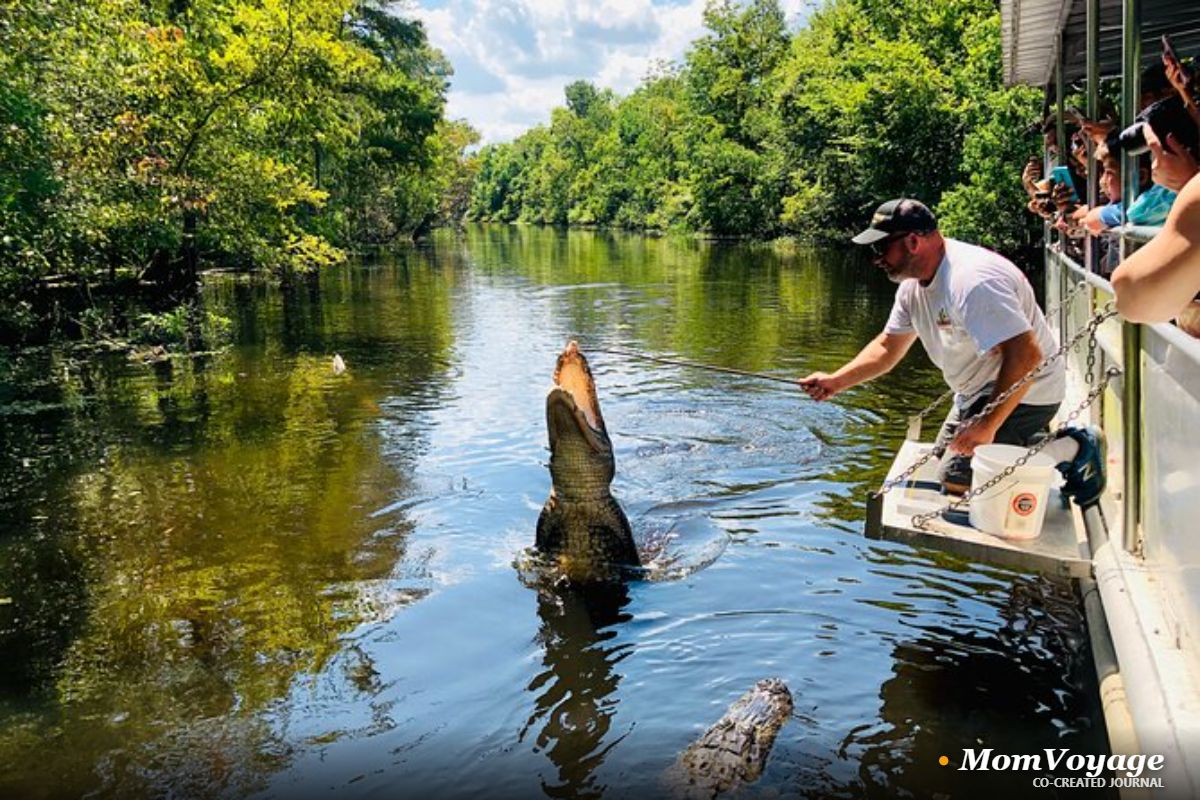
The Delta Region: As you head west out of New Orleans, you'll enter the heart of Cajun Country. Expect to see sprawling sugarcane fields, small towns with unique architectural styles, and a distinct cultural flavor. The air might carry the scent of crawfish boiling and the distant sound of accordion music. Key Stops: Consider detours to charming towns like Lafayette, the unofficial capital of Cajun Country, for authentic food and music, or Avery Island, home to the McIlhenny Company's Tabasco Factory. The Atchafalaya Basin, the largest swamp in the United States, offers unique opportunities for boat tours and wildlife viewing. Cuisine on the Road: This is your prime opportunity to indulge in true Cajun and Creole cuisine. From hearty gumbo and jambalaya to spicy boudin and fresh seafood, your taste buds will be on a constant adventure. Look for local diners and roadside stands for the most authentic experiences.
Navigating the Great Plains
Crossing into Texas and then Oklahoma, the landscape gradually transforms. The dense vegetation gives way to vast, open plains, rolling prairies, and eventually the rugged terrain of the Panhandle.
Texas Panhandle: As you push westward, the iconic vastness of Texas unfolds. Expect long stretches of highway with dramatic skies and a sense of immense space. The landscape becomes more arid, with wind-swept grasslands and occasional mesquite trees. Oklahoma's Blend: Oklahoma presents a fascinating blend of Southern hospitality and Western ruggedness. You'll encounter rolling hills, oil fields, and a strong Native American cultural heritage. Route 66 Echoes: Portions of your drive might align with historic Route 66, offering a nostalgic glimpse into America's past. Look for classic diners, vintage gas stations, and quirky roadside attractions that hark back to a bygone era. A Taste of the Plains: While not as renowned for specific regional cuisine as Louisiana, you'll find excellent barbecue, steak, and classic American comfort food throughout this region.
Ascending into the Rockies: The Great Divide
As you continue your westward trek through states like Colorado or Wyoming (depending on your chosen route), the landscape begins its dramatic ascent. The flat plains gradually give way to foothills, and then the majestic, snow-capped peaks of the Rocky Mountains begin to dominate the horizon.
Colorado's Majesty: If your route takes you through Colorado, you'll be treated to some of the most iconic Rocky Mountain scenery. Think towering peaks, pristine alpine lakes, and dense pine forests. Towns like Denver serve as gateways to mountain adventures. Wyoming's Wild Frontier: Wyoming offers a more untamed wilderness experience. From the geothermal wonders of Yellowstone National Park to the dramatic granite spires of Grand Teton National Park, this state embodies the wild spirit of the West. Mountain Towns and High-Altitude Air: As you gain elevation, the air becomes cooler and crisper. You'll encounter charming mountain towns, often bustling with outdoor enthusiasts and offering cozy lodges and hearty mountain fare. Scenic Drives: Utilize the many scenic byways and highways that weave through the Rockies. These routes often offer breathtaking vistas, opportunities for hiking, and chances to spot wildlife like elk, deer, and even bears.
The Boise Experience: Outdoor Playground and Urban Charm
Arriving in Boise offers a refreshing transition from the long drives to a vibrant city nestled at the foot of the mountains. It's a place that perfectly balances outdoor adventure with urban sophistication.
Embrace the Outdoors: Boise's Natural Allure
Boise's identity is intrinsically linked to its surrounding natural environment. The "City of Trees" lives up to its name with abundant green spaces and immediate access to wilderness.
The Boise River: As mentioned, the River Greenbelt is central to Boise life. Beyond recreation, it serves as a vital ecological corridor and a beautiful urban parkland. Ridge to Rivers Trail System: This extensive network of trails extends from the city's edge into the foothills, offering incredible hiking and biking opportunities with panoramic views of the valley. Trails like Hulls Gulch and Camel's Back Park are popular starting points. Table Rock: A prominent landmark overlooking the city, Table Rock offers a rewarding hike to its summit, where you're greeted with expansive views of Boise, the Treasure Valley, and the distant mountains. Day Trips and Excursions: Boise serves as an excellent base for exploring further afield. Popular day trips include visiting the Sawtooth National Recreation Area, a pristine wilderness of jagged peaks and alpine lakes, or exploring the Owyhee Canyonlands, a vast desert landscape with unique geological formations.
Boise's Thriving Downtown and Culinary Scene
While nature reigns supreme, Boise's downtown area boasts a surprising amount of culture, dining, and entertainment.
Idaho State Capitol Building: An architectural gem, the Capitol building is a must-visit, showcasing impressive design and historical exhibits. Museums and Arts: Julia Davis Park houses several key cultural institutions, including the Boise Art Museum, the Idaho State Historical Museum, and the Discovery Center of Idaho. The Basque Block, a unique cultural enclave, celebrates Boise's significant Basque heritage with museums, restaurants, and a cultural center. A Growing Foodie Destination: Boise's culinary scene has been rapidly evolving. You'll find a diverse range of restaurants, from farm-to-table establishments showcasing local produce to innovative international cuisine. Craft breweries and coffee shops are also abundant, reflecting the city's youthful and energetic vibe. Local Flavors: Don't miss trying local specialties like Idaho potatoes (prepared in countless delicious ways), huckleberries (a regional delicacy found in pies, jams, and ice cream), and craft beers from local breweries.
Culinary Crossroads: A Gastronomic Journey
This road trip is as much a culinary expedition as it is a geographical one. The distinct flavors of New Orleans and the emerging tastes of Boise offer a delightful contrast.
New Orleans: A Symphony of Flavors
New Orleans is a global culinary mecca, celebrated for its rich and complex food traditions.
Cajun vs. Creole: Understanding the distinction is key. Cajun cuisine, born from the Acadian exiles in rural Louisiana, is known for its hearty, rustic, and often spicy dishes like étouffée and boudin. Creole cuisine, developed in the more urban New Orleans, is often more refined, incorporating ingredients like tomatoes and a wider array of spices, exemplified by dishes like gumbo and shrimp Creole. Must-Try Dishes: Gumbo: A rich, savory stew with various meats, seafood, and vegetables. Jambalaya: A flavorful rice dish with meat, seafood, and vegetables, a staple of Cajun and Creole cooking. Beignets: Fried dough pastries, generously dusted with powdered sugar, often enjoyed with café au lait. Po'boys: Hearty sandwiches on French bread, typically filled with fried seafood or roast beef. Crawfish Boil: A communal feast of spicy boiled crawfish, corn, potatoes, and sausage. Dining Experiences: From iconic institutions like Commander's Palace and Antoine's to casual oyster bars and neighborhood diners, New Orleans offers a dining experience for every palate and budget. The French Quarter and Garden District are particularly renowned for their culinary offerings.
Boise: Fresh, Local, and Innovative
Boise's culinary landscape is characterized by its emphasis on fresh, local ingredients, a testament to Idaho's agricultural bounty.
Idaho's Agricultural Pride: Idaho is known for its world-class potatoes, but its agricultural offerings extend far beyond. The fertile Treasure Valley produces a wide variety of fruits, vegetables, and grains, which are prominently featured on restaurant menus. Farm-to-Table Movement: Boise has embraced the farm-to-table ethos with numerous restaurants sourcing ingredients directly from local farms. This results in incredibly fresh and flavorful dishes. Emerging Trends: The city is seeing a rise in diverse culinary influences, with vibrant ethnic restaurants, artisanal bakeries, and a burgeoning craft beer and spirits scene. Signature Ingredients: Idaho Potatoes: Prepare to be impressed by the versatility and quality of Idaho potatoes, served in everything from classic baked and mashed forms to gourmet fries and gratins. Huckleberries: These wild berries, native to the region, are a prized delicacy, appearing in desserts, sauces, and even cocktails. Trout and Salmon: Idaho's pristine rivers and lakes provide excellent opportunities for fresh, locally sourced fish. Dining Experiences: Boise offers a range of dining options, from upscale restaurants in the downtown core to casual eateries in its vibrant neighborhoods. The Linen District and Hyde Park are known for their eclectic mix of culinary hotspots.
Cultural Tapestry: Music, History, and Indigenous Roots
This journey is a deep dive into the diverse cultural tapestry of America, from the enduring musical heritage of New Orleans to the historical echoes and indigenous roots present in the landscapes leading to Boise.
New Orleans: The Cradle of Jazz and Beyond
New Orleans is a city that lives and breathes culture. Its historical significance is undeniable, and its musical legacy is unparalleled.
The Birthplace of Jazz: New Orleans is universally recognized as the birthplace of jazz. The improvisational spirit and soulful melodies that define this genre were born in the city's African American communities, evolving from blues, ragtime, and spirituals. Musical Hotspots: Frenchmen Street: The epicenter of live New Orleans music, offering an authentic and intimate experience with numerous clubs showcasing a variety of jazz styles. Bourbon Street: While more commercialized, it still offers a lively atmosphere with brass bands and street performers. Preservation Hall: A historic venue dedicated to preserving and presenting traditional New Orleans jazz. Historical Narratives: The city's history is a complex interplay of French, Spanish, African, and American influences. This is evident in its architecture, language (including Louisiana Creole), and religious traditions. Slavery and its aftermath have also profoundly shaped the city's cultural landscape. Festivals and Traditions: New Orleans is famous for its vibrant festivals, including Mardi Gras, Jazz Fest, and countless second-line parades, which are deeply ingrained in the city's cultural identity.
The Western Frontier and Indigenous Heritage
As you travel westward, the cultural narrative shifts to the history of westward expansion, the cowboy spirit, and the deep, enduring presence of Native American tribes.
Native American Influence: Long before European settlers arrived, the lands that make up your route were home to numerous indigenous nations. Their history, traditions, and connection to the land are an integral part of the American story. Tribes of the Plains and Rockies: Depending on your exact route, you may pass through territories historically inhabited by tribes such as the Lakota Sioux, Cheyenne, Arapaho, Ute, and Shoshone. Learning about their ancestral lands and cultural contributions is essential for a complete understanding of the region. Cultural Centers and Museums: Seek out opportunities to visit Native American cultural centers, museums, and historical sites that offer insights into their rich heritage, including their art, storytelling, and spiritual practices. The Cowboy and Pioneer Spirit: The American West is often romanticized with images of cowboys, vast ranches, and hardy pioneers. This era of exploration and settlement has left an indelible mark on the culture of states like Texas, Oklahoma, Colorado, and Wyoming. Ranching Culture: You'll see working ranches and understand the enduring legacy of cattle ranching. Pioneer Towns and History: Many towns along your route have museums and historical societies dedicated to preserving the stories of early settlers and their challenges. Boise's Indigenous Roots: Boise itself sits on land with a rich indigenous history. The Boise Valley was traditionally home to bands of the Shoshone and Bannock tribes. Understanding this historical context is crucial for appreciating the region's deep cultural roots. The Basque influence in Boise also represents a significant and unique cultural thread.
Preparing for Your Cross-Country Expedition
Embarking on such a grand adventure requires thoughtful planning to ensure a smooth and enjoyable experience. From packing essentials to understanding the logistics, a little preparation goes a long way.
Packing for Diverse Climates and Activities
The transition from the subtropical humidity of New Orleans to the potentially cooler, high-altitude air of Boise necessitates a versatile packing list.
Layering is Key: Pack clothing that can be layered effectively. Think t-shirts, long-sleeved shirts, fleece jackets, and a waterproof and windproof outer shell. Footwear: Comfortable walking shoes are essential for exploring cities. For outdoor activities in Boise, hiking boots or sturdy trail shoes are highly recommended. Sandals or flip-flops are good for casual wear and warmer climates. Sun Protection: Sunscreen, hats, and sunglasses are crucial, especially in the open plains and at higher altitudes where the sun's rays can be intense. Outdoor Gear: Depending on your planned activities, consider packing essentials like a backpack, reusable water bottles, insect repellent, and a small first-aid kit. Electronics and Chargers: Don't forget chargers for all your devices, a portable power bank, and perhaps a good camera to capture the stunning scenery. Navigation Tools: While GPS is invaluable, consider having physical maps as a backup, especially in remote areas with limited cell service.
Vehicle Essentials and Road Trip Comfort
Your vehicle will be your trusted companion on this journey. Ensuring it's in good condition and equipped for long drives is paramount.
Pre-Trip Inspection: Before you leave, have your vehicle thoroughly inspected by a mechanic. Check tires (including the spare), brakes, oil, fluids, and battery. Emergency Kit: Pack an emergency roadside kit that includes jumper cables, a flashlight, basic tools, a first-aid kit, and non-perishable snacks. Comfort Items: Long hours in the car can be taxing. Pack pillows, blankets, and any personal items that will enhance your comfort. Consider a good playlist or audiobook collection to keep you entertained. Snacks and Drinks: Stock up on non-perishable snacks and plenty of water to avoid frequent stops and save money. Navigation Apps: Utilize navigation apps like Google Maps or Waze, and download offline maps for areas where you might lose service.
Budgeting and Accommodation
Planning your budget and accommodation in advance will help ensure a stress-free trip.
Accommodation Options: Hotels and Motels: A wide range of options are available in cities and along major highways. Airbnb/Vacation Rentals: These can offer more space and amenities, especially for longer stays or if traveling with a group. Campgrounds: For the adventurous, camping can be a budget-friendly and immersive way to experience the natural landscapes. Boise has excellent access to camping facilities. Food Budget: Factor in the cost of dining out, groceries for snacks, and any special culinary experiences you wish to indulge in. Activity and Entrance Fees: Research the cost of any attractions, national parks, or tours you plan to visit. Fuel Costs: Gas prices can fluctuate significantly across different states. Keep this in mind when estimating your budget.
This journey from New Orleans to Boise is more than just a road trip; it's an exploration of America's soul. From the soulful rhythms of the Big Easy to the majestic peaks of the Rockies, you'll encounter a breathtaking diversity of landscapes, cultures, and culinary delights. So, pack your bags, fire up the engine, and get ready for an unforgettable adventure!
Journey Highlights
- Immerse yourself in the jazz clubs of Frenchmen Street. - Savor authentic beignets at Cafe Du Monde. - Take a historic steamboat cruise on the Mississippi River. - Explore the vibrant farmer's market in downtown Boise. - Hike or bike along the scenic Boise River Greenbelt. - Visit the Old Idaho Penitentiary State Historic Site. - Discover the unique Basque culture at the Basque Block.
Local Secrets & Insider Tips
Insider Tips from a Seasoned Traveler
As a local who's traversed this route more times than I can count, let me share some secrets to making your journey from New Orleans to Boise truly unforgettable.
Navigating New Orleans: Jackson Square: To truly experience Jackson Square without the overwhelming crowds, aim to arrive between 8:00 AM and 9:00 AM on a weekday. This is before the main tourist rush and streetcars start their busiest routes. You'll get a much better feel for the artists and the Cathedral's grandeur. Hidden Entrances: For a unique perspective of the French Quarter, explore the courtyards accessible through unassuming archways off Royal Street. Many are private residences or small boutique hotels, but a polite inquiry might grant you a glimpse. Culinary Delights: Skip the tourist traps on Bourbon Street for dinner. Head to Cochon Butcher in the Warehouse District for incredible house-made charcuterie and sandwiches, or try Dooky Chase's Restaurant for legendary Creole soul food – call ahead for reservations, as it's a beloved local institution. Logistics: Parking in the French Quarter is a nightmare. Utilize hotel parking or a reputable garage on the edge of the Quarter and explore on foot. Taxis and rideshares are plentiful, but be aware of surge pricing during major events.
The Cross-Country Drive: Route Planning: While the most direct route takes you through Texas and New Mexico, consider a slightly longer path through Oklahoma City and Denver. This offers a different landscape and a chance to experience more of the American heartland. Hidden Gems: Keep an eye out for "World's Largest" roadside attractions – they're quirky, fun, and make for great photo ops. Small towns often have the best local diners with surprisingly good pie. Fuel & Food: In more remote stretches of West Texas and New Mexico, gas stations can be far apart. Always keep your tank above half full. Pack snacks and drinks to avoid overpaying at limited service stops.
Arriving in Boise: Boise River Greenbelt: For the best tranquility and wildlife viewing, bike or walk the Greenbelt early in the morning, ideally between 7:00 AM and 9:00 AM. You'll often see deer and a variety of birds, and have the path largely to yourself. Hidden Viewpoints: For a stunning panoramic view of the city and surrounding mountains, drive up to the Military Reserve Park. It’s less crowded than Table Rock and offers equally impressive vistas. Local Eats: Forget the chain restaurants. For authentic Basque cuisine, visit The Basque Block and try Bar Gernika for their famous lamb grinder. For fresh, farm-to-table goodness, check out Wild Root Cafe & Market – their seasonal bowls are exceptional. Logistics: Boise is very walkable and bike-friendly downtown. If you plan on exploring the surrounding foothills or venturing further afield, a car is necessary. Be mindful of the seasonal changes; winter can bring snow, impacting outdoor activities.
Common Questions
Frequently Asked Questions
Q: What is the best time of year for a New Orleans to Boise road trip? A: Spring (April-May) and Fall (September-October) offer the most pleasant weather for this cross-country journey, with milder temperatures and fewer crowds.
Q: How long does the drive from New Orleans to Boise typically take? A: The direct driving time is approximately 30-32 hours, covering around 2,100 miles. It's highly recommended to break this trip into at least 4-5 days to truly enjoy the experience.
Q: Are there any unique cultural experiences along the route? A: Absolutely! Besides the distinct cultures of New Orleans and Boise, you'll traverse through areas with their own regional charm. Consider stopping in cities like Nashville for music or Denver for a taste of the Rockies.
Q: What kind of car is best suited for this road trip? A: A reliable vehicle with good fuel efficiency is ideal. Ensure your car is well-maintained before you leave, especially tires and brakes, given the long distances and varied terrain.
Q: What should I pack for such a diverse trip? A: Pack layers of clothing to accommodate varying climates, comfortable walking shoes, rain gear, sun protection (hats, sunglasses, sunscreen), and a basic first-aid kit. Don't forget your camera!