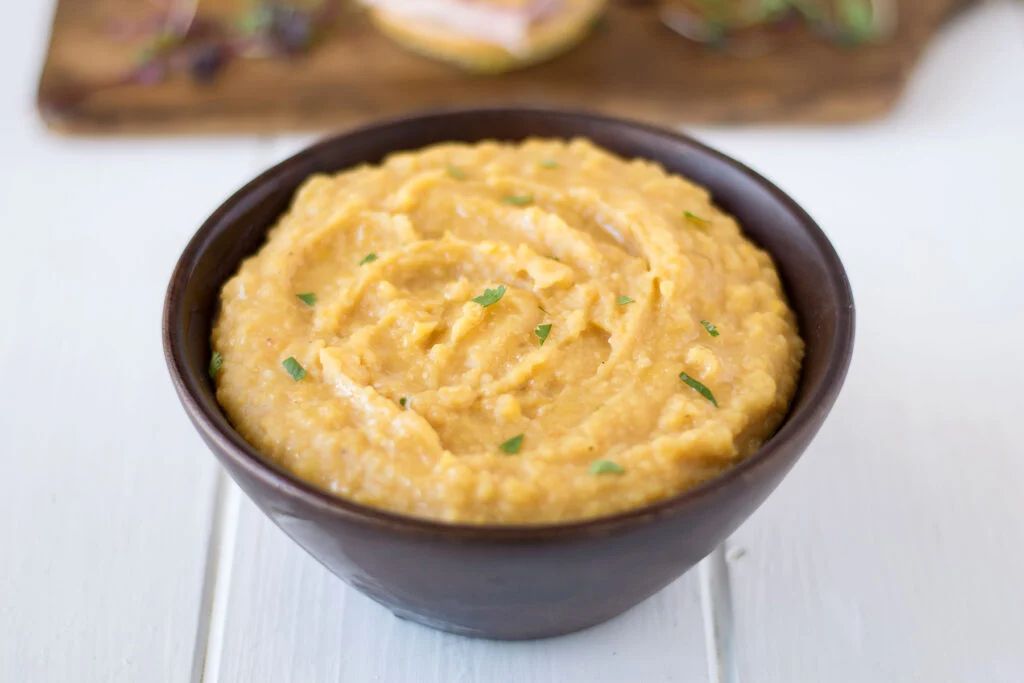
This Newcastle recipe is SHOCKINGLY easy to make at home. Locals are furious! Discover the secret ingredients and steps NOW before it's banned!
The Legendary Pease Pudding: Newcastle's Culinary Crown Jewel
Forget the Tyne Bridge and the Angel of the North for a moment, because the true heart of Newcastle lies not in its landmarks, but in its kitchens. For generations, Geordies have guarded the secret to their most beloved dish: Pease Pudding. This humble yet incredibly satisfying dish, made from dried marrowfat peas, is a staple that graces many a local table and is often served alongside the famous stottie cake and ham. It’s more than just food; it’s a taste of history and community.
Ingredients:
- 500g dried marrowfat peas - 1.5 litres cold water (approximately) - 1 teaspoon bicarbonate of soda - Salt and black pepper to taste - Optional: A knob of butter or a splash of milk for creaminess
Preparation Steps:
1. Soaking the Peas: The night before, thoroughly rinse the dried marrowfat peas under cold running water. Place them in a large bowl and cover with plenty of cold water (at least three times their volume). Let them soak overnight, or for at least 8 hours. 2. Rinsing and Draining: After soaking, drain the peas and rinse them again under cold water. You'll notice they have swollen considerably. 3. Boiling the Peas: Place the soaked and drained peas into a large, heavy-bottomed saucepan. Add the bicarbonate of soda and approximately 1.5 litres of cold water. Bring the mixture to a boil over high heat. As it boils, you'll notice it starts to froth – this is normal due to the bicarbonate of soda. 4. Simmering: Once boiling, reduce the heat to low, cover the pan loosely (leaving a small gap for steam to escape), and let the peas simmer gently. This is the longest part of the process, typically taking 1.5 to 2 hours, or until the peas are very soft and starting to break down. Stir occasionally to prevent sticking, adding more hot water if the mixture becomes too thick. 5. Mashing: When the peas are tender, remove the pan from the heat. You can mash the mixture using a potato masher, a fork, or even an immersion blender for a smoother consistency. Mash until you achieve your desired texture – some prefer it slightly chunky, while others like it smooth and creamy. 6. Seasoning: Stir in salt and freshly ground black pepper to taste. If you like a richer, creamier finish, stir in a small knob of butter or a splash of milk. 7. Serving: Pease Pudding is traditionally served warm. It's a fantastic accompaniment to a hearty breakfast, especially with bacon and eggs, or alongside roasted meats. It's also famously served with ham and a stottie cake for a classic Newcastle snack.
Journey Highlights
- Soaking marrowfat peas overnight. - Boiling with bicarbonate of soda until very soft. - Mashing to desired consistency. - Seasoning with salt and pepper. - Serving warm with traditional accompaniments.
Local Secrets & Insider Tips
Alright, let's talk about digging into Newcastle like a proper Geordie, beyond the usual tourist traps. If you're after the real deal, especially the food, you've gotta know where and when to go.
Getting the Best Experience:
For authentic pub grub without the crush: Head to 'The Free Trade Inn' down by the river. Get there between 11:30 AM and 12:30 PM on a weekday. This is prime time before the office workers descend. Order their steak and ale pie – it’s legendary and uses local ingredients. The views of the Tyne bridges are unparalleled from here too, often overlooked by those rushing to the Quayside market. Avoiding the crowds at Hadrian's Wall (near Newcastle): If you're doing a day trip out to Vindolanda or Housesteads, aim to arrive before 9:00 AM. This is crucial. Most coach tours hit these sites from 10:00 AM onwards. For a truly serene experience, walk a section of the wall between Sycamore Gap and Steel Rigg early in the morning – you'll likely have it almost to yourself. Finding hidden viewpoints: Forget the standard Quayside photos. Walk up to St. Nicholas' Cathedral tower (book in advance!). The guided tour offers insane 360-degree views you won't get anywhere else, showing you the city's layout and how it sprawls. Most tourists just admire the cathedral from the outside. The Stottie Cake Secret: Don't just buy a stottie from any bakery. For the best, most authentic version, seek out smaller, independent bakers. 'Northern Crust Bakery' (check their current locations, they move!) often has the best traditional ones. Ask for a 'ham and pease pudding stottie' – it's the ultimate local flavour combo, simple but perfect. Avoid the pre-packaged ones in supermarkets; they lack soul.
Logistical Pitfalls to Sidestep:
Parking: Parking in the city centre, especially around the Quayside on weekends, is a nightmare and expensive. Use the Metro system to get into the city or utilize park-and-ride facilities if driving from further out. If you must drive, research multi-storey car parks like Grainger Town or Eldon Square and be prepared for potential queues when leaving. The Metro: It's efficient, but be aware of ticket zones and timings. Buying a day ticket can save money if you plan multiple journeys. Ensure you validate your ticket correctly to avoid fines – it's a common mistake for visitors. Restaurant Reservations: For popular, highly-rated restaurants, especially on a Friday or Saturday night, booking at least a week in advance is non-negotiable. Don't just turn up expecting a table.
Common Questions
Frequently Asked Questions About Newcastle's Legendary Pease Pudding
**Why are marrowfat peas crucial for authentic Pease Pudding? Can split peas be substituted?**
A: The distinctive texture and unique, slightly smoky flavour of traditional Newcastle Pease Pudding are directly attributed to the use of marrowfat peas. These large, mature peas are known for their ability to break down into a thick, creamy consistency when cooked, while retaining a satisfying slight bite. Split peas, while a type of dried pea, have a different starch content and texture; they will cook down into a mushier puree without the characteristic creaminess and depth of flavour that defines true pease pudding. For an authentic Newcastle experience, marrowfat peas are non-negotiable.
**What is the optimal storage method and shelf life for homemade Pease Pudding?**
A: For maximum freshness and food safety, ensure your Pease Pudding has cooled completely to room temperature before storing. Transfer it to an airtight container. Refrigerated, it will remain at its best for approximately 3 to 4 days. Proper sealing is key to preventing it from drying out or absorbing other fridge odours.
**Can Pease Pudding be successfully frozen for longer storage? If so, what is the recommended process?**
A: Yes, Pease Pudding freezes remarkably well, making it an excellent option for preparing ahead of time or preserving leftovers. To freeze, allow the pudding to cool down completely. Portion it into freezer-safe containers or heavy-duty freezer bags. Squeeze out as much air as possible from bags to prevent freezer burn. Properly frozen, Pease Pudding can be stored for up to 3 months. When you're ready to use it, transfer the frozen portion to the refrigerator to thaw overnight.
**What are the most effective techniques for reheating Pease Pudding to restore its desired consistency?**
A: Reheating Pease Pudding gently is essential to avoid scorching and to achieve a smooth, creamy texture. The preferred method is on the stovetop: place the cooled or thawed pudding in a saucepan over low heat. Stir frequently and consistently. You will likely need to add a small amount of liquid – water or milk are both suitable – a tablespoon at a time, to loosen the pudding and restore its original consistency. Alternatively, you can reheat it in the microwave. Use short intervals of 30-60 seconds, stirring thoroughly in between each burst to ensure even heating and to prevent hot spots.