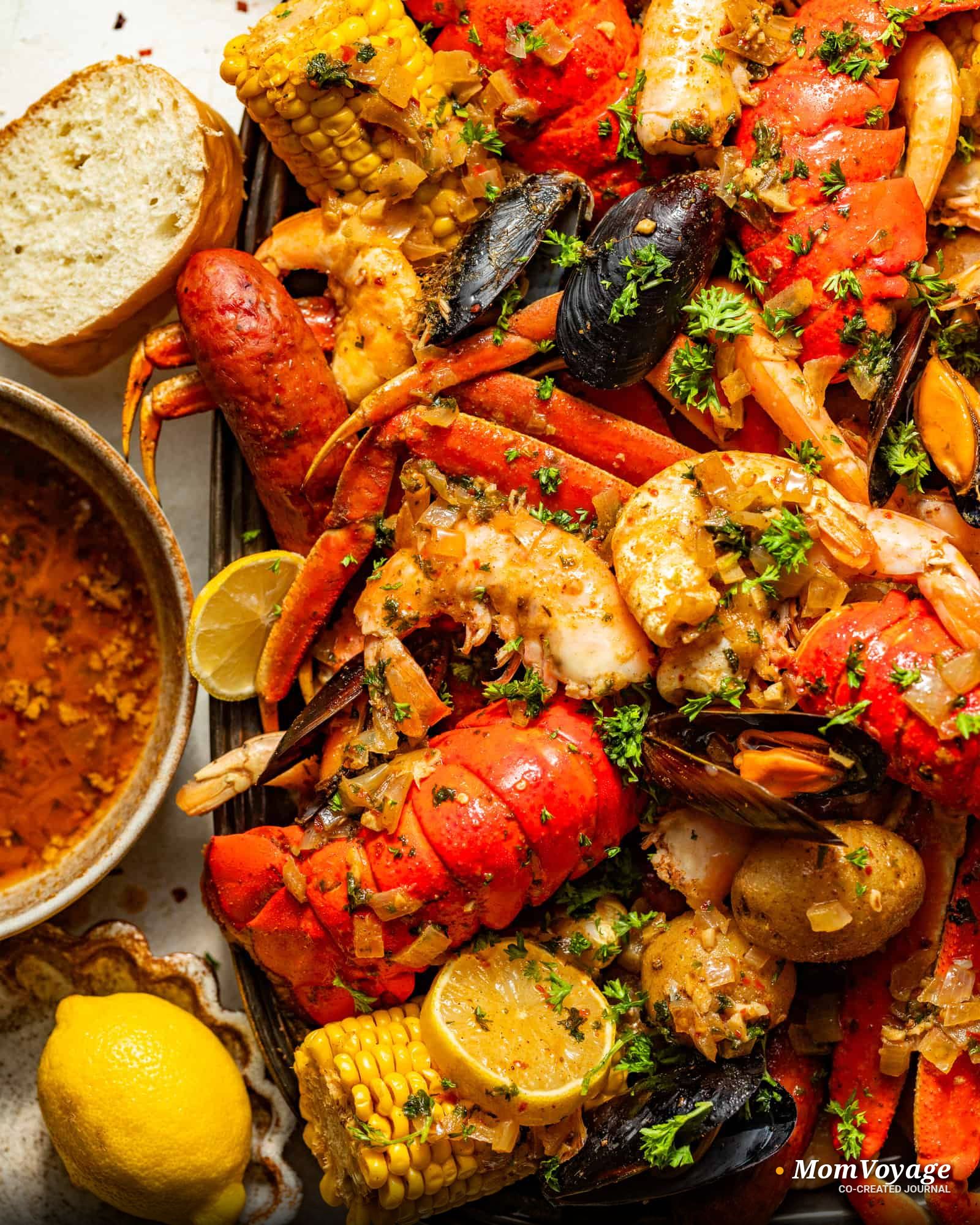
Master the art of the Norfolk seafood boil with this authentic recipe. Discover the best ingredients and simple steps for an unforgettable taste of Virginia.
Norfolk's Iconic Seafood Boil: A Step-by-Step Culinary Guide
The Norfolk seafood boil is a celebration of the Chesapeake Bay's abundant harvest, a dish that brings people together with its communal spirit and incredible flavors. This recipe focuses on the essential elements that make a Norfolk-style boil a local favorite, emphasizing fresh ingredients and a perfectly balanced spice blend.
The Heart of the Boil: Key Ingredients
Seafood Selection: The cornerstone of any great seafood boil. Aim for a variety of fresh, high-quality items: Shrimp: Large, head-on shrimp are traditional, but any good quality shrimp will work. Crabs: Blue crabs are king in the Chesapeake. If whole crabs are unavailable, consider crab legs or claws. Oysters: Fresh, plump oysters add a briny sweetness. Clams or Mussels: These bivalves cook quickly and absorb the broth beautifully. Aromatics & Vegetables: These build the flavor base. Corn on the Cob: Sweet corn, cut into 2-3 inch pieces. Red Potatoes: Small to medium-sized, halved or quartered. Sausage: Smoked sausage (like andouille or kielbasa) adds a savory, spicy depth. Onion: Quartered. Garlic: Whole heads, halved horizontally. Lemon: Halved. The Flavorful Broth: This is where the magic happens. Water: The base liquid. Seafood Seasoning: A generous amount of your favorite Cajun or Old Bay-style seasoning. This is crucial for authentic flavor. Old Bay Seasoning: A classic for a reason, it’s essential for that distinct Chesapeake taste. Salt: To taste, especially important for bringing out the seafood's natural flavor. Black Peppercorns: Whole peppercorns add a gentle heat. Bay Leaves: For an aromatic touch. Optional Spices: A pinch of cayenne pepper or red pepper flakes for extra heat.
The Cooking Process: Bringing It All Together
1. Prepare the Broth: In a large stockpot or Dutch oven, combine water, seafood seasoning, Old Bay, salt, peppercorns, bay leaves, and optional cayenne. Bring to a rolling boil. 2. Cook the Sturdier Items: Add the potatoes and sausage to the boiling broth. Cook for about 10-15 minutes, or until the potatoes are starting to become tender. 3. Add Aromatics and Corn: Add the corn on the cob, onions, garlic, and lemons to the pot. Continue to boil for another 5-7 minutes. 4. Introduce the Seafood: This is the most delicate stage. Add the crabs, oysters, clams, and mussels. If using shrimp, add them last as they cook very quickly. Cover the pot and steam for approximately 5-8 minutes, or until the shrimp are pink and opaque, the oysters and clams have opened, and the crabs are cooked through. 5. Rest and Serve: Once everything is cooked, turn off the heat and let the boil rest for a few minutes. This allows the flavors to meld further. 6. Drain and Plate: Carefully drain the excess liquid from the pot. You can either serve the boil directly from the pot (traditional for a casual gathering) or transfer the contents to a large platter or newspaper-lined table. Serve immediately with plenty of napkins and perhaps some melted butter for dipping.
Journey Highlights
- Unlock the authentic flavors of Norfolk's signature seafood boil. - Master the art of selecting the freshest Chesapeake Bay ingredients. - Learn the precise cooking times for shrimp, crabs, oysters, and more. - Discover the secret to a perfectly balanced, savory broth. - Recreate a communal and delicious dining experience at home.
Local Secrets & Insider Tips
As a lifelong resident and someone who's seen countless seafood boils grace tables across Norfolk, I can tell you it's all about timing and the freshest catch. Don't be intimidated; it’s a wonderfully forgiving dish once you know a few local secrets.
Timing is Everything: For the absolute freshest crab haul: Head to the local fish markets like Chesapeake Bay Seafood or Farm Fresh right when they open, typically around 7:00 AM, especially on weekends during crab season (roughly May through October). This is when the boats have just come in. The boil itself: Aim to start cooking about 45 minutes before you plan to serve. The resting period after cooking is just as important for flavor melding.
Hidden Gems & Viewpoints: Local Markets: Beyond the main fish markets, explore smaller seafood stands along the Elizabeth River docks. You might find direct boat-to-table deals. It’s worth asking! Waterfront Picnics: Instead of a crowded restaurant, pack your boil (or components) and head to Ocean View Beach Park. There are usually picnic tables, and you get that stunning bay view without the reservation hassle. Best enjoyed on a weekday afternoon to avoid local crowds.
Must-Try Dishes (Beyond the Boil): While the boil is king, if you're at a casual spot like Schooner's (a local favorite, not fancy at all), don't miss their Steamed Shrimp seasoned simply with Old Bay and butter, or their Crab Cakes – they’re made with minimal filler, letting the sweet crab meat shine. Ask for the sauce on the side!
Logistical Pitfalls to Avoid: Seafood Freshness: Never compromise on freshness. If it smells fishy, it's not right for a boil. Look for bright eyes on shrimp, tightly closed shells on clams and oysters, and lively crabs (if buying live). Pot Size: Seriously, get a pot big enough. A 16-quart pot is the absolute minimum for a family-sized boil. Overcrowding leads to uneven cooking and a watery flavor. Seasoning Balance: Start with less seasoning than you think you need. You can always add more to individual servings, but you can't take it away. Taste the broth as you go. Napkins & Tools: Have plenty of paper towels, wet wipes, and a seafood cracker/nutcracker ready. Some folks swear by mallet-style crackers for tougher crab shells. Don't forget a good sturdy ladle for serving.
Common Questions
Frequently Asked Questions About Norfolk Seafood Boils
Q1: What is the best seafood to use for a Norfolk boil? A1: The most traditional and beloved seafood for a Norfolk boil includes fresh blue crabs, shrimp (head-on if possible), oysters, clams, and mussels. The key is to use the freshest seafood available from the Chesapeake Bay region.
Q2: How do I make sure my seafood isn't overcooked? A2: The trick to avoiding overcooked seafood is to add it in stages based on its cooking time. Potatoes and sausage go in first, followed by corn and aromatics. Delicate seafood like shrimp, clams, and oysters should be added towards the very end, cooking only until they are just done – shrimp pink and opaque, clams/oysters opened.
Q3: What kind of seasoning is best for a Norfolk seafood boil? A3: While personal preference plays a role, a classic Norfolk boil heavily relies on Old Bay seasoning for its distinctive Chesapeake flavor. A good quality Cajun or seafood boil blend, along with salt and a touch of black pepper, is also essential for a robust taste.
Q4: Can I prepare a seafood boil ahead of time? A4: It's best to serve a seafood boil immediately after cooking for the freshest taste and texture. However, you can prep your ingredients (chop vegetables, clean seafood) a few hours in advance and store them separately in the refrigerator.