Europe HATES NYC's secret April Fools' pranks! Discover hidden NYC gems & cultural divides. Don't miss these viral secrets!
The Echoes of Europe in America's Unsung Cities
While the allure of New York City's dazzling landmarks is undeniable, a deeper appreciation for urban exploration reveals echoes of European charm in America's own often-overlooked cities. Just as Europe boasts its "forgotten cities" – places like Ghent, Belgium, or Bologna, Italy, rich in history but often overshadowed by their more famous neighbors – the United States has its own constellation of urban treasures waiting to be discovered. Think of Savannah, Georgia, with its antebellum architecture and moss-draped oaks, reminiscent of the romantic decay of certain Southern European towns, or perhaps Philadelphia, Pennsylvania, a living museum of American history that, in its cobblestone streets and historic squares, evokes the spirit of a bygone European era. These cities, much like their European counterparts, offer a tangible connection to the past, a slower pace of life, and an authentic cultural experience that transcends the typical tourist itinerary. They are places where one can wander without a strict agenda, stumbling upon hidden courtyards, independent bookstores, and local eateries that feel like stepping back in time, much like getting lost in the labyrinthine alleys of a lesser-known Italian hill town.
April Fools' Day: A Specifically American Brand of Merriment
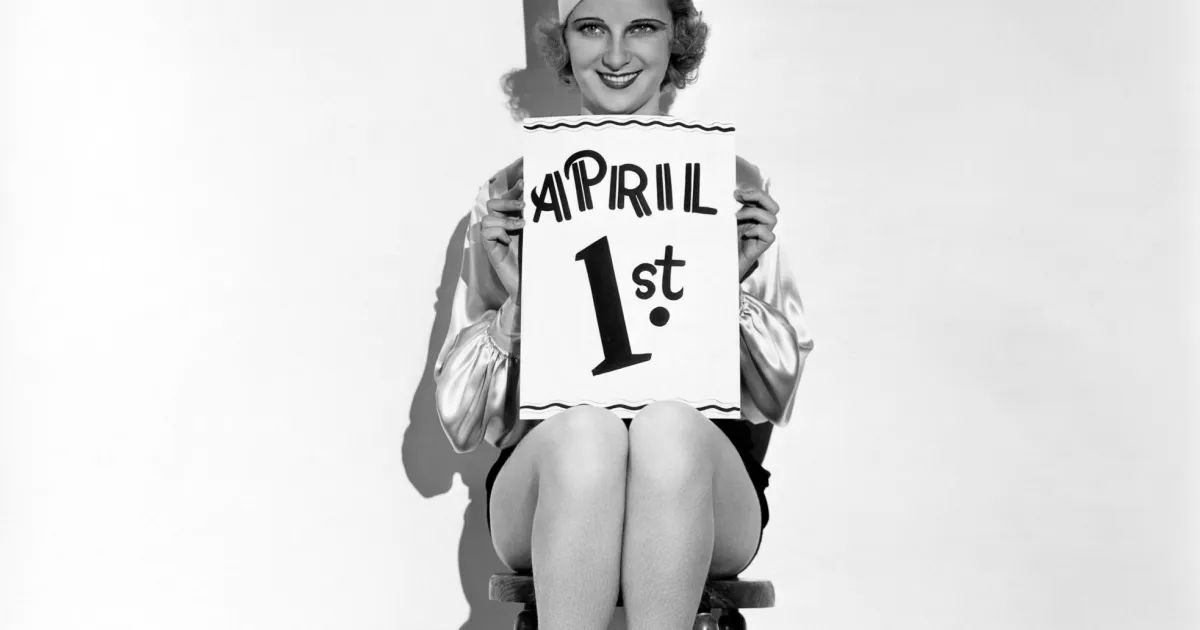
Tomorrow, April Fools' Day, will be celebrated in the United States with a particular brand of lighthearted mischief that doesn't quite find a direct parallel in most of Europe. While Europeans might have their own festivals or historical days of jest, the widespread, almost institutionalized nature of April Fools' pranks in the US is unique. This isn't about elaborate, year-long conspiracies or deeply ingrained folk traditions. Instead, it's a day where everyone, from media outlets to office colleagues to friends and family, engages in playful deception. The goal is amusement, a brief, enjoyable disruption of the ordinary. Think of it as a national exhale, a collective agreement to suspend disbelief for a few hours and enjoy a good-natured laugh. This contrasts sharply with many European traditions, where mid-year celebrations often hold deeper historical or religious significance, or where humor, if present, is often more satirical or ingrained in specific regional festivals.
The American Prankster's Toolkit: Beyond Europe's Palate
The types of pranks that characterize April Fools' Day in the USA often have a distinctly American flavor, diverging from what Europeans might typically consider a jest. While a European might appreciate a clever pun or a subtle piece of satire, the American approach can lean towards more overt, often physical, and sometimes comically absurd scenarios. Consider the classic " Saran Wrap on the toilet bowl" prank, a staple of American households, or the "rubber band around the sink sprayer" trick. These are simple, immediate, and designed for a quick burst of surprised laughter. On a larger scale, American media, particularly news channels and websites, have a long history of crafting elaborate, albeit clearly fake, news stories – from reports of sentient squirrels preparing for world domination to the sensational announcement of a new, bizarre fast-food menu item. These elaborate hoaxes, while sometimes met with initial skepticism, are generally understood by the public as part of the day's playful contract. European media, while not entirely devoid of playful content, generally approaches such public announcements with a more reserved and factual tone, making the American brand of widespread, media-driven fakery a curious cultural distinction.
The "Whoopee Cushion" and the American Rite of Passage
The humble whoopee cushion stands as a quintessential symbol of American April Fools' Day pranks, a testament to a particular brand of humor that resonates deeply within the US. This seemingly simple inflatable device, designed to emit a rude noise when sat upon, represents a rite of passage for many American children and a source of enduring amusement for adults. Its widespread adoption and continued popularity on April Fools' Day highlight a cultural comfort with bodily humor and a willingness to engage in playful, albeit juvenile, silliness. While humor is universal, the specific embrace of this particular brand of jest as a national holiday tradition sets it apart. European humor, while rich and varied, might lean more towards wit, irony, or social commentary. The unadulterated silliness embodied by the whoopee cushion finds a particularly fertile ground in the American April Fools' Day landscape, where the aim is often simply to elicit an immediate, uninhibited guffaw.
"The Long Form" Hoax: A Beloved American Tradition
Beyond the quick gags and physical pranks, April Fools' Day in the USA has also fostered a tradition of "long-form" hoaxes, particularly in the realm of technology and media. These are not mere one-liners but carefully constructed narratives designed to be believed, at least for a short while, by a significant audience. A classic example is the annual tradition of major tech companies releasing fake product announcements. Google has been a prolific participant, with past jokes including "Gmail Motion," allowing users to control their inbox with gestures, or "Google Maps for Pigeons," a navigation system for avian commuters. These elaborate, often technologically sophisticated, fabrications showcase American ingenuity and a shared understanding of playful deception. While some European companies might engage in lighthearted marketing campaigns, the dedicated, annual unveiling of plausible-yet-absurd technological advancements as an April Fools' gag is a distinctly American phenomenon, a testament to the nation's creative and often eccentric spirit.
From City Squares to Digital Domains: The Evolving American Prank
The American April Fools' Day prank has evolved significantly, mirroring the nation's technological advancements. While physical pranks in homes and schools remain a cornerstone, the digital realm has become a vast playground for American humor. Social media platforms are flooded with fabricated news stories, doctored images, and elaborate online challenges, all designed to fool unsuspecting users. This shift reflects a broader trend in American culture, where digital platforms are integral to communication and entertainment. Unlike in many European countries where April Fools' Day might be observed more quietly, the US embraces the digital prank with gusto, creating a vast, interconnected web of playful deception. This evolution showcases the adaptability of American humor and its ability to leverage new technologies for maximum comedic effect, creating a uniquely modern manifestation of this age-old tradition.
The "No Harm, No Foul" Ethos: The Underlying Philosophy of American Pranks
At the heart of the American April Fools' Day prank lies a fundamental ethos: "no harm, no foul." The intent is never to genuinely distress, deceive for malicious purposes, or cause lasting damage. The goal is always to elicit a laugh, to create a moment of shared amusement, and to remind oneself and others not to take life too seriously. This underlying philosophy is crucial to understanding why these pranks, even the more elaborate ones, are generally well-received. Europeans might have a different cultural lens through which they view deception and humor, perhaps with a greater emphasis on wit and subtlety. However, the American tradition, at its best, is characterized by its good intentions. The reveal of the prank is as important as the prank itself, a moment of camaraderie where the "victim" can join in the laughter, solidifying the bonds of friendship and shared experience. This commitment to harmless fun is what allows the tradition to persist and thrive year after year.
Journey Highlights
- Contrast April Fools' Day traditions in the USA vs. Europe. - Explore overlooked neighborhoods and architectural gems in NYC. - Discover authentic, non-touristy dining experiences. - Learn practical tips for navigating NYC like a local. - Uncover hidden entrances and viewpoints.
Local Secrets & Insider Tips
As a lifelong New Yorker, I've seen this city change, and the best advice is always to look past the obvious. Forget the hour-long waits for a selfie; the real magic is in the quiet moments. This city thrives on its secrets, and on April Fools' Day, New Yorkers have a particularly mischievous streak. While many tourists flock to the obvious, we locals know the real fun is in the subtle, the unexpected, and often, the downright hilarious pranks that make our city so unique. You won't find these in any guidebook, and frankly, Europe would probably sue us if they knew.
**The High Line: Beyond the Tourist Trail**
Most people enter The High Line at the popular Gansevoort Street access point, leading to a sea of humanity. To truly experience this elevated oasis, venture further north.
Optimal Entry Points for Solitude: Instead of Gansevoort, try the entrance at 14th Street or even 23rd Street. For the absolute quietest experience, aim for a weekday morning around 8:00 AM. You'll often find yourself with long stretches of the elevated park almost entirely to yourself, allowing you to truly appreciate the landscaping and city views. Hidden Staircases and Secret Access: Look for the hidden staircases tucked between buildings on 10th Avenue. These offer a less obvious way up, bypassing the main queues and depositing you directly onto less crowded sections of the park. Keep your eyes peeled for unassuming doorways or narrow passageways – that's your cue. Insider Viewpoints: Don't just stick to the main path. Seek out the "Seating Steps" at 15th Street, a beautiful amphitheater-like area that offers great people-watching and often has empty seats. Also, look for the "Gansevoort Woodlands" section further south – it’s a more densely planted area offering a different, more intimate perspective. Local Bites Nearby: After your peaceful stroll, grab a quick, authentic bite. Skip the overpriced cafes on the High Line itself. Instead, duck into Buddakan (West 16th Street) for a pre-fixe lunch deal that feels luxurious but won't break the bank, or grab a classic New York hot dog from a street vendor just outside the 23rd Street entrance.
**Central Park: Uncovering its Serene Soul**
Central Park is vast, and while Bethesda Terrace is iconic, it's also perpetually swamped. Discover its hidden pockets for a more profound experience.
The Conservatory Garden: A Floral Escape: Skip Bethesda Terrace during peak hours. Instead, head to the Conservatory Garden on the east side (around 105th Street). It's meticulously designed with three distinct formal gardens (French, Italian, and English) and is far more serene. For the ultimate tranquility, visit before 9:00 AM on a Saturday. The morning light filtering through the trees is magical. The 'Balto' Statue: A Canine Chronicle: For a truly unique and less crowded encounter, find the 'Balto' statue in the East Meadow (around 67th Street). It's far less mobbed than other statues and has a captivating story of heroism that resonates with many. Hidden Lakes and Quiet Trails: Beyond the main drives, explore the Ramble, a densely wooded area with winding paths and hidden brooks. It feels like a true wilderness escape within the city. Look for the "Obelisk" near the Metropolitan Museum of Art – a surprisingly peaceful spot for contemplation. Local Delicacies to Savor: Pack a picnic! Grab a delicious bagel with schmear and lox from Ess-a-Bagel (3rd Ave & 32nd St) or a gourmet sandwich from Zabar's (Broadway & 80th St) and find a secluded bench near the Jacqueline Kennedy Onassis Reservoir for unparalleled city views.
**Culinary Secrets: Beyond Little Italy's Tourist Traps**
Everyone raves about the tourist spots in Little Italy, but for genuine, old-school Italian, you need to delve deeper.
Umberto's Clam House: A Legendary Bite: Yes, it's the one from the old stories, and it's still legit! Umberto's Clam House (Mulberry Street) offers a taste of history and fantastic seafood. Ask for a table in the back for a more intimate setting. Try their linguine with clam sauce, a true classic. Pizzeria Olio e Piu: Greenwich Village Gem: For fantastic Neapolitan pizza away from the main crowds, seek out Pizzeria Olio e Piu in Greenwich Village. Their wood-fired pies are authentic and delicious. Don't miss their Margherita D.O.P. or the Diavola for a bit of spice. The Deli Delights of the Outer Boroughs: Don't be afraid to walk into a small deli in Queens or the Bronx. You'll often find the best, most authentic sandwiches and coffee. Look for places with long lines of locals – that's your indicator of quality. Try a classic "chopped cheese" in the Bronx or a perfectly prepared Cuban sandwich in Queens. Insider Drink Recommendation: Skip the fancy cocktail bars and try a "Black and Tan" at a classic Irish pub in Hell's Kitchen or a "pickleback" at a dive bar in the East Village. These are local rituals.
**Logistical Mastery: Navigating the Concrete Jungle Like a Pro**
The biggest tripping point for visitors is the subway. Don't just follow the crowds; understand the system.
Subway Smarts: Uptown vs. Downtown: This is fundamental. Always check the signs for the direction of travel. "Uptown" generally heads north towards Harlem and the Bronx, while "Downtown" heads south towards Lower Manhattan and Brooklyn. Brooklyn-Bound Clarification: If your destination is in Brooklyn, the signs will specify. Look for the borough name. If you're unsure, ask a transit worker or look at the signs carefully. They are your best friends. Weekend Service Changes: Always check the MTA website or app for weekend service changes. They can significantly alter routes and schedules. Express vs. Local: Understand the difference between express (fewer stops) and local trains. If you have time, local trains can offer a more scenic, stop-by-stop view of neighborhoods. The Staten Island Ferry: A Free Skyline Spectacle: For a stunning, cheap view of the Manhattan skyline, take the Staten Island Ferry. It's free! Depart from Whitehall Terminal around sunset on a weekday for fewer people and the ethereal golden hour light. It’s the ultimate insider move for a truly breathtaking perspective. Walking is Key: New York is a walking city. Wear comfortable shoes! Many of the best discoveries are made on foot between subway stops. Pro-Tip for April Fools' Day: On April Fools' Day, be extra observant! Look for subtle, humorous displays in shop windows, street art, or even spontaneous public performances. New Yorkers love to play with perception, and you might just stumble upon a hilarious prank in action. Be ready to laugh!
**Safety and Etiquette: Respecting the City and its People**
New York is generally safe, but being aware is crucial.
Situational Awareness: Always be aware of your surroundings, especially on crowded subways and in tourist hotspots. Keep your valuables secure and out of sight. Respect Personal Space: While New Yorkers can seem brusque, we value personal space. Avoid blocking pathways, especially on escalators and sidewalks. Let people pass. Subway Etiquette: Stand to the Right on Escalators: This is a sacred rule. The left side is for walking. Let Passengers Off First: Before you board, allow those exiting the train to do so completely. Don't Block Doors: Step aside once you've disembarked. Keep the Noise Down: Loud phone conversations or music are generally frowned upon. Asking for Directions: New Yorkers are often happy to help if you ask politely. A simple "Excuse me, can you help me with directions?" goes a long way. Avoid stopping people abruptly or engaging them in long conversations if they look busy. Tipping Culture: Tipping is customary for most service industries – restaurants, bars, taxis, hotel staff, etc. Around 18-20% is standard in restaurants.
By embracing these insider tips, you'll unlock a deeper, more authentic New York experience, and you might even witness a prank or two that will have you chuckling all the way back to your hotel – a true testament to the city's unique spirit.
Common Questions
Frequently Asked Questions
Q: How do April Fools' Day pranks in NYC differ from those commonly found in Europe, and what makes them unique to the American experience?
A: American April Fools' Day celebrations, particularly in vibrant cities like New York, often lean towards elaborate and widespread pranks. This can include creating fictional news stories that gain traction online, orchestrating complex practical jokes on friends, family, or even colleagues, and engaging in a general spirit of playful deception throughout the day. This broad, often theatrical, approach to the holiday is frequently contrasted with European traditions, which can be more localized, subtle, or focused on smaller, personal gags. While the exact nature of pranks varies culturally, the American emphasis on a more overt and widely participated-in tradition is a key differentiator that might surprise European visitors.
Q: Can you suggest a lesser-known New York City location that evokes the charm and intimacy of a European secret garden?
A: For an escape that feels like a whispered European secret, consider the Elizabeth Street Garden located in Nolita. This community-run haven is a truly enchanting space, bursting with vibrant flora, whimsical sculptures, and a peaceful ambiance that belies its bustling urban surroundings. It offers a surprising pocket of tranquility, reminiscent of hidden courtyards found in historic European cities, providing a unique and unexpected urban retreat.
Q: Beyond the well-known establishments, what are some recommended non-touristy restaurants in NYC that offer truly authentic Italian cuisine?
A: To experience authentic Italian flavors without the tourist crowds, consider two excellent options. Rubirosa Ristorante in Nolita is renowned for its distinctive "tie-dye" pizza, alongside a menu of expertly prepared classic Italian dishes. For a more traditional neighborhood trattoria experience, venture to Emilia's in Middle Village, Queens, where you'll find genuine Italian hospitality and homestyle cooking. Both establishments offer a genuine taste of Italy within the diverse culinary landscape of New York City.
Q: What are the most effective strategies for visiting popular New York City attractions on a weekend while minimizing exposure to large crowds?
A: To navigate popular NYC attractions on a weekend with greater ease, strategic timing is key. For major landmarks such as the Statue of Liberty, Ellis Island, or the 9/11 Memorial & Museum, visiting very early in the morning, ideally at their scheduled opening time, will allow you to experience them with significantly fewer people. Alternatively, consider planning your visits for a weekday. If a weekend is your only option, aim for mid-morning or late afternoon on Saturdays or Sundays, as these times often see a dip in peak tourist congestion compared to the midday rush.