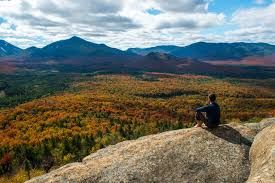
Is NYC's mountain travel truly affordable? Get the raw, unfiltered budget breakdown after a year living there. Shocking numbers revealed!
From Concrete Jungle to Mountain Majesty: The New York, NY (Mountain) Experience
Embarking on a journey from the iconic New York, NY, to what locals affectionately call "New York, NY (Mountain)" is a tale of two worlds. While the former is synonymous with skyscrapers, bustling streets, and a relentless pace, the latter offers a surprising escape into nature, often within a surprisingly accessible distance. This transformation from urban sprawl to serene peaks is a unique facet of the New York experience, often overlooked by the casual tourist.
The "mountain" aspect of New York, NY (Mountain) refers to areas within or near the state that possess significant elevation and natural beauty, distinct from the urban landscape. Think rolling hills, dense forests, and crisp mountain air. The transition is not just geographical but also psychological, offering a much-needed respite and a different perspective on the Empire State.
A Star's Echo: James Tolkan's Lasting Impression
While the grandeur of the mountains themselves is undeniable, the human stories woven into these landscapes add another layer of richness. For many, the name James Tolkan immediately conjures images of stern authority figures, most notably the formidable Principal Strickland in the "Back to the Future" trilogy. Tolkan, a veteran actor with a career spanning decades, has left an indelible mark on popular culture. It is with profound sadness that we acknowledge the passing of James Tolkan yesterday. His presence, both on screen and, for those fortunate enough to know him or his work, in spirit, resonated deeply. Though his primary fame originated from Hollywood's silver screen, Tolkan, like many artists, sought solace and inspiration in quieter, more natural settings. While specific details of his personal retreats are not widely publicized, it is not uncommon for individuals who have lived under the intense spotlight of fame to find rejuvenation in the tranquility of nature. One can easily imagine Tolkan, perhaps after a particularly demanding filming schedule, finding peace amidst the rolling hills and majestic vistas that characterize the "New York, NY (Mountain)" region. His dedication to his craft mirrored the enduring strength of these natural formations, a testament to a life lived with passion and purpose.
The Unfolding Panorama: Defining "New York, NY (Mountain)"
The term "New York, NY (Mountain)" is a charming, if somewhat informal, designation. It doesn't refer to a single, monolithic mountain range in the same vein as the Rockies or the Sierras. Instead, it encompasses a constellation of elevated regions and mountainous terrains scattered across New York State, often within a few hours' drive from the bustling metropolis. These areas boast a surprising diversity of topography, from the gentle slopes of the Catskills and the Adirondacks, often referred to as the "mountains" of New York, to the more rugged beauty of the Taconic Range along the Massachusetts border.
Geologically, these areas are remnants of ancient mountain-building events, shaped and refined by millennia of glacial activity and erosion. The result is a landscape characterized by:
Significant Elevation: While not alpine in the strictest sense, peaks can reach respectable heights, offering breathtaking panoramic views. Dense Forests: Vast expanses of deciduous and coniferous trees create a verdant tapestry, particularly vibrant in the autumn months. Crystal-Clear Lakes and Rivers: Fed by mountain springs, these waterways offer opportunities for recreation and contribute to the serene ambiance. Dramatic Valleys and Gorges: Carved by water over eons, these features add a sense of depth and grandeur to the terrain.
The accessibility of these "mountains" from New York City is a key factor in their appeal. Major parkways and highways provide relatively straightforward routes, making weekend escapes feasible for city dwellers yearning for a breath of fresh air and a break from the urban grind.
Is It REALLY Cheap? A Financial Breakdown of the Mountain Escape
The question of whether "New York, NY (Mountain)" is truly cheap is complex and depends heavily on individual expectations and travel styles. While it's unlikely to rival the budget-friendliness of some remote international destinations, compared to the exorbitant costs associated with vacationing within New York City itself, there are significant savings to be found.
Let's break down the potential costs:
Accommodation: This is where the biggest savings can be realized. Unlike the premium prices for hotels in Manhattan, options in mountain towns and villages range from: Budget-Friendly Motels and Inns: Often family-owned, offering clean and comfortable stays at reasonable rates. Airbnb and Vacation Rentals: A plethora of cabins, cottages, and apartments can be rented, especially beneficial for groups or longer stays. Prices fluctuate with seasonality. Campgrounds: For the truly budget-conscious, camping offers an immersive nature experience at a fraction of the cost of indoor lodging. Boutique Hotels and Resorts: While these exist and can be pricey, they are generally less expensive than their city counterparts.
Transportation: Driving: The most common and often most cost-effective way to reach these areas, especially with multiple passengers. Factor in gas, tolls, and potential parking fees. Public Transportation: While less extensive than in the city, some bus routes and limited train lines connect major hubs to mountain towns. This can be a cheaper option if you don't own a car, but may limit your exploration within the mountain region.
Food: Grocery Stores and Local Markets: Stocking up on provisions for picnics and home-cooked meals in rental properties can significantly reduce dining expenses. Diners and Casual Restaurants: Many mountain towns boast charming, unpretentious eateries offering hearty meals at more affordable prices than a typical New York City bistro. Fine Dining: While available, these establishments are generally less numerous and less expensive than high-end restaurants in the city.
Activities: Hiking and Nature Exploration: Largely free! The primary draw of these areas often comes with no admission fee. State Parks: Many offer low entrance fees for day use, or are free to enter. Museums and Local Attractions: Typically less expensive than major city institutions. Adventure Sports: Activities like skiing, zip-lining, or whitewater rafting will, of course, incur costs, but often less than comparable activities in more tourist-saturated regions.
Conclusion on Cost: For a comparable experience of natural beauty and outdoor activities, a trip to "New York, NY (Mountain)" will almost certainly be cheaper than a city break in New York, NY. The key to maximizing savings lies in planning, embracing local eateries, and prioritizing free or low-cost activities.
Beyond the Peaks: Activities and Adventures in New York's Mountain Regions
The allure of "New York, NY (Mountain)" extends far beyond its scenic vistas. These regions are vibrant hubs of activity, offering a diverse range of experiences to suit every interest and energy level. Whether you're an adrenaline junkie, a nature enthusiast, a history buff, or simply seeking relaxation, you'll find something to captivate you.
Here's a glimpse into the wealth of activities available:
Hiking and Trekking: Varying Difficulty Levels: From gentle strolls along lake shores to challenging ascents of formidable peaks, trails abound for all fitness levels. Iconic Trails: Explore sections of the Appalachian Trail, hike to stunning waterfalls like Kaaterskill Falls, or conquer peaks in the Adirondack Park for unparalleled views. Seasonal Beauty: Experience the vibrant greens of spring and summer, the fiery hues of autumn, and the serene, snow-dusted landscapes of winter.
Water Sports: Kayaking and Canoeing: Glide across the glassy surfaces of pristine lakes like Lake George or explore the winding rivers. Fishing: Cast a line for trout, bass, or other freshwater species in numerous rivers, streams, and lakes. Swimming: Many lakes and designated river spots offer refreshing opportunities to cool off during warmer months. Whitewater Rafting: For the thrill-seekers, sections of rivers like the Sacandaga or the Black River offer exhilarating whitewater adventures.
Winter Sports: Skiing and Snowboarding: Several excellent ski resorts are scattered throughout the Catskills and Adirondacks, offering varied terrain for all skill levels. Snowshoeing and Cross-Country Skiing: Explore the winter wonderland on marked trails, enjoying the quiet beauty of the snow-covered forests. Ice Skating and Hockey: Natural frozen ponds and outdoor rinks provide classic winter fun.
Cultural and Historical Exploration: Charming Mountain Towns: Wander through quaint villages like Woodstock, Phoenicia, or Lake Placid, browsing unique shops, art galleries, and local craft stores. Historic Sites: Discover remnants of the region's past, from early colonial settlements to sites associated with the arts and crafts movement. Local Museums: Learn about the natural history, indigenous cultures, and industrial heritage of the mountain regions. Farm Stands and Farmers Markets: Sample local produce, artisanal cheeses, and homemade goods, immersing yourself in the agricultural heart of the region.
Relaxation and Wellness: Scenic Drives: Take a leisurely drive along winding country roads, stopping at overlooks for breathtaking views. Spa Treatments: Many resorts and inns offer spa services, allowing you to unwind and rejuvenate amidst serene surroundings. Stargazing: Away from city light pollution, the night sky in these regions is often spectacular, offering a chance to marvel at the constellations.
The Culinary Landscape: Taste of the Mountains
The culinary scene in "New York, NY (Mountain)" is a delightful departure from the often-overpriced and overly trendy offerings of New York City. Here, the focus is on hearty, wholesome, and locally sourced ingredients, reflecting the agricultural bounty and the spirit of the region. You'll find a charming mix of rustic diners, family-run bistros, and farm-to-table establishments that celebrate the flavors of the Empire State.
Expect to encounter:
Comfort Food Classics: Think generous portions of pancakes and omelets at breakfast spots, hearty sandwiches and soups for lunch, and satisfying dinners featuring roasted meats, savory stews, and seasonal vegetables. Fresh, Local Produce: During the warmer months, farm stands are abundant, offering everything from sweet corn and ripe tomatoes to juicy berries and crisp apples. Many restaurants proudly feature these seasonal ingredients on their menus. Artisanal Cheeses and Dairy Products: The dairy farms of New York State produce some excellent cheeses, and you'll often find them featured in local restaurants or available for purchase at markets. Maple Syrup Delights: New York is a significant producer of maple syrup, and you'll find this liquid gold used in a variety of dishes, from pancakes and waffles to glazes and desserts. Craft Beverages: The craft beer and wine scene is growing in New York State, and you'll discover local breweries and wineries offering tastings and delicious beverages to complement your meals. Diner Culture: The classic American diner is alive and well in these mountain towns. These unpretentious establishments are perfect for a quick, affordable, and satisfying meal, often serving up comfort food with a smile.
Dining in "New York, NY (Mountain)" is an experience that prioritizes flavor, freshness, and a genuine connection to the land. It's about enjoying good food in a relaxed atmosphere, often with stunning natural scenery as your backdrop.
The "Other" New York: Beyond the Tourist Trail
"New York, NY (Mountain)" offers a refreshing counterpoint to the well-trodden tourist paths of New York City. While Times Square and Central Park undoubtedly hold their allure, these elevated regions provide an opportunity to experience a different, often more authentic, side of New York State.
For the discerning traveler seeking to escape the crowds and immerse themselves in natural beauty and local culture, these mountain areas are a treasure trove. They offer:
A Slower Pace of Life: The tranquil atmosphere allows for genuine relaxation and reflection, a stark contrast to the frenetic energy of the city. Unspoiled Natural Beauty: Vast forests, pristine lakes, and majestic peaks provide a breathtaking backdrop for outdoor adventures and quiet contemplation. Genuine Local Charm: Mountain towns and villages often retain a strong sense of community, with friendly locals eager to share their corner of the world. Affordable Escapes: As previously discussed, these regions generally offer a more budget-friendly travel experience compared to New York City. Opportunities for Deeper Connection: Whether it's through hiking a challenging trail, enjoying a meal at a family-owned restaurant, or simply watching the sunset over the mountains, these experiences foster a deeper connection to nature and the local way of life.
By venturing beyond the immediate vicinity of the city, travelers can uncover a richer, more diverse, and often more affordable New York experience, one that embraces the majesty of its mountains and the warmth of its communities.
Planning Your Mountain Escape: Practical Tips for a Seamless Journey
To truly make the most of your "New York, NY (Mountain)" adventure, a bit of strategic planning goes a long way. While spontaneity has its charms, especially in a place that encourages it, having a few key elements in place will ensure a smoother and more enjoyable experience.
Here are some essential tips for planning your trip:
Timing is Key: Fall Foliage: Late September to mid-October is peak season for the stunning autumn colors, but it's also the busiest and most expensive time. Book accommodation well in advance. Summer: Pleasant temperatures make it ideal for hiking and water activities, but expect crowds at popular spots. Spring: Can be beautiful with blooming wildflowers, but some higher elevation trails might still have snow. Winter: Perfect for skiing and snowboarding, but be prepared for cold weather and potential road closures.
Transportation Considerations: Car is King: For maximum flexibility and access to trailheads and remote areas, a car is highly recommended. Consider renting one if you're arriving by public transport. Public Transport Options: Research bus routes or train lines if you're committed to not driving. Be aware of limited schedules and potential transfers. Navigation Apps: Download offline maps, as cell service can be spotty in mountainous regions.
Accommodation Choices: Book Early: Especially during peak seasons, popular hotels, cabins, and campsites fill up quickly. Consider Location: Decide if you want to be in the heart of a charming town or more secluded in nature. Amenities: Check for Wi-Fi, kitchen facilities (if you plan to cook), and pet-friendly options if needed.
Packing Essentials: Layered Clothing: Mountain weather can change rapidly. Pack layers that can be added or removed as needed. Comfortable Footwear: Essential for hiking and exploring. Bring sturdy, broken-in hiking boots. Rain Gear: A waterproof jacket and pants are a must, regardless of the forecast. Sun Protection: Sunscreen, hat, and sunglasses are important, even on cloudy days. Insect Repellent: Especially during warmer months. Reusable Water Bottle: Stay hydrated and reduce plastic waste. First-Aid Kit: For minor scrapes and bruises.
Activity Planning: Research Trails: Consult trail maps and read reviews to find hikes that match your fitness level and interests. Check Park Websites: For information on trail conditions, closures, and any required permits or fees. Book Tours in Advance: If you plan on guided activities like whitewater rafting or ski lessons, book ahead of time.
Embrace Local Culture: Support Local Businesses: Dine at local restaurants, shop at independent stores, and patronize artisans. Be Respectful of Nature: Follow Leave No Trace principles to preserve the beauty of the environment for future visitors.
By keeping these tips in mind, you can transform your "New York, NY (Mountain)" getaway from a good trip into an unforgettable adventure.
Journey Highlights
- Getting from New York, NY to New York, NY (Mountain): Options include driving, bus, or train, with driving offering the most flexibility. - Accommodation: From rustic cabins to boutique hotels, options vary based on the specific mountainous region. - Activities: Hiking, scenic drives, exploring local craft shops, and enjoying the tranquility. - Local Culture: Understanding the unique blend of urban sensibilities and rural charm.
Local Secrets & Insider Tips
As a seasoned local who's navigated both the concrete canyons and the leafy peaks of New York, let me give you the real scoop on getting the most out of your trip to the "New York, NY (Mountain)." Forget the inflated city prices; the real magic – and affordability – lies upstate. But like any treasure hunt, knowing where to dig is key.
Beating the Crowds: Your Secret Weapon Against the Masses
The allure of NYC's mountains is undeniable, drawing everyone from weekend warriors to dedicated hikers. To truly experience their tranquility and capture those postcard-perfect shots without a sea of selfie sticks, strategic timing is paramount.
The Golden Hours for Solitude: For popular trailheads and scenic overlooks in the Catskills and Adirondacks, aim for arrival between 7:00 AM and 8:00 AM on weekdays. This is your prime window to enjoy the majesty before the influx of tour buses and city dwellers. Weekends? Rise and Shine Early: If a weekend escape is your only option, push your wake-up call even earlier. By 6:00 AM on Saturdays and Sundays, you’ll have a much better chance of finding parking and enjoying a peaceful ascent. Specific Hotspots & When to Avoid Them: Hunter Mountain: Avoid weekday afternoons (1 PM - 4 PM) and all weekend hours if possible. The summit road and popular ski resort areas become congested. Kaaterskill Falls: This iconic spot is an absolute magnet. To witness its power without the crowds, weekday mornings before 8:00 AM are non-negotiable. Evenings, just before sunset (weather permitting), can offer a slightly less crowded but still potentially busy experience. Adirondack High Peaks Trailheads (e.g., Garden Trailhead for Cascade and Porter): These are notoriously packed. Aim for pre-dawn on weekdays. If you can't make it that early, consider the late afternoon, but be mindful of daylight hours for your descent. Weekday Mid-Afternoon Strategy: Conversely, if your schedule is flexible, the 1:00 PM - 3:00 PM window on weekdays can sometimes offer a lull before the after-work crowd or early evening visitors arrive.
Hidden Gems & Viewpoints: Beyond the Guidebook's Beaten Path
The true soul of New York's mountains lies in its lesser-known corners. Ditch the main tourist hubs and embrace the spirit of exploration for authentic experiences and breathtaking vistas.
Overlook Mountain Trail (Catskills): As mentioned, this is a fantastic alternative to more crowded trails. The challenging ascent is rewarded not only by panoramic views of Woodstock and the surrounding valleys but also by the hauntingly beautiful ruins of the historic Overlook Mountain House. Start early to fully appreciate the atmosphere. Local Conservation Areas & Nature Preserves: Ferncliff Peninsula (Catskills): Managed by the Open Space Institute, this lesser-known gem offers serene trails and stunning views of the Hudson River. Balsam Lake Mountain Fire Tower (Catskills): While popular, it’s less frequented than some of its southern counterparts. The climb is moderate, and the 360-degree views from the tower are unparalleled. Ampersand Mountain (Adirondacks): A challenging but rewarding hike with incredible views of the Saranac Lake Chain. The trailhead is often less crowded than some of the more "famous" High Peaks approaches. Scenic Drive Secrets: Catskill Scenic Byway (Route 28): Explore offshoots and pull-offs not immediately visible from the main road. Look for small signs indicating local parks or historical markers. Adirondack Trail (Route 30): Similar to the Catskills, venture onto smaller county roads that branch off this main artery. You'll discover tranquil lakes and rolling hills often overlooked by those sticking to the main route. Insider Tip: Historical Societies are Your Map: Many small towns boast active historical societies. Visit their offices (check their hours!) for hand-drawn maps of local historical sites and lesser-known scenic drives. These often lead to hidden overlooks and quiet picnic spots.
Culinary Delights (Beyond the Tourist Traps): Savoring Local Flavors Without Breaking the Bank
The mountain towns of New York offer a surprisingly diverse culinary scene. To eat like a local and keep your wallet happy, bypass the glitzy restaurants and seek out genuine, unpretentious eateries.
Catskill Classics: Phoenicia Diner (Phoenicia): You're right to highlight the "Catskill Reuben." It's a generous, flavorful masterpiece piled high with local corned beef, sauerkraut, and melted Swiss on perfectly grilled rye. Their "Lumberjack Breakfast" is also legendary for a hearty start. Arrive before 9 AM on weekends to beat the brunch rush. Bread Alone Bakery (Woodstock & Boiceville): A fantastic spot for fresh-baked bread, pastries, and delicious sandwiches. Grab a "Wild Mushroom & Goat Cheese Tartine" for a light and flavorful lunch. Woodstock Brewing (Phoenicia): While a brewery, they offer elevated pub fare. Try their "Local Burger" featuring regional beef and toppings. Their craft beers are also a delightful (and often more affordable) alternative to pricier cocktails. Adirondack Eats: Adirondack Poutine (Various Local Pubs in Lake Placid & Saranac Lake): You've hit the nail on the head. Seek out pubs like the Great Adirondack Steak & Fish Fry in Lake Placid for their authentic, hearty poutine, often featuring local cheese curds and rich gravy. Big Moose Junior's (Old Forge): If you find yourself in the Fulton Chain Lakes region, this is a no-frills institution famous for its "Garbage Plate" – a hearty concoction of various meats, home fries, and mac salad. It's an acquired taste but a true Adirondack experience. The Hage (Saranac Lake): A beloved local diner with fantastic breakfast and lunch options. Their "Adirondack Stack" (pancakes with local berries) is a great way to fuel up. Local Drink Recommendations: Catskill Brewery (Livingston Manor): Sample their rotating selection of craft beers, often featuring locally sourced ingredients. Hudson Valley Cider Company (Various locations): Look for locally produced ciders, a refreshing and authentic taste of the region. Maple Syrup Everything: Keep an eye out for dishes and drinks infused with local maple syrup – a true New York delicacy.
Navigating the Nuances: Pro-Tips for a Seamless Mountain Expedition
Successfully navigating the New York mountains requires a bit more planning than a city stroll. These logistical and safety tips will ensure your adventure is both enjoyable and stress-free.
Fueling Up is Crucial: Gas Station Scarcity: As you venture deeper into the Catskills and Adirondacks, gas stations become increasingly sparse. Always fill up your tank in larger towns like Kingston, Woodstock, or Saranac Lake before heading into more remote areas. Don't let a beautiful vista be your last stop before an empty tank. Connectivity is a Luxury: Download Offline Maps: Cell service is notoriously unreliable, especially in valleys and on higher elevations. Download offline maps on your smartphone (Google Maps, Maps.me) before you leave Wi-Fi. This is non-negotiable for navigation and safety. Inform Someone of Your Plans: Let a friend or family member know your intended route, estimated return time, and the general area you'll be exploring. Weather: The Mountain's Mood Swings: Pack Layers, Always: Mountain weather is notoriously fickle. Even on a warm summer day, temperatures can drop significantly with elevation gain or a sudden shift in the wind. Pack moisture-wicking base layers, an insulating mid-layer (fleece or down), and a waterproof/windproof outer shell. Check Forecasts Religiously: Use multiple reputable weather apps, and pay close attention to forecasts for specific mountain peaks, not just the nearest town. Safety First, Always: Bear Safety: You are in bear country. Store food properly, never feed wildlife, and make noise while hiking to avoid surprising them. Carry bear spray if you're particularly concerned, and know how to use it. Water Purification: If you plan to drink from natural water sources, always carry a water filter or purification tablets. Giardia and other contaminants are a real risk. Know Your Limits: Stick to trails that match your fitness level. Overestimating your abilities can lead to exhaustion and injuries. Etiquette and Respect for the Environment: Leave No Trace: This is paramount. Pack out everything you pack in, including all trash, food scraps, and even fruit peels. Stay on marked trails to prevent erosion. Respect Wildlife: Observe animals from a distance and never approach them. Be Courteous to Fellow Hikers: Yield to uphill hikers, keep noise levels down, and be mindful of others seeking solitude. "Pack It In, Pack It Out" Applies to Everything: Even small items like wrappers and cigarette butts should be removed from the natural environment.
By embracing these insider tips, you'll unlock the true potential of New York's mountain regions, experiencing their natural beauty, rich culture, and delicious flavors – all while keeping your travel budget in check. Happy trails!
Common Questions
Frequently Asked Questions: Exploring the "Mountains" of New York State
Q: What exactly is meant by "New York, NY (Mountain)"? Is it a recognized geographical location?
A: The term "New York, NY (Mountain)" is not an official geographical designation. Instead, it's a colloquial or descriptive phrase used to refer to the mountainous and elevated regions located within New York State, distinct from New York City itself. These areas offer a distinctly different experience from the urban landscape of the five boroughs. Think of it as a shorthand for the natural, elevated terrains found upstate, such as the Catskills, Adirondacks, and parts of the Appalachian foothills.
Q: How long does it typically take to travel from New York City to these mountainous regions, and what are the primary transportation options?
A: The travel time from New York City to the mountainous regions of New York State varies significantly based on your specific destination and chosen mode of transport. For popular destinations like the Catskills or the southern Adirondacks, you can expect a drive of approximately 3 to 5 hours. Further destinations within the Adirondacks might require longer journeys.
Transportation Options:
Driving: This is the most common and flexible option. Major highways like the New York State Thruway (I-90) and various state routes provide access. Rental cars are readily available in NYC. Public Transportation: While less direct, it's feasible. You can take Amtrak trains to cities like Albany, Poughkeepsie, or Hudson, which can serve as gateways to bus services or car rentals for onward travel to mountainous areas. Greyhound and other bus lines also operate routes to many upstate towns. Ride-sharing Services: Services like Uber and Lyft can be utilized for parts of the journey, particularly from major upstate hubs.
Q: What kinds of activities and attractions can one expect to find in the mountainous areas of New York State?
A: The mountainous regions of New York State offer a diverse range of outdoor recreational opportunities and cultural experiences, catering to various interests:
Hiking and Backpacking: Extensive trail networks cater to all skill levels, from gentle strolls to challenging multi-day treks in areas like the Catskill High Peaks or the High Falls Gorge in the Adirondacks. Camping: Numerous campgrounds, from rustic sites to those with amenities, are available across state parks and private campgrounds. Scenic Drives: Enjoy breathtaking vistas and charming roadside stops along routes such as the Route 28 corridor in the Catskills or the Olympic Trail in the Adirondacks. Water Activities: Lakes and rivers offer opportunities for swimming, boating, kayaking, canoeing, and fishing, particularly in the Adirondack Park. Winter Sports: During the colder months, these regions transform into a winter wonderland with skiing, snowboarding, snowshoeing, and ice skating at various resorts and state parks. Charming Small Towns: Explore unique boutiques, art galleries, antique shops, and historic architecture in towns like Woodstock, Phoenicia, Lake Placid, and Saranac Lake. Culinary Experiences: Sample local craft beverages at numerous breweries and wineries, and enjoy farm-to-table dining featuring regional produce. Wildlife Viewing: These areas are home to a variety of wildlife, offering opportunities for birdwatching and observing animals in their natural habitats.
Q: What are the optimal times of year to visit these mountainous regions, and what seasonal highlights should I be aware of?
A: Each season in New York's mountainous regions offers a unique appeal:
Fall (September to November): This is arguably the most iconic season. The spectacular fall foliage paints the landscape in vibrant hues of red, orange, and yellow. It's ideal for hiking, scenic drives, and enjoying crisp autumn air. Expect crowds during peak foliage weekends. Summer (June to August): Pleasant and warm temperatures make this season perfect for outdoor activities such as hiking, swimming, boating, and camping. Many festivals and outdoor events take place during this time. Winter (December to February): These regions are a premier destination for winter sports enthusiasts. Expect snow for skiing, snowboarding, snowshoeing, cross-country skiing, and ice fishing. Cozy up by a fireplace in a rustic lodge. Spring (March to May): Spring brings a sense of renewal with blooming wildflowers and awakening nature. Trails begin to open up, and the weather is generally milder, though can be unpredictable. It's a less crowded time to visit.
Q: Can you recommend specific towns or areas within New York's mountainous regions that are particularly worth visiting?
A: The choice of town or area depends on your interests, but here are some highly recommended destinations, often grouped by region:
Catskills:
Woodstock: Famous for its arts and cultural scene, independent shops, and vibrant community. Phoenicia: A charming, bohemian village nestled along the Esopus Creek, popular for tubing and hiking access. Hunter: Known for Hunter Mountain ski resort and excellent hiking opportunities. Tannersville: A picturesque village offering access to hiking trails and a burgeoning culinary scene. Kingston: A historic city with a revitalized waterfront, offering a blend of history, culture, and dining.
Adirondacks:
Lake Placid: A world-renowned Olympic Village, offering stunning mountain scenery, a vibrant downtown, and a wide array of outdoor activities year-round. Saranac Lake: A more laid-back and artistic community, known for its natural beauty and accessibility to hiking and paddling. Old Forge: The "Gateway to the Adirondacks," offering access to the Fulton Chain of Lakes and numerous family-friendly activities. Indian Lake: A more remote and rugged area, ideal for those seeking solitude and extensive wilderness exploration.
Other Notable Areas:
Cooperstown: While not strictly mountainous, it's located in a hilly region and is famous for the National Baseball Hall of Fame and Museum and Otsego Lake. Hudson Valley Towns: Towns like Beacon and Cold Spring offer access to hiking in the Hudson Highlands and a burgeoning arts and culinary scene.