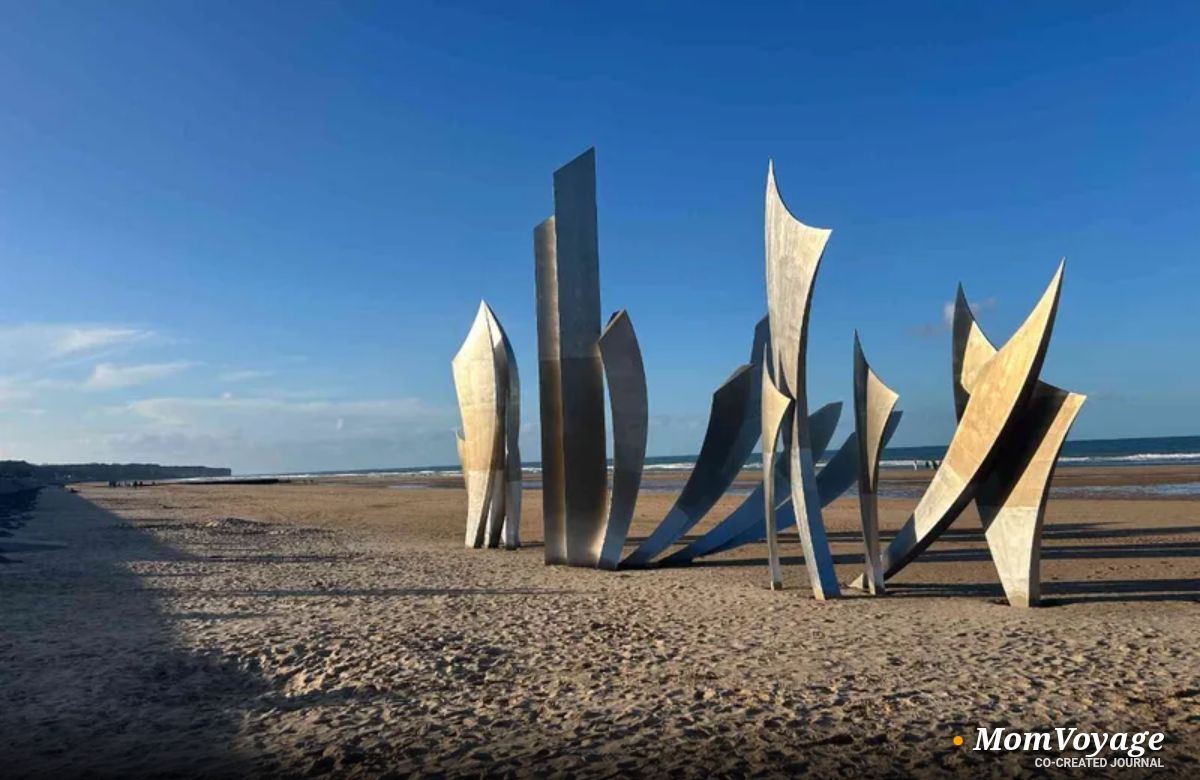
Explore Omaha's lesser-known coastal escape! Find pristine parks, serene forests, and thrilling outdoor excursions. Your ultimate guide to nature near Omaha awaits.
Omaha's Unexpected Coastal & Nature Escapes
While Omaha, Nebraska might not immediately bring to mind crashing waves and sandy shores, a closer look reveals a surprising connection to "coastal" living through its abundant waterways and the vast, beautiful natural landscapes that surround it. For the adventurous soul, Omaha serves as a gateway to a rich tapestry of outdoor experiences, from serene lakeside retreats to sprawling forests perfect for exploration. This post unveils the hidden gems and natural wonders that offer a unique brand of "coastal" tranquility and adventure, all within easy reach of the city.
The "Coastal" Illusion of Omaha
The concept of "coastal" in Omaha is not about oceans, but about its connection to significant water systems. The Missouri River, a major artery of the American heartland, flows right through the city, shaping its landscape and offering recreational opportunities. Numerous lakes, reservoirs, and smaller rivers dot the surrounding region, creating a network of water-based escapes that evoke the feeling of a coastal destination. These bodies of water aren't just picturesque; they are vibrant ecosystems teeming with life and offer a diverse range of activities for those seeking to connect with nature. From kayaking and fishing to simply enjoying the expansive vistas, Omaha's aquatic offerings provide a refreshing alternative to the traditional seaside experience.
The Mighty Missouri: Omaha's Lifeline to the Wild
The Missouri River is more than just a geographical feature; it's the lifeblood of Omaha and a significant natural playground. This powerful waterway, the longest in North America, carves its path through the heartland, and its presence near Omaha unlocks a world of outdoor adventure. For locals and visitors alike, the Missouri offers a unique perspective on the region's natural beauty. Imagine gliding along its currents in a kayak, the vast Nebraska sky stretching overhead, or casting a line from its banks in pursuit of catfish or walleye. The riverbanks themselves are often dotted with parks and trails, providing opportunities for hiking and wildlife observation.
Beyond direct recreation, the Missouri's influence extends to the surrounding ecosystems. Its floodplain forests are critical habitats for a variety of bird species, making it a prime location for birdwatching. The sheer scale of the river can evoke a sense of grandeur, reminiscent of larger coastal waterways, offering a sense of expansive freedom and natural immersion that belies Omaha's landlocked reputation. Exploring the Missouri River, whether by boat, by foot along its trails, or simply by gazing at its majestic flow, is an essential part of understanding Omaha's unique "coastal" charm.
Gateway to the Plains: Exploring the National Grasslands
Just a short drive west of Omaha lies a landscape dramatically different from its urban sprawl, yet equally captivating: the National Grasslands. These vast, undulating prairies are a testament to the enduring beauty of the Great Plains and offer an immersive experience in a unique American ecosystem. While not a forest or a coastline, the grasslands possess a profound sense of openness and natural grandeur that can be deeply restorative. For those seeking true escape, the Pawnee National Grassland, though a bit further afield, exemplifies the vastness and raw beauty that can be accessed from Omaha.
Here, the sky seems to stretch endlessly, and the wind whispers stories through the native grasses. Hiking and backpacking opportunities abound, allowing visitors to traverse rolling hills and discover hidden coutfalls. Wildlife enthusiasts will find themselves in a paradise of prairie dogs, pronghorn antelope, and a diverse array of birds adapted to this open environment. The lack of dense tree cover provides unparalleled opportunities for stargazing, with the night sky unpolluted by city lights, offering a cosmic spectacle that rivals any ocean-side aurora. Exploring the National Grasslands from Omaha is an invitation to connect with the raw, untamed spirit of the American West.
Lakeside Serenity: Nebraska's Inland Seas
While Omaha itself boasts access to the Missouri River, the surrounding Nebraska landscape is dotted with a network of stunning lakes and reservoirs that offer a quintessential "coastal" escape. These inland seas provide tranquil havens for relaxation and a multitude of water-based activities. Just a short drive from the city, you can find yourself on the shores of crystal-clear waters, perfect for a day of swimming, sunbathing, or building sandcastles reminiscent of a beach vacation.
Lake McConaughy, while a longer drive, is often referred to as Nebraska's "Cornhusker Riviera" for good reason. Its expansive size and sandy beaches offer a true sense of a lakefront vacation. Closer to Omaha, state recreation areas like Platte River State Park offer access to smaller, more intimate lakes within beautiful natural settings. Here, you can rent paddleboats, go fishing for bass and bluegill, or simply enjoy a leisurely picnic by the water's edge. The gentle lapping of waves against the shore, the vast open water, and the opportunity for a refreshing dip all contribute to Omaha's unexpected coastal charm.
Forested Retreats: Discovering Omaha's Woodland Wonders
Beyond the rivers and lakes, Omaha also serves as a launching point for exploring enchanting wooded landscapes. These forests offer a different kind of natural immersion, with dappled sunlight filtering through towering trees and the scent of pine and damp earth filling the air. For those who find solace and adventure in woodland environments, Omaha's proximity to several key nature reserves makes it an ideal base.
Platte River State Park, located just southeast of Omaha, is a prime example. This park boasts rugged bluffs, cascading waterfalls, and a network of hiking trails that wind through mature forests. It’s a place where you can truly feel immersed in nature, with opportunities for birdwatching, rock climbing, and even camping under the stars. Further afield, the DeSoto National Wildlife Refuge, while primarily a wetland habitat, also features wooded areas that provide a sanctuary for wildlife and a peaceful escape. Exploring these forested areas allows for a deeper connection with the land, offering a sense of quietude and discovery that complements the more open water experiences.
Hiking and Biking Trails: Embracing the Active Outdoors
Omaha's commitment to green spaces extends to its impressive network of hiking and biking trails, many of which are integrated with its natural waterways and surrounding parks. These trails offer active individuals the perfect way to explore the region's diverse landscapes and soak in the "coastal" vibes, whether by a babbling creek or a majestic riverbend.
The Keystone Trail, for instance, runs for miles along the Papillion Creek, offering a paved and scenic route for cyclists and walkers alike. It’s a fantastic way to experience Omaha's urban nature, connecting parks and green spaces with the gentle flow of the creek. For more challenging hikes, the trails within Mahoney State Park, a short drive from Omaha, offer elevation changes and stunning panoramic views of the Platte River valley. These trails are meticulously maintained and cater to all skill levels, from leisurely strolls to more strenuous treks. Imagine the exhilaration of a morning bike ride along a river trail, the wind in your hair, or the quiet satisfaction of reaching a scenic overlook after a rewarding hike – these are the active joys that Omaha's trail system provides.
Wildlife Watching and Birding Hotspots
The abundant waterways and diverse habitats surrounding Omaha make it a surprisingly rich destination for wildlife watching and birding. From the majestic Missouri River to the quiet wetlands and wooded areas, the region supports a remarkable array of fauna, offering opportunities for naturalists of all levels to observe and appreciate.
The DeSoto National Wildlife Refuge is a must-visit for any wildlife enthusiast. Situated on the Missouri River, this refuge is a critical stopover point for migratory birds, especially during the spring and fall. Thousands of snow geese and tundra swans can be seen during peak migration, creating an unforgettable spectacle. Beyond birds, the refuge is also home to deer, coyotes, and a variety of smaller mammals. For those interested in aquatic life, the clear waters of many of the surrounding lakes are home to diverse fish populations, and opportunities for observing turtles and amphibians are plentiful. Even within the city's urban parks, such as Fontenelle Forest, you can find a surprising amount of wildlife, from deer grazing in clearings to a vibrant chorus of songbirds.
Planning Your Omaha "Coastal" Adventure
Embarking on your Omaha-based "coastal" and nature escape is easier than you might think. The city's strategic location provides convenient access to a wide range of outdoor experiences, catering to every inclination. Start by consulting local and state park websites for the most up-to-date information on trail conditions, operating hours, and any potential permits or fees.
Consider the season when planning your trip. Spring and fall offer pleasant temperatures for hiking and excellent birdwatching opportunities. Summer is ideal for water-based activities like swimming, boating, and fishing. Even winter can hold its own charm, with crisp air and the potential for seeing wintering waterfowl. Don't forget to pack accordingly: comfortable hiking shoes, layers of clothing, sun protection, insect repellent, and a good pair of binoculars are essential. Embrace the spirit of exploration, and you'll discover that Omaha's unexpected coastal charm offers a deeply rewarding connection to nature.
Journey Highlights
- Omaha's connection to "coastal" living through its waterways. - Key natural attractions: Lake Zorinsky, Standing Bear Lake, Fontenelle Forest, Boyer Chute National Wildlife Refuge, Mahoney State Park. - Diverse outdoor activities: hiking, biking, water sports, wildlife viewing, camping. - Tips for planning a successful Omaha nature getaway.
Local Secrets & Insider Tips
spent years exploring every nook and cranny around Omaha, I can tell you the real magic happens when you get a little strategic.
Fontenelle Forest: To truly experience the quiet grandeur of Fontenelle Forest without the weekend crowds, aim for a weekday morning. I'm talking arriving right when they open, around 8:00 AM. The boardwalks, especially the one overlooking the wetlands, are absolutely breathtaking in the early morning mist. For a hidden gem, seek out the entrance to the hardwood forest trails near the river. It feels a world away from the main visitor center.
Boyer Chute National Wildlife Refuge: This place is a birdwatcher's paradise, but timing is everything. If you want to see the most active waterfowl, aim for the hours just after sunrise or before sunset, especially during migration seasons (spring and fall). For a less-traveled perspective, take the small, unmarked gravel path off the main loop road that leads to a more secluded viewing blind. It's easy to miss but offers unparalleled views without a soul in sight.
Logistics Tip: Don't underestimate the "June bug" season (late May through July). Insect repellent is non-negotiable, especially for Fontenelle Forest and any trail close to the river. Also, many of the smaller parks and trailheads have limited facilities, so always carry plenty of water and snacks, even for short excursions.
Local Eats: After a day exploring, skip the chain restaurants. Head to The Session Room in Omaha for incredible, inventive cocktails and elevated pub fare – their truffle fries are legendary. If you're closer to the outskirts and exploring Mahoney, the nearby town of Ashland has a few unassuming diners. Look for the "Country Fried Steak" special at a place like The Ashland Bakery & Deli; it’s pure, unadulterated comfort food done right.
Common Questions
Frequently Asked Questions about Omaha's Outdoor Escapes
Q: Does Omaha have beaches like a traditional coast?
A: No, Omaha is a landlocked city. Its "coastal" appeal comes from its relationship with the Missouri River and numerous lakes, offering water-based recreation and scenic views.
Q: What is the best time of year to visit Omaha for outdoor activities?
A: Spring (April-May) and Fall (September-October) offer the most pleasant weather for hiking and exploring. Summer can be hot and humid, but ideal for water sports. Winter offers a quieter experience for hardy explorers.
Q: Are there any national parks directly in Omaha?
A: While there are no national parks within the city limits, Boyer Chute National Wildlife Refuge is a national refuge managed by the U.S. Fish and Wildlife Service, located a short drive away. Fontenelle Forest is a significant private nature center.
Q: What kind of wildlife can I expect to see?
A: You can commonly see white-tailed deer, various species of waterfowl (ducks, geese, herons), songbirds, squirrels, and occasionally coyotes or foxes, especially in the wildlife refuges and larger forest areas.
Q: Is it possible to go camping near Omaha?
A: Yes, Mahoney State Park and other county and state parks in the surrounding areas offer excellent camping facilities for tents and RVs.