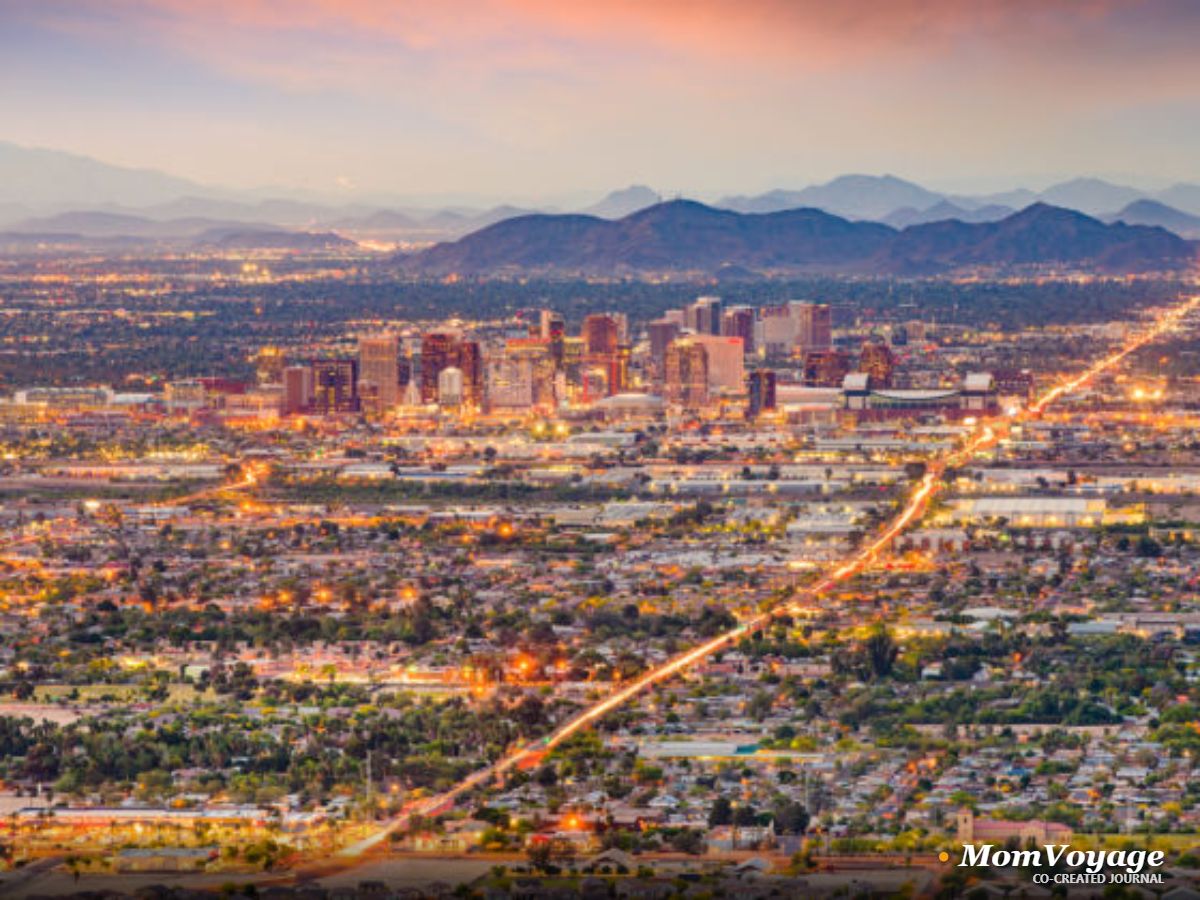
Explore the unexpected 'rivalry' between the Phoenix desert and Russia. Discover hidden connections and stark contrasts in landscapes, culture, and spirit. A unique travel perspective.
The Unveiling of a Twisted Mirror: Phoenix's Arid Might vs. Russia's Frozen Dominion
The initial comparison between Phoenix's sun-scorched Sonoran Desert and Russia's vast, icy expanse might seem absurd, a mere whimsical juxtaposition. Yet, beneath the veneer of their polar opposite climates lies a disquieting resonance, a shared narrative of survival against overwhelming environmental odds. This isn't merely about contrasting landscapes; it's about the raw, unyielding spirit forged in extreme conditions, and a subtle, often overlooked, assertion of dominance. Phoenix, a beacon of human endeavor in an inhospitable desert, and Russia, a colossus carved from unforgiving tundra and steppe, engage in an unlikely, almost covert, rivalry – a testament to humanity's audacious claim over the planet's most challenging territories.
Scale as a Weapon: When Aridity Meets Immensity
The sheer, overwhelming scale of both Phoenix's desert domain and Russia's sprawling territory acts as a primary, albeit vastly different, form of power projection. The Sonoran Desert, while not matching Russia's continental proportions, possesses an immense, brooding presence. Its horizons stretch endlessly, punctuated by jagged mountain ranges that seem to guard ancient secrets. This vastness can be both awe-inspiring and disorienting, a silent testament to nature's raw power that dwarfs human presence. Russia, on the other hand, wields its immense landmass as an undeniable, almost weaponized, reality. Its sheer size dictates its history, its people, and its global standing. This immensity fosters a unique psychology, a sense of being both privileged and perpetually challenged by the land itself, mirroring the constant negotiation for survival that defines life in the Sonoran. The rivalry here isn't fought with tanks or missiles, but with the sheer, unyielding presence of territory.
The Crucible of Resilience: Life's Tenacious Hold
Both Phoenix and Russia are defined by the extraordinary resilience of life. In the Sonoran Desert, life doesn't just survive; it thrives with a fierce, often brutal, tenacity. The saguaro cactus, with its iconic silhouette, is a marvel of adaptation, storing precious water and enduring blistering heat. The desert tortoise, the Gila monster, and a myriad of insects and reptiles demonstrate an evolutionary mastery of heat and scarcity. Phoenix itself, as a city, is a defiant monument to human ingenuity in the face of such adversity. Similarly, Russia's narrative is inextricably linked to its inhabitants' ability to endure and conquer its unforgiving climate. From the stoic determination of Siberian villagers to the cultural tenacity that has weathered invasions and revolutions, the Russian spirit is forged in the crucible of cold and isolation. This shared theme of overcoming environmental extremes imbues both locations with a palpable sense of grit and an almost defiant assertion of existence.
Isolation as a Defining Feature: The Weight of the Expanse
The profound sense of isolation that permeates both the Sonoran Desert and vast swathes of Russia is a crucial, yet often underappreciated, element of their comparison. The desert, with its sparse population and immense distances, can engender a feeling of being utterly alone, a speck against an indifferent, ancient backdrop. This isolation can be a source of profound introspection and self-reliance, but also a powerful reminder of one's vulnerability. Russia, by its very nature, embodies this isolation on a global scale. Its vast, sparsely populated regions, its geographical distance from many major power centers, and its historical experiences have all contributed to a distinct sense of being apart, a self-contained entity navigating a complex world. This shared experience of isolation, though manifesting differently, fosters a similar mindset: one of self-sufficiency, a deep understanding of one's environment, and a unique cultural perspective shaped by the absence of constant external influence.
The Specter of Scarcity: A Battle Against Depletion
While the nature of scarcity differs dramatically – water in Phoenix, resources and warmth in Russia – both regions are defined by a constant, underlying struggle against depletion. The Sonoran Desert is a masterclass in water conservation. Every drop is precious, and life has evolved intricate strategies to capture, store, and utilize moisture. Phoenix's very existence is a testament to human innovation in managing this most vital resource. Russia, while seemingly abundant in resources, faces its own form of scarcity. The extreme cold demands immense energy expenditure for heating and survival. The vast distances make resource distribution a constant logistical challenge. Furthermore, the historical narrative of Russia is intertwined with the struggle for resources, both internal and external. This shared battle against scarcity, against the constant threat of insufficient vital elements, creates a fundamental alignment in their existential challenges, a silent acknowledgment of the precariousness of existence in their respective domains.
The Mirage of Control: Humanity's Arrogant Dominion
Phoenix, in its audacious growth and development, represents humanity's often arrogant attempt to conquer and control the desert. The sprawling city, with its manicured lawns and air-conditioned oases, stands as a testament to human will, yet constantly battles the encroaching heat and the fundamental limitations of its environment. This is a subtle form of geopolitical posturing, a declaration that even the harshest landscapes can be tamed and made to serve human desires. Russia, through its historical expansion and its projection of power, has also engaged in a similar, albeit more overtly aggressive, assertion of dominion. The subjugation of vast territories and the exploitation of its natural wealth are both expressions of a belief in humanity's right to impose its will upon the land. The rivalry here lies in the very philosophy of control: Phoenix's more subtle, technocratic approach versus Russia's more forceful, territorial expansionism, both ultimately stemming from a desire to bend nature to human will.
The Echoes of Empires: Survival as a Political Statement
Both Phoenix and Russia, in their own ways, carry the weight of historical narratives that inform their present-day identities and fuel an unspoken rivalry. Phoenix, a relatively young city, is nonetheless built on the legacy of American westward expansion, a narrative of pioneers conquering untamed frontiers. This fosters a sense of inherent strength and self-reliance, a belief in the American exceptionalism that can tame any landscape. Russia, with its centuries of imperial ambition, its periods of immense power and profound vulnerability, embodies a different kind of historical narrative. Its survival as a distinct entity, despite numerous challenges, has become a potent political statement. The rivalry is in the very essence of their "survival stories." Phoenix's triumph over the desert is presented as a modern marvel of human ingenuity, while Russia's endurance through centuries of hardship is framed as an inherent, almost fated, characteristic of its people and its land. Both are powerful narratives of resilience, but they are deployed to assert a distinct form of national or regional pride.
Journey Highlights
- Vastness and Scale: Both Phoenix's desert and Russia's territories are defined by their immense size, offering a sense of boundless exploration. - Resilience of Life: The ability of plants, animals, and humans to thrive in extreme conditions is a hallmark of both regions. - Cultural Perceptions: How we perceive these lands is shaped by stereotypes, but deeper exploration reveals nuanced realities. - The Allure of the Wild: Both offer a raw, untamed beauty that speaks to a primal connection with nature.
Local Secrets & Insider Tips
Insider's Guide to the Phoenix Desert
As a seasoned local, I can tell you the Sonoran Desert around Phoenix offers far more than meets the eye, especially if you know where and when to look.
Beat the Heat and the Crowds:
Camelback Mountain: For the best light and fewest people, aim to summit at sunrise. Arrive at the Cholla Trailhead parking lot by 6:15 AM on weekdays, especially during cooler months (November-March). The east-facing side offers breathtaking morning views. Desert Botanical Garden: To truly appreciate the flora without wilting, visit during the spring bloom (late February to April) but go right when they open at 8:00 AM on a weekday. This avoids the midday sun and the weekend rush.
Hidden Gems and Viewpoints:
Hole-in-the-Rock at Papago Park: This is a popular spot, but many visitors don't realize the best light for photos through the 'hole' is mid-morning. Aim for 9:00 AM to catch the sun illuminating the rock formations. It’s also less crowded then than at sunset. South Mountain Park: Instead of just driving the main road, seek out the trails branching off from Dobbins Lookout. The trails less traveled offer solitude and unique perspectives on the valley below, especially the National Trail sections for experienced hikers.
Local Flavors (Beyond the Tourist Traps):
Barrio Cafe Gran Reserva: Don't just get a taco. Order their legendary Mole Poblano. It’s a complex, rich sauce that exemplifies authentic Mexican culinary artistry. Pair it with a horchata. Pizzeria Bianco: Yes, it's famous, but worth the wait. If you can't get a table, try calling ahead for takeout of their Margherita pizza – arguably one of the best in the country. Eat it streetside.
Logistical Pitfalls to Avoid:
Hydration is Non-Negotiable: Carry at least one gallon of water per person if you plan any significant hiking. The desert heat is deceptive and can dehydrate you rapidly. Don't rely on finding water sources. Sun Protection: Sunscreen, hats, and sunglasses aren't optional; they're survival gear. The sun is intense year-round. Long sleeves made of breathable fabric are also a lifesaver. Navigation: Cell service can be spotty in more remote desert areas. Download offline maps or carry a physical map for larger parks like South Mountain.
Common Questions
Frequently Asked Questions
Q: Is the Phoenix desert truly comparable to Russia? A: While geographically and climatically distinct, the comparison lies in the themes of immense scale, the resilience required to inhabit these environments, and the raw, often challenging, natural beauty they possess.
Q: What makes the Phoenix desert unique? A: Its unique flora and fauna, the dramatic desert landscapes, and the vibrant culture that has adapted to its specific climate.
Q: How does Russia's landscape present a similar challenge? A: Russia's vastness and extreme climates, from the Siberian tundra to its extensive forests, require significant adaptation and resilience from both nature and its inhabitants.