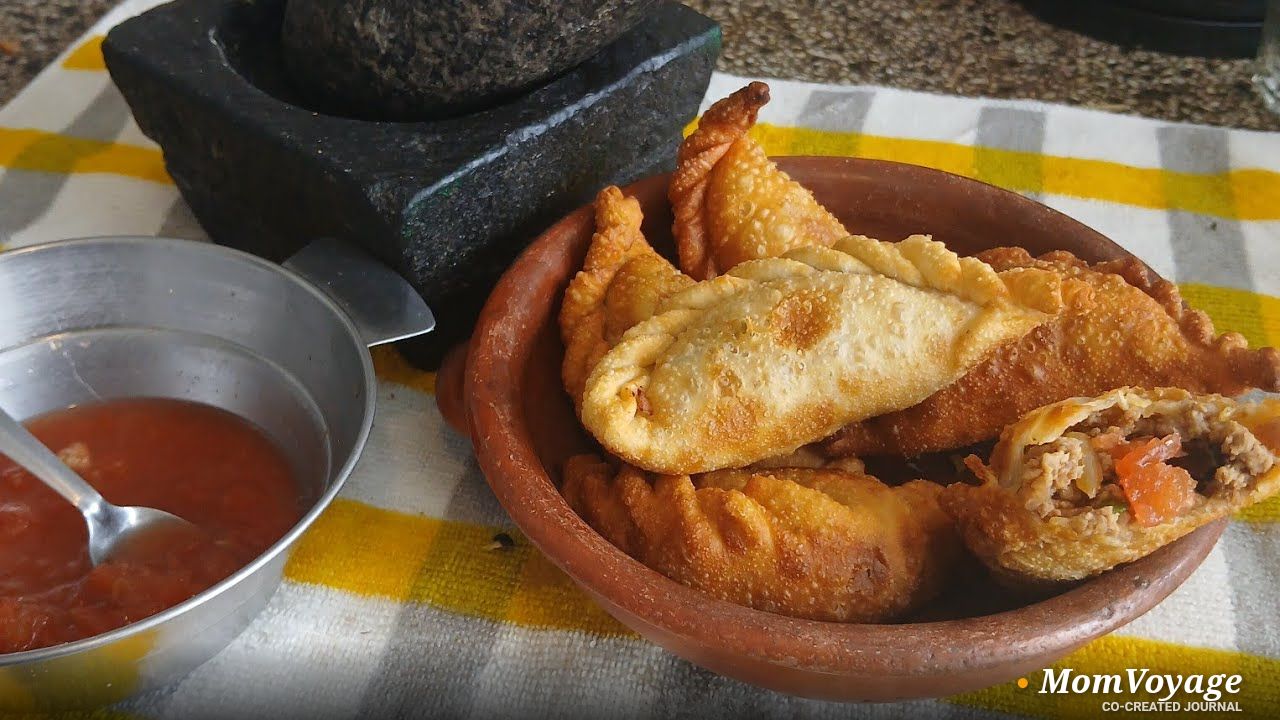
Savor the authentic taste of Puerto Iguazú! Dive into the heart of Misiones cuisine with our exclusive guide to its most beloved local recipe. Deliciously simple.
Iguazú's Culinary Secret: Mastering Empanadas Sureñas
The true culinary heart of Puerto Iguazú beats with the rhythm of its most beloved local dish: Empanadas Sureñas. These aren't just pastries; they are a taste of home, a culinary hug passed down through generations. While variations exist across Argentina, the Misiones style, particularly in Puerto Iguazú, boasts a distinct character, often featuring a richer, more savory filling and a perfectly crisp, golden crust. This guide will walk you through recreating this Argentinian classic in your own kitchen, allowing you to bring a piece of Iguazú's magic home. Forget generic empanadas; we're diving deep into the authentic Misiones experience, exploring the nuances of ingredients and techniques that make these so special.
The Anatomy of a Perfect Empanada Dough
The foundation of any great empanada is its dough. For the Misiones style, a slightly richer dough is often preferred, yielding a tender yet crisp shell. This recipe focuses on a traditional approach, ensuring that delightful balance of flakiness and structure to hold the generous filling.
Ingredients for Empanada Dough:
500 grams (approximately 4 cups) all-purpose flour: A good quality, unbleached flour will provide the best texture. 100 grams (approximately 1/2 cup) lard or vegetable shortening: Lard is traditional and imparts a superior flavor and texture. If unavailable or for a vegetarian option, high-quality vegetable shortening can be used. 1 teaspoon salt: Essential for flavor development. 1 egg yolk: Adds richness and a beautiful golden hue to the finished crust. Approximately 150-180 ml (about 2/3 to 3/4 cup) warm water: The amount may vary depending on the humidity and flour type. Start with less and add more as needed.
Preparation Steps for Empanada Dough:
1. Combine Dry Ingredients: In a large mixing bowl, whisk together the flour and salt. 2. Incorporate Fat: Cut the lard or shortening into small pieces and add it to the flour mixture. Using your fingertips or a pastry blender, work the fat into the flour until the mixture resembles coarse breadcrumbs with some pea-sized pieces of fat remaining. This is crucial for creating flaky layers. 3. Add Wet Ingredients: In a small bowl, whisk together the egg yolk and the warmer water. 4. Form the Dough: Gradually add the wet ingredients to the dry ingredients, mixing with a fork or your hands until a shaggy dough forms. 5. Knead Gently: Turn the dough out onto a lightly floured surface. Knead for just 2-3 minutes, until the dough comes together into a cohesive ball. Over-kneading will result in a tough crust. 6. Rest is Key: Wrap the dough tightly in plastic wrap and let it rest in the refrigerator for at least 30 minutes, or up to 2 hours. This resting period allows the gluten to relax, making the dough easier to roll and contributing to a tender crust.
The Heart of the Matter: Crafting the Savory Sureña Filling
The filling is where the true magic of Empanadas Sureñas lies. While beef is the most common and beloved choice in Misiones, the nuances come from the slow cooking, the balance of spices, and the inclusion of ingredients that add depth and moisture.
Ingredients for Beef Filling:
500 grams (approximately 1 lb) lean beef (e.g., chuck roast or flank steak), finely diced: Dicing the beef into small, uniform pieces ensures even cooking and a pleasant texture in each bite. 2 large onions, finely chopped: Yellow onions are ideal for their sweetness. 2 cloves garlic, minced: Fresh garlic is essential for its pungent aroma and flavor. 2 tablespoons olive oil: For sautéing the aromatics. 1 teaspoon sweet paprika (pimentón dulce): A cornerstone of Argentinian cuisine, providing color and a mild, earthy sweetness. 1/2 teaspoon ground cumin: Adds a warm, savory depth. 1/4 teaspoon cayenne pepper (optional, for a touch of heat): Adjust to your spice preference. Salt and freshly ground black pepper to taste: Season generously throughout the cooking process. 100 ml (about 1/2 cup) beef broth or red wine: Adds moisture and flavor to the slow-cooked beef. 2 hard-boiled eggs, chopped: A classic empanada addition, providing richness and texture. 50 grams (about 1/4 cup) green olives, pitted and chopped: Adds a briny counterpoint to the savory filling. 2 tablespoons chopped fresh parsley: For freshness and color.
Preparation Steps for Beef Filling:
1. Sauté Aromatics: Heat the olive oil in a large skillet or pot over medium heat. Add the finely chopped onions and cook until softened and translucent, about 8-10 minutes. Add the minced garlic and cook for another minute until fragrant, being careful not to burn it. 2. Brown the Beef: Add the finely diced beef to the skillet. Increase the heat slightly and brown the beef on all sides, breaking up any clumps. 3. Add Spices and Liquid: Stir in the sweet paprika, cumin, and cayenne pepper (if using). Season generously with salt and freshly ground black pepper. Pour in the beef broth or red wine, scraping up any browned bits from the bottom of the pan. 4. Simmer and Tenderize: Bring the mixture to a simmer, then reduce the heat to low, cover, and cook for at least 45-60 minutes, or until the beef is very tender and the liquid has mostly evaporated. Stir occasionally to prevent sticking. For an even richer flavor, you can cook this mixture for longer, allowing the beef to break down more. 5. Cool and Combine: Remove the filling from the heat and let it cool completely. This is crucial – a hot filling will melt the dough. Once cooled, stir in the chopped hard-boiled eggs, chopped olives, and fresh parsley. Taste and adjust seasoning as needed.
Assembling the Masterpieces: Shaping and Filling
With your dough rested and your filling cooled, it's time for the satisfying ritual of assembling the empanadas. Precision and a little practice will lead to perfectly sealed pockets of deliciousness.
Tools and Techniques:
Rolling Pin: For evenly rolling out the dough. Round Cutter or Saucer: Approximately 12-15 cm (5-6 inches) in diameter for creating uniform circles. Fork: For crimping the edges. Small Bowl of Water: To help seal the edges.
Preparation Steps for Assembly:
1. Roll the Dough: On a lightly floured surface, roll out the rested dough to about 2-3 mm (1/8 inch) thickness. Aim for an even thickness to ensure consistent cooking. 2. Cut the Circles: Use your round cutter or a saucer to cut out uniform circles from the rolled dough. Gather the scraps, gently re-knead, and re-roll to cut more circles until all the dough is used. 3. Fill the Circles: Place about 2-3 tablespoons of the cooled beef filling onto one half of each dough circle, leaving a small border around the edge. Avoid overfilling, as this can make sealing difficult and cause the empanadas to burst during cooking. 4. Moisten and Seal: Lightly brush the edges of the dough with water. Fold the other half of the dough over the filling to create a half-moon shape. 5. Crimp the Edges: Press the edges firmly together to seal. Then, using a fork, crimp the edges decoratively and securely. This not only looks appealing but also ensures the filling stays inside. You can also create a traditional Misiones "repulgue" (a decorative folded edge) for an authentic touch.
The Golden Finish: Cooking Your Empanadas
The cooking method is the final step in transforming raw dough and filling into the beloved Empanadas Sureñas. Both baking and frying are popular, each offering a slightly different but equally delicious result.
Baking Method:
Baking is a healthier option and produces a beautifully crisp and golden crust.
#### Preparation for Baking:
Preheat oven to 200°C (400°F). Line a baking sheet with parchment paper. Egg Wash: In a small bowl, whisk 1 egg with a splash of milk or water. This will give your empanadas a beautiful golden sheen.
#### Baking Steps:
1. Arrange on Baking Sheet: Place the assembled empanadas on the prepared baking sheet, leaving a little space between each one. 2. Egg Wash: Brush the tops of the empanadas with the egg wash. 3. Bake: Bake for 20-25 minutes, or until the crust is golden brown and puffed. Rotate the baking sheet halfway through for even cooking.
Frying Method:
Frying results in an extra crispy, often slightly puffier empanada, a classic choice for many Argentinians.
#### Preparation for Frying:
Large, deep pot or Dutch oven: For safely frying the empanadas. Vegetable oil or lard: Enough to generously submerge the empanadas. Thermometer: To monitor oil temperature.
#### Frying Steps:
1. Heat the Oil: Heat about 3-4 inches of oil in your deep pot to 175-180°C (350-360°F). It's crucial to maintain this temperature for even cooking and to prevent the empanadas from becoming greasy. 2. Fry in Batches: Carefully lower a few empanadas at a time into the hot oil, being careful not to overcrowd the pot. 3. Cook Until Golden: Fry for 3-5 minutes per side, or until deep golden brown and puffed. 4. Drain Excess Oil: Using a slotted spoon, remove the empanadas from the oil and place them on a wire rack set over a baking sheet to drain any excess oil.
The Perfect Pairing: Enjoying Your Empanadas
Empanadas Sureñas are best enjoyed fresh and warm. The anticipation builds as the delicious aroma fills your kitchen, a promise of the authentic Misiones flavors to come.
Serving Suggestions:
As a Main Course: A few substantial empanadas make for a satisfying lunch or light dinner. As an Appetizer: Serve smaller empanadas as part of a larger spread for gatherings. With a Side Salad: A simple green salad with a vinaigrette provides a refreshing contrast to the rich filling. Dipping Sauces (Optional): While many enjoy them plain, some like to serve them with a side of chimichurri sauce or a spicy salsa.
The Iguazú Experience at Home:
Recreating Empanadas Sureñas is more than just following a recipe; it's about embracing a tradition. The satisfaction of biting into a perfectly baked or fried empanada, with its savory filling and golden crust, will transport you straight to the vibrant streets of Puerto Iguazú. This is your chance to capture the soul of Misiones in your own kitchen, a culinary secret shared with every delicious bite.
Journey Highlights
- The Dough: A simple yet crucial base, typically made from flour, lard or butter, salt, and water. The key is a pliable dough that bakes to a delightful crispness. - The Filling (Relleno): The soul of the empanada. For the authentic Sureña style, we focus on a slow-cooked ground beef (carne picada) or diced beef (carne cortada a cuchillo), simmered with onions, bell peppers, hard-boiled eggs, olives, and a blend of traditional spices like cumin, paprika, and a hint of chili for warmth. Some families add a touch of sugar for a subtle sweet contrast. - The Assembly (Repulgue): The art of folding and sealing the empanada, creating a beautiful, sealed edge (the 'repulgue'). This can be a simple crimp or an intricate braided pattern, each fold a testament to the cook's care. - The Bake: Traditionally baked in a very hot oven until golden brown and puffed, ensuring a flaky, satisfying bite.
Local Secrets & Insider Tips
As a local who has spent years navigating the unique rhythm of Puerto Iguazú, let me share some genuine insights to truly savor its culinary gem, the Empanada Sureña.
Timing is Everything: For the most authentic experience, seek out smaller, family-run 'parrillas' or 'rotiserías' away from the main tourist drag. Arrive between 11:30 AM and 1:00 PM for lunch or 6:00 PM to 7:30 PM for an early dinner. This is when the empanadas are freshest from the oven, often made in small batches throughout the day.
Hidden Culinary Havens: Don't be afraid to wander a few blocks off Avenida Brasil. Look for unassuming storefronts with locals lining up – that's always a good sign. Ask a local shopkeeper or your accommodation host for their 'empanada de bodegón' recommendation. These are the places serving recipes passed down for decades, not influenced by tourist trends.
Must-Try Orders: Beyond the classic beef (carne), try the 'jamón y queso' (ham and cheese) or a 'humita' (creamed corn) if available. For a true local treat, ask if they have a special 'empanada de pescado' if you are near the river, though beef is king. Pair your empanadas with a 'quinotos en almíbar' (stewed quinoto oranges) for dessert if you find it – a rare and delightful treat.
Logistical Nuances: Many smaller places operate on 'siesta' time, closing from around 2 PM to 5 PM. Always check hours. Also, be aware that 'picante' (spicy) here often means a gentle warmth rather than intense heat, but if you are sensitive, ask for 'suave'. For takeaway, order a 'docena' (a dozen) – it’s the standard way and often comes in a handy box.
Common Questions
Frequently Asked Questions about Empanadas Sureñas
Q: What makes an empanada 'Sureña' from Misiones distinct? A: While recipes vary, Misiones empanadas often have a heartier, more robust filling and are known for their perfectly crisp texture. The specific spice blend and the inclusion of ingredients like peas or corn can also be regional markers.
Q: Can I make the dough ahead of time? A: Yes, the empanada dough can be made a day in advance and stored, well-wrapped, in the refrigerator. Allow it to come to room temperature slightly before rolling.
Q: What are common side dishes for empanadas? A: Empanadas are often enjoyed on their own as a complete meal or appetizer. However, they pair wonderfully with a simple green salad or a glass of chilled Torrontés wine.