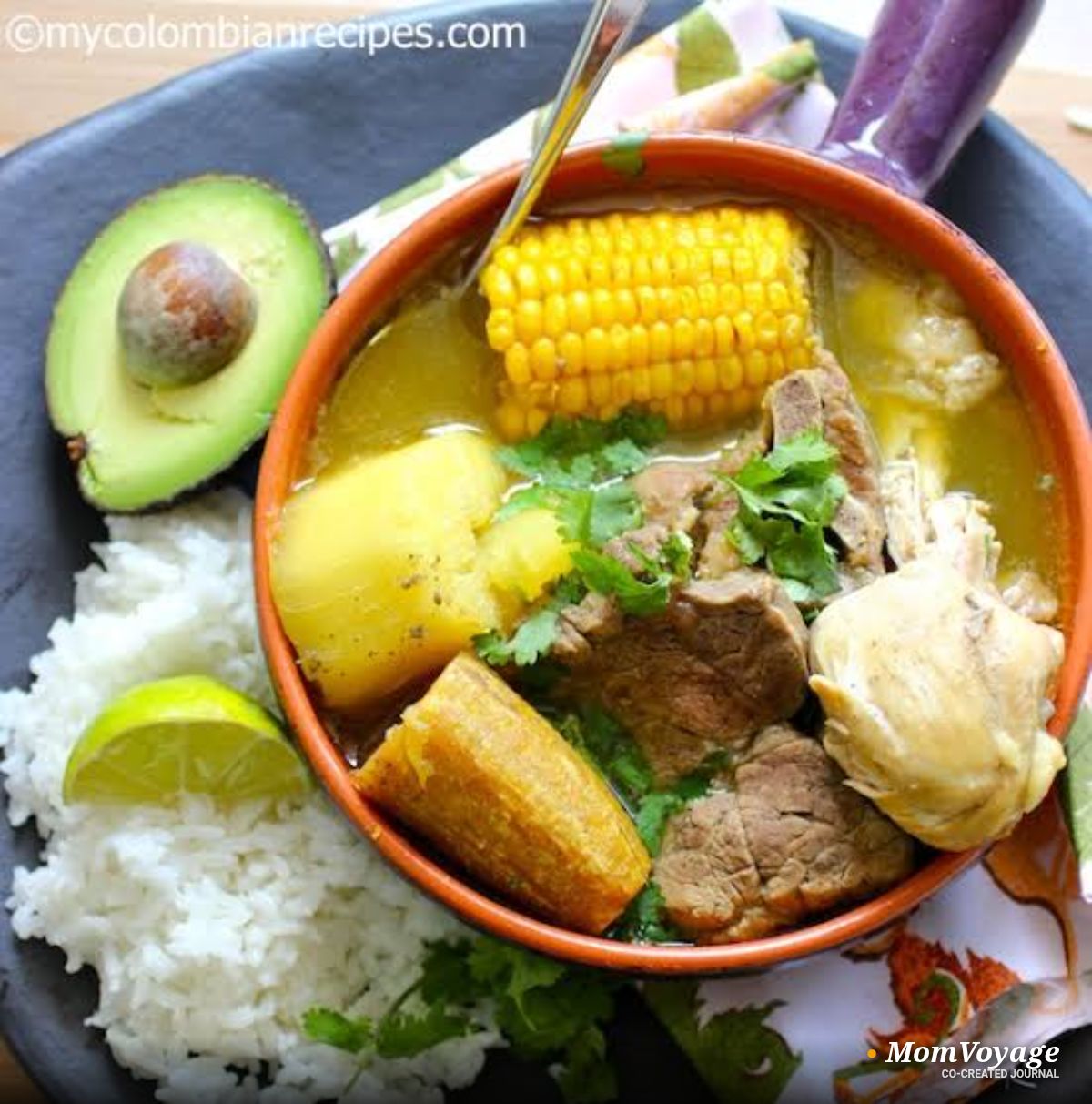
Unlock the secrets to Quibdó's most beloved dish, Sancocho Chocoano. Discover the authentic ingredients and preparation steps for this iconic Colombian stew.
The Soul of Chocó: Sancocho Chocoano
Quibdó, the vibrant capital of the Chocó department in Colombia, is a city that pulses with the rhythm of the Pacific. Its culture is deeply intertwined with its history, its music, and most importantly, its food. Among the many culinary delights that grace the tables of Quibdó, one dish stands out as the undisputed king: Sancocho Chocoano. This hearty, flavorful stew is more than just a meal; it's a celebration of local ingredients, traditional cooking methods, and the warmth of Chocoano hospitality. This post delves into the heart of Quibdó's gastronomy by sharing the authentic recipe for Sancocho Chocoano, guiding you through each step to recreate this iconic dish in your own kitchen.
Ingredients for Authentic Sancocho Chocoano
Making a true Sancocho Chocoano requires a specific blend of ingredients that are characteristic of the region. While variations exist, the core components remain consistent, each contributing to the stew's distinctive taste and texture.
The Foundation: Broth and Proteins
The soul of any sancocho lies in its broth, and Sancocho Chocoano is no exception. It’s typically made with a combination of hearty meats, often including:
- Gallina Criolla (Free-range Chicken): This provides a rich, deep flavor that is distinct from regular chicken. - Costilla de Res (Beef Ribs): Adds a savory depth and tender chunks of meat. - Cerdo (Pork): Often a piece like pork belly or trotters, contributing richness and gelatin.
The Aromatic Base: Vegetables and Roots
To build the complex flavor profile, a variety of vegetables and starchy roots are essential:
- Plátano Verde (Green Plantain): A key ingredient that breaks down to thicken the soup and add a subtle sweetness. - Yuca (Cassava): Another starchy root that becomes tender and creamy when cooked. - Papa (Potato): Adds to the heartiness of the stew. - Cebolla Larga (Green Onion): Provides a mild onion flavor. - Ajo (Garlic): Minced garlic is crucial for aromatic depth. - Cilantro Fresco (Fresh Cilantro): Used generously for its distinctive fresh, herbal notes. - Ají Dulce (Sweet Chili Pepper): A small, mild pepper that adds a subtle fruity undertone without heat.
The Chocoano Touch: Special Additions
What truly sets Sancocho Chocoano apart are a few unique additions:
- Cucua: A local fruit unique to the Chocó region, adding a slightly tangy and thickening quality. If unavailable, a touch of sour orange or lime juice can be a substitute, though it won't be quite the same. - Naranja Agria (Sour Orange): Its juice is often added for a bright, acidic counterpoint to the richness of the meats.
Preparation: Crafting the Perfect Sancocho Chocoano
Creating Sancocho Chocoano is a labor of love, a process that rewards patience with an incredibly satisfying meal.
1. Prepare the Meats: In a large pot, combine the chicken, beef ribs, and pork. Cover with water and add a pinch of salt, half an onion, and a few garlic cloves. Bring to a boil and simmer until the meats are tender, about 1.5 to 2 hours. Skim off any impurities that rise to the surface during this process. Once tender, remove the meats, reserving the flavorful broth. Cut the meats into serving portions.
2. Build the Flavor Base: In the same pot with the reserved broth, add the chopped green plantain, yuca, and potatoes. Bring to a simmer. Add the finely chopped green onions, minced garlic, chopped ají dulce, and any sour orange juice.
3. Add the Meats and Cucua: Return the cooked meats to the pot. If using cucua, add it now. Continue to simmer, allowing the flavors to meld and the starches to break down and thicken the soup. This can take another 30-45 minutes, or until the vegetables are very tender and the broth has a good consistency.
4. Finishing Touches: Stir in a generous amount of fresh, chopped cilantro just before serving. Taste and adjust seasoning with salt and pepper as needed.
5. Serve: Ladle the hot sancocho into deep bowls, ensuring each serving has a good portion of meat and vegetables. It is traditionally served with a side of white rice and a drizzle of 'ají picante' (spicy chili sauce) for those who like an extra kick.
The Experience of Sancocho Chocoano
Sancocho Chocoano is more than just a recipe; it's an experience. It’s the aroma that fills the house, the warmth that spreads with every spoonful, and the communal joy of sharing a dish that represents the very essence of Quibdó. Whether you're a culinary adventurer seeking to explore new flavors or someone looking to reconnect with comforting, traditional tastes, mastering Sancocho Chocoano is a rewarding journey into the heart of Chocó's vibrant cuisine.
Journey Highlights
- Chicken: Use free-range chicken (gallina criolla) for a richer flavor. - Plantain: Green plantain is essential for thickening and texture. - Cucua: If you can find it, it's a unique local ingredient. - Sour Orange: Adds a necessary acidic balance.
Local Secrets & Insider Tips
As a lifelong resident of Quibdó, let me share some secrets to truly savoring our Sancocho Chocoano, both here and if you're brave enough to try it at home.
Timing and Crowds: If you're visiting a local 'fonda' or a popular eatery for sancocho, aim to go slightly off-peak. While breakfast is common, a late lunch around 1:30 PM can sometimes mean a less crowded table, especially on weekdays. On Sundays, it's almost a ritual, so expect it to be busy from noon onwards. My personal favorite time is actually the late morning, around 11:00 AM, when it's fresh but before the main rush.
Hidden Gems & Viewpoints: While Quibdó's culinary scene is its star, don't overlook the smaller, family-run 'restaurantes' tucked away in neighborhoods like La Yesquita or La Yesca. These are where you'll find the most authentic flavors. Instead of a viewpoint, think of a 'mirador' as the riverfront – take a slow walk along the Río Quibdó in the late afternoon, just as the sun begins to dip, and you'll feel the city's soul.
Must-Try Dishes Beyond Sancocho: Don't limit yourself! At a non-touristy spot, ask for 'Pescado Viudo' – a whole fish steamed with plantains and vegetables. Another gem is 'Arroz Atollado', a rice dish cooked until it has a thick, stew-like consistency, often with seafood or chicken. Always ask for the 'plato del día' (dish of the day) at smaller places; that's usually where the chef's best work is showcased.
Logistical Pitfalls:
- Ingredient Sourcing: If you're attempting to make Sancocho Chocoano outside of Chocó, finding authentic ingredients like fresh cucua or even good quality free-range chicken can be challenging. Be prepared to substitute wisely. Using high-quality local ingredients is key even if you can't find the exact Chocoano items. - Spice Level: While our sancocho isn't typically spicy, the accompanying 'ají picante' can be deceivingly hot. Start with a small amount. - Consistency: The beauty of sancocho is how the plantain and yuca break down to thicken it. Don't be alarmed if it seems very thick; that's the sign of a well-made sancocho. If it's too thin, let it simmer longer uncovered.
Common Questions
Frequently Asked Questions about Sancocho Chocoano
Q1: What makes Sancocho Chocoano different from other sancochos in Colombia? A1: The key differences lie in the specific local ingredients used, such as cucua and sour orange, and often the combination of meats which can include pork trotters or belly for extra richness. The preparation also emphasizes a longer simmering time to allow flavors to meld deeply.
Q2: Can I make Sancocho Chocoano without cucua? A2: Yes, you can. While cucua provides a unique flavor and thickening property, you can achieve a similar tanginess by adding more sour orange juice or a splash of lime juice towards the end of cooking. It won't be exactly the same, but it will still be delicious.
Q3: What kind of meat is best for Sancocho Chocoano? A3: A combination is traditional and recommended for the best flavor. Free-range chicken provides a foundational richness, beef ribs add depth, and pork (like belly or trotters) contributes essential collagen and fat that makes the broth luxurious.
Q4: How long does it take to prepare Sancocho Chocoano? A4: The entire process, from preparing the meats to the final simmer, can take anywhere from 2.5 to 3.5 hours. Most of this is passive simmering time, allowing the ingredients to become tender and the flavors to develop.
Q5: What should I serve with Sancocho Chocoano? A5: Traditionally, it's served with a side of plain white rice. Many also enjoy it with a small portion of 'hogao' (a Colombian tomato and onion sofrito) or a side of 'ají picante' (spicy chili sauce) to add extra flavor or heat.