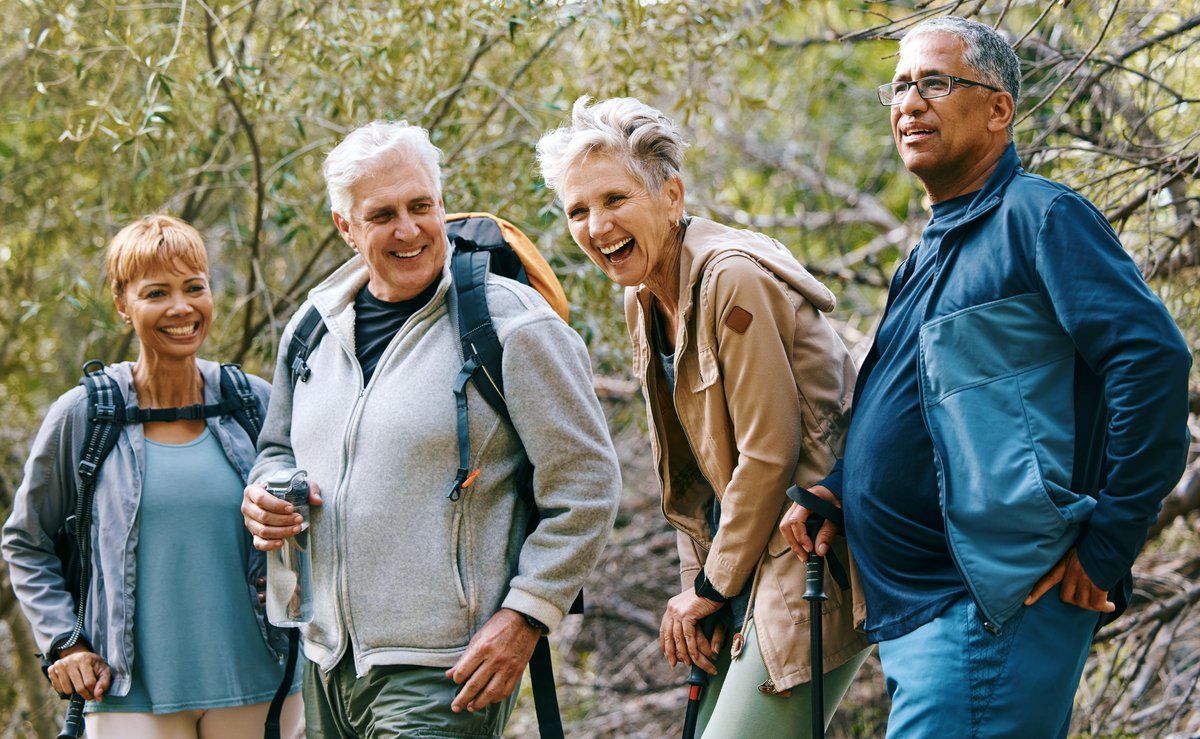
Why are Europeans healthier? Discover shocking secrets Americans need to adopt NOW. Riverside to Dallas travel route uncovers forgotten gems.
The European Walk: More Than Just a Stroll, It's a Health Revolution
Americans are often surprised by the sheer volume of walking that’s integrated into daily European life. It’s not just about commuting; it’s a fundamental aspect of social interaction, leisure, and even errands. In cities like Paris, where the Métro is efficient, Parisians still opt to walk between arrondissements, enjoying the vibrant street life and charming architecture. This isn't a chore; it's a mindful choice that fosters physical and mental well-being. In contrast, American cities, often designed around the automobile, can make pedestrianism feel like an afterthought. Think of the vast distances between destinations, the lack of continuous sidewalks in many suburban areas, and the prevailing mindset that driving is the default.
This ingrained habit of walking has profound health implications. Regular, moderate-intensity exercise like walking strengthens the cardiovascular system, improves mood, aids digestion, and helps maintain a healthy weight. It’s a low-impact activity that’s accessible to almost everyone, regardless of age or fitness level. Consider the European embrace of the "passeggiata" or the "Flânerie" – leisurely evening strolls that are as much about social connection and observation as they are about physical activity. These aren't rushed power walks; they are an art form, a deliberate slowing down that contrasts sharply with the hurried pace often seen in American cities.
The Power of the European Diet: Less Processed, More Presence
The European approach to food is often characterized by its emphasis on fresh, seasonal, and minimally processed ingredients. This isn't to say that processed foods don't exist in Europe, but they are not the omnipresent, foundational elements of most meals as they have become in the American diet. Think of the vibrant farmers' markets in Italy, where locals meticulously select produce for their evening meals. This direct connection to food sources fosters a greater appreciation for quality and nutrition.
Americans, on the other hand, have become accustomed to a culture of convenience, where highly processed, calorie-dense, and nutrient-poor foods are readily available and often cheaper. This reliance on packaged meals, sugary drinks, and fast food contributes significantly to rising rates of obesity, diabetes, and heart disease. The European emphasis on home-cooked meals, often featuring vegetables, lean proteins, and healthy fats like olive oil, provides a steady stream of essential nutrients without the inflammatory additives and excess sugar found in many American staples. This isn't about deprivation; it's about prioritizing quality and savoring the natural flavors of food.
The Unseen Benefits of "Forgotten" Cities: A European Perspective
While Americans might flock to well-known European capitals like Rome, Paris, or London, the real health secrets often lie in the overlooked, mid-sized cities. These "forgotten" gems offer a more authentic and less frenetic European experience, encouraging a healthier lifestyle. Consider a city like Bologna, Italy, known for its rich culinary heritage, but also for its walkable city center and emphasis on fresh, local ingredients. Or perhaps the charming city of Ghent in Belgium, with its beautiful canals, pedestrian-friendly streets, and vibrant café culture that encourages leisurely socializing.
These cities often lack the overwhelming tourist crowds and the associated fast-paced, convenience-driven food options that can plague major metropolises. Instead, residents tend to have closer relationships with local food producers, enjoy a more integrated public transport system that prioritizes walking, and embrace a slower pace of life. This contrasts with many American cities, where the "forgotten" towns might be the ones struggling with economic decline and limited access to healthy food options, or where smaller cities are still largely car-dependent. The European model demonstrates that smaller urban centers can be hubs of well-being.
Hydration Habits: The European Water Advantage
A subtle yet significant difference in European daily life that impacts health is the ubiquitous presence and consumption of water. In many European countries, tap water is not only safe and readily available in public spaces, restaurants, and homes, but it's also the default beverage. Think of the simple act of ordering "une carafe d'eau" in France or "una bottiglia d'acqua naturale" in Italy – it’s free and expected. This contrasts with the American tendency to default to sugary sodas, sweetened iced teas, and bottled beverages that often come with added sugars and preservatives.
The consistent hydration from water is crucial for countless bodily functions, from regulating body temperature and transporting nutrients to flushing out toxins and maintaining healthy skin. The consistent availability and cultural acceptance of tap water in Europe actively promote this essential habit. In many parts of the US, concerns about water quality (whether justified or not) have led to a significant reliance on bottled water, which is not only more expensive but also contributes to plastic waste. Furthermore, the constant availability of sweetened beverages in American social settings makes it easy to overlook the simple, life-sustaining benefits of plain water.
The Art of the Midday Pause: European Siestas and Stress Reduction
The concept of a midday break, often referred to as a siesta in Southern Europe, is more than just a nap; it's a deliberate pause in the day that has significant health benefits. In countries like Spain, Italy, and Greece, businesses traditionally close for a few hours in the afternoon, allowing people to enjoy a substantial meal with family, rest, and recharge. This practice directly combats the chronic stress that plagues many modern societies, particularly in fast-paced work environments.
Americans, often driven by a culture of continuous productivity and "hustle," rarely have the luxury of such a prolonged midday break. This relentless pace can lead to burnout, increased anxiety, and a host of stress-related health issues. The European midday pause encourages a more balanced approach to life, recognizing that periods of rest and rejuvenation are not only beneficial for mental well-being but also for physical health. It fosters stronger family connections through shared meals and provides an opportunity for mental decompression, leading to greater focus and productivity when work resumes.
Embracing the Element of Surprise: Riverside to Dallas and Unplanned Discoveries
While focusing on the health habits of Europeans, it’s crucial to acknowledge that the journey itself can uncover unexpected health benefits. Consider the hypothetical travel route from a European riverside city, like Lyon, France, to a vibrant American hub like Dallas, Texas. This transcontinental journey, while spanning vast distances, can highlight the "forgotten" gems of both continents. Imagine discovering charming, less-touristed towns along the French canals, where healthy, regional cuisine is readily available and walking is the primary mode of transport. These are places where the European emphasis on slow living and good food thrives.
Upon arriving in Dallas, the contrast in urban design and lifestyle becomes apparent. However, even within a sprawling American city, there are opportunities to unearth healthier habits. Perhaps a hidden community garden in a less-developed neighborhood, or a local market that champions organic produce, or even a park system that, despite being car-centric, offers surprisingly walkable trails. The key is to approach travel with an open mind, looking for the overlooked pockets of well-being that exist in both continents. The true "secret" isn't just in the destination, but in the willingness to explore, adapt, and discover health-promoting practices in unexpected places.
Mindful Eating: Savoring Every Bite, European Style
Beyond the ingredients, the way Europeans eat is a significant factor in their overall health. The emphasis is on mindful consumption, savoring each meal, and treating it as a social or familial event rather than a hurried necessity. Think of the multi-course meals in Italy, where conversation flows freely between bites, or the leisurely lunches in France, where time is taken to appreciate the food and the company. This mindful approach allows the body to better register satiety signals, preventing overeating and improving digestion.
Americans, often eating on the go, in front of screens, or while multitasking, tend to consume food much more rapidly and with less awareness. This disconnect from the eating experience can lead to poorer food choices, overconsumption of calories, and a reduced ability to enjoy the sensory pleasure of food. The European habit of dedicating time and attention to meals, even simple ones, fosters a healthier relationship with food and contributes to a more balanced dietary intake. It's about quality over quantity, and presence over distraction.
Journey Highlights
- Discovering overlooked cities across the USA. - Comparing American hidden gems to European 'forgotten' towns. - Exploring the cultural nuances of travel and daily life. - Unpacking the significant differences in American and European health habits. - Identifying actionable health practices Americans can adopt from Europeans.
Local Secrets & Insider Tips
You know, I’ve been thinking a lot about how Europeans just seem to get well-being. It’s not some complicated thing they chase; it’s just… part of life. And honestly, it got me wondering how we, as Americans, could maybe snag a bit of that magic for our own trips, even driving through, say, Texas.
Forget the quick-fix diets or the gym memberships that cost a fortune. The real secrets, I’m convinced, are way simpler: moving more naturally, cherishing connections with people, and genuinely appreciating what the earth gives us.
The European Way of Feeling Good: It’s More Than You Think
It’s not like there are signposts saying ‘European Health Zone Ahead,’ but when you’re there, you just feel it. It’s this whole tapestry woven from:
Movement That’s Just… Life: Walking, biking, hopping on a train – it’s not a choice between options; it’s how you get from A to B. This everyday, almost unconscious exercise is a huge part of it. Food as an Event, Not Just Gas: They really focus on food that’s fresh, in season, and from nearby. Meals are often shared, and people actually taste their food instead of gobbling it down. Friends and Neighbors Matter: Having solid relationships just makes you feel better, right? It cuts down on stress and makes you feel like you belong. Getting Your Nature Fix: Whether it’s a quick walk in the park or eating outside, they just seem to build nature into their days. Just Being Present: Trying to unplug from the constant buzzing of phones and screens and just… soak in what’s happening right now.
Finding That European Vibe on the Road to Dallas
Okay, so we can’t just beam ourselves to Paris, but we can totally borrow some of that spirit on our travels. This drive, starting near Riverside, California, and heading all the way to Dallas, Texas, actually gives you some pretty cool chances to do just that.
#### Riverside: Where Your Healthy Trip Kicks Off
A Spot to Try: Mount Rubidoux Park. It’s popular, sure, but if you go really early, like between 6:00 AM and 7:30 AM, or late afternoon, say 4:00 PM to 5:30 PM, you’ll miss the main rush. The views are amazing, especially at sunrise or sunset. The paths are just right for a good walk or just a slow, peaceful wander. My Little Trick: Instead of grabbing a drive-thru coffee, hit up a local farmers market first – usually on weekends, so check the times. Grab some fruit, maybe some good bread and cheese, and have a little picnic on one of the park benches. It’s the perfect start to slowing down. What to Eat: See if you can find a place that serves fish caught fresh off the California coast. Lots of local spots are really proud of where they get their seafood. Ask for it grilled, with just lemon and herbs. Simple and good. Be Smart: Just keep an eye out, especially if you’re there early or late. And, you know, don’t leave trash behind. Let’s keep it nice.
#### The Long Drive East: Making the Journey Count
As you cross from California into Texas, the scenery changes dramatically, but you can absolutely keep that mindful travel vibe going.
Planning: It's a long haul. Break it up into days that don’t feel overwhelming. Stopping in smaller towns can be way more interesting than just powering through big cities. My Little Trick: Use those rest stops wisely. Don’t just pop in for the bathroom. Take an extra 10 or 15 minutes to walk around, stretch your legs, and just breathe some different air. These tiny breaks really do make a difference and take the edge off the drive. Finding a View: Keep an eye out for those official scenic overlooks. Pull over, shut off the engine, and just look. Really take in the landscape. Sometimes you’ll find little unmarked pull-offs, too. You just have to be observant.
#### Dallas: A City That Surprises You
Dallas might feel a million miles from slow European living, but trust me, there are these cool little pockets of calm and well-being if you know where to look.
A Spot to Try: The Dallas Arboretum and Botanical Garden. Again, weekday mornings, maybe 9:00 AM to 11:00 AM, or late afternoons, 3:00 PM to 5:00 PM, are your best bet to avoid the crowds. It’s huge and just gorgeous for walking and thinking. A Different Way In: Try entering the gardens from the less-used entrances on the east side. It’s often quieter, and you might find yourself in a less populated section. Food to Seek Out: Tex-Mex That Feels Fresh: Look for places that aren't just heavy. Think really fresh pico de gallo, corn salads that are light, or even avocado toast if they do it right. It’s about good ingredients. Farm-to-Table Goodness: Dallas has really upped its game with restaurants focused on local produce. Seek out places that celebrate seasonal veggies and locally raised meats. A simple plate of seasonal vegetables can be surprisingly filling and delicious. “Aguas Frescas”: These are amazing! They’re non-alcoholic drinks made from fruit – watermelon, cucumber-lime, hibiscus. So refreshing and way better than a sugary soda. My Little Trick: Explore certain neighborhoods on foot. Areas like Uptown and Klyde Warren Park (which is built right over a freeway, how cool is that?) are perfect for strolling, people-watching, and grabbing a bite outdoors. Be Smart: It gets hot, especially in summer. Drink water! And when you’re at a restaurant, don’t be shy about asking where the food comes from. It’s not weird; it’s just being a smart eater, very European of you. And remember to tip, usually 15-20% for good service.
Bringing a Bit of Europe Home with You
So, what's the takeaway for us? How do we make this happen?
1. Move More, Effortlessly: Try to build walking into your day. Even 15 minutes on your lunch break. Explore your own town on foot. 2. Really Taste Your Food: Eat like you mean it. Focus on simple, whole foods. Try cooking more at home and sharing meals with people you care about. 3. Connect Up: Make time for actual, real conversations. Join a group, volunteer, or just hang out with friends and family. 4. Get Outside: Find your local parks, trails, or even just a nice tree in the city. Spend time outdoors whenever you can. 5. Unplug Regularly: Set aside time to be screen-free. Do something that pulls your full attention in.
Honestly, doing this isn't just about your trip. It’s about making your whole life feel a little richer and healthier. You can find that European inspiration anywhere, even on a drive through America.
Common Questions
Frequently Asked Questions: Europeans Know This; Americans DON'T About Health!
Q: The post mentions Europeans' seemingly innate understanding of health. What specific, tangible daily habits contribute to this perceived advantage, and how do they differ from common American practices?
A: Europeans often integrate physical activity seamlessly into their daily routines. This includes walking or cycling for commutes, errands, and leisure, rather than relying solely on cars. Mealtime culture also plays a significant role. Meals are typically savored, with an emphasis on fresh, seasonal, and locally sourced ingredients. The pace is slower, encouraging mindful eating and digestion. Social connection is also a cornerstone of European well-being, with communal activities, family gatherings, and time spent outdoors being prioritized. In contrast, American lifestyles can sometimes be characterized by more sedentary commutes, convenience-focused eating (often processed foods), and a tendency to view health as a discrete set of activities (like gym workouts) rather than an embedded way of life.
Q: The concept of "hidden gems" is mentioned. How does the understanding of what constitutes a "health-promoting hidden gem" differ between European and American contexts, particularly in relation to lifestyle and well-being?
A: In the European context, "health-promoting hidden gems" often refer to the integration of well-being into the fabric of everyday life. This might include charming, walkable neighborhoods with readily accessible local markets for fresh produce, parks and green spaces that are central to urban planning and social life, or even the cultural norm of leisurely promenades. These are not necessarily destinations to be sought out, but rather inherent aspects of the environment that encourage healthy habits. In the American context, "hidden gems" related to health might more commonly point to less-trafficked national parks, specialized wellness retreats, or unique health food stores in smaller towns. While valuable, these often require a more deliberate effort to access and may not be as integrated into the daily lives of a broader population.
Q: You suggest that comparing American and European health outcomes based on daily habits offers a valuable perspective. Can you elaborate on the specific research or anecdotal evidence that supports the notion that European lifestyle choices have a measurable impact on overall health and longevity, beyond simply diet and exercise?
A: While a direct causal link is complex and influenced by numerous socioeconomic and genetic factors, a substantial body of research and observation points to the impact of lifestyle. European countries consistently rank high in life expectancy and have lower rates of certain chronic diseases (e.g., obesity, type 2 diabetes, cardiovascular disease) compared to the United States. This is often attributed to a holistic approach to health. Beyond diet and physical activity, factors like a stronger emphasis on work-life balance, lower stress levels (often linked to more robust social safety nets and vacation policies), and a culture that values social connection and community engagement contribute to better mental and physical well-being. These elements create an environment where healthy choices are often the path of least resistance, rather than an uphill battle.
Q: For an American looking to adopt European health practices, what are some practical, actionable steps they can take to begin incorporating these "European secrets" into their own lives, even without relocating?
A: Adopting European health practices is achievable through conscious effort and gradual integration. Start by prioritizing walking or cycling for short trips whenever possible, even if it means leaving the car behind for a few blocks. Experiment with cooking meals at home using fresh, seasonal ingredients, focusing on simple preparations that highlight natural flavors. Make mealtime a more mindful experience by putting away distractions and truly savoring your food. Actively seek opportunities for social connection, whether it's joining a local club, regularly connecting with friends and family, or participating in community events. Consider small lifestyle shifts like taking short breaks throughout the workday to move your body or extending your lunch breaks to enjoy your meal without rushing. The key is to view health not as a chore, but as an integrated and enjoyable part of everyday living.