HUGE Salt Lake City secrets REVEALED! Discover hidden gems and offbeat spots that will blow your mind. Click NOW before this is taken down!
Angels Landing: A Monumental Trek into Zion's Heart
The title "Salt Lake City, the legendary Angels Landing hike in Zion National Park" immediately conjures images of soaring red rock cliffs and the adrenaline-fueled ascent to a legendary viewpoint. While Salt Lake City itself is a captivating destination with its own unique charms, it serves as a gateway, a launching point for adventures that extend far beyond its urban landscape. Among the most iconic and sought-after experiences in Utah, the Angels Landing hike in Zion National Park stands as a testament to the raw, untamed beauty of the American Southwest. This isn't merely a hike; it's an expedition, a physical and mental challenge that rewards those who dare with unparalleled panoramic vistas and a profound connection to the ancient, sculpted earth.
The Siren Call of Angels Landing: An Overview
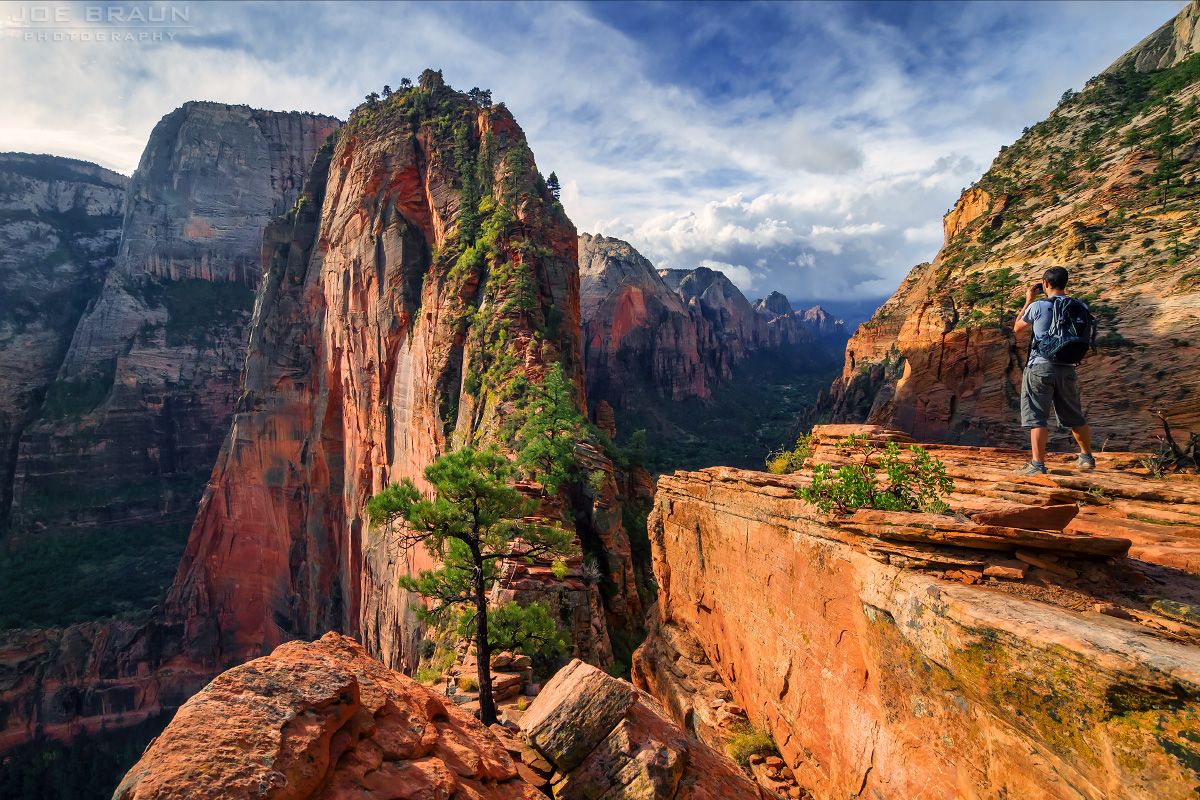
Angels Landing, a formidable sandstone monolith rising nearly 1,500 feet above the floor of Zion Canyon, is more than just a popular hiking destination; it's a pilgrimage for many outdoor enthusiasts. Its sheer, intimidating faces and the narrow, exposed spine that leads to its summit have etched it into the annals of legendary hikes. The journey is renowned for its thrilling final half-mile, where chains bolted into the rock serve as handholds, guiding hikers along a precipitous path with dizzying drop-offs on either side. This section is not for the faint of heart, demanding a healthy respect for heights and a steady nerve. The reward, however, is a 360-degree spectacle of Zion Canyon, a breathtaking panorama that stretches as far as the eye can see, showcasing the Virgin River snaking below, the towering Court of the Patriarchs, and the vast expanse of sculpted sandstone.
Planning Your Ascent: The Crucial First Steps
Embarking on the Angels Landing hike requires meticulous planning. Due to its immense popularity and the inherent safety concerns of the trail, Zion National Park has implemented a permit system. Visitors must enter a lottery to secure a permit to hike Angels Landing. This system, designed to manage crowds and enhance safety, means that spontaneous decision-making on the day of your visit is no longer an option for this particular trail. Researching the permit application process well in advance of your trip is paramount. Beyond permits, consider the best time of year to visit. Spring and fall offer the most pleasant hiking temperatures, avoiding the intense summer heat and the potential for icy conditions in winter. Always check the National Park Service website for current trail conditions, weather forecasts, and any advisement regarding closures or safety alerts. Proper gear is also non-negotiable: sturdy hiking boots with excellent grip, plenty of water, high-energy snacks, sun protection, and a headlamp are essential.
The Ascent Begins: From West Rim Trail to Scout Lookout
The journey to Angels Landing begins on the West Rim Trail, a well-maintained path that steadily gains elevation. This initial section, while still requiring effort, offers a relatively accessible introduction to the grandeur of Zion Canyon. The trail winds through the canyon floor, providing stunning views of the towering rock formations that give Zion its name. As you ascend, the landscape begins to transform, with the vegetation changing and the sheer scale of the cliffs becoming more pronounced. The trail eventually leads to Scout Lookout, a broad, relatively flat area that marks a significant turning point. Here, most day hikers will find an ample reward in the panoramic views. For those with permits and the courage to continue, Scout Lookout is the staging ground for the most challenging and exhilarating part of the trek.
The Chain Section: A Test of Nerve and Endurance
The final half-mile to the summit of Angels Landing is what truly defines the hike. This is where the trail narrows dramatically, transforming into a spine of rock with sheer drop-offs on both sides. To aid hikers, chains have been bolted into the rock face, providing a critical handhold. This section is an extraordinary feat of engineering, allowing access to an otherwise inaccessible summit. Navigating the chain section requires a combination of physical strength, balance, and mental fortitude. It's a slow, deliberate process, with hikers often forming a single-file line. Patience is key, as is a constant awareness of your surroundings. The feeling of traversing this exposed ridge, with the vastness of Zion stretching out beneath you, is an experience that is both terrifying and exhilarating, a true test of one's mettle.
Reaching the Summit: A View Worth Every Step
Upon completing the chain section, you arrive at the summit of Angels Landing. The feeling of accomplishment is immense, a culmination of physical exertion and mental determination. The 360-degree views from the summit are, quite simply, breathtaking. You are perched atop a geological marvel, offering an unparalleled perspective of Zion Canyon. The Virgin River appears as a silver ribbon, carving its way through the ancient landscape. Iconic formations like the Great White Throne and the Organ stand in stark relief against the azure sky. It's a moment of profound connection with nature, a reward that far surpasses any perceived risk. Take your time to soak in the splendor, to capture photographs that will forever remind you of this extraordinary achievement, and to appreciate the raw power and beauty of the natural world.
Safety First: Essential Precautions on Angels Landing
The allure of Angels Landing is undeniable, but safety must always be the paramount concern. This is a strenuous and inherently dangerous hike. Never attempt the chain section without a permit. Be aware of your physical limitations; if you have a significant fear of heights, this hike is not for you. Always hike with a partner, and inform someone of your hiking plans. Carry more water than you think you'll need, especially during warmer months. Wear appropriate footwear with excellent traction, as the rock can be slick. If the weather turns, or if there is any indication of lightning, do not proceed. Respect the trail and the environment, and leave no trace. The National Park Service provides extensive safety guidelines, and it is imperative to adhere to them.
Beyond the Summit: Exploring the Wider Zion Experience
While Angels Landing may be the star attraction for many, Zion National Park offers a wealth of other unforgettable experiences. The park boasts a diverse range of trails catering to all skill levels, from the paved Pa'rus Trail perfect for a leisurely stroll to the challenging Observation Point trail (when accessible) offering equally stunning, albeit different, vistas. The Narrows, a slot canyon hike where you wade through the Virgin River, is another iconic Zion adventure. Exploring the Zion Human History Museum provides valuable insights into the park's geological and cultural significance. Consider scenic drives along the Zion-Mount Carmel Highway, which offers a different perspective of the canyon's grandeur. Even if you don't secure a permit for Angels Landing, Zion National Park promises an immersive and awe-inspiring encounter with the wild beauty of Utah.
Journey Highlights
- Explore the murals in the Granary District. - Discover authentic international cuisine on Salt Lake City's west side. - Visit Memory Grove Park for a peaceful historical walk. - Hike Angels Landing in Zion National Park (permit required). - Find hidden bookstores and vintage shops in Sugar House.
Local Secrets & Insider Tips
Salt Lake City's Hidden Gems: Beyond the Guidebook
As a Salt Lake City local and seasoned travel writer, I've spent years uncovering the true heart of our city and its surrounding natural wonders. Forget the well-trodden paths; the real magic lies in the unexpected, the quiet corners, and the authentic experiences. Here's the insider scoop to help you discover Salt Lake City and its legendary neighbors like a true local.
Beating the Crowds & Finding Solitude
The key to experiencing Salt Lake City's beauty without the throngs is strategic timing and knowing where to look.
Memory Grove Park: Peak Tranquility: Aim for weekdays between 7:00 AM and 9:00 AM. This is when the park truly comes alive with morning joggers and dog walkers, but it remains exceptionally peaceful. The golden light filtering through the trees is breathtaking. The Changing of the Guard: While not a daily ceremony, if it's happening at the Pioneer Monument, the early morning hours (around 8:30 AM) offer a respectful and uncrowded viewing. Insider Tip: Wander off the main paved paths towards the small waterfalls and memorial plaques tucked into the hillside. These offer serene spots for reflection.
Granary District Murals: Golden Hour Photography: The best light for capturing the vibrant colors of the murals is mid-morning (10:00 AM - 11:30 AM) or late afternoon (4:00 PM - 5:30 PM). The "Hidden" Gems: Don't just stick to the main streets. Delve into the alleys off 400 West and 300 West between 600 and 700 South. You'll find incredible, often overlooked, smaller pieces by talented local artists. Look for the almost whimsical, hidden creatures. Pro-Tip: This area is exceptionally quiet on Sunday mornings due to limited business activity. You can have the entire district to yourself for a leisurely exploration.
Angels Landing (Zion National Park): The Ultimate Challenge Permit is Paramount: This is non-negotiable. You MUST secure a permit through the Zion National Park lottery system. Plan months in advance. The lottery opens several months prior to the hiking season. Do not even consider arriving at the trailhead without a confirmed permit. Earliest Slot is Key: If you are lucky enough to snag a permit, book the absolute earliest departure time available. This means being at the shuttle stop (Zion Lodge or The Grotto) before the first shuttle even runs. Weekday Advantage: While permits are the primary factor, if your permit window allows, choose a Tuesday, Wednesday, or Thursday. These days generally see slightly fewer hikers than Mondays or Fridays. Beyond the Chains: Once you reach Scout Lookout (the point before the chained section), if you have the technical climbing experience and appropriate gear (harness, helmet, knowledge of climbing techniques), there are less-trafficked, unofficial routes that can offer a more solitary experience of the ridge. However, this is extremely dangerous and only for seasoned, self-sufficient climbers. Pro-Tip for Solitude (Post-Permit): Hike during the shoulder seasons (April-May and September-October). The weather is more pleasant, and the crowds, while still present, are slightly less intense than the peak summer months.
Hidden Entrances & Viewpoints
Escape the typical tourist routes by seeking out alternative access points and elevated perspectives.
City Creek Canyon: The Backdoor Access: Instead of the popular main paved road entrance near Temple Square, seek out trailheads connecting from the Bonneville Shoreline Trail, specifically east of Memory Grove Park. This offers a more rugged and less populated ascent into the canyon. Insider Trail: Look for the unmarked trail that branches off the Bonneville Shoreline Trail and climbs steeply towards the canyon rim. This will lead you to "The Spires," a dramatic rock formation with incredible, secluded views. Pro-Tip: Pack a picnic and enjoy it at one of the secluded benches along the Bonneville Shoreline Trail before descending into City Creek.
The Benches Above Liberty Park: The "Secret" Hills: Most visitors explore the sprawling lawns and pond of Liberty Park. For superior city vistas with minimal foot traffic, head to the western edge of the park, near the Tracy Aviary. Hike up the gentle, grassy inclines that overlook the main park area. Sunset Spectacle: These elevated spots offer unobstructed, panoramic views of the Salt Lake Valley, with the city lights beginning to twinkle as the sun dips below the horizon. It's a truly magical and surprisingly private experience. Hidden Picnic Spot: There are several secluded picnic tables tucked away on these higher slopes, perfect for a romantic evening or a quiet family outing.
Must-Try Local Flavors
Salt Lake City's culinary scene is a vibrant tapestry of global influences, with some of the best bites found in unassuming places.
A Taste of the West Side - The International Hub: Pupusa Paradise: In the neighborhoods surrounding the International Peace Gardens (around 900 West and 700 South), you'll find authentic Salvadoran eateries. Look for the brightly colored signs. "Pupusas La Esperanza" (a hypothetical but representative name) is a local favorite for their perfectly grilled pupusas with a variety of fillings (carnitas, cheese, beans). Ask for their curtido (cabbage slaw) and salsa roja on the side. Vietnamese Delights: Wander a few blocks further and seek out small, family-run pho restaurants. "Pho 99" (again, representative) is known for its rich, aromatic broth and fresh herbs. Their "Bun Bo Hue" (spicy beef noodle soup) is a local secret for those who crave a bit of heat. The Daily Special: Always, always, ask for the daily special. These are often the chef's freshest offerings and showcase the most authentic regional dishes.
Sugar House Sweet Treats - The Hidden Bakery: The Legendary Cookie Spot: Forget the chain coffee shops. In Sugar House, tucked away on a quiet side street like 2100 South between 1300 East and 1100 East, you'll find a small, unassuming bakery. Ask any local for "the best cookies in Sugar House" and they'll likely point you here. The Rotating Masterpiece: Their weekly rotating flavor is the stuff of legend. One week it might be a lavender-honey shortbread, the next a decadent dark chocolate chili cookie. Don't be afraid to try it – it's always a revelation. Pro-Tip: Visit on a weekday morning between 10:00 AM and 11:00 AM for the freshest batch and a shorter wait.
Logistical Pitfalls to Avoid & Pro-Tips
Navigating Salt Lake City and its surrounding natural beauty requires a little foresight to ensure a smooth and enjoyable experience.
Parking in Downtown SLC: Garages are Your Friend: The most reliable and stress-free parking options are the downtown parking garages. The Regent Street Garage, City Creek Center Garage, and Scott Avenue Garage offer ample space. Embrace Ride-Sharing: For evenings out or when attending events, Uber and Lyft are readily available and often more convenient than searching for street parking. Street Parking Savvy: If you do opt for street parking, be hyper-aware of parking meter times and street sweeping schedules. Violations can be costly.
Angels Landing Permits - Reiteration is Crucial: The Lottery System is Strict: There is NO on-site permit system or day-of availability. The lottery is your only gateway. Check the official Zion National Park website for lottery dates and application windows. Water, Water, Everywhere: Carry at least 3-4 liters of water per person, even on cooler days. The desert sun is intense, and dehydration is a serious risk. Electrolyte supplements are also highly recommended. Footwear is Non-Negotiable: Sturdy, closed-toe hiking boots with excellent grip are essential. Think Vibram soles. Flip-flops, sandals, and casual sneakers are dangerous and will lead to slips and falls. Gloves for Grip: Many hikers find it helpful to wear thin, grippy gloves for better handhold on the chains.
Seasonal Closures & Conditions: Mountain Weather is Unpredictable: Salt Lake City itself is generally accessible year-round. However, high-elevation trails and canyon roads (like Guardsman Pass, Alpine Scenic Loop) can be impassable due to snow from late October through May/June. Always Check Conditions: Before embarking on any mountain excursion, consult the Utah Department of Transportation (UDOT) website for road closures and AllTrails or dedicated park websites for trail conditions. A quick call to the relevant visitor center is also a wise move. Avalanche Awareness: During winter months, if venturing into backcountry snow-covered areas, always be aware of avalanche risk and have the proper training and gear.
Safety and Etiquette
Respecting the environment and fellow adventurers ensures a positive experience for everyone.
Leave No Trace: This is paramount. Pack out everything you pack in, including all trash and food scraps. Stay on designated trails to protect fragile vegetation. Yield to Uphill Hikers: When encountering other hikers, those going uphill have the right of way. Step aside and allow them to pass. Respect Wildlife: Maintain a safe distance from all wild animals. Never feed them, as it can disrupt their natural behaviors and make them dependent on humans. Noise Levels: Be mindful of your noise levels, especially in quieter areas like Memory Grove or during early morning hikes. Let others enjoy the peace and tranquility. Angels Landing Etiquette: When ascending the chained section, allow faster hikers to pass when safe and possible. Avoid stopping in the middle of the chain for extended periods or photo opportunities. The chains are for transit, not for lounging. Permit Responsibility: If you have an Angels Landing permit, ensure you understand the rules and regulations associated with it. Do not attempt to hike without one or to pass your permit to others.
Common Questions
Frequently Asked Questions About Visiting Angels Landing from Salt Lake City
Q: How far is Angels Landing from Salt Lake City, and what's the best way to get there?
A: Angels Landing is located within Zion National Park, which is approximately a 4-hour drive south of Salt Lake City. The most common and convenient way to travel from Salt Lake City to Zion National Park is by car. You can rent a vehicle in Salt Lake City and drive south on I-15. Once you reach Zion National Park, you will need to park your vehicle at the Zion Canyon Visitor Center or a designated parking area and then utilize the park's mandatory shuttle system to reach the Angels Landing trailhead (The Grotto).
Q: Is a permit required to hike Angels Landing, and how can I obtain one?
A: Yes, a permit is absolutely required to hike the Angels Landing trail. Due to the trail's extreme popularity and safety concerns, the Zion National Park Service has implemented a permit system through a lottery. There are two types of lotteries:
Seasonal Lottery: This lottery is typically open several months in advance for a specific hiking season. You can apply for permits for specific dates during this period. Day-Before Lottery: This lottery is for permits requested the day before your intended hike. It's a good option if you're planning a spontaneous trip or missed the seasonal lottery.
It is crucial to visit the official Zion National Park website for the most up-to-date information on lottery dates, application windows, and procedures, as these can change. Apply well in advance of your planned trip, as demand for permits is extremely high.
Q: What is the difficulty and what should I expect on the Angels Landing hike?
A: Angels Landing is considered a strenuous and challenging hike, rated as strenuous by the National Park Service. The trail involves significant elevation gain, and the final half-mile to the summit is famously exposed, featuring steep drop-offs on either side. Hikers will navigate narrow rock fins with chains bolted into the rock for assistance and support. This section requires a good head for heights, strong upper body strength, and excellent balance. It is not recommended for individuals with a fear of heights, young children, or those who are not physically fit. The total hike is approximately 5.4 miles roundtrip and can take 3-5 hours to complete, depending on your pace and crowd levels.
Q: What are the essential safety precautions and gear needed for Angels Landing?
A: Safety is paramount on the Angels Landing hike. Essential precautions include:
Permit: Ensure you have secured a permit. Hiking without one can result in fines. Footwear: Wear sturdy, closed-toe hiking boots with excellent traction. Water: Carry ample water, at least 3-4 liters per person, as there is no water available on the trail itself. Sun Protection: Utilize sunscreen, a hat, and sunglasses, as there is little shade. Snacks: Bring high-energy snacks to maintain your stamina. Weather Awareness: Check the weather forecast before you go. The trail can become dangerous during thunderstorms, high winds, or icy conditions. Do Not Hike if Unfit: Be honest about your physical capabilities. Child Safety: Children under a certain age are not permitted on the permit lottery, and even if they were, the exposed sections are highly unsuitable for most children.
Q: Are there alternative hikes in Zion National Park if I can't get a permit for Angels Landing or find it too challenging?
A: Absolutely! Zion National Park offers a wealth of stunning and rewarding hikes that do not require permits or are less strenuous than Angels Landing. Some excellent alternatives include:
Emerald Pools Trail: A moderate hike with beautiful waterfalls and pools. Riverside Walk: A paved, accessible trail that leads to the mouth of The Narrows. Observation Point (via East Mesa Trail): While the main trail is currently closed, the East Mesa Trail offers an alternative route to a spectacular panoramic view of Zion Canyon. Weeping Rock Trail (when open): A short, paved trail leading to a unique alcove with dripping water. Canyon Overlook Trail: A moderate hike with incredible views, located on the east side of the park.
These alternatives provide breathtaking scenery and a fantastic Zion experience without the permit requirements or extreme exposure of Angels Landing.