Uncover San Luis Potosi's most guarded culinary secret. A dish so delicious, locals fight to keep it hidden. Click NOW before it's banned!
Enchiladas Potosinas: San Luis Potosí's Fiery Treasure - A Recipe Revealed
The 'Enchilada Potosina' is more than just a dish; it's the beating heart of San Luis Potosí's gastronomy. While the title playfully suggests secrecy, the truth is this culinary icon is proudly shared, a testament to the region's rich heritage and the ingenuity of its cooks. This is not your average enchilada; it's a vibrant masterpiece, a symphony of flavors and textures born from the meticulous selection of ingredients and the patient art of traditional preparation. Its distinctive crimson glow, a result of the careful infusion of dried chilies, promises a comforting yet exhilarating taste that lingers long after the last bite. Prepare to embark on a culinary journey, for this is not merely sustenance, but an immersive cultural experience served directly to your table.
The Soul of the Sauce: Crafting the Crimson Elixir
The distinct red hue and the complex, nuanced flavor of Enchiladas Potosinas are primarily attributed to the star ingredient of its sauce: the chile ancho. These aren't just dried poblano peppers; they are the very soul of this dish, painstakingly transformed into a velvety, rich elixir. The process of preparing them is as crucial as selecting the finest specimens. We begin with selecting plump, dark, and leathery chile anchos, ensuring they are free from mold or excessive dust. The key is to toast them gently – a delicate dance over a low flame, turning them constantly until they release their intoxicating aroma. This toasting process awakens their dormant sweetness and deepens their earthy notes, preventing any bitterness.
Once toasted, the chilies are rehydrated in hot water until they are pliable and plump. This crucial step softens them, allowing them to blend into a smooth, luxurious sauce. The seeds and stems are meticulously removed, as they can impart an unwelcome bitterness. The softened chilies are then blended with a carefully balanced mix of aromatics. This is where the magic truly unfolds. A touch of garlic, softened and mellowed by simmering, provides a pungent depth. A whisper of onion, caramelized to sweetness, adds another layer of complexity. Some purists insist on a tiny pinch of cumin, just enough to add a subtle warmth without overpowering the chili's natural essence. This carefully orchestrated blend is then simmered, allowing the flavors to meld and deepen, creating a sauce that is both robust and elegantly refined. The consistency is paramount: a thick, luscious sauce that coats the tortillas without drowning them.
Beyond the Basic Tortilla: The Art of the Potosina Foundation
While corn tortillas are the bedrock of many Mexican dishes, in Enchiladas Potosinas, they undergo a transformation that elevates them to a new level of culinary artistry. The magic begins with the selection of exceptionally fresh, high-quality corn tortillas. These are not your mass-produced, pre-packaged varieties. They are pliable, with a subtle chewiness that promises to hold their form during the subsequent cooking processes. The tortillas are then lightly fried. This is not a deep-frying that renders them greasy and brittle. Instead, it's a quick bath in hot oil, just enough to give them a slight crispness on the edges while maintaining their inherent suppleness. This brief frying step is critical, as it prevents them from becoming soggy when bathed in the flavorful chili sauce.
The key to achieving the signature Potosina texture lies in the technique. The lightly fried tortillas are immediately dipped into the warm, vibrant chile ancho sauce. This is a swift, decisive dip, ensuring each side is generously coated in the crimson elixir. They are not left to soak; the goal is for the sauce to adhere to the tortilla's surface, infusing it with flavor and color without compromising its structural integrity. This careful immersion is what gives the Enchilada Potosina its characteristic soft, yielding texture, a perfect counterpoint to the richness of the filling and the toppings. The slight crispness from the initial fry provides a subtle textural intrigue that makes each bite an adventure.
The Hearty Embrace: Filling the Enchilada Potosina
The heart and soul of an Enchilada Potosina lies not only in its magnificent sauce but also in the carefully chosen fillings that provide substance and savory delight. While variations exist, the most cherished and traditional fillings highlight the robust flavors of locally sourced ingredients. The most iconic filling is undoubtedly shredded chicken. This chicken is not simply boiled; it's simmered gently in an aromatic broth infused with herbs like cilantro and epazote, along with a touch of garlic and onion. This slow cooking process renders the chicken incredibly tender and flavorful, allowing it to absorb the subtle nuances of the broth. Once cooked, it's shredded into delicate strands, creating a succulent and satisfying core for the enchilada.
Another beloved and equally traditional filling is seasoned ground pork. This pork is typically sautéed with finely diced onion and garlic until perfectly browned and fragrant. The seasoning is usually a simple but effective blend of salt, pepper, and sometimes a pinch of oregano, allowing the natural richness of the pork to shine through. Some adventurous cooks also incorporate a small amount of finely chopped onion into the ground pork mixture, adding a delightful textural contrast and a hint of sweetness. For those seeking a vegetarian option, or simply a different flavor profile, perfectly cooked shredded beef is also a popular choice, often braised until meltingly tender. Regardless of the primary protein, the filling is seasoned judiciously to complement, rather than compete with, the dominant flavors of the chili sauce, creating a harmonious and deeply satisfying culinary experience.
The Crown Jewels: Essential Potosina Toppings
The presentation of an Enchilada Potosina is as vital as its creation, and its crowning glory comes in the form of a carefully curated selection of toppings. These are not mere afterthoughts; they are integral components that contribute to the dish's visual appeal and its complex flavor profile. The first and most essential topping is a generous dollop of crema fresca. This slightly tangy, rich cream provides a cooling contrast to the warmth of the chili sauce, its velvety texture a luxurious counterpoint to the yielding tortilla and hearty filling. It acts as a palate cleanser, allowing each bite to be savored anew.
Equally indispensable is the finely crumbled cotija cheese. This firm, salty Mexican cheese offers a delightful textural crunch and a sharp, savory punch that cuts through the richness of the crema and the sauce. Its crumbly nature ensures an even distribution of its delightful salinity with every forkful. The vibrant green of finely chopped white onion, thinly sliced, adds a refreshing bite and a welcome sharpness that awakens the senses. Finally, a scattering of fresh cilantro leaves, with their bright, herbaceous aroma, brings a final flourish of color and an invigorating burst of freshness, rounding out the ensemble and transforming a delicious dish into an unforgettable culinary masterpiece.
The Ritual of Assembly: Bringing it All Together
The assembly of Enchiladas Potosinas is a practiced ritual, a dance of hands and ingredients that transforms humble components into a culinary icon. It's a process that demands both efficiency and care, ensuring each enchilada is a testament to tradition. First, the lightly fried, sauce-dipped tortillas are laid out, ready to receive their bounty. A generous portion of the chosen filling – be it tender shredded chicken, savory ground pork, or succulent shredded beef – is placed strategically in the center of each tortilla. The amount of filling is crucial: enough to be satisfying, but not so much that it overwhelms the tortilla or makes rolling difficult.
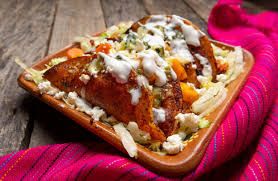
With practiced hands, each tortilla is carefully rolled, encasing the delicious filling within its crimson embrace. These rolled enchiladas are then arranged snugly in a serving dish, side by side, creating a beautiful, vibrant mosaic. They are typically served immediately, while still warm and the flavors are at their peak. The toppings are then applied with an artist's touch. A generous swirl of crema fresca cascades over the top, its pale creaminess a stunning contrast to the deep red of the enchiladas. Next comes the scattering of crumbled cotija cheese, its white flecks adding a textural intrigue. Finally, the finely chopped onion and fresh cilantro are sprinkled with abandon, adding pops of green and a fresh, herbaceous aroma. The result is not just a plate of food, but a visually stunning presentation, a promise of the culinary delights to come.
Variations on a Theme: Exploring the Potosina Spectrum
While the core of the Enchilada Potosina remains consistent – the chile ancho sauce, the fried tortilla, and the essential toppings – the beauty of this dish lies in its subtle variations and the room it allows for personal interpretation. These variations, often dictated by family traditions or regional nuances within San Luis Potosí, offer a fascinating glimpse into the adaptable nature of beloved recipes. One common variation focuses on the intensity of the chili sauce. Some families prefer a milder, more subtly sweet sauce, achieved by removing more seeds and membranes from the chile anchos, or by incorporating a small amount of tomato into the blend to temper the chili's heat.
Conversely, others revel in a more robust, spicier version, achieved by leaving some seeds in, or by adding a small, fiery chile de árbol to the mix for an extra kick. The choice of filling also presents a spectrum of possibilities. Beyond the classic chicken and pork, some households incorporate ingredients like finely diced potatoes, sautéed with spices, for a heartier, vegetarian-friendly option. Certain modern interpretations might even include ingredients like sautéed mushrooms or a blend of cheeses within the filling, adding a contemporary twist to this traditional favorite. The essence of these variations is to honor the foundational elements while infusing them with a personal touch, ensuring that every Enchilada Potosina, regardless of its specific iteration, remains a deeply satisfying and culturally significant dish.
The Unofficial Secrets: Tips for Potosina Perfection
Achieving true Enchilada Potosina perfection often comes down to mastering a few subtle techniques and understanding the unspoken rules that govern this beloved dish. One of the most crucial "secrets" lies in the oil used for frying the tortillas. While vegetable oil is common, some purists swear by lard. The argument is that lard imparts a richer flavor and a more desirable crispness to the tortilla, a subtle depth that is hard to replicate. However, for those seeking a lighter option, a good quality vegetable oil will still yield excellent results.
Another often overlooked detail is the temperature of the chili sauce when dipping the tortillas. The sauce should be warm, but not boiling. Too hot, and the tortillas can become overly soft and break apart. Too cool, and they won't absorb the flavor as effectively. The ideal is a gentle simmer that allows the sauce to coat the tortillas beautifully without compromising their texture. Furthermore, the assembly itself is an art. Rolling the enchiladas too tightly can squeeze out the filling, while rolling them too loosely can result in a messy presentation. The sweet spot is a gentle, firm roll that holds the filling securely. Finally, and perhaps the most important "secret," is to serve them immediately. Enchiladas Potosinas are at their absolute best when enjoyed fresh, their flavors vibrant and their textures perfectly balanced. Delaying their enjoyment, even for a few minutes, can diminish the magic.
Journey Highlights
- Enchiladas Potosinas: A deep dive into the iconic dish. - Key Ingredients: Understanding the soul of the recipe. - Preparation Steps: A step-by-step guide to culinary perfection. - Expert Tips: Insider advice for the ultimate Potosino dining experience. - Budget & Checklist: Planning your culinary adventure.
Local Secrets & Insider Tips
Insider Secrets for the Ultimate Enchiladas Potosinas Experience in San Luis Potosí
As a lifelong resident and ardent chronicler of San Luis Potosí's vibrant food scene, I'm here to let you in on a secret that the tourist brochures often gloss over. Enchiladas Potosinas are more than just a dish; they are an institution, a comforting embrace of our heritage. And to truly experience them, you need to go beyond the obvious. This is your roadmap to savoring them like a true Potosino.
The Art of Timing: When to Savor, When to Avoid
Forget the midday rush that often engulfs the most popular spots. The true essence of Enchiladas Potosinas is best enjoyed during these strategic windows:
The Weekday Lunch Ritual (1:00 PM - 3:00 PM): This is the golden hour. As the sun reaches its zenith, so does the local appetite. Families and colleagues convene, transforming humble fondas into lively hubs of conversation and culinary delight. You'll witness the authentic rhythm of Potosino life, and the enchiladas will be at their freshest, having been prepared for the day's main meal. The Early Bird Special (Weekends, 8:00 AM - 9:30 AM): If you're an early riser and prefer a more serene experience, target smaller, family-run establishments just as they open on Saturdays and Sundays. The pace is slower, allowing for more personal interaction with the cooks and a chance to truly appreciate the delicate preparation before the weekend crowds descend. The Late Evening Calm (Weekdays, after 8:00 PM): For a more tranquil, almost intimate experience, consider a late dinner. Many smaller eateries remain open, and the atmosphere is significantly more relaxed, offering a chance for quiet contemplation over a plate of perfectly prepared enchiladas. However, be aware that some of the more specialized ingredients might be sold out by this time.
Times to Definitely Avoid:
Weekday Lunch Rush (11:30 AM - 1:00 PM): This is peak chaos. Expect long queues and a hurried atmosphere. Weekend Lunch (1:00 PM - 3:00 PM): While still enjoyable, the plazas and popular spots will be teeming with families, making it harder to find a table and truly soak in the ambiance. Major Holidays and Festivals: Unless you thrive in extreme crowds and a festive (and potentially overwhelming) environment, steer clear of the city center during local celebrations.
Navigating the Labyrinth: Finding the True Culinary Havens
The best Enchiladas Potosinas are rarely found on the main tourist drag. They are whispered about, discovered through word-of-mouth, and often tucked away in plain sight.
The Off-the-Beaten-Path Fondas: Calle Xicoténcatl: Venture a few blocks west of the main Plaza de Armas, especially on the side streets branching off Xicoténcatl. Look for small, often brightly painted buildings with an unassuming entrance. The scent of frying masa and simmering chile is your best guide. Avenida Venustiano Carranza (Eastward): As you move further east from the historic center, away from the immediate tourist zones, the fondas become more authentic. Keep an eye out for places packed with local workers and families. Barrio de San Juan de Dios: This historic neighborhood, while charming, also holds some culinary treasures. Explore its smaller streets for family-run eateries that have been serving the community for generations. Mercado Hidalgo's Hidden Alcoves: While the Mercado Hidalgo is a must-visit, resist the urge to flock to the first food stall you see. Insider Tip: Navigate towards the inner sections of the market, away from the main entrances. Look for stalls where locals are actively buying their produce or sitting down to eat. Ask vendors for "enchiladas de papa" (potato enchiladas) or "enchiladas de queso" (cheese enchiladas), as these are often the signature dishes at the most authentic stalls. The stall run by Doña Elena (look for a handwritten sign that hasn't changed in years) is legendary for its simple yet perfect rendition. The "Cocina Económica" Advantage: These are the true lifelines of affordable, delicious local food. They are no-frills establishments, often with a communal feel. Don't be intimidated by their simplicity; they are the heart of our culinary heritage.
Beyond the Enchiladas: A Symphony of Potosino Flavors
While Enchiladas Potosinas are the star, a true Potosino meal is a multi-course experience. Don't leave without trying these essential complements:
Gorditas de Horno: These are not your typical fried gorditas. They are baked pockets of masa, typically filled with savory stews like chicharrón en salsa verde (pork rind in green sauce) or requesón (ricotta-like cheese). Their texture is wonderfully soft and slightly chewy. Lentejas a la Potosina: A surprisingly complex and hearty lentil soup. It's often simmered with aromatic vegetables, a hint of pork, and a secret blend of regional spices that makes it incredibly comforting and flavorful. Caldo de Gallina: A rich and nourishing chicken soup, perfect for a lighter, yet satisfying meal. It's often served with rice and a squeeze of lime. Agua Fresca de Tuna: Prickly pear water. This refreshing drink is a vibrant magenta color and has a subtly sweet, slightly tart flavor. It's the perfect antidote to the slight heat of the enchiladas. Agua de Jamaica: Hibiscus tea, a tart and invigorating beverage that’s a staple in Mexican cuisine. Café de Olla: Traditional Mexican coffee, brewed with piloncillo (unrefined whole cane sugar) and cinnamon. It's a warm, aromatic, and deeply satisfying end to any meal.
Navigating the Practicalities: Pro-Tips for a Smooth Experience
San Luis Potosí is a city that rewards the prepared traveler. Here's how to avoid common pitfalls:
Parking Predicaments: Embrace Paid Parking Lots: The historic center is heavily regulated. Look for "estacionamientos" (parking lots) on the periphery. Rates are reasonable, and they offer security. Consider Ride-Sharing/Taxis: Apps like Uber and Didi are readily available and cost-effective. Taxis are also plentiful. It’s often more efficient and stress-free than trying to find street parking. The "Día de Plaza" Dance: Know Your Market Days: Saturdays are the most prominent market days. Many streets in the city center will be pedestrianized or have severely restricted vehicle access due to temporary stalls. Embrace the Walk: If you’re visiting on a market day, park further out and enjoy a leisurely walk. The vibrant atmosphere of the plaza with its vendors is part of the experience. Plan Alternate Routes: Use GPS that accounts for traffic and road closures. Cash is King (Mostly): While larger restaurants and some mercados might accept cards, many smaller fondas and market stalls operate strictly on cash. Ensure you have enough pesos on hand. "Por Favor" and "Gracias" Go a Long Way: Politeness is universally appreciated. A simple "Buenos días" or "Buenas tardes" upon entering a restaurant will be met with warmth. Portion Control (or Lack Thereof): Potosino hospitality often translates to generous portions. Don't be afraid to ask for a "media orden" (half portion) if you're not overly hungry, though this is less common in very traditional eateries.
Safety and Etiquette: Enjoying Your Culinary Journey with Peace of Mind
San Luis Potosí is a generally safe city, but like any urban environment, it's wise to be aware.
Street Smarts: Be Mindful of Your Belongings: As in any busy area, keep your valuables secure, especially in crowded markets and on public transportation. Stick to Well-Lit Areas at Night: When exploring after dark, opt for well-trafficked streets. Dining Etiquette: Don't Be Afraid to Ask: If you're unsure about an ingredient or a dish, ask your server. They're usually happy to explain. The "Salsa" Experience: Enchiladas are typically served with a side of salsa. Start with a small amount, as their heat levels can vary greatly. The "Propina" (Tip): While not mandatory in the same way as in some countries, tipping is appreciated. A 10-15% tip for good service is customary in restaurants. In fondas, a few extra pesos left on the table is a thoughtful gesture. Hydration is Key: The climate can be dry. Always carry a bottle of water, especially when exploring on foot.
By following these insider tips, you'll unlock the true heart of San Luis Potosí's culinary soul, one perfectly crafted Enchilada Potosina at a time. Enjoy your delicious adventure!
Common Questions
Frequently Asked Questions: Unveiling Enchiladas Potosinas, San Luis Potosí's Hidden Culinary Gem
This section answers common questions about Enchiladas Potosinas, the enigmatic dish from San Luis Potosí that locals are hesitant to share.
**Q1: What is the typical spice level of Enchiladas Potosinas, and how can it be adjusted?**
The characteristic warmth and depth of flavor in Enchiladas Potosinas are primarily derived from the use of chile anchos. These dried poblano peppers offer a complex, earthy, and slightly smoky profile. While they generally impart a mild to moderate heat, their reputation rests more on their rich, nuanced taste rather than overwhelming spiciness.
To adjust the spice level for your preference:
Reduce the quantity of chile anchos: Using fewer peppers will naturally decrease the heat. Remove seeds and veins: The seeds and the white pith (veins) inside the dried chiles contain the highest concentration of capsaicin, the compound responsible for heat. Carefully remove these before rehydrating and blending the peppers for the sauce. Consider adding a milder pepper: If you desire more bulk to the sauce without extra heat, you could incorporate a small amount of a milder dried pepper like chile guajillo, ensuring you still maintain the dominant chile ancho flavor. Control the amount of sauce: Applying less sauce to the tortillas will also reduce the perceived spiciness.
**Q2: Is it possible to recreate authentic Enchiladas Potosinas in a home kitchen, and where can I find the necessary ingredients?**
Absolutely! Preparing authentic Enchiladas Potosinas at home is not only possible but also a deeply rewarding culinary experience. While the dish boasts unique characteristics, the required ingredients are generally accessible.
Key ingredients and where to find them:
Chile Anchos: These are the cornerstone of the sauce. They are widely available in well-stocked Latin American or Mexican grocery stores. If you don't have a local market, they can also be easily purchased online from specialty food retailers or e-commerce platforms. Corn Tortillas: Fresh, high-quality corn tortillas are essential for the authentic texture and flavor. Fillings: Traditional fillings often include mashed potatoes (cooked until tender and seasoned), crumbled queso fresco, or a combination of both. Some variations may also incorporate finely shredded chicken or pork. Garnishes: Common garnishes include shredded lettuce, crumbled queso fresco, a dollop of Mexican crema or sour cream, and finely chopped white onion.
The cooking process itself is straightforward, involving preparing the sauce, lightly frying the tortillas, filling and folding them, and then bathing them in the flavorful chile ancho sauce.
**Q3: How do Enchiladas Potosinas distinguish themselves from other well-known types of enchiladas?**
Enchiladas Potosinas possess several distinctive features that set them apart from other regional variations of this beloved Mexican dish. The primary differentiators lie in the unique preparation of their sauce, the traditional fillings, and a specific assembly and garnishing technique.
Key distinctions include:
Sauce Base: The dominant flavor profile of Enchiladas Potosinas is created by a sauce made primarily from rehydrated and blended chile anchos. This imparts a rich, deep, earthy, and subtly sweet flavor with a mild to moderate heat. In contrast, other enchilada sauces might feature chiles like guajillo (for a brighter, fruitier flavor), pasilla (for a smoky, slightly bitter taste), or even a tomato-based sauce. Characteristic Fillings: While many enchiladas offer a wide array of fillings (shredded chicken, beef, beans), Enchiladas Potosinas are most traditionally characterized by their fillings of mashed potatoes or queso fresco (a crumbly, fresh white cheese). This simpler approach allows the chile ancho sauce to be the star of the dish. Assembly Technique: A hallmark of Enchiladas Potosinas is the method of lightly frying the corn tortillas until they are pliable but not crispy, then dipping them briefly into the chile ancho sauce before filling and folding them in half. This creates a distinct, almost pocket-like structure, unlike the common practice of rolling tortillas around the filling or layering them. Garnishing Style: While garnishes vary, the typical presentation involves a generous ladle of the chile ancho sauce over the folded enchiladas, followed by fresh toppings like shredded lettuce, crumbled queso fresco, a swirl of crema, and chopped onion. This contrasts with some enchilada preparations that might be baked in their sauce or feature more elaborate garnishes.