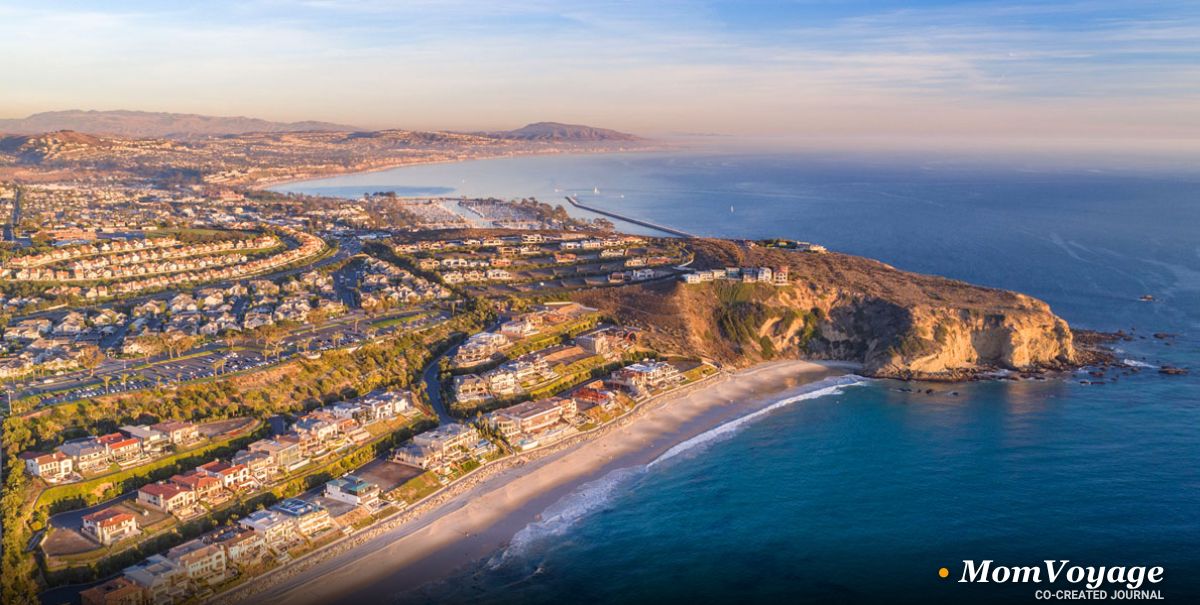
Embark on an unforgettable road trip from Santa Ana, CA to Seattle, WA. Uncover scenic routes, top attractions, and insider tips for your Pacific Northwest adventure.
The Great Pacific Northwest Expedition: Santa Ana to Seattle
Embarking on a road trip from Santa Ana, California, to Seattle, Washington, is a classic American adventure, traversing diverse landscapes from the dry Southern California sunshine to the lush, verdant beauty of the Pacific Northwest. This journey, primarily following the I-5 corridor, offers a fantastic opportunity to witness the dramatic transformation of the American West Coast. It’s a route that promises iconic vistas, charming towns, and the stunning natural splendor of the Pacific Northwest. Whether you're seeking urban exploration in Seattle or the tranquility of nature, this drive caters to a wide range of interests. This isn't just a drive; it's a pilgrimage through shifting ecosystems, cultural landscapes, and geological wonders, culminating in the vibrant Emerald City.
The Genesis of the Journey: Leaving the Golden State Behind
Your adventure begins in Santa Ana, a city nestled in the heart of Orange County, California. The arid beauty of Southern California, with its chaparral-covered hills and sun-drenched skies, serves as the initial backdrop. As you point your vehicle north, the landscape begins its subtle yet undeniable transformation. Leaving behind the familiar sprawl of Southern California, you'll encounter the agricultural heartland of the Central Valley, a stark contrast of vast, irrigated fields stretching to the horizon. This early stage of the journey is a study in contrasts, from the urban energy of Los Angeles to the open expanses of agricultural dominance. It's an opportunity to reflect on the sheer scale of California, a state that embodies so many diverse environments before you even cross its northern border. Consider the historical significance of this route, a modern-day echo of the journeys taken by pioneers seeking new opportunities, albeit with a much more comfortable and efficient modern highway system.
Oregon's Unveiling: Forests, Rivers, and Volcanic Majesty
As you cross into Oregon, the landscape undergoes a dramatic and exhilarating shift. The air grows cooler, the light takes on a softer quality, and the dominant color palette transitions from earthy browns and golds to a vibrant spectrum of greens. The I-5 corridor here is often flanked by the towering Douglas firs and Ponderosa pines that define the Oregon forests.
Key Oregon Highlights:
Mount Shasta's Shadow (Optional Detour): While not directly on I-5, a brief detour east of the freeway near Ashland offers breathtaking views of Mount Shasta, a majestic stratovolcano that dominates the northern California and southern Oregon skyline. Its snow-capped peak is a powerful visual marker of your increasing proximity to the Pacific Northwest. Ashland: A Cultural Oasis: This charming Southern Oregon town is renowned for its Oregon Shakespeare Festival. Even if you're not attending a play, its walkable downtown, independent bookstores, and vibrant atmosphere make for a delightful stop. Crater Lake National Park (Significant Detour): For a truly awe-inspiring experience, consider a significant detour to Crater Lake National Park. This caldera, formed by a massive volcanic eruption, holds the deepest lake in the United States and boasts unbelievably blue water. The drive around the rim offers panoramic views that are simply unforgettable. Eugene: A Bohemian Gem: Further north, Eugene offers a more relaxed, bohemian vibe. Known for its craft breweries, artisan shops, and the University of Oregon, it's a great place to stretch your legs and soak in some local culture. The Willamette River meanders through the city, providing scenic opportunities for walks or bike rides. The Willamette Valley Wine Region: For oenophiles, the Willamette Valley is a must. This fertile region is world-renowned for its Pinot Noir. Numerous wineries offer tastings and tours, providing a sophisticated interlude to your road trip. Plan for a leisurely afternoon or even an overnight stay to fully appreciate the varietals.
The transition from California's drier climate to Oregon's lushness is palpable. You'll notice an increase in rainfall, the air becoming infused with the scent of pine needles and damp earth. This is the true awakening of the Pacific Northwest, a region where water is life and nature reigns supreme.
Washington's Embrace: The Evergreen State Beckons
As you continue north into Washington, the evergreen character of the Pacific Northwest intensifies. The mountains become more prominent, and the sheer density of the forests is striking. The I-5 corridor becomes a gateway to a land of dramatic peaks, pristine coastlines, and a vibrant, forward-thinking culture.
Gateway to the North: Key Washington Stops
Mount Rainier National Park (Essential Detour): No trip to Washington is complete without experiencing the grandeur of Mount Rainier. This iconic stratovolcano, a mere few hours' drive from Seattle, offers hiking trails, meadows bursting with wildflowers (in season), and unparalleled views of its glaciated summit. Several visitor centers provide educational exhibits and access to various trails, from easy strolls to challenging climbs. Tacoma: A City of Arts and Industry: Situated south of Seattle, Tacoma boasts a revitalized waterfront, a thriving arts scene (highlighted by the Museum of Glass), and historical architecture. It’s a city that has successfully reinvented itself, offering a compelling blend of industrial heritage and cultural innovation. Olympia: The State Capital: A quick stop in Olympia, the state capital, allows for a glimpse into Washington's political heart. The capitol building itself is an impressive structure, and the surrounding grounds offer pleasant views of Capitol Lake. The Olympic Peninsula (Significant Detour): For those with extra time and a deep love for diverse natural beauty, the Olympic Peninsula is an absolute treasure. This vast wilderness encompasses temperate rainforests (Hoh Rainforest), rugged coastlines, and the majestic Olympic Mountains. Driving through this region offers an immersive experience in old-growth forests and dramatic ocean vistas.
The drive through Washington is a preview of the wonders that await in Seattle. The looming presence of the Cascade Mountains to the east and the Olympic Mountains to the west creates a dramatic and inspiring landscape. The ever-present greenery and the crisp, clean air signal your arrival in a region that truly lives up to its "Evergreen" moniker.
The Urban Crown Jewel: Seattle Unveiled
Your Pacific Northwest adventure culminates in Seattle, a city that perfectly embodies the spirit of the region. Nestled between Puget Sound and Lake Washington, with the Olympic Mountains to the west and the majestic Mount Rainier and the Cascade Mountains to the east, Seattle offers a breathtaking natural setting interwoven with a dynamic urban tapestry.
Experiencing Seattle: Beyond the Skyline
Pike Place Market: No visit to Seattle is complete without a sensory explosion at Pike Place Market. This historic public market is a vibrant hub of fresh produce, artisanal crafts, local seafood, and street performers. Don't miss the iconic "fish throwing" tradition and the original Starbucks store. Explore the lower levels for unique shops and a glimpse into the market's history. The Space Needle and Seattle Center: For panoramic views of the city, Puget Sound, and the surrounding mountains, a trip to the Space Needle is essential. The adjacent Seattle Center, built for the 1962 World's Fair, offers a wealth of attractions, including the Museum of Pop Culture (MoPOP) with its eclectic exhibits, the Chihuly Garden and Glass, and the Pacific Science Center. Waterfront Wonders: Stroll along the waterfront, where you can enjoy fresh seafood, visit the Seattle Aquarium, and take a ferry ride across Puget Sound for stunning city skyline views. The Argosy Cruises offer narrated tours, providing a different perspective of the city's maritime heritage. Neighborhood Exploration: Seattle is a city of distinct neighborhoods, each with its own unique character. Capitol Hill: Known for its vibrant nightlife, independent boutiques, and diverse culinary scene. Ballard: Famous for its Nordic heritage, Ballard Locks, and excellent breweries. Fremont: The "Center of the Universe," offering quirky public art (like the Fremont Troll) and a bohemian atmosphere. Pioneer Square: Seattle's oldest neighborhood, with its historic architecture and underground tours that reveal the city's buried past. Museums and Culture: Beyond Seattle Center, discover the Seattle Art Museum, the Wing Luke Museum of the Asian Pacific American Experience, and the Museum of History & Industry (MOHAI) for a deeper dive into the city's rich cultural landscape.
Seattle is a city that seamlessly blends urban sophistication with a deep appreciation for nature. The abundant rainfall, often light and misty, contributes to its lush greenery and the iconic "Emerald City" nickname. It's a place where innovation thrives, from its tech giants to its thriving arts and music scenes, all set against a backdrop of unparalleled natural beauty.
Navigating the Route: Practicalities and Considerations
Embarking on this extensive journey requires some forethought to ensure a smooth and enjoyable experience. The I-5 corridor, while a direct route, offers numerous opportunities for exploration and customization.
Planning Your Expedition:
Vehicle Preparedness: Ensure your vehicle is in excellent condition, with a recent service, good tires, and all fluids checked. The distances are significant, and you'll be encountering varying weather conditions. Accommodation: Book accommodations in advance, especially if traveling during peak season (summer) or holidays. Options range from budget-friendly motels to charming boutique hotels and unique Airbnb rentals. Consider staying in smaller towns along the route for a more intimate experience. Timing and Weather: The best time to undertake this drive is generally late spring through early fall (May to October) to avoid the heaviest winter rains and potential snow in mountain passes. However, even in summer, be prepared for fluctuating temperatures. Always check weather forecasts before and during your trip. Pacing Your Journey: This is not a trip to be rushed. To truly appreciate the diverse landscapes and attractions, plan for at least 5-7 days, or ideally longer, to allow for spontaneous detours and deeper exploration. Break down the drive into manageable segments. Navigation and Connectivity: While I-5 is well-marked, having a reliable GPS or navigation app is crucial. Consider downloading offline maps, as cell service can be spotty in more remote mountainous areas. National and State Park Passes: If you plan to visit multiple national or state parks, purchasing an America the Beautiful Pass (for national parks) or relevant state park passes can save you money. Fuel and Supplies: While there are ample gas stations and services along I-5, it's wise to fill up your tank when you have the opportunity, especially when venturing onto more remote roads. Carry a basic emergency kit and snacks. Flexibility: The beauty of a road trip is its inherent flexibility. Be open to spontaneous stops, unexpected discoveries, and changes in your itinerary. Sometimes the most memorable experiences are the unplanned ones.
Embracing the Mountain Spirit: A Journey Through Peaks and Valleys
This road trip, while primarily following a major interstate, is intrinsically linked to the mountainous terrain of the American West. From the volcanic grandeur of Mount Shasta and Mount Rainier to the rolling hills that eventually give way to the dramatic peaks of the Cascades and Olympics, the mountains are a constant, majestic presence shaping the landscape and influencing the climate.
The Mountainous Narrative:
Geological Marvels: The journey traverses regions shaped by immense geological forces. Volcanic activity has sculpted iconic peaks, while glaciation has carved out valleys and fjords. Understanding the geological history adds a layer of appreciation to the stunning vistas. Consider stopping at interpretive centers to learn about the tectonic plates, volcanic processes, and the forces that continue to shape the land. Elevation Shifts and Climate Zones: As you ascend in elevation, you'll witness a dramatic shift in climate and vegetation. The dry chaparral of Southern California gives way to coniferous forests, alpine meadows, and even snow-capped peaks, depending on the season and altitude. This transition is a living geography lesson. Mountain Towns and Communities: Many charming towns along the I-5 corridor, or with short detours, are nestled in mountain valleys or at the foot of significant peaks. These communities often have a distinct character, shaped by their proximity to nature, their history of logging or mining, and their current role as gateways for outdoor recreation. Think of the cozy inns, local eateries, and outdoor gear shops that cater to adventurers. Outdoor Recreation Hubs: The mountains are not just for viewing; they are for experiencing. The Pacific Northwest is a paradise for hikers, skiers, climbers, and nature enthusiasts. The route provides access to numerous trailheads, scenic viewpoints, and opportunities for activities like kayaking, fishing, and wildlife viewing. Even a short hike can offer incredible rewards and a deeper connection to the natural world. The "Rain Shadow" Effect: Understanding the concept of a "rain shadow" is key to appreciating the diverse climates. The western slopes of the Cascades receive abundant rainfall, fostering lush forests, while the eastern side can be significantly drier. This phenomenon contributes to the varied landscapes you'll encounter.
The "Mountain" category is more than just a descriptor for the terrain; it's the very essence of the Pacific Northwest's dramatic beauty and untamed spirit. The presence of these towering natural wonders imbues the entire journey with a sense of awe and adventure, reminding you of the raw power and enduring majesty of the natural world.
Journey Highlights
- Plan your route, considering stops in Oregon. - Book accommodations in advance, especially during peak season. - Prepare your vehicle for varying weather conditions. - Pack layers of clothing for a range of temperatures. - Download offline maps for areas with limited cell service.
Local Secrets & Insider Tips
who's made this drive more times than I can count, let me share some insider secrets to elevate your Santa Ana to Seattle journey.
Beat the Crowds at Mount Rainier: If you're aiming for the iconic Paradise area of Mount Rainier National Park, plan to arrive at the park entrance no later than 7:00 AM on weekdays, and even earlier – 6:30 AM on weekends – especially during summer. The parking lots fill up incredibly fast. For a more serene experience and stunning, less-trafficked trails, consider visiting the Sunrise area of the park. It opens later in the season but offers equally spectacular views with fewer people. Look for the unmarked trailheads near Reflection Lakes for unique photo opportunities without the crowds jostling for position.
Hidden Gems in Portland: Skip the tourist traps and head straight to Pok Pok NW for their legendary Ike’s Vietnamese Fish Sauce Wings – seriously, they are life-changing. Arrive for lunch around 11:30 AM to avoid the dinner rush. For a unique view of the city, instead of going up a tall building, find the Pittock Mansion grounds just before sunset. While the mansion itself is popular, the surrounding gardens offer panoramic views of Portland and Mount Hood with a fraction of the people.
Logistics Pitfalls to Avoid: Many travelers underestimate the sheer size of Oregon and Washington. Don't try to cram too much into one day. If you plan to visit the Oregon Coast, factor in at least a full day, if not two. The drive from I-5 to the coast and back adds significant time. Also, be prepared for potential wildfire smoke in late summer/early fall; it can dramatically impact air quality and views. Check air quality reports (like AirNow.gov) before you go.
Navigating Seattle Like a Local: For the absolute best, unobstructed view of the Space Needle and the city skyline, head to Kerry Park on Queen Anne Hill. Go early in the morning (around 8:00 AM) on a clear day, or late evening after the sunset crowds have dispersed. For authentic Seattle seafood without the tourist markup, venture to Ballard and try The Walrus and the Carpenter for their incredible oyster selection and small plates – get there right when they open at 4:00 PM. Avoid the Pike Place Market clam chowder stands and instead seek out a local dive bar like Roscoe's in the Phinney Ridge neighborhood for a surprisingly good and affordable bowl.
Common Questions
Frequently Asked Questions about the Santa Ana to Seattle Drive
Q: What is the best time of year to drive from Santa Ana to Seattle?
A: The best time to undertake this road trip is typically from late spring (May-June) to early fall (September-October). During these months, the weather is generally more pleasant, with milder temperatures and less rain, especially in the Pacific Northwest. Summer offers the warmest weather but also brings larger crowds. Spring can be beautiful with blooming wildflowers, while fall boasts stunning autumn foliage.
Q: How long does it take to drive from Santa Ana to Seattle?
A: The total driving distance is approximately 1,050 miles, and the pure driving time is around 16-18 hours without significant stops. However, to truly enjoy the journey and explore points of interest along the way, it's highly recommended to break this drive into at least 2-3 days, ideally longer if you plan to visit national parks or spend time in cities like Portland.
Q: What are some essential things to pack for this road trip?
A: Pack layers of clothing, as the weather can change significantly from Southern California to Washington. Include rain gear, comfortable walking shoes, sunscreen, a first-aid kit, snacks, a reusable water bottle, and a car phone charger. Don't forget a camera to capture the incredible scenery!
Q: Are there any scenic detours worth considering?
A: Absolutely! Instead of sticking strictly to I-5, consider detours to places like the Redwood National and State Parks in Northern California, the Oregon Coast (Highway 101), Crater Lake National Park in Oregon, or Mount Rainier National Park in Washington. These detours add significant beauty and experience to your trip.