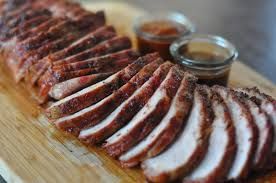
Sedona food like you've never seen it. Instagram vs. Reality for the Prickly Pear Pork. Discover the brutal, hidden truths behind this local favorite.
Sedona's Culinary Enigma: The Prickly Pear Pork ##
Sedona, Arizona, is renowned for its stunning red rock landscapes and vibrant arts scene. However, beneath the surface of tourist hotspots lies a culinary gem that many visitors miss: the Prickly Pear Pork. This dish embodies the spirit of the Southwest, blending indigenous ingredients with a unique preparation method. It's a testament to the region's history and its ability to transform simple, local ingredients into something extraordinary. This post delves deep into the heart of Sedona's local cuisine, focusing on this iconic recipe that speaks volumes about the area's culinary heritage.
The Star Ingredient: Prickly Pear Cactus ###
The foundation of this dish is the prickly pear cactus, a resilient plant native to the arid regions of North America. Its fruit, often called 'tuna' or 'sabíla', offers a unique sweet-tart flavor with vibrant magenta hues. It's packed with vitamins and antioxidants, making it a healthy and flavorful addition to any dish. The prickly pear's natural sweetness provides a delightful counterpoint to the savory pork, while its subtle tang cuts through the richness. Harvesting these fruits is an art in itself, requiring careful handling to avoid the tiny, hair-like glochids that can irritate the skin. Traditionally, they are roasted or peeled with extreme caution, often using tongs and a sharp knife. The pulp is then pressed to extract its vibrant juice, the key to the distinctive color and flavor of this Sedona specialty. Understanding the prickly pear is the first step in appreciating the depth of this culinary creation.
Sourcing the Perfect Pork for Prickly Pear Pork ###
While the prickly pear offers its unique magic, the pork serves as the canvas for this Southwestern masterpiece. The ideal cut for Prickly Pear Pork is one that can withstand slow cooking, ensuring tenderness and allowing the flavors to meld beautifully. Pork shoulder (also known as pork butt or Boston butt) is a prime choice. Its generous marbling of fat renders down during cooking, basting the meat from within and contributing to an incredibly moist and succulent result. Another excellent option is pork belly, which, when slow-braised, transforms into meltingly tender morsels with crispy edges, offering a delightful textural contrast. For those seeking a slightly leaner option, pork loin can also work, but it requires careful attention to avoid drying out. The key is to select a cut that benefits from extended, gentle heat. Some local Sedona chefs also champion heritage pork breeds, known for their richer flavor profiles and superior texture, further elevating the dish.
The Art of the Prickly Pear Marinade ###
The magic truly begins with the prickly pear marinade. This is where the indigenous fruit imparts its signature essence to the pork. A typical marinade will feature a generous amount of fresh prickly pear juice, its vivid color promising a visually stunning dish. This juice is often combined with a base of savory elements. Common additions include finely minced garlic, contributing pungency and depth; fresh oregano and thyme, echoing the desert's herbal notes; a touch of honey or agave nectar to enhance the natural sweetness of the prickly pear and aid in caramelization; and a splash of apple cider vinegar or lime juice to provide a balancing acidity that cuts through the richness of the pork. Some recipes might include a hint of smoky chipotle peppers, dried or fresh, for a subtle warmth and complexity. The key is to allow the pork to marinate for a significant period, ideally overnight, enabling the flavors to penetrate the meat deeply, transforming it into a tender, succulent, and uniquely Southwestern delight.
The Slow-Braised Transformation: Cooking the Prickly Pear Pork ###
The cooking method for Prickly Pear Pork is as crucial as its ingredients. Slow braising is the undisputed champion here, a technique that coaxes out the best in both the pork and the prickly pear marinade. The marinated pork is typically seared to develop a beautiful brown crust, locking in juices and adding another layer of flavor. It's then placed in a heavy-bottomed pot or Dutch oven, often with additional aromatics like onions and bell peppers, and a portion of the prickly pear marinade, sometimes supplemented with chicken or vegetable broth. The pot is then covered tightly and placed in a low oven, typically between 300-325°F (150-160°C), for several hours. The long, slow cooking process breaks down the connective tissues in the pork, rendering it incredibly tender and easily shreddable. The prickly pear continues to infuse the meat with its unique sweet-tart flavor and vibrant color, creating a sauce that is both rich and nuanced.
Finishing Touches and Presentation ###
Once the Prickly Pear Pork has reached its peak of tenderness, the finishing touches elevate it from a delicious braised dish to a culinary statement. The succulent pork is typically removed from the braising liquid and often shredded or sliced. The remaining braising liquid is then reduced to a thicker, more concentrated sauce, further intensifying the prickly pear and pork flavors. Some chefs might incorporate a knob of butter at this stage for extra richness and sheen. Presentation is key, and Prickly Pear Pork is often served atop a bed of creamy polenta, fluffy rice, or a medley of roasted desert vegetables like corn and squash. A sprinkle of fresh cilantro or finely chopped chives adds a burst of green and a fresh counterpoint. Garnishes can include a dollop of sour cream or crema fresca for coolness, or a scattering of toasted pepitas for added crunch. The vibrant magenta hues of the sauce against the rich pork create a visually arresting dish that is as beautiful as it is delicious.
Variations on a Southwestern Theme ###
While the core elements of Prickly Pear Pork remain consistent, Sedona chefs and home cooks have developed delightful variations on this classic. Some might introduce different chili peppers for varying levels of heat and smoke, such as ancho or guajillo, adding further complexity to the marinade. Others might incorporate fruit elements beyond the prickly pear, perhaps a touch of orange juice or dried cranberries to complement the sweet-tart profile. For a spicier kick, a dash of hot sauce or a pinch of cayenne pepper can be introduced. Some creative chefs have even experimented with smoking the pork before braising, infusing it with an additional layer of smoky flavor that pairs exceptionally well with the fruitiness of the prickly pear. These variations showcase the adaptability of the recipe and its ability to be personalized to individual tastes and regional influences.
Prickly Pear Pork's Place in Sedona's Culinary Identity ###
The Prickly Pear Pork is more than just a recipe; it's a culinary symbol of Sedona. It speaks to the region's resourcefulness, its ability to harness the bounty of the arid landscape, and its rich culinary heritage. It's a dish that tells a story of indigenous ingredients, traditional cooking methods, and the innovation of local chefs. When you savor a plate of Prickly Pear Pork in Sedona, you're not just enjoying a delicious meal; you're experiencing a taste of the land, a connection to its history, and an immersion into the unique flavor profile that defines this enchanting desert town. It's a culinary enigma that, once experienced, becomes an unforgettable part of any visit.
Journey Highlights
- The unique sweet-tart flavor of prickly pear. - The rich, tender texture of slow-braised pork. - A blend of smoky ancho chilies and zesty lime. - A true taste of authentic Southwestern cuisine.
Local Secrets & Insider Tips
Alright, so you're hunting for Sedona's Prickly Pear Pork? As a local who's eaten my way through this town more times than I can count, let me tell you, it's a bit of a quest. It's not something you'll find on every single menu, and when you do, everyone has their own spin on it. Forget those super-crowded tourist spots; this is how you find the real deal.
When to Go & How to Avoid the Chaos:
If you want the best shot at an authentic Prickly Pear Pork, do yourself a favor and aim for a weekday lunch. Think small, family-run places, and shoot for the sweet spot between 11:30 AM and 1 PM. Seriously, avoid weekend evenings like the plague – even the chill local joints get totally overrun. If you're curious about a specific place, let's say a spot called 'The Hideaway Cafe' (it's not a tourist trap, trust me), try calling them around 10:30 AM on a Tuesday or Wednesday. Ask 'em if Prickly Pear Pork is on the specials board. They'll probably think you're a bit odd, but hey, that's how you get the scoop!
Finding the Good Eats (It's Not About Literal Doors):
Forget looking for secret doors. What I mean is, the best food often hides in plain sight. Think unassuming strip malls or just a block or two off the main drag, away from the Tlaquepaque chaos. You want to see locals digging in, not just a sea of cameras. Sometimes, just chatting up a shopkeeper in a quieter area can lead you to amazing places. They usually know who's cooking what and where the good stuff is.
What Else to Order (If You're Lucky):
If you find a place doing Prickly Pear Pork right, you're probably in a spot that cares about quality ingredients. Beyond that, keep an eye out for dishes featuring local chiles – Hatch or Chimayo are usually a good sign. Navajo fry bread is another winner, and anything with roasted corn is usually a safe bet. I once found an out-of-the-way place with carne asada that was out of this world, all thanks to their secret marinade. And their posole? Surprisingly legit. My best advice? Just ask your server what they like to eat there. That's usually the best way to go.
The Little Things That Can Mess You Up:
Parking: Uptown Sedona parking is brutal, especially during busy times. Before you head out, check if your chosen spot has its own parking. Some do, but many rely on street parking or public lots that fill up fast. If you're coming from a designated parking area, the Sedona Shuttle is a lifesaver, especially if you plan on enjoying a drink or two with your meal. Reservations: Most of the small, local places don't bother with reservations. But if you do find one that takes them, especially for dinner, make one. Don't just assume you can waltz in, particularly if it's a busy season or during an event. Book a day or two ahead. Ingredient Quality: Honestly, the quality of the prickly pear itself is everything. If you ever decide to try making this at home, remember that the ripeness and freshness make a massive difference. Look for the deepest, richest magenta fruits you can find – that's where the best flavor and color come from.
Common Questions
Frequently Asked Questions About Sedona's Prickly Pear Pork
Q: Where can I source fresh prickly pears for this recipe in Sedona?
A: Fresh prickly pears are generally available in Sedona during their peak season, which spans late summer through early fall. For the best selection, visit local farmers' markets in the area. Specialty grocery stores might also carry them. If you are considering foraging your own, extreme caution is paramount due to their numerous spines and barbed glochids. Always wear heavy-duty, puncture-resistant gloves and use tongs to handle them. Thoroughly research identification and safe harvesting techniques before attempting to forage.
Q: Can I substitute canned prickly pear syrup for the fresh prickly pear puree in this recipe?
A: While prickly pear syrup can introduce some of the characteristic flavor and color of prickly pears, it is not a direct substitute for fresh puree and will result in a notably different outcome. Canned syrups are typically highly concentrated and significantly sweeter than fresh prickly pear pulp, often lacking the subtle tartness and complex fruity notes. If you choose to use syrup, you will need to significantly reduce or omit any added sugar in the recipe and be prepared for a less authentic flavor profile. The texture will also be different, as syrup is a liquid and puree contains the pulp.
Q: What is the anticipated spice level of the Prickly Pear Pork, and how can I adjust it?
A: The primary source of heat in this dish is the ancho chili, which contributes a rich, smoky flavor with a mild to moderate level of spiciness. The overall spice level is generally considered moderate. To customize the heat, you can adjust the quantity of ancho chili used. For a milder dish, use less ancho chili or opt for a milder chili pepper. To increase the heat, consider adding a pinch of cayenne pepper, a dash of hot sauce, or incorporating a finely minced jalapeño or serrano pepper, adding them with the other aromatics.
Q: What are the optimal side dishes to complement the flavors of Sedona's Prickly Pear Pork?
A: This dish offers a delightful interplay of sweet, savory, and slightly tart notes, making it versatile for pairing with a variety of sides. For a classic accompaniment, fluffy white rice or a Mexican rice pilaf would be excellent. Warm corn tortillas, either for scooping or as a side, are also a fantastic choice. A fresh, crisp green salad with a bright lime vinaigrette or a simple avocado salad can provide a refreshing counterpoint. Roasted corn on the cob, grilled vegetables like bell peppers and onions, or even a simple black bean salad would also harmonize beautifully with the pork's complex flavors.