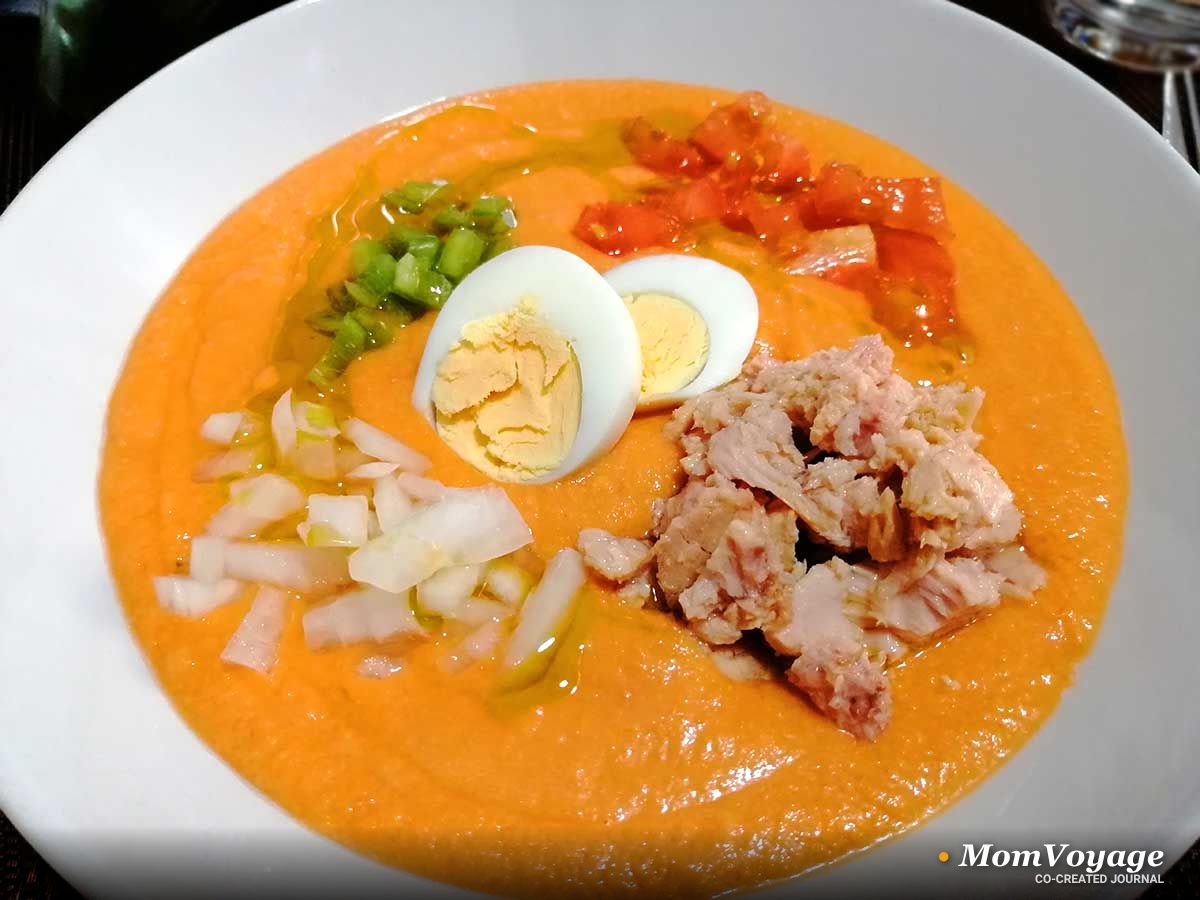
Explore Sevilla's culinary heart! Learn the authentic secrets of its most beloved local dish, from ingredients to preparation. Your guide to delicious Andalusian cuisine.
A Taste of Sevilla: Mastering the Art of Salmorejo
Sevilla's culinary landscape is a vibrant tapestry woven with centuries of tradition and influenced by its rich history. While the city boasts an array of exquisite dishes, one stands out for its pure, unadulterated Andalusian soul: Salmorejo. This creamy, cold tomato soup is a beloved staple, especially during the sun-drenched months, offering a refreshing and deeply satisfying taste of local life.
The Heart of Andalusian Simplicity
Salmorejo is the epitome of Spanish rural cuisine – transforming humble ingredients into something extraordinary. Unlike its lighter cousin, Gazpacho, Salmorejo is thicker, richer, and boasts a velvety texture that coats the palate. Its magic lies in its simplicity, allowing the quality of the core ingredients to shine through.
Authentic Ingredients for True Flavor
To capture the genuine essence of Salmorejo, sourcing the best ingredients is paramount:
- Tomatoes: The foundation of the dish. Use very ripe, flavorful tomatoes, ideally a local variety like Carmelo if available. Their sweetness and low acidity are key. - Bread: Stale, day-old white bread (pan de pueblo or similar) is essential for thickening and achieving the characteristic creamy consistency. Avoid soft, fresh bread. - Garlic: Just a clove or two, depending on your preference. It adds a subtle pungent warmth without overpowering the tomato. - Extra Virgin Olive Oil: A high-quality Spanish extra virgin olive oil is non-negotiable. It not only adds richness but also helps emulsify the soup into its signature smooth texture. - Sherry Vinegar: A touch of local sherry vinegar (vinagre de Jerez) provides the necessary tang to balance the richness of the tomatoes and oil. - Salt: To enhance all the flavors.
For the traditional garnish:
- Serrano Ham: Finely diced, salty jamón serrano offers a delightful contrast in texture and flavor. - Hard-Boiled Eggs: Chopped hard-boiled eggs add another layer of richness and visual appeal.
The Craft of Preparation
Creating the perfect Salmorejo is an art form that relies on technique and patience:
1. Tomato Preparation: Wash and roughly chop the ripe tomatoes. If they have tough skins or seeds, you can choose to peel and deseed them, though many traditional recipes don't. 2. Bread Soaking: Break the stale bread into rough pieces and soak them in a little water for a few minutes until softened. Squeeze out any excess water. 3. Blending the Base: Combine the chopped tomatoes, soaked bread, peeled garlic clove(s), and a generous pinch of salt in a powerful blender. Process until the mixture is as smooth as possible. 4. Emulsification: With the blender running on a low setting, slowly drizzle in the extra virgin olive oil. Continue blending until the mixture thickens and takes on a creamy, emulsified consistency. This may take several minutes. 5. Vinegar and Final Seasoning: Add the sherry vinegar and blend briefly. Taste the Salmorejo and adjust the salt and vinegar levels. It should have a perfect balance of sweet, tangy, and savory notes. 6. Straining for Silkiness: For the smoothest, most luxurious texture, press the Salmorejo through a fine-mesh sieve using a spatula or the back of a spoon. This removes any remaining fibers or seeds. 7. Chilling is Crucial: Transfer the strained Salmorejo to an airtight container and refrigerate for at least 2 to 3 hours, or preferably longer. Chilling allows the flavors to meld beautifully and ensures the soup is refreshingly cold. 8. Garnishing with Flair: Serve the chilled Salmorejo in individual bowls. Generously top with the finely diced Serrano ham and chopped hard-boiled eggs. A drizzle of good olive oil is also a welcome addition.
Salmorejo is more than just a dish; it's a culinary ambassador for Sevilla, embodying the warmth, flavor, and generosity of Andalusian hospitality. Enjoy this authentic taste of Spain!
Journey Highlights
- Discover Sevilla's Soul: Uncover the secrets of its most cherished local recipe, Salmorejo. - Authentic Ingredients: Learn what makes the difference, from ripe tomatoes to quality olive oil. - Step-by-Step Preparation: Master the art of creating this velvety cold soup at home. - The Perfect Garnish: Discover the traditional toppings that elevate Salmorejo.
Local Secrets & Insider Tips
who's seen generations perfect this dish, let me guide you on the nuances of truly experiencing our local flavors, especially the incomparable Salmorejo. This isn't just soup; it's a creamy, comforting embrace of Andalusia, and I'm here to help you find the best iterations and navigate the city like a seasoned local.
Timing and Crowd Avoidance: Mastering the Art of the Meal
While Salmorejo is a year-round delight, its peak perfection is undeniably from late spring (May) through early autumn (September). This is when the tomatoes are at their sweetest and the overall freshness of ingredients truly sings.
The Lunchtime Sweet Spot: For the most authentic and relaxed Salmorejo experience in a local bar, aim for lunch between 1:30 PM and 3:00 PM on a weekday (Monday to Friday). This is when Sevillanos gather for their main meal, and while busy, it's a vibrant hum rather than an overwhelming crush. Weekend Evening Minefield: Absolutely avoid weekend evenings, especially from 8:00 PM onwards. This is when tapas spots transform into a chaotic mix of locals, tourists, and hen/stag parties, making it near impossible to snag a seat or even get the bartender's attention for your Salmorejo. If you must go out on a weekend evening, consider a late lunch reservation or target the less tourist-centric neighborhoods. Early Bird Advantage: For a quieter, more contemplative Salmorejo experience, try visiting a bar just as they open for lunch (around 1:00 PM). You'll often find the first batch of Salmorejo is the freshest and made with the most care.
Hidden Gems and Local Haunts: Where the Real Flavors Reside
Forget the brightly lit tourist traps around the Cathedral. True culinary treasures lie in the labyrinthine alleys of our historic neighborhoods.
The Triana District: Venture across the Puente de Triana (Isabel II Bridge). This vibrant barrio, historically home to flamenco artists and ceramic artisans, boasts some of the most authentic and unpretentious bars. Look for places with patio seating or even simple standing room only where locals are engaged in lively conversation. The Macarena District: North of the old city walls, Macarena offers a more traditional Sevillano feel. This is where you'll find generations-old family-run establishments. Signs of Quality: A truly telling sign of a good Salmorejo bar is a small, handwritten chalkboard or a discreet plaque detailing the "mercado del día" (market finds of the day). This indicates a commitment to using fresh, seasonal produce, a non-negotiable for exceptional Salmorejo. The "Bar de Barrio" Vibe: Seek out bars where you see more locals than tourists, where the bartender knows regulars by name, and where the menu is predominantly in Spanish (though most places will have an English version if needed). The less polished, the more authentic the experience often is.
Must-Order Dishes Beyond Salmorejo: A Symphony of Sevillian Tastes
While Salmorejo is divine, to truly understand Sevillian cuisine, you must venture further. These dishes are the backbone of our tapas culture.
Espinacas con Garbanzos: Don't underestimate this seemingly simple dish. When done right, it's a revelation. Look for versions where the spinach is tender but not mushy, infused with the earthy warmth of cumin and garlic, and the chickpeas are perfectly cooked. It’s a vegetarian masterpiece. Flamenquín: This is a gloriously indulgent pork dish. Seek out places that serve it thinly sliced, showcasing the layers of tender pork and salty jamón serrano. A good flamenquín has a crisp, golden exterior and a moist, flavorful interior. Be warned: it's incredibly satisfying! Pescaito Frito: The cornerstone of coastal Andalusian cuisine, even inland. The key is freshness and a light, crisp batter. Always ask your server "¿Qué pescado frito está más fresco hoy?" (What fried fish is freshest today?). Often, it will be boquerones (tiny, whole anchovies), gambas (shrimp), or a mix of small fish like chopitos (baby squid). Cola de Toro: This is the ultimate comfort food. A slow-cooked oxtail stew that should be fall-off-the-bone tender, rich with the deep flavors of red wine and aromatic vegetables. It's a dish that speaks of patience and tradition. Solomillo al Whisky: While not always on every menu, if you see this, order it immediately. Pork loin cooked in a creamy, savory whiskey sauce. It's a rich, decadent dish perfect for dipping bread. Montadito de Palomitas: A delightful surprise! These are small, crispy fried chicken pieces served in a mini baguette, often with a special sauce. A modern twist on a classic tapa.
Drinks to Complement Your Culinary Journey
Cruzcampo: The local beer. While some might scoff, it's the ubiquitous accompaniment to tapas in Sevilla and perfectly refreshing on a warm day. Manzanilla or Fino Sherry: For seafood or lighter tapas, a dry sherry like Manzanilla from Sanlúcar de Barrameda or a Fino from Jerez is ideal. Tinto de Verano: The quintessential summer drink. Red wine mixed with lemonade or soda water. Far more refreshing and less potent than Sangria. Vino Blanco Local: Don't be afraid to ask for a recommendation for a local white wine. Andalusian whites are often crisp and excellent with tapas.
Logistical Pitfalls to Avoid: Navigating the Sevillian Tapas Scene
Mastering tapas etiquette is crucial for a seamless experience.
Tapas Etiquette: Ordering at the Bar: In most traditional tapas bars, order directly from the bartender. Make eye contact and be clear with your order. Don't expect table service if you're standing. Patience is a Virtue: Bartenders are skilled jugglers. Be patient, especially during peak hours. A polite "Por favor" (Please) goes a long way. When to Sit: If you wish to sit at a table, you'll often need to request it and may incur a slightly higher price for the service. Some bars have separate tapas menus for standing at the bar versus sitting at a table. Paying: You typically pay at the bar when you're finished, even if you've been sitting. Keep track of what you've ordered. The "Tapa" vs. "Ración": Understand the difference. A tapa is a small, complimentary or very cheap portion served with a drink (especially in Granada and other parts of Andalusia, though less common as a freebie in Sevilla's most popular spots). A media ración is a half-portion, and a ración is a full portion, meant for sharing. Most places in Sevilla offer a "tapa" version of their dishes for purchase, which is a good way to try multiple things. Spanish Meal Times: Remember that lunch is typically from 2:00 PM to 4:00 PM, and dinner is late, from 9:00 PM onwards. Many kitchens close between these times.
Safety and Etiquette: Being a Respectful Guest
Sevilla is a remarkably safe city, but like any urban environment, a little awareness goes a long way.
Pickpocketing: Be mindful of your belongings, especially in crowded tourist areas like the area around the Cathedral, Alcázar, and Plaza de España. Keep your bag in front of you and avoid leaving phones or wallets visible on café tables. Respect Local Customs: Dress Code: While Sevilla is generally relaxed, it's respectful to dress modestly when visiting churches. For tapas bars, casual is perfectly fine. Noise Levels: Sevillanos are passionate and can be boisterous, but when visiting smaller establishments, try not to be excessively loud and disruptive. Flamenco: If you attend a flamenco show, remain seated and quiet during performances. Clap and show appreciation, but avoid unnecessary chatter. Learn a Few Phrases: A simple "Hola" (Hello), "Gracias" (Thank you), and "Por favor" (Please) will be greatly appreciated and open doors to warmer interactions.
By following these insider tips, you'll not only find the most exquisite Salmorejo but also uncover the true soul of Sevillian gastronomy. ¡Buen provecho!
Common Questions
Frequently Asked Questions About Sevilla's Salmorejo:
Q1: What is Salmorejo and how is it different from Gazpacho? A1: Salmorejo is a traditional cold soup originating from Córdoba but widely popular in Sevilla. It's thicker and creamier than Gazpacho, made primarily with tomatoes, bread, garlic, olive oil, and sherry vinegar. Gazpacho is typically thinner and includes cucumber and bell pepper.
Q2: Can I use any type of bread for Salmorejo? A2: It's best to use day-old or slightly stale white bread. The starch in the bread helps to thicken and emulsify the soup, giving it its characteristic creamy texture. Avoid very soft or crusty breads.
Q3: What kind of tomatoes should I use? A3: Ripe, flavorful tomatoes are essential. Local varieties like Carmelo or Rama tomatoes work wonderfully due to their sweetness and lower acidity. The riper the tomato, the better the flavor.
Q4: How long should Salmorejo be chilled before serving? A4: For the best flavor and texture, Salmorejo should be chilled for at least 2-3 hours. This allows the flavors to meld together and ensures it's refreshingly cold.
Q5: Can I make Salmorejo ahead of time? A5: Yes, Salmorejo is an excellent make-ahead dish. It actually tastes better the day after it's made, as the flavors have more time to develop. Store it in an airtight container in the refrigerator.
Q6: What are the essential garnishes for Salmorejo? A6: The classic garnishes are finely diced Serrano ham (jamón serrano) and chopped hard-boiled eggs. A drizzle of good quality extra virgin olive oil is also common.