Explore Sevilla's hidden gems in 2026. Discover 21 unique monuments and secret spots with insider tips for an authentic, crowd-free Andalusian experience.
Sevilla's Hidden Gems 2026: Your Ultimate Guide
Sevilla's Most Beautiful City: 21 Monuments and Hidden Gems 2026
Sevilla, often lauded as the most beautiful city in the world, offers a tapestry of breathtaking monuments and enchanting hidden corners. As 2026 approaches, delve deeper into its charm with this curated list of 21 must-see sites and experiences that go beyond the ordinary tourist itinerary. Prepare to be captivated by the soul of Andalusia as we uncover its most treasured secrets.
1. Metropol Parasol (Las Setas) at Sunrise: While popular, visiting at dawn offers a serene experience with fewer crowds and stunning golden light over the city. This modern architectural marvel, affectionately nicknamed "The Mushrooms," provides an unparalleled panoramic vista. The early morning quiet allows for a more intimate connection with the sprawling urban landscape as it awakens. The interplay of light and shadow across the terracotta rooftops is a photographer's dream, and the cool morning air makes the ascent all the more pleasant.
2. Hospital de los Venerables: A Baroque masterpiece tucked away in the Santa Cruz quarter, showcasing incredible art and architecture. This former hospice, now a museum and cultural center, is a sanctuary of artistic splendor. Its stunning courtyard, adorned with intricate tilework and lush greenery, is a testament to Andalusian architectural prowess. The paintings within, particularly those by Murillo, are exceptionally well-preserved and offer a profound glimpse into religious art of the era.
3. Casa de Pilatos: A stunning Andalusian palace blending Mudejar, Gothic, and Renaissance styles, often overlooked for the Alcázar. This aristocratic residence is a true architectural jewel, boasting a breathtaking collection of azulejos (ceramic tiles) that adorn its courtyards and interiors. The gardens are a tranquil oasis, reminiscent of a Persian paradise, offering a welcome respite from the city's bustling energy. Each room tells a story, from its Roman influences to its Mudejar craftsmanship.
4. Iglesia de El Salvador: Sevilla's second-largest church, a beautiful Baroque gem with a less crowded atmosphere than the Cathedral. While the Cathedral often steals the spotlight, El Salvador offers its own unique grandeur. Its opulent Baroque interior, with gilded altarpieces and soaring ceilings, is a feast for the eyes. The church is also a significant historical site, housing important relics and offering a more contemplative spiritual experience.
5. Patio de Banderas: Offers a unique, less-frequented vantage point for admiring the Alcázar and a glimpse into the history of Seville's royal past. This charming square, located just beyond the walls of the Alcázar, provides an intimate perspective on the palace's grandeur. It's a perfect spot to soak in the atmosphere, enjoy a coffee at a nearby cafe, and imagine the centuries of history that have unfolded within these walls. The subtle details of the architecture here are often missed by those rushing to the main attractions.
Exploring the Artistic Soul and Architectural Marvels
Sevilla's beauty lies not just in its grand monuments but also in the intricate details and the stories woven into its very fabric. Beyond the well-trodden paths, a world of artistic expression and architectural innovation awaits discovery. These sites offer a deeper understanding of the city's rich cultural heritage.
6. Museo de Bellas Artes de Sevilla: Housed in a former convent, this museum boasts an exceptional collection of Sevillian Baroque paintings, with masterpieces by Murillo, Zurbarán, and Valdés Leal. It's a treasure trove for art lovers, offering a comprehensive journey through the golden age of Andalusian art. The serene atmosphere of the cloistered courtyard provides a perfect setting for appreciating these artistic gems.
7. Archivo de Indias (General Archive of the Indies): A UNESCO World Heritage site, this archive holds invaluable documents detailing the Spanish Empire's administration and exploration of the Americas and the Philippines. While not a typical tourist attraction, its historical significance is immense. Visitors can arrange guided tours to explore its vast halls and gain an unparalleled insight into a pivotal period of world history.
8. Torre del Oro (Tower of Gold): This iconic dodecagonal military watchtower on the Guadalquivir River offers not only historical insight but also charming views of the river and Triana. Its maritime museum inside provides a fascinating look at Seville's seafaring past. Ascend to the top for a breezy perspective and a different angle on the city's skyline.
9. Palacio de la Condesa de Lebrija: A stunning example of Andalusian aristocratic architecture, this palace features an incredible collection of Roman mosaics, some of the finest in Spain. The vibrant colors and intricate details of the mosaics, unearthed from local Roman villas, are astonishing. The palace itself is a beautiful residence, with charming courtyards and ornate ceilings that showcase traditional Sevillian design.
10. Capilla de los Marineros (Chapel of the Sailors): The spiritual home of the renowned Esperanza Macarena brotherhood, this chapel offers a glimpse into Seville's deep-rooted religious traditions and fervent Semana Santa (Holy Week) processions. The devotion and artistry within are palpable, especially when experiencing the chapel during a quiet moment.
Discovering Tranquil Oases and Local Flavors
Sevilla is a city that rewards slow exploration, revealing its secrets in quiet courtyards, fragrant gardens, and the bustling energy of its local markets. Stepping away from the crowds allows for a more authentic experience, connecting with the rhythm of daily life and savoring the city's distinct character.
11. Jardines de Murillo: Adjacent to the Alcázar, these expansive gardens offer a peaceful escape with their shaded pathways, fountains, and vibrant flowers. It's a perfect spot for a leisurely stroll, a picnic, or simply to relax and absorb the beauty of the surroundings. The intricate tilework and serene atmosphere make it a truly enchanting place.
12. Mercado de Triana: Located in the vibrant Triana district, this bustling market is a feast for the senses. Sample local delicacies, from Iberian ham to fresh seafood, and immerse yourself in the lively atmosphere. It's an ideal place to experience the authentic flavors of Seville and interact with local vendors. Beyond the food, the market's architecture, built on the ruins of the Castillo de San Jorge, adds another layer of historical intrigue.
13. Alameda de Hércules: Once a grand promenade, this lively square has transformed into a bohemian hub, brimming with tapas bars, cafes, and independent boutiques. It's a fantastic place to experience Seville's modern, vibrant social scene, especially in the evening when it comes alive with locals. The two Roman columns at its entrance are remnants of a past era, adding a touch of historical gravitas to the contemporary buzz.
14. Calle Mateos Gago: While leading to the Cathedral, this street itself is a vibrant artery lined with traditional tapas bars and artisan shops. Explore its charm, enjoy a drink and a bite, and soak in the lively atmosphere before or after visiting the main attractions. The facades of the buildings and the sounds of chatter create a quintessential Sevillian experience.
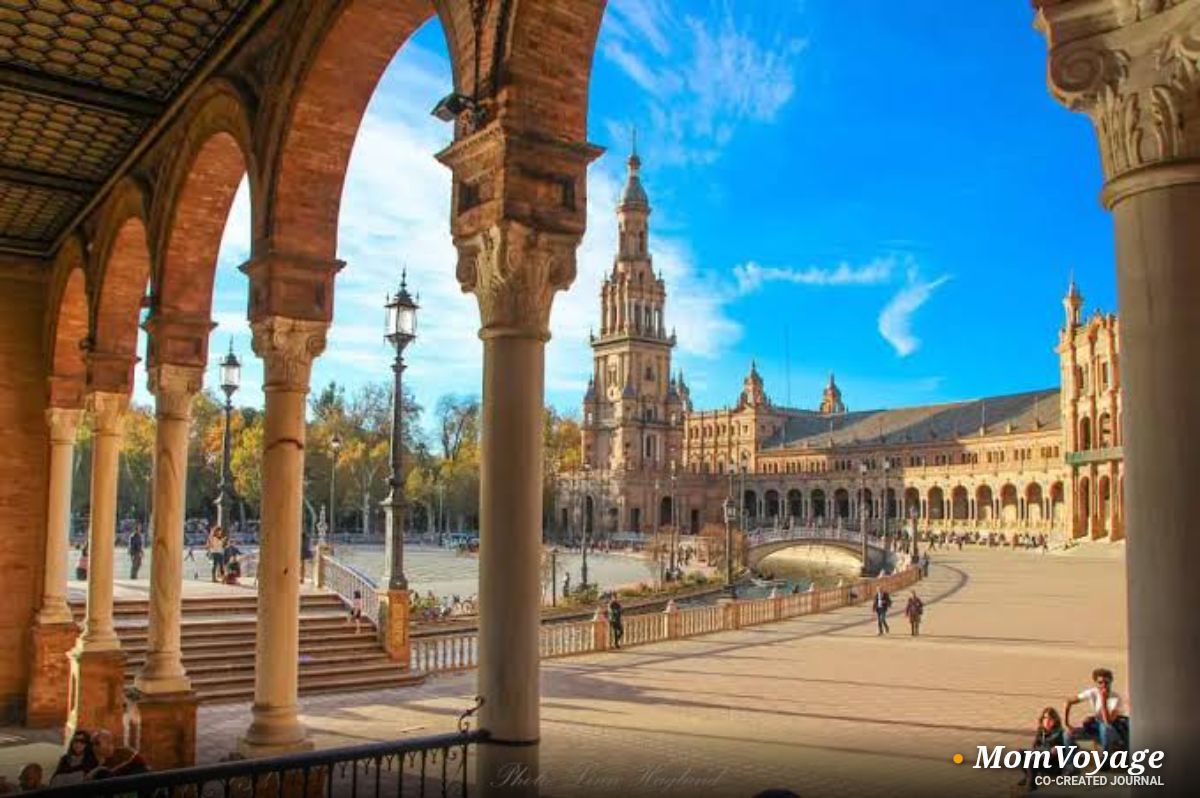
15. Parque de María Luisa: While a major park, its vastness allows for hidden corners and quieter sections. Explore its diverse flora, picturesque ponds, and charming pavilions. The Plaza de España within the park, though popular, has countless alcoves and bridges to discover, each offering a unique perspective.
Unveiling the Charm of Triana and Beyond
Across the Guadalquivir River lies the captivating Triana district, a neighborhood that pulses with its own distinct identity and artistic heritage. Its flamenco roots, vibrant ceramic tradition, and authentic charm offer a different yet equally compelling facet of Sevilla.
16. Cerámica de Triana (Triana Ceramics Museum): Delve into the rich history of Triana's world-renowned ceramics. This museum showcases the evolution of this art form, from its Moorish origins to its more contemporary expressions. Witness the skill and artistry involved in creating the iconic azulejos that adorn so many Sevillian buildings.
17. Calle Betis: This picturesque street along the Guadalquivir River offers stunning views of Seville's skyline, especially at sunset. Enjoy a drink at one of its many riverside bars and soak in the romantic ambiance. The colorful facades and the gentle lapping of the river create a truly magical setting.
18. The Triana Bridge (Puente de Isabel II): More than just a crossing, this iconic iron bridge is a landmark in itself. Admire its engineering and the panoramic views it offers of both Triana and the city center. It's a vibrant hub of activity, connecting two distinct but complementary souls of Sevilla.
19. Iglesia de Santa Ana: One of the oldest churches in Triana, this Gothic-Mudejar gem offers a serene escape and a glimpse into the district's spiritual heart. Its impressive architecture and historical significance make it a worthwhile visit for those seeking a deeper understanding of Triana's past.
Experiencing Flamenco Authenticity and Local Traditions
Sevilla is the birthplace of flamenco, and experiencing this passionate art form in its purest setting is an unforgettable journey. Beyond the performances, embracing local traditions offers a deeper connection to the Sevillian way of life.
20. Authentic Flamenco Tablao in Triana: While many tablaos exist, seek out one in Triana for a truly intimate and authentic experience. The raw emotion and palpable energy of a smaller venue can be incredibly powerful, showcasing the soul of flamenco. Look for places that prioritize the artistry over pure showmanship.
21. A Local Feria (Seasonal): If your visit coincides with a local feria, such as the famous Feria de Abril or a smaller neighborhood festival, seize the opportunity to immerse yourself in Sevillian culture. These vibrant celebrations offer traditional music, dance, food, and an unparalleled glimpse into the city's joyful spirit and community traditions. It's a kaleidoscope of color, sound, and festivity that embodies the heart of Andalusia.
Journey Highlights
- Metropol Parasol (Las Setas) at Sunrise - Hospital de los Venerables - Casa de Pilatos - Iglesia de El Salvador - Patio de Banderas - Plaza de Doña Elvira - Calle Betis - Ceramics Museum of Triana - Parque de María Luisa's Hidden Corners - Antiquarium - Capilla de los Mariscales - The Alameda de Hércules - Palacio de las Dueñas - Puente de Isabel II (Triana Bridge) - Torre del Oro Views - Archivo de Indias - Plaza del Cabildo - La Carbonería - Mercado de Triana - Calle Sierpes' Side Alleys - Jardín de Murillo
Local Secrets & Insider Tips
As a Sevillano who's seen this city evolve, let me share some secrets to truly experiencing Sevilla beyond the postcards in 2026.
Beating the Crowds: Metropol Parasol (Las Setas): Forget midday. Aim for your ticket precisely at 7:00 AM on a weekday. You'll have the walkways almost to yourself, with the city waking up below. It's magical. Casa de Pilatos: The real treat here is the early afternoon, between 1:00 PM and 3:00 PM, especially during the week. Many tour groups are at lunch, leaving the courtyards quiet. Don't miss the upper floor if accessible; it offers a different perspective. Iglesia de El Salvador: Pop in around 10:30 AM after the main morning rush for the Cathedral but before the lunch break. The light filtering through the stained glass is spectacular, and you'll likely share it with only a handful of others.
Hidden Entrances & Viewpoints: Patio de Banderas: While many flock to the Alcázar's main entrance, walk around to the Plaza de Doña Elvira and look for the less obvious, smaller access point to this charming courtyard. The Giralda view from here is framed perfectly, with fewer people jostling for photos. Parque de María Luisa: Most people stick to Plaza de España. Wander deeper into the park towards the Glorieta de Bécquer or the smaller, ornamental ponds near the University. You'll find secluded benches and fountains. Triana Ceramics: Instead of just the museum, seek out the smaller artisan workshops tucked away on side streets like Calle Alfarería. Some allow you to peek into their studios. The best views of Sevilla's skyline are actually from the lesser-known sections of Calle Betis, further away from the main bridge.
Culinary Delights (Local Favorites): Bodega Santa Cruz (Las Columnas): Yes, it's popular, but it's a classic for a reason. Order a 'montadito de lomo con</strong> alioli' (pork loin sandwich with garlic mayo) and a small 'cerveza' standing at the bar like a local. Avoid peak dinner times; go around 7:00 PM. Bar El Comercio: Famous for its 'churros con chocolate', but try their savory tapas too. The 'espinacas con garbanzos' here is legendary. Go for breakfast or a late-night snack, as it's open quite late. Restaurante Manolo (Triana): For authentic Triana flavor, try their 'pescaíto frito' (fried fish) – it's incredibly fresh and light. Ask for whatever the 'plato del día' (dish of the day) is; it's always a good bet.
Logistical Savvy: Siesta Time: Remember that many smaller shops and even some restaurants outside the major tourist hubs close between roughly 2:00 PM and 5:00 PM. Plan your shopping or visits accordingly. Larger stores and those in prime tourist areas usually stay open. Parking: If you drive, forget about parking near the center. Use the public parking garages like Paseo Colón or Plaza de Armas and walk or use public transport. The cost adds up, but it saves immense frustration. Flamenco: Avoid the large, ticketed 'tablaos' if you want authenticity. Seek out 'peñas flamencas' (flamenco clubs) or smaller venues like La Carbonería. Check local listings for performances; they often start late, around 9:30 PM or 10:00 PM.
Common Questions
Frequently Asked Questions About Sevilla's Hidden Gems
Q: When is the best time to visit Sevilla in 2026 to avoid crowds at popular spots? A: Aim for the shoulder seasons – April-May or September-October. For specific sites like the Metropol Parasol, early morning (around sunrise) or late evening offers a more serene experience.
Q: Are there any specific local dishes I must try in non-touristy areas? A: Absolutely! In Triana, look for small, family-run tapas bars and order 'espinacas con garbanzos' (spinach with chickpeas) or 'pimientos de Padrón' (fried green peppers). Also, try 'cola de toro' (oxtail stew) at a traditional 'bodega'.
Q: How can I navigate Sevilla like a local? A: Embrace walking! Sevilla is incredibly walkable, especially the historic center. For longer distances, utilize the efficient bus system or the convenient bike-sharing service ('Sevici'). Consider getting a multi-day transport card if you plan on using public transport frequently.
Q: What are some common logistical challenges for first-time visitors? A: Parking can be difficult and expensive in the city center. Relying on public transport or taxis is often best. Also, remember that many smaller shops and some restaurants may close for a few hours in the afternoon (siesta time), especially outside the main tourist zones.