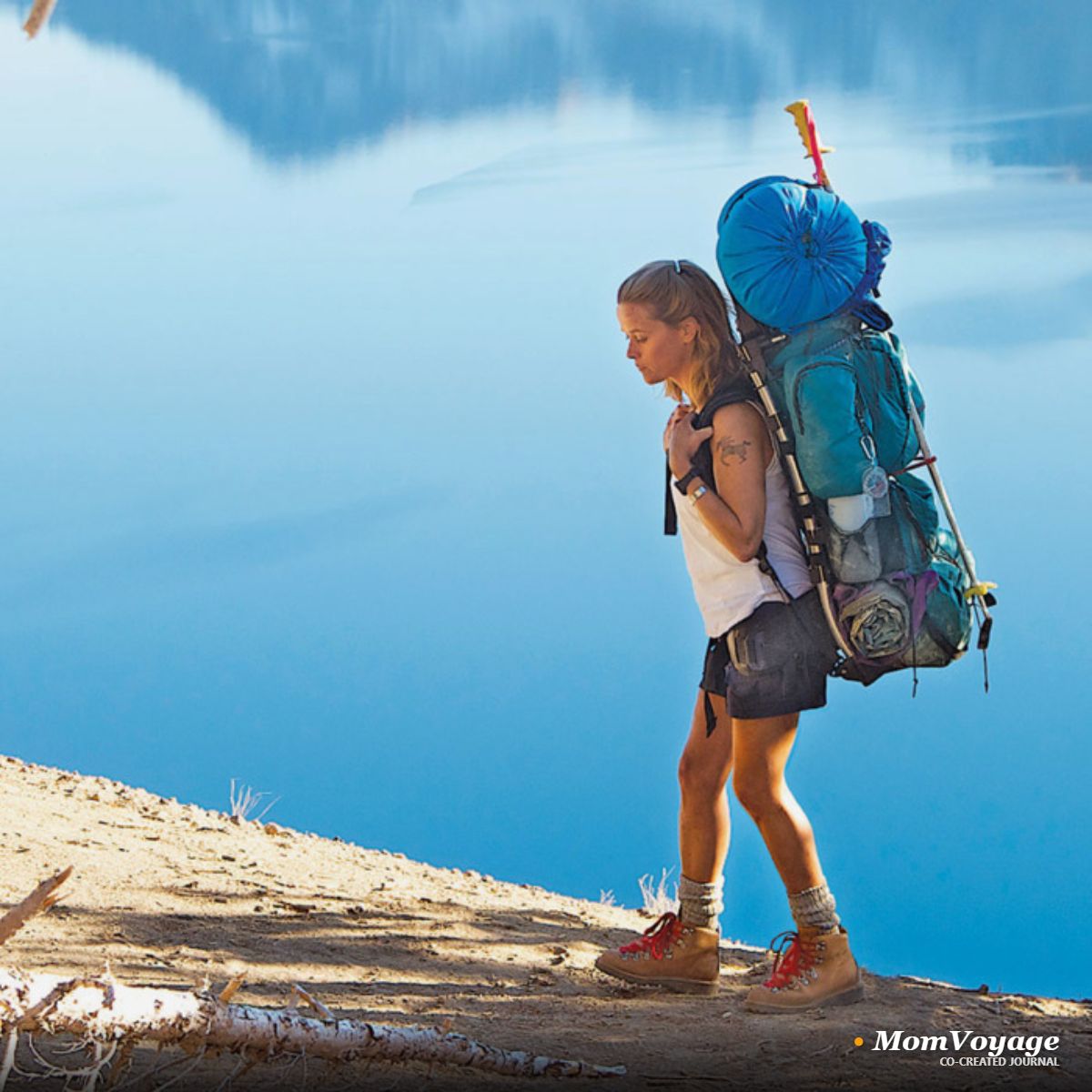
Uncover essential tips for solo female backpacking across the US. Gain confidence and uncover secrets for an unforgettable, empowering adventure.
The Allure of the Open Road: More Than Just Scenery
The vastness of the US offers an incredible tapestry of landscapes, cultures, and experiences. From the bustling streets of New York City, with its endless energy and diverse neighborhoods, to the serene beauty of the Rocky Mountains, where towering peaks pierce the sapphire sky, each destination promises a new chapter. For a solo female traveler, this journey is not just about seeing new places; it's about discovering your own strength, resilience, and capacity for adventure. It’s about proving to yourself that you can navigate the world on your own terms, forge your own path, and revel in the sheer freedom of self-reliance. The open road becomes a canvas for introspection, a silent confidante, and a powerful teacher, revealing lessons about the world and yourself that no textbook could ever impart.
The Importance of Preparation: Beyond the Surface-Level Pack List
While spontaneity is a cherished part of any adventure, for a solo female backpacker, a robust foundation of preparation is absolutely non-negotiable. This isn't just about tossing a few clothes into a backpack and hoping for the best. It's about a meticulous, yet flexible, approach that ensures both safety and enjoyment. I quickly realized that over-preparing in some areas was far better than being caught underprepared in even one critical aspect.
Here's a breakdown of what truly matters in the preparation phase:
Research is Your Superpower: Destination Deep Dives: Go beyond the tourist hotspots. Understand the local culture, customs, and any specific safety concerns for each region you plan to visit. This includes looking into transportation options, typical costs, and even the best times of year to visit to avoid extreme weather or peak crowds. Accommodation Strategies: Don't just book the cheapest hostel. Read reviews thoroughly, paying attention to comments about safety, cleanliness, and the overall vibe. Consider a mix of hostels, budget hotels, and even occasional Airbnb for added comfort and a local feel. Knowing what to expect will set your mind at ease. Transportation Logistics: How will you get from point A to point B? Research bus routes, train schedules, and potential rideshare options. Understand the pricing, booking procedures, and any potential scams to watch out for in different areas.
Safety First, Always: Emergency Contacts and Information: Have a list of emergency numbers (local police, ambulance, your embassy if applicable) readily available, both digitally and on paper. Share your itinerary with a trusted friend or family member and establish check-in times. Self-Defense Basics (Optional but Empowering): Consider taking a basic self-defense class. Even knowing a few simple techniques can boost your confidence immensely. Research and potentially carry a personal safety alarm or pepper spray (checking local laws regarding its legality). Situational Awareness: This is a skill that develops with practice, but conscious effort makes a huge difference. Be aware of your surroundings, trust your gut instincts, and don't be afraid to walk away from uncomfortable situations.
The Gear That Makes or Breaks Your Trip: The Right Backpack: Invest in a comfortable, well-fitting backpack that can carry everything you need without causing strain. Consider its capacity, features, and durability. Essential Clothing Layers: The US is vast, and climates can change dramatically. Pack versatile, quick-drying clothing that can be layered to adapt to different temperatures. Think merino wool or synthetic fabrics. Comfortable Footwear: You'll be doing a lot of walking. Invest in supportive and broken-in walking shoes or hiking boots. First-Aid Kit: A comprehensive kit with bandages, antiseptic wipes, pain relievers, any personal medications, and blister treatment is crucial.
The Power of a Flexible Itinerary: Embracing the Serendipitous
One of the biggest lessons I learned was the delicate balance between having a plan and being open to detours. While a solid itinerary provides direction, rigid adherence can lead to missed opportunities and unnecessary stress. The magic of solo travel often lies in the unexpected encounters and spontaneous decisions.
The "Must-See" vs. "Nice-to-See" Distinction: Identify your absolute priorities for each location, but also be willing to let go of less crucial items if something more compelling arises. This could be a local festival, a recommendation from a fellow traveler, or simply a desire to linger longer in a place that has captured your heart. The Art of Saying "Yes" (and "No"): Be open to invitations and suggestions, but also empowered to decline when something doesn't feel right or doesn't align with your energy levels. This applies to everything from joining a group hike to accepting a ride from a stranger. Building in Buffer Time: Don't schedule every hour of every day. Allow for travel delays, unexpected closures, or simply the need for rest and reflection. This buffer time can be a lifesaver when things don't go exactly as planned. The Beauty of Slow Travel: Sometimes, the most enriching experiences come from spending more time in fewer places. This allows for a deeper immersion into the local culture, building genuine connections, and truly understanding the essence of a destination. Rushing from one landmark to the next can leave you with a superficial understanding and a feeling of exhaustion.
Solo Safety: Proactive Measures and Instinctual Wisdom
As a solo female traveler, safety is paramount, and it's not about being fearful, but rather about being informed and empowered. My journey taught me that prioritizing safety isn't about limiting experiences, but about enabling them with confidence.
Leveraging Technology for Security: Location Sharing Apps: Apps like Google Maps or Find My Friends allow you to share your real-time location with trusted contacts, providing an extra layer of security. Offline Maps and Translation Tools: Download offline maps and translation apps before you lose Wi-Fi. This ensures you can navigate and communicate even in areas with poor reception. Emergency Apps: Explore apps designed for traveler safety, which can provide local emergency numbers, safety alerts, and even discreet panic buttons.
Navigating Public Spaces with Awareness: Trust Your Gut: This is perhaps the most important tool in your safety arsenal. If a situation or a person feels off, it probably is. Don't dismiss your intuition; remove yourself from the situation calmly and confidently. Blend In: While embracing your unique style, try to avoid drawing unnecessary attention to yourself, especially in unfamiliar areas. Observe local dress codes and mannerisms. Be Mindful of Your Belongings: Keep your valuables secure and out of sight. Use anti-theft bags, keep your backpack zipped, and be aware of your surroundings in crowded places. Vary Your Routine: If you're staying in one place for a while, avoid establishing predictable patterns, such as always leaving at the same time each morning.
Building a Network (Even While Solo): Connect with Other Travelers: Hostels and common areas are great places to meet fellow travelers who can offer insights, advice, and even companionship for outings. Engage with Locals: Friendly conversations with shopkeepers, baristas, or hotel staff can provide valuable local knowledge and a sense of connection. Always maintain a respectful distance and prioritize your comfort level. Join Local Tours and Activities: This is a fantastic way to see a city, learn about its history, and meet like-minded people in a structured and safe environment.
The Unexpected Joys of Solitude: Finding Your Own Rhythm
While safety and preparation are crucial, the profound joys of traveling solo often stem from the very solitude that defines the experience. Embracing these moments of being truly alone with yourself can be incredibly rewarding and lead to significant personal growth.
Uninterrupted Reflection: Without the constant need for conversation or compromise, you have the space to process your thoughts, feelings, and observations. This can be a powerful catalyst for self-discovery and understanding. Unleashing Your Inner Explorer: When you're on your own, you are the sole captain of your adventure. This means you can follow your whims, spend hours in a museum that fascinates you, or take a scenic detour without needing anyone else's approval. The Art of People-Watching: Solitude provides the perfect opportunity to observe the world around you. Sit in a park, a cafe, or on a train and simply watch the human spectacle unfold. You'll gain a richer understanding of the diverse tapestry of life. Deepening Connections (When You Choose To): Paradoxically, moments of solitude can also make your chosen social interactions more meaningful. When you connect with others, it's often because you genuinely want to, leading to more authentic and lasting bonds.
Embracing the "Uncomfortable" as a Catalyst for Growth
Many of the most valuable lessons I learned came from stepping outside my comfort zone. The US is a vast and varied country, and encountering different ways of life, challenging situations, and moments of uncertainty are all part of the transformative experience of solo backpacking.
Navigating Communication Barriers: Whether it's a language difference or simply a cultural misunderstanding, these moments can be frustrating but also teach patience, problem-solving, and the importance of clear communication. I learned to smile more, use gestures, and be patient when trying to convey a message. Dealing with Minor Mishaps: Lost luggage, a missed bus, a less-than-ideal accommodation – these are all par for the course. The key is not to let them derail your trip, but to see them as opportunities to practice resilience and adaptability. These are the stories you'll tell later! Challenging Preconceived Notions: Traveling solo in the US exposed me to the incredible diversity of its people and cultures, often shattering stereotypes I may have unknowingly held. Every interaction was a chance to broaden my perspective and challenge my own biases. Discovering Hidden Strengths: When faced with challenges, you often discover reserves of strength and resourcefulness you never knew you possessed. The feeling of accomplishment after successfully navigating a tricky situation is incredibly empowering.
The Financial Finesse: Budgeting for the Long Haul
Solo travel doesn't have to break the bank, but it requires a mindful approach to budgeting. Understanding where your money goes and making smart choices can ensure your adventure lasts as long as you desire.
Strategic Accommodation Choices: Hostel Perks: Beyond affordability, hostels offer social opportunities and often free walking tours or communal kitchens, saving money on both accommodation and food. Off-Season Deals: Traveling during shoulder seasons or the off-season can significantly reduce costs for flights and accommodation in many popular destinations. Loyalty Programs: If you find yourself frequenting certain hotel chains or booking platforms, take advantage of loyalty programs for potential discounts or free nights.
Savvy Transportation Tactics: Bus and Train Travel: For longer distances, buses and trains can be significantly cheaper than flying, and they offer the added bonus of scenic views and the chance to see more of the country. Look for overnight options to save on a night's accommodation. Ridesharing Platforms (with Caution): While convenient, be mindful of surge pricing and ensure you are using reputable ridesharing services. Research local alternatives if available. Walking and Public Transit: Within cities, embrace walking and public transportation. It's not only budget-friendly but also offers a more authentic local experience.
Eating Well Without Overspending: Embrace Local Markets and Supermarkets: Cooking some of your own meals in hostel kitchens or at picnic spots can drastically cut down on food costs. Seek Out Local Eateries: Avoid tourist traps and look for where the locals eat. Often, these are the most authentic and affordable options. Happy Hour and Lunch Specials: Take advantage of happy hour deals for drinks and appetizers, or opt for lunch specials, which are often more budget-friendly than dinner.
The Lasting Impact: More Than Just Souvenirs
As my US backpacking journey drew to a close, I realized that the true souvenirs weren't the trinkets I'd collected, but the profound internal shifts and the wealth of experiences I'd accumulated. This trip was more than just a vacation; it was a journey of self-discovery that reshaped my perspective and instilled a lifelong love for exploration.
Increased Self-Confidence and Independence: Navigating a foreign country entirely on my own, making decisions, and overcoming challenges built an unshakeable sense of self-reliance. I learned that I was capable of far more than I had ever imagined. A Broader Worldview: Experiencing diverse cultures, meeting people from all walks of life, and witnessing the vastness of the American landscape broadened my understanding of the world and fostered a greater sense of empathy. A Deeper Appreciation for Connection: While I relished my solitude, the connections I made – brief but meaningful encounters with fellow travelers and locals – became even more precious. I learned the value of shared experiences and human kindness. The Unquenchable Thirst for More: This journey ignited a passion for travel that continues to burn brightly. It proved that adventure is accessible, and the world is full of wonders waiting to be explored, one solo step at a time. The lessons learned on the open road are not confined to the journey itself, but become integral parts of who I am.
Journey Highlights
- Research your destinations thoroughly. - Create a realistic budget and stick to it. - Pack versatile clothing and essential gear. - Prioritize safety with smart planning and awareness. - Stay connected with loved ones back home. - Be open to meeting new people and embracing spontaneity. - Document your journey through photos or a journal.
Local Secrets & Insider Tips
Navigated this country extensively, here's the real deal for solo female adventurers:
Timing is Everything for Iconic Spots
- Statue of Liberty & Ellis Island (NYC): Arrive at the ferry terminal by 7:30 AM on a weekday, especially during shoulder seasons (spring/fall). This gets you on one of the first ferries, allowing you to explore Liberty Island and Ellis Island with minimal crowds before the midday rush. - Grand Canyon South Rim (AZ): For sunrise, aim to be at Mather Point or Yavapai Point about 45 minutes before the official sunrise time. For sunset, head to Hopi Point on Hermit Road about an hour before sunset; take the free park shuttle as private vehicles aren't allowed. - National Mall (DC): Visit the Lincoln Memorial and Reflecting Pool just after dawn (around 6:00 AM) or late in the evening after 9 PM for a more serene experience. The Smithsonian museums are best tackled right at opening (9:00 AM or 10:00 AM depending on the museum) on a Tuesday or Wednesday.
Hidden Entrances & Overlooked Views
- Zion National Park (UT): Instead of just the main canyon scenic drive, consider hiking parts of The Narrows from the bottom-up (check conditions first!). For a less crowded view of the valley, explore the Kolob Canyons section of the park, accessible via a separate entrance off I-15. - Golden Gate Bridge (San Francisco, CA): Skip the crowded viewpoints on the San Francisco side. Instead, take a bus or rideshare to the Marin Headlands side. The Marin Headlands Visitor Center offers stunning, less-trafficked perspectives of the bridge with the city in the background. - Great Smoky Mountains National Park (TN/NC): While Cades Cove is popular, explore the Roaring Fork Motor Nature Trail near Gatlinburg for beautiful streams, historic buildings, and a chance to see wildlife with fewer people than Cades Cove.
Local Flavors Beyond Tourist Traps
- Austin, TX: Forget the fancy downtown spots. Head to Valentina's Tex-Mex BBQ (Buda, just outside Austin) for brisket tacos that are legendary. Or try Veracruz All Natural for some of the best migas tacos you'll ever have (multiple locations). - New Orleans, LA: Skip the Bourbon Street oyster bars. Seek out Casamento's Restaurant for their incredible oyster loaf (fried oysters on French bread) – a true NOLA classic. For authentic po'boys, try Domilise's Po-Boy & Bar in the Garden District. - Portland, OR: Explore the food cart pods! Pine Street Market or the pods on SW 10th Ave offer incredible diversity. Try the Korean fried chicken from Kim Jong Smokehouse or authentic Thai from Nong's Khao Man Gai.
Logistical Pitfalls to Avoid
- Accommodation Booking: Don't wait until the last minute, especially in popular national parks or major cities during peak season. Book hostels or unique stays (like Yurt.com or Hipcamp) weeks, if not months, in advance. Always confirm check-in procedures, especially for late arrivals. - Transportation Passes: Understand the different transit systems. While many cities have day passes, look into weekly or monthly options if you're staying longer. For long distances, compare Greyhound, Amtrak, and budget airlines; sometimes booking Amtrak segments individually can be cheaper than a multi-city ticket. - Park Entrance Fees: Many national parks require timed entry reservations in addition to the entrance fee, especially during peak season. Check recreation.gov well in advance. Consider an America the Beautiful Pass if you plan to visit multiple federal lands within a year – it often pays for itself after just 3-4 visits. - Cell Service: Assume you will lose cell service in many rural areas and national parks. Download offline maps (Google Maps, Maps.me) and important documents beforehand. Carry a physical map as a backup.
Common Questions
Frequently Asked Questions
Q: Is it safe for a solo female to backpack across the US? A: Yes, it is generally safe, provided you take necessary precautions. Planning, staying aware of your surroundings, trusting your intuition, and utilizing resources like safety apps and local advice are crucial.
Q: What is the best way to budget for a solo backpacking trip in the US? A: Budget by estimating costs for accommodation (hostels, budget hotels), transportation (buses, trains, budget airlines), food, activities, and a contingency fund for unexpected expenses. Cooking some of your own meals can also save money.
Q: How can I meet people while traveling solo in the US? A: Stay in hostels, join group tours, use ride-sharing apps with social features, frequent local cafes or bars, and engage in activities or classes. Many people are open to connecting with solo travelers.
Q: What are some essential items to pack for a US backpacking trip? A: A comfortable and durable backpack, versatile clothing layers, good walking shoes, a first-aid kit, a portable charger, a reusable water bottle, and any necessary personal medications.