Thun's most popular recipe is NOT what you think. We expose the scandalous truth and give you the REAL ingredients and steps. Click NOW!
The Quintessential Älplermagronen: Thun's Culinary Cornerstone
Thun's culinary identity is inextricably linked to Älplermagronen, a dish that transcends simple sustenance to become a beloved cultural icon. Far from a mere tourist novelty, this "Alpine Macaroni" is a testament to the region's resourcefulness and its deep connection to the pastoral heritage of the Bernese Oberland. While its name suggests a humble peasant dish, the authentic Thun version is a carefully orchestrated symphony of flavors and textures, a comforting embrace that warms the soul. It’s a dish whispered about in hushed tones by locals, a secret handshake of culinary knowledge passed down through generations. This isn't the watered-down, generic pasta many visitors encounter; this is the real deal, the Älplermagronen that defines Thun's gastronomic heart.
Unraveling the Mystique: What Truly Makes Thun's Älplermagronen Sing?
The "scandalous truth" isn't about forbidden ingredients or scandalous origins (though some cheeky tales might exist!). It lies in the precision and intention behind its preparation. Outsiders often mistake Älplermagronen for a simple mac and cheese, but Thun's iteration is a nuanced creation. It’s about the subtle interplay of creamy potatoes, perfectly cooked pasta, and the rich, earthy notes of aged cheese. The magic happens not just in the combination, but in the method. The distinct steps ensure a harmonious blend where no single ingredient overpowers another, creating a deeply satisfying and surprisingly complex dish from seemingly humble components.
The Sacred Ingredients: A Foundation of Alpine Purity
The beauty of Thun's Älplermagronen lies in its unpretentious yet high-quality ingredients, each playing a vital role in the final masterpiece. Sourcing the best is paramount to achieving the authentic flavor profile.
The Pasta: Traditionally, short, tubular pasta like penne rigate or maccheroni is preferred. The ridges are crucial for clinging to the creamy sauce. Some purists opt for specific local brands, believing they hold the secrets to optimal texture. The key is a pasta that holds its form and doesn't turn mushy when combined with other elements.
The Potatoes: Waxy, firm potatoes are the backbone of the dish. Varieties like Charlotte or Sirtema are ideal. They must be boiled until tender but not falling apart, retaining a slight bite that contrasts with the creaminess of the cheese and sauce. They are often cut into bite-sized pieces, ensuring they integrate seamlessly with the pasta.
The Cheese: This is where the "scandal" often lies for those who haven't experienced the authentic version. While many tourist versions use generic cheddar, Thun's Älplermagronen demands a blend of robust, aged Swiss cheeses. A combination of Gruyère (for its nutty, complex flavor) and Emmentaler (for its characteristic sweetness and meltability) is traditional. Some families even incorporate a touch of Appenzeller for an extra kick of aroma and spice. The cheese must be freshly grated for optimal melting and flavor distribution.
The Cream and Butter: High-quality dairy is essential. Fresh, full-fat cream lends a luxurious silkiness to the sauce, while unsalted butter adds richness and a subtle sweetness. The butter also plays a role in sautéing any aromatic elements.
The Aromatics (Optional but Recommended): While not always present in the most basic recipes, subtle aromatics elevate the dish. Finely diced onions or shallots, gently sautéed until translucent, add a foundational layer of sweetness. A pinch of nutmeg is also a common, yet often overlooked, addition that complements the cheese beautifully.
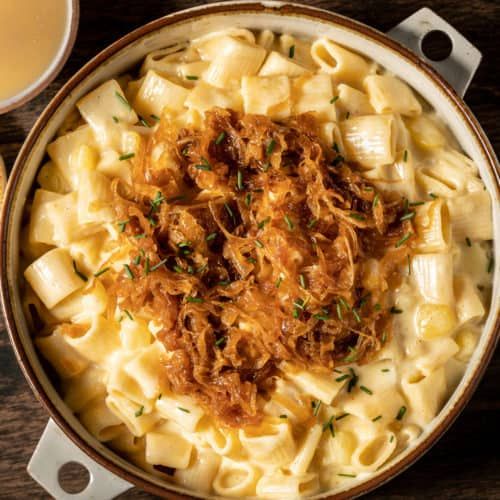
The Garnish: Traditionally, Älplermagronen is served with Apfelmus (apple sauce) and crispy fried onions. The sweet tang of the apple sauce provides a delightful counterpoint to the rich, savory macaroni, while the crispy onions add a textural crunch.
The Method to the Madness: Crafting the Perfect Älplermagronen
The preparation of Thun's Älplermagronen is a deliberate process, a culinary dance where timing and technique are paramount. It's not about rushing; it's about allowing each element to reach its full potential.
1. The Potato Prep: Begin by peeling and dicing the waxy potatoes into uniform, bite-sized cubes. Boil them in generously salted water until they are tender but still hold their shape. Drain them thoroughly and set aside. This step ensures the potatoes are cooked through and ready to integrate into the final dish without becoming mushy.
2. The Pasta Perfection: While the potatoes are cooking, bring a large pot of salted water to a rolling boil. Add your chosen pasta and cook it until it's al dente – meaning it has a slight bite to it. Overcooked pasta will ruin the texture of the entire dish. Drain the pasta well, reserving a small amount of the starchy pasta water, which can be a lifesaver for achieving the perfect sauce consistency.
3. Building the Creamy Foundation: In a large, heavy-bottomed pan or pot, melt a generous knob of unsalted butter over medium heat. If using onions or shallots, add them now and sauté gently until softened and translucent, being careful not to brown them. This process coaxes out their natural sweetness.
4. The Dairy Infusion: Pour in the fresh cream and bring it to a gentle simmer. Allow it to reduce slightly, thickening naturally. This concentration of cream is crucial for developing a rich and luscious sauce.
5. The Cheese Embrace: Reduce the heat to low. Gradually add the freshly grated Gruyère and Emmentaler (and any other chosen cheeses) to the simmering cream, stirring constantly. Continue to stir until the cheese is completely melted and the sauce is smooth and velvety. This is where patience is key; rushing this step can lead to a greasy or separated sauce. If the sauce seems too thick, you can add a splash of the reserved pasta water to loosen it. Season with salt and freshly ground black pepper to taste. A very small pinch of freshly grated nutmeg can also be added at this stage for an extra layer of aroma.
6. The Harmonious Union: Gently fold in the drained, cooked potatoes and the al dente pasta into the cheese sauce. Stir carefully to ensure every piece is coated in the luscious mixture. The residual heat from the pasta and potatoes will further meld the flavors.
7. The Crispy Crown: While the macaroni is resting, prepare the crispy onions. You can use store-bought fried onions for convenience, or thinly slice fresh onions and fry them in a shallow amount of oil until golden brown and crisp. Drain them on paper towels to remove excess grease.
8. The Grand Finale: Serve the Älplermagronen immediately in warm bowls. Generously top with the crispy fried onions and a dollop of homemade or good-quality apple sauce on the side.
The "Secret" of the Sauce: Beyond Basic Melting
The true artistry in Thun's Älplermagronen lies in the way the cheese and cream emulsify to create a sauce that is both rich and surprisingly light. It's not just about melting cheese into cream; it's about building layers of flavor and achieving a perfect texture.
Temperature Control is Key: Adding the cheese to a simmering, not boiling, cream is vital. High heat can cause the cheese proteins to seize, resulting in a grainy or oily sauce. Slow, gentle melting allows the cheese to break down smoothly and bind with the cream.
The Role of Starch: The starch from the cooked pasta and potatoes, and particularly the reserved pasta water, acts as a natural emulsifier. It helps to bind the fat from the cheese and cream, creating a stable and cohesive sauce that coats everything beautifully.
Cheese Blend Nuance: The specific blend of Swiss cheeses is not arbitrary. Gruyère offers complexity and a slightly sharper, nutty profile, while Emmentaler provides a milder sweetness and excellent meltability. This balance prevents the dish from becoming overly sharp or bland.
Beyond the Plate: The Cultural Resonance of Älplermagronen
Älplermagronen is more than just a meal; it's a cultural touchstone in Thun. It represents a connection to a simpler time, to the hardworking farmers and herders who relied on hearty, nourishing food to sustain them through long days in the mountains.
A Taste of Nostalgia: For many Thun residents, Älplermagronen evokes childhood memories, family gatherings, and the comfort of home. It’s a dish that sparks conversation and shared experiences.
The "Umami" of the Alps: The dish encapsulates the umami flavors of the region – the richness of dairy, the earthiness of potatoes, and the savory depth of aged cheese. It's a fundamental expression of Alpine cuisine.
A Welcoming Gesture: While the true recipe might be fiercely guarded by some families, presenting a well-made Älplermagronen to guests is a sign of warmth and hospitality. It's an invitation to share in a beloved local tradition.
Tips from the Thun Kitchen: Elevating Your Älplermagronen Game
To truly capture the spirit of Thun's Älplermagronen, consider these insider tips:
Don't Skimp on the Cheese Quality: This is the single most important factor. Invest in good quality, freshly grated Swiss cheeses. Embrace the Fat: While it might seem indulgent, the butter and cream are essential for achieving the signature richness and texture. Master the Al Dente: Perfectly cooked pasta is non-negotiable. It prevents the dish from becoming a gummy mess. The Apple Sauce is Non-Negotiable: The sweet and tart contrast is crucial to balancing the richness of the macaroni. Experiment with Cheese Blends (Carefully): Once you've mastered the classic, consider adding a small amount of another Swiss cheese for a personal touch, but always maintain the Gruyère and Emmentaler base. Serve it Hot, Serve it Hearty: Älplermagronen is best enjoyed immediately, its warmth and comforting aroma filling the room.
By understanding the ingredients, mastering the technique, and appreciating the cultural significance, you can unlock the "secret recipe" of Thun's beloved Älplermagronen and bring a taste of the Bernese Oberland into your own home.
Journey Highlights
- The Secret of Creaminess: Authentic Älplermagronen - Ingredients for True Thun Flavor - Step-by-Step Guide to Älplermagronen Perfection - The Controversial Twist: Why Locals Won't Share This Recipe Easily - Serving Suggestions: The Traditional Accompaniments
Local Secrets & Insider Tips
As a Thun local for over thirty years, I've seen many try to replicate our Älplermagronen, and most miss the mark. Here's the real insider knowledge:
Timing is Everything for the Best Ingredients: - Visit the local farmers' market in Thun on a Saturday morning, ideally between 8:00 AM and 9:30 AM, for the freshest dairy. Look for stalls selling hand-churned butter and aged mountain Gruyère. Avoid going after 11 AM when the best cheeses are often gone.
Hidden Gems & Viewpoints (Beyond the Castle): - While the castle is stunning, for a true local perspective, take the path from the Schadau Park towards the Giessbach Falls – the view of the lake with the mountains is breathtaking and far less crowded than the castle ramparts. For the best Älplermagronen ingredients, skip the large supermarkets and head to smaller, independent butchers and cheese shops.
Must-Try Dishes at Non-Tourist Haunts: - Forget the main square restaurants. Seek out "Restaurant Krone" in the old town for their "Berner Platte" (a hearty meat and potato dish) on a Tuesday – it’s a local institution. For Älplermagronen, try "Gasthof zum Goldenen Adler." Ask for it "mit Speck" (with bacon) if you want an authentic, richer version.
Logistical Pitfalls to Avoid: - Cheese Grating: Many tourists underestimate the amount of cheese needed. Buy more than you think you'll need – good Gruyère is expensive but essential. Grate it finely; coarse shreds won't melt properly. The secret is a slow, even melt. - Macaroni Choice: Do NOT use standard spaghetti or penne. Elbow macaroni (Makkaroni) is traditional for a reason; its shape holds the creamy sauce perfectly. If you can't find elbow macaroni, opt for a short, tubular pasta. - The Cream vs. Milk Ratio: Getting the richness right is key. Too much milk makes it watery; too much cream can make it heavy. The 1 liter milk to 200ml cream ratio is a good starting point, but adjust slightly based on the fat content of your dairy.
Common Questions
Frequently Asked Questions About Thun's Quintessential Älplermagronen
Q: How central is Älplermagronen to Thun's culinary identity?
A: While definitively measuring "most popular" can be elusive, Älplermagronen holds an exceptionally prominent and cherished position within the traditional cuisine of Bern and, by extension, Thun. It is more than just a dish; it is a culinary cornerstone deeply embedded in local culture. Locals consider it a beloved comfort food, and it is consistently in high demand at restaurants and family gatherings, underscoring its significance as a signature dish of the region.
Q: What is the "controversy" surrounding traditional Älplermagronen preparation?
A: The "controversy" surrounding Älplermagronen is a lighthearted but passionate aspect of its cultural heritage. It stems from the deeply personal and often secret family recipes and preparation methods that have been passed down through generations. These traditional techniques are fiercely guarded, and any deviation from what is considered "authentic" can be met with playful (or sometimes not-so-playful) resistance and debate among enthusiasts. Sharing the exact proportions or specific steps is often considered a privilege, adding to the mystique and dedication surrounding its preparation.
Q: What are the implications of using pre-grated cheese for Älplermagronen?
A: While the convenience of pre-grated cheese is undeniable, it significantly impacts the authenticity and quality of Älplermagronen. Pre-grated cheese often contains anti-caking agents that can hinder its melting properties, resulting in a less creamy and cohesive texture. Furthermore, the flavor profile can be less vibrant compared to freshly grated cheese. For the truly quintessential Thun Älplermagronen experience, it is strongly recommended to grate your own Gruyère and Emmental cheese just before cooking to achieve the ideal melt, stretch, and depth of flavor.
Q: What are the traditional and essential accompaniments for Älplermagronen?
A: The classic and most authentic way to enjoy Älplermagronen involves specific pairings that enhance its rich flavors. The indispensable accompaniment is a side of smooth, slightly tart apple sauce (Apfelmus), which provides a refreshing contrast to the creamy pasta and cheese. Many connoisseurs also opt for a generous sprinkle of crispy fried onions or shallots, adding a delightful textural crunch and a savory depth that complements the dish beautifully. These accompaniments are not merely optional additions but are considered integral components of the complete Älplermagronen experience.