Traversing Canada from Trois-Rivières to Vancouver. Forget boredom! Discover hidden gems & mind-blowing secrets on this epic cross-country adventure.
The drive from Trois-Rivières, Quebec, to Vancouver, British Columbia, is a monumental undertaking, traversing nearly 5,000 kilometers of diverse Canadian geography. This isn't just a drive; it's a cross-country odyssey that tests your endurance and rewards you with unparalleled scenic beauty and cultural immersion. While the Trans-Canada Highway is the primary artery, the true magic lies in the detours and the moments between the big cities.
The Journey Unpacked
Quebec to Ontario: Your journey begins in the French-Canadian heartland, heading west towards the vastness of Ontario. The landscape gradually shifts from rolling hills to the more rugged Canadian Shield in northern Ontario, eventually giving way to the Great Lakes region.
The Prairies: This is often the most anticipated (or dreaded) stretch. However, the Prairies offer a unique beauty – endless skies, golden wheat fields stretching to the horizon, and charming small towns with friendly faces. It's a chance to experience the agricultural backbone of Canada.
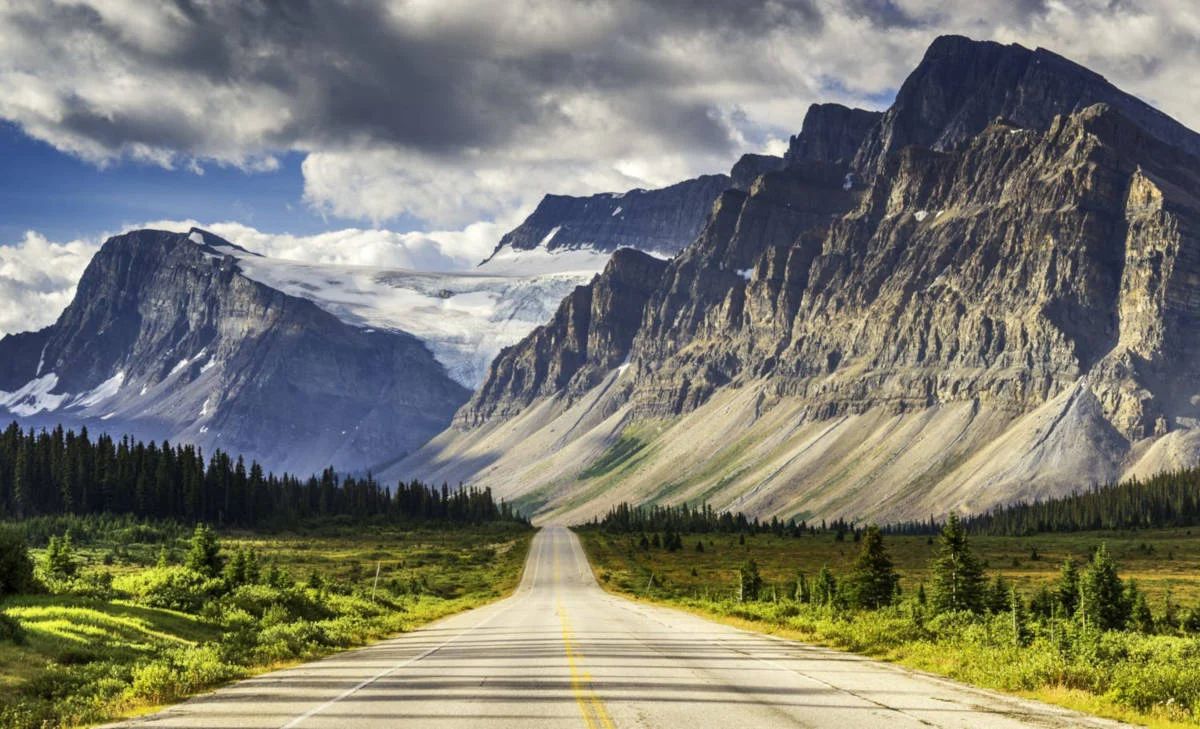
The Rockies: As you enter Alberta, the majestic Rocky Mountains rise dramatically. The scenery transforms into breathtaking peaks, turquoise lakes, and dense forests. This leg of the journey is visually stunning.
British Columbia: The final stretch takes you through the interior of British Columbia, with its own distinct landscapes, before descending into the coastal rainforest and arriving in the vibrant city of Vancouver.
Journey Highlights
- This road trip covers over 4,500 kilometers. - The journey traverses multiple provinces, showcasing diverse Canadian landscapes. - Key provinces include Quebec, Ontario, Manitoba, Saskatchewan, Alberta, and British Columbia. - Major cities and points of interest can include Ottawa, Toronto, Winnipeg, Calgary, and Banff.
Local Secrets & Insider Tips
Alright, listen up, you're about to tackle one of the greatest drives in the world. Forget what the guidebooks say about the Prairies being 'boring' – they just don't know where to look. Here's the real deal from someone who's done this drive more times than I can count:
Beat the Crowds in Banff: If you want to see Lake Louise or Moraine Lake without fighting selfie sticks, you MUST be there before 7:00 AM. Sunrise is your best friend. Even better, skip the main parking lots entirely. Park at the Lake Louise Park and Ride (check Parks Canada for operating hours, usually opens around 5 AM in peak season) and take the shuttle in. It saves SO much hassle. For Johnston Canyon, aim for a weekday afternoon, ideally after 4 PM, or better yet, go in late September when the fall colours are out and the summer crowds have thinned.
Hidden Gems & Secret Views: In Saskatchewan, don't just drive through. Pull off Highway 1 near Elbow to visit the Danielson Provincial Park and the Gardiner Dam – the scale is immense, and you get great views of Lake Diefenbaker. Nobody talks about it, but it's incredible. On the drive through the BC interior, instead of sticking solely to the Coquihalla (Hwy 5), consider taking a scenic detour on Highway 97A through the Okanagan Valley for vineyards and stunning lake views, or explore parts of Highway 1 through the Fraser Canyon for a more historic route (be mindful of road conditions here).
Must-Try Eats (Beyond Tourist Traps): Forget the highway chain restaurants. In Winnipeg, seek out a small, independent diner for a 'garlic fingers' (a cheesy, garlicky flatbread) and don't skip a proper perogy plate at a place like the Red Top Drive-In (classic diner vibes!). In Calgary, head to the Kensington or Inglewood areas and find a local pub – try the Alberta beef short ribs. In Revelstoke, BC, grab a locally brewed beer and a burger at The Village Idiot – it's a popular local haunt for a reason.
Logistical Pitfalls to Avoid: - Gas: Seriously, fill up whenever you see a station in Northern Ontario and the Prairies. Stations can be hundreds of kilometers apart. Don't let your gauge dip below half a tank. - Time Zones: You'll cross multiple time zones. Keep track! It messes with accommodation bookings and driving plans if you're not careful. - Wildlife: Especially in the Rockies and BC interior. Moose, elk, and bears can cause serious accidents. Drive cautiously at dawn and dusk, and NEVER feed wildlife. Keep windows up. - Cell Service: It's spotty to non-existent in large stretches, particularly in northern Ontario and rural areas. Download offline maps (Google Maps or Maps.me) and have a physical map as a backup.
Common Questions
Frequently Asked Questions: The Epic Voyage from Quebec to British Columbia
Q: When is the optimal time of year to embark on this cross-Canada road trip?
A: The summer months, from June through August, generally offer the most favorable weather conditions across the entirety of the route, with longer daylight hours and easier access to a wider range of attractions, national parks, and seasonal activities. Spring (May-June) and Fall (September-October) can also be incredibly scenic, especially for leaf-peeping in Eastern Canada or experiencing the crisp mountain air in the West. However, travelers should be prepared for more unpredictable weather during these shoulder seasons, including potential for late snows in the Rockies and cooler temperatures, which might impact some outdoor activities or road accessibility in higher elevations.
Q: What is a realistic timeframe to complete this journey, balancing efficient travel with opportunities for exploration?
A: While it is technically possible to drive from Quebec to British Columbia in as little as 5-7 days, this would be a rushed experience with minimal opportunities to appreciate the diverse landscapes, cultures, and attractions along the way. For a more enriching and enjoyable journey that allows for significant sightseeing, spontaneous detours, and relaxation, we highly recommend allocating a minimum of 14-21 days. This timeframe permits deeper exploration of key regions like the Canadian Shield, the Prairies, the Rocky Mountains, and the Pacific Coast. For a truly comprehensive experience, consider extending your trip to 3-4 weeks or even longer.
Q: What should I be aware of regarding road conditions, potential closures, or construction delays during my trip?
A: Road conditions can be highly variable across Canada, particularly during the primary construction season, which typically runs from late spring through early fall. Major highways are generally well-maintained, but unexpected work zones, temporary closures for repairs, or even seasonal limitations in remote areas can occur. It is crucial to check provincial highway condition reports and advisories before you depart on your trip and to do so daily as you progress. Websites for provincial transportation ministries (e.g., Transports Québec, Ontario Ministry of Transportation, Parks Canada for specific park roads) are invaluable resources. Be particularly vigilant when planning travel through mountainous regions, as weather can impact road safety unexpectedly.
Q: What type of vehicle is best suited for undertaking this extensive cross-country road trip?
A: A reliable and well-maintained vehicle with good fuel efficiency is paramount for a journey of this magnitude. For the majority of the paved highway driving, a standard sedan or a compact SUV will suffice. However, if your itinerary includes exploring national parks in greater depth, venturing onto unpaved park roads, or navigating the potentially rugged terrain of the Rocky Mountains, a vehicle with higher ground clearance, such as an SUV or a crossover, would be highly beneficial. Four-wheel drive or all-wheel drive capability can offer added confidence and safety, especially if you anticipate encountering diverse weather conditions or less-trafficked routes. Ensure your tires are in good condition and consider bringing a spare.