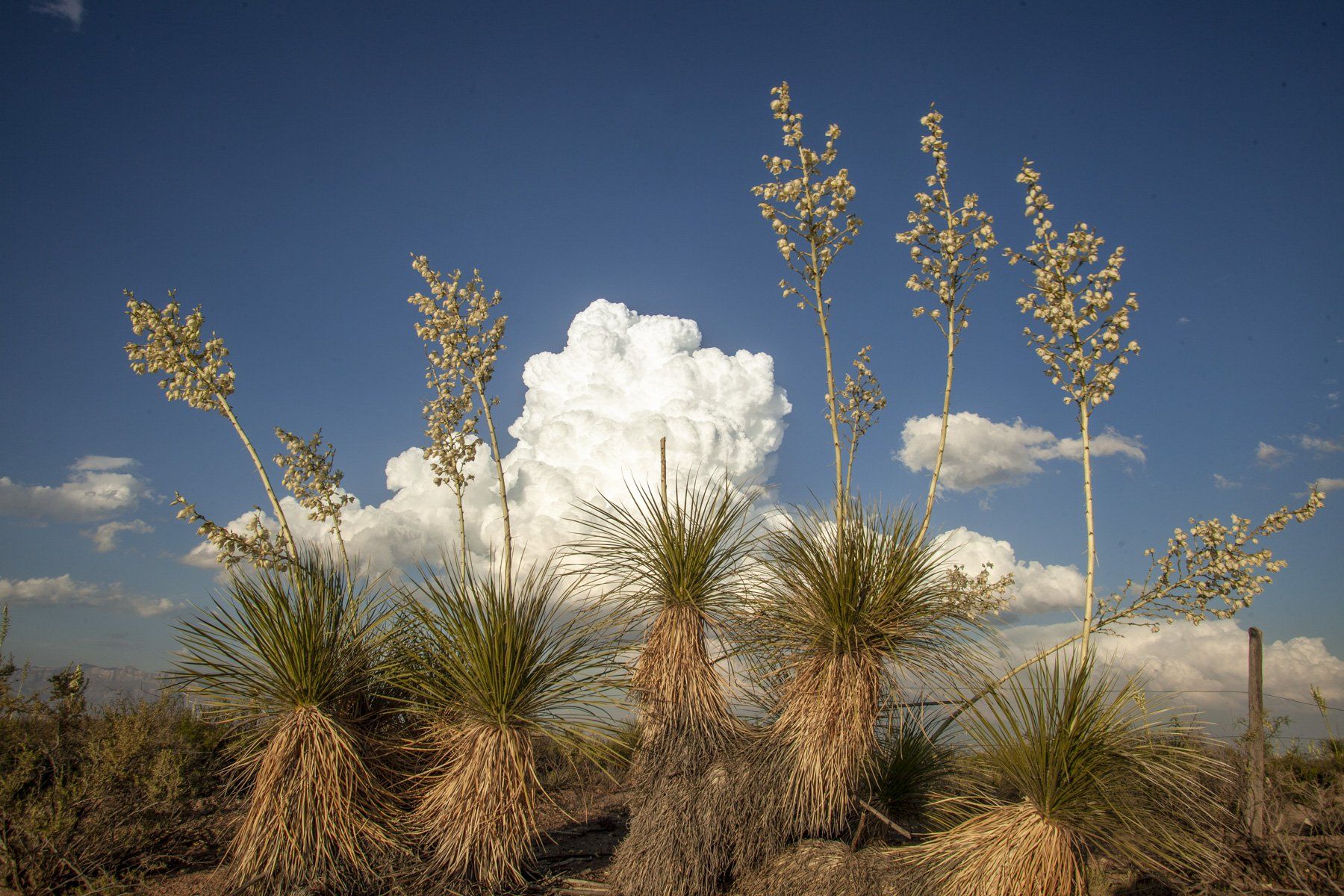
Unlock Tulum's most guarded culinary secret! Discover the shocking ingredient in their iconic desert recipe and learn to make it yourself. Click NOW!
Tulum's Secret Recipe: You Won't BELIEVE What They Use!
The Gastronomic Soul of the Yucatán: Beyond the Beach
Tulum, more than just a tropical paradise, is a vibrant tapestry woven with threads of ancient history and a deep-seated culinary tradition. While the turquoise waters and powdery sands draw millions, the true allure for the discerning traveler lies in the flavors that have been perfected over centuries, deeply rooted in the Yucatán Peninsula's unique ecosystem. The 'desert dish,' a seemingly simple creation, is a powerful embodiment of this heritage. It's a dish that speaks of resilience, resourcefulness, and an intimate understanding of the arid landscapes that define the region beyond the coast. This isn't about fusion or fleeting trends; it's about a profound connection to the earth, a philosophy that has sustained communities for generations.
Unveiling the Star Ingredient: The Mystical X'tah
The heart and soul of Tulum's celebrated 'desert dish' is an ingredient that often eludes the uninitiated: x'tah. Forget your preconceived notions of exotic spices or complex sauces; x'tah is far more elemental. It is a specific, wild-foraged edible desert plant, meticulously gathered from the rugged, sun-drenched terrain that stretches inland from Tulum's coastline. X'tah is not merely an ingredient; it's a testament to the ingenuity of the Mayan people, who possessed an unparalleled knowledge of the local flora and its potential. Its presence in the dish imbues it with a distinctive earthiness, a subtle bitterness, and a texture that is both tender and slightly yielding, a true taste of the wild Yucatán. The foraging of x'tah itself is an art form, requiring keen eyes, extensive knowledge of its growth cycles, and a deep respect for the delicate balance of the desert ecosystem.
The Art of Foraging X'tah: A Sacred Ritual
The procurement of x'tah is not a casual undertaking. It is a practice deeply intertwined with ancestral knowledge, passed down through generations of foragers. These individuals, often elders, possess an intimate understanding of the plant's habitat, its seasonal availability, and the most sustainable methods for harvesting. They venture into the scrublands, guided by experience and an innate connection to the land, identifying the specific varieties of x'tah that are prime for culinary use. The process often involves careful hand-picking, ensuring that the plant is not damaged and that its regeneration is not compromised. This reverence for the natural world is palpable in every bite of the finished dish, a reminder of the delicate ecosystem that provides these extraordinary ingredients.
Beyond X'tah: Complementary Flavors of the Desert
While x'tah takes center stage, the 'desert dish' is a symphony of complementary flavors, each carefully selected to enhance and harmonize with the star ingredient. These components are also largely sourced from the immediate environment, further solidifying the dish's connection to the land. Common additions include:
Wild Onions (Cebolla Silvestre): These small, intensely flavored onions offer a sharp, pungent counterpoint to the earthiness of the x'tah. Tomatoes (Jitomates): Sun-ripened and bursting with natural sweetness, these add a crucial element of acidity and moisture. Chiles (Various Local Varieties): A touch of heat is essential, with local chiles like habanero or xcatik providing a nuanced warmth rather than an overpowering spice. Aromatic Herbs: Wild cilantro, epazote, or other indigenous herbs contribute fragrant notes that lift the entire dish. Citrus (Lime or Sour Orange): A squeeze of fresh citrus juice at the end brightens all the flavors and cuts through the richness.
The Traditional Preparation: Slow Cooking and Flavor Infusion
The preparation of Tulum's 'desert dish' is as much about patience as it is about technique. The goal is to coax out the inherent flavors of the x'tah and allow them to meld seamlessly with the other ingredients. The traditional method often involves slow cooking, a technique that tenderizes the x'tah and deepens the flavors.
1. Preparation of X'tah: The foraged x'tah is meticulously cleaned and often blanched to soften its texture and reduce any potential bitterness. 2. Sautéing Aromatics: Wild onions and garlic are gently sautéed in a touch of local lard or oil until fragrant and translucent. 3. Adding Tomatoes and Chiles: Chopped tomatoes and finely minced chiles are added, allowing them to soften and release their juices. 4. Combining and Simmering: The prepared x'tah is added to the pot along with a splash of water or a light broth. The mixture is then brought to a gentle simmer, covered, and allowed to cook slowly for an extended period. This slow simmering is crucial for the x'tah to become exceptionally tender and absorb the flavors of the surrounding ingredients. 5. Infusing with Herbs: Towards the end of the cooking process, fresh aromatic herbs are stirred in to preserve their vibrant flavor and aroma. 6. Finishing Touches: Before serving, a generous squeeze of fresh lime or sour orange juice is added to awaken and balance the flavors.
Serving the Desert Dish: A Taste of Authenticity
The 'desert dish' is rarely served in isolation. It is a versatile component of many traditional Yucatecan meals, often appearing as a side dish or a flavorful filling.
As a Side: It is frequently served alongside grilled or roasted meats, particularly cochinita pibil (slow-roasted pork), offering a refreshing and earthy contrast. In Tacos or Panuchos: The tender, flavorful mixture makes an excellent filling for warm tortillas, particularly the fried panuchos which add a delightful crunch. With Fresh Tortillas: Simply enjoyed with warm, handmade corn tortillas, allowing the purity of the flavors to shine through.
The Cultural Significance: More Than Just a Meal
The 'desert dish' is more than just a culinary creation; it is a cultural artifact. It represents a deep connection to the land, a testament to the enduring wisdom of the Mayan people, and a celebration of resourcefulness. In a world increasingly dominated by imported ingredients and standardized flavors, this dish stands as a powerful reminder of the unique gastronomic heritage of Tulum and the Yucatán. It is an invitation to explore beyond the obvious, to taste the very essence of the arid landscape, and to appreciate the profound culinary stories that the earth itself can tell.
Journey Highlights
- The Star Ingredient: X'tah, an edible desert plant, provides a unique earthy and subtly sweet flavor. - Complementary Flavors: Cochinita pibil (achiote-marinated pork) forms the savory base. - Aromatic Foundation: White onion and garlic are sautéed to build depth. - Zesty Marinade: Sour orange juice adds a crucial tang. - Essential Spices: Achiote paste, cumin, and salt balance the dish. - Garnish and Heat: Fresh cilantro and optional habanero salsa complete the authentic experience.
Local Secrets & Insider Tips
Ah, you want to taste Tulum like a local, eh? Forget the tourist traps. Here's the real deal:
Finding Authentic Flavors & Avoiding Crowds:
The Hidden Gem Restaurant: Look for small, family-run eateries away from the main beach road, especially in the 'Pueblo' (town) area. My favorite is 'El Sabor de la Abuela' – it doesn't look like much, but the flavors are unreal. They serve the most authentic x'tah dish. The Dish to Order: At 'El Sabor de la Abuela', you must order the 'Plato del Desierto'. It features x'tah slow-cooked with longaniza (a type of local sausage) instead of cochinita pibil. It’s smoky, slightly spicy, and utterly unforgettable. Ask for it ‘bien picoso’ if you dare! Timing is Everything: To truly enjoy the Pueblo's quiet charm and avoid the midday heat and crowds, visit the local market and surrounding eateries between 9:00 AM and 11:00 AM. This is when locals are out and about, and the food is freshest, before the tourist buses descend.
Logistical Tips & Local Secrets:
Getting Around: Don't rely solely on taxis in the Pueblo. Renting a bicycle is the best way to explore the smaller streets and discover hidden culinary spots. The roads are relatively flat and safe, especially in the morning. The X'tah Harvest: The best x'tah is harvested during the dry season (roughly November to April). Ask vendors at the local market if they have 'x'tah de temporal' – it means it's in season and at its peak flavor. Spice Level: If you're not accustomed to Yucatecan spice, be very cautious with the habanero salsa. A tiny dab is often enough. Most local restaurants offer ‘salsa suave’ (mild sauce) as well, but it won’t have the same kick. Cash is King: While some larger restaurants in the tourist zones take cards, smaller, authentic places in the Pueblo often operate on a cash-only basis. Always have Pesos on hand.
Common Questions
Frequently Asked Questions about *X'tah* and Tulum's Secret Recipe:
**Q1: What is *X'tah* and its significance in Tulum's cuisine?**
X'tah (pronounced "sh-tah") is a unique, indigenous edible desert plant deeply rooted in the culinary traditions of the Yucatán Peninsula, including Tulum. Its distinctive flavor and texture are integral to certain traditional dishes, offering a subtle earthiness and a hint of bitterness that complements other ingredients. Due to its specific growing conditions and the delicate nature of harvesting, x'tah is primarily found in local markets and small roadside stands within the region.
For those outside of the Yucatán unable to source fresh x'tah, nopales (cactus paddles) are often considered the closest readily available substitute. However, it's important to note that while nopales share some textural similarities, their flavor profile is distinct. Nopales tend to have a more vegetal and slightly tart taste, whereas x'tah offers a more nuanced, earthy, and subtly bitter note that contributes to the authentic flavor of traditional Tulum recipes.
**Q2: I'm interested in making Tulum's secret recipe at home. What if I can't find *X'tah*?**
You can absolutely recreate the essence of Tulum's secret recipe even without x'tah! The foundation of many iconic Yucatecan dishes, including those featuring x'tah, is cochinita pibil. This preparation involves marinating pork shoulder in a vibrant blend of achiote paste (which imparts its characteristic earthy flavor and reddish-orange hue), sour orange juice (crucial for tenderizing and adding a distinct tang), and a harmonious mix of traditional spices such as cumin, oregano, and black pepper.
The slow-roasting process, traditionally done in a pib (an underground oven), is key to achieving the incredibly tender, succulent, and easily shreddable pork that defines cochinita pibil. Numerous detailed recipes for cochinita pibil are readily available online, allowing you to adapt the cooking method to your home kitchen. While the absence of x'tah will slightly alter the final complexity, the core flavors of achiote, citrus, and slow-cooked pork will still deliver a delicious and authentic experience.
**Q3: Regarding the habanero salsa, how spicy can it be, and how should I approach it?**
Habanero peppers are renowned for their intense heat, ranking among the hottest chili peppers globally. Consequently, a salsa made with habaneros can indeed be extremely spicy. It is crucial to exercise caution and start with a very small amount to accurately gauge your personal heat tolerance. The intention of the habanero salsa in Tulum's cuisine is to provide a vibrant, pungent kick that complements and enhances the richness of the main dish, rather than to overpower it. By adding it incrementally, you can find the perfect balance that elevates the flavors without overwhelming your palate.
**Q4: What are the most traditional and enjoyable ways to serve this dish?**
This flavorful dish is traditionally served hot, allowing the aromas and textures to be fully appreciated. The most authentic and delightful way to enjoy it is by using warm corn tortillas. These serve as the perfect vessels for creating small, handheld tacos, allowing you to experience the perfect ratio of tender meat, salsa, and any accompanying elements. Alternatively, many prefer to savor it directly as a rich and flavorful stew.
A quintessential accompaniment that truly elevates the dish is pickled red onions. Their bright, tangy acidity cuts through the richness of the pork and the heat of the salsa, providing a refreshing contrast and adding another layer of complexity to each bite. This combination of warm tortillas, savory stew, and sharp pickled onions is the hallmark of a truly authentic and satisfying Tulum culinary experience.