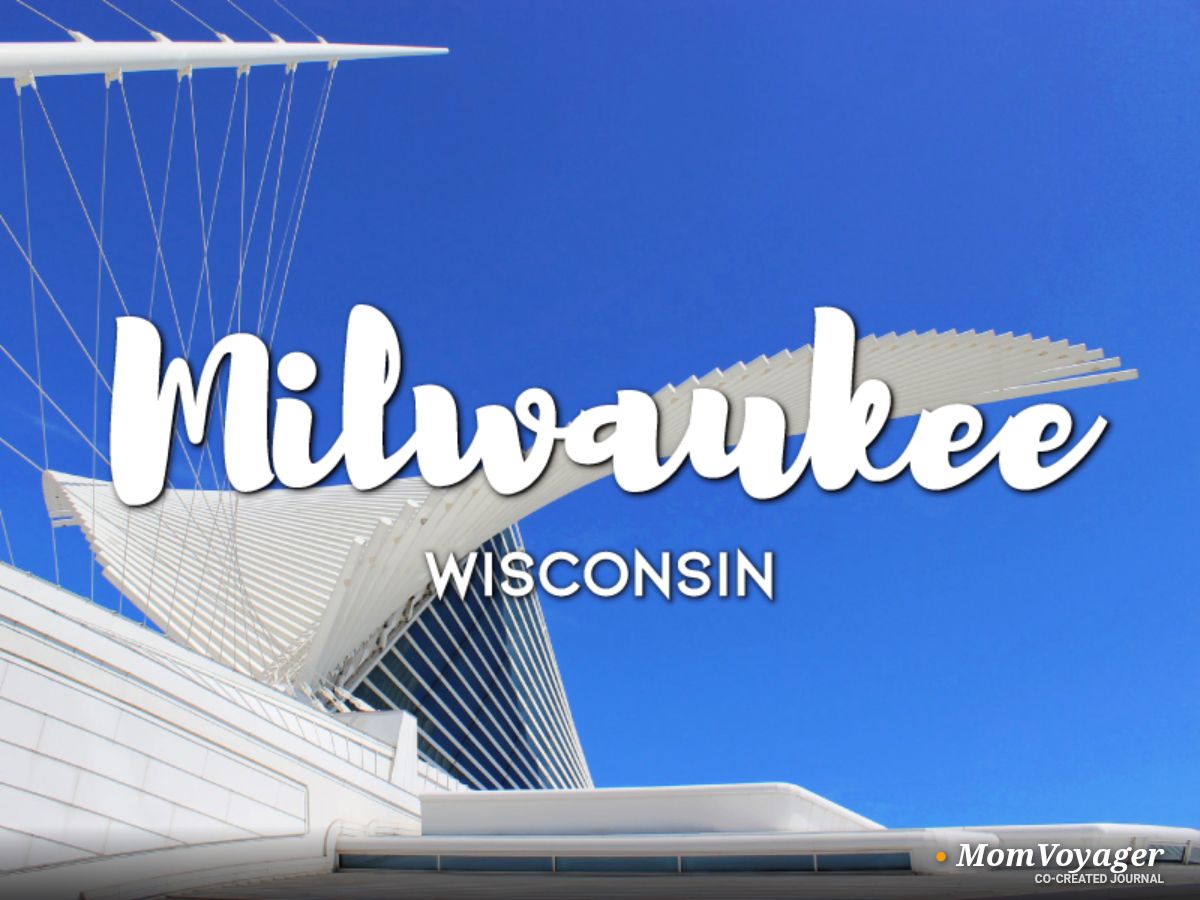
Journey from Plano to Milwaukee and unearth the city's captivating secrets. Discover hidden breweries, artistic havens, and savor authentic flavors away from typical tourist paths.
From Plano to Milwaukee: Unveiling the Cream City's Secret Charms The journey from Plano, Texas, to the vibrant shores of Milwaukee, Wisconsin, is more than just a road trip; it's an invitation to peel back the layers of a city renowned for its brewing heritage and discover a treasure trove of hidden gems. Beyond the iconic Harley-Davidson Museum and the bustling Summerfest grounds lies a Milwaukee teeming with quiet corners, artistic enclaves, and culinary delights that often escape the well-trodden tourist path. This guide is crafted for the curious traveler, eager to experience the authentic pulse of the Cream City, revealing its understated beauty and local favorites.
Your Journey North: The Plano to Milwaukee Drive
Spanning approximately 1,000 miles, the drive from Plano to Milwaukee offers a scenic transition from the flatlands of Texas through the heartland states, culminating in the lush, rolling landscapes of Wisconsin. Most travelers wisely opt for a two-day journey, transforming the long haul into a leisurely adventure. A comfortable overnight stop is typically planned around St. Louis, Missouri, or Springfield, Illinois, offering a perfect midpoint respite and an opportunity to explore local attractions.
For the most straightforward route, travelers from Plano generally head north on I-35 E to Oklahoma City, then merge onto I-44 E towards St. Louis. From St. Louis, the path continues north on I-55, cutting through the heart of Illinois and bypassing or skirting the bustling metropolis of Chicago, before connecting to I-94 W which leads directly into Milwaukee. This primary route minimizes complexity while still offering glimpses of America's diverse topography. Alternatively, some adventurers might prefer a slightly more eastern approach after St. Louis, heading towards Indianapolis via I-70 E before turning north on I-65 and eventually I-94, though this adds some mileage.
Practical considerations for this substantial road trip are paramount. Before departure, ensure your vehicle is in peak condition – a thorough check of tires, oil, and fluids can prevent roadside headaches. Pack a cooler with snacks and drinks to minimize stops and save on costs, and curate a diverse playlist or audiobook collection to keep spirits high. Be mindful of potential traffic delays, especially when approaching major urban centers like St. Louis and Chicago; utilizing real-time navigation apps is highly recommended to circumnavigate bottlenecks. Consider stretching your legs at unexpected points of interest along the way, such as the kitschy yet charming Chain of Rocks Bridge just north of St. Louis, or some of the quaint small towns dotting the Illinois countryside, which often boast unique local diners and historical markers. This journey isn't just about reaching a destination; it's an integral part of your Milwaukee experience.
Beyond the Brews: Milwaukee's Culinary Undercurrents
While Milwaukee proudly wears its brewing heritage on its sleeve, a deeper dive into its culinary scene reveals a vibrant tapestry of flavors that extends far beyond beer and cheese curds. For the Plano traveler eager to taste the city's authentic pulse, stepping off the main tourist drag is key to uncovering truly exceptional dining experiences, many of which are fueled by passionate local chefs and diverse cultural influences.
Consider a visit to Walker's Point, a historic industrial neighborhood that has blossomed into a culinary hotspot. Here, you'll find an impressive concentration of innovative restaurants ranging from farm-to-table establishments prioritizing Wisconsin's rich agricultural bounty to authentic international eateries. For a truly unique experience, explore the burgeoning food truck scene, often anchored at communal food parks like Zocalo Food Park, which offers a rotating selection of gourmet street food from various vendors, creating a lively atmosphere perfect for sampling diverse cuisines. Don't miss the chance to explore the neighborhood's excellent taquerias and Mexican bakeries, a testament to Milwaukee's strong Latinx community, serving up dishes with generations of tradition.
Beyond Walker's Point, the Bay View neighborhood offers a more bohemian and laid-back culinary landscape. Its main thoroughfare, Kinnickinnic Avenue, is lined with independent cafes, eclectic bistros, and charming breakfast spots perfect for a lazy morning. Look for establishments specializing in global comfort food, cozy coffeehouses where locals gather, and gastropubs that elevate classic bar fare with inventive twists. For an authentic taste of Milwaukee's rich European immigrant history, seek out a Polish restaurant like Polonez in St. Francis (just south of Bay View), serving hearty pierogi, schnitzel, and borscht in a cozy, traditional setting. And while the Milwaukee Public Market is a bustling and popular destination, also seek out smaller, seasonal farmers' markets in neighborhoods like Shorewood or Tosa for direct-from-the-farm produce and artisanal goods, offering a true taste of local bounty.
Artistic Escapes and Architectural Wonders Off the Beaten Path
Milwaukee's creative spirit extends far beyond its famous art museum. For those willing to explore its less-trodden paths, a world of hidden artistic enclaves and architectural marvels awaits, offering a deeper appreciation for the city's rich cultural fabric. The Plano traveler with an eye for design and a passion for unique expressions will find ample inspiration.
Begin your artistic exploration by venturing into Walker's Point, where numerous independent art galleries and studios dot the streets. The Walker's Point Center for the Arts is a community-based, non-profit organization dedicated to fostering creativity and often showcases emerging local and regional artists with thought-provoking exhibitions. Wander through the side streets to discover smaller, artist-run spaces, many of which open their doors for "Gallery Night" events, transforming the neighborhood into a vibrant art crawl. Keep an eye out for dynamic murals and street art pieces that add an urban canvas to the historic brick buildings, telling stories of the city's past and present.
Milwaukee also boasts an impressive array of architectural gems, many of which are often overlooked by casual visitors. While the Milwaukee Art Museum's Calatrava-designed Quadracci Pavilion is iconic, delve into the city's Frank Lloyd Wright legacy by visiting the Annunciation Greek Orthodox Church. This stunning, futuristic masterpiece, designed by Wright in the late 1950s, is a circular marvel unlike any other church, reflecting his late-career vision. For a glimpse into the city's Gilded Age, take a self-guided tour through the North Point Historic District near Lake Park, where an array of meticulously preserved Victorian and Edwardian mansions showcase intricate detailing and grand scale, offering a silent narrative of Milwaukee's affluent past. Further adding to the architectural tapestry, the historic Oriental Theatre on North Farwell Avenue, a beautifully preserved movie palace from 1927, transports visitors back to the golden age of cinema with its opulent decor and grand design, still serving as a vibrant cultural venue.
Green Oases and Lakeside Secrets: Milwaukee's Natural Retreats
While Lake Michigan undeniably anchors Milwaukee's natural beauty, the city is dotted with numerous green spaces and lesser-known lakeside spots that offer tranquil escapes for the Plano traveler seeking respite from urban bustle. These hidden natural retreats provide opportunities for quiet contemplation, invigorating recreation, and stunning views often missed by those sticking to the well-worn paths.
Beyond the popular Bradford Beach, venture to South Shore Park Beach in Bay View. This local favorite offers a more relaxed atmosphere with beautiful lake views, a charming yacht club, and a picturesque pier. It’s an ideal spot for a picnic, a leisurely stroll along the shoreline, or simply watching the sailboats glide across the vast expanse of Lake Michigan. For those seeking more rugged lakefront exploration, the Seven Bridges Trail in Grant Park (just south of the city limits in South Milwaukee) offers a truly immersive experience. This scenic trail winds through ravines and alongside the lake, crossing quaint wooden bridges and providing stunning, secluded beach access, feeling worlds away from the city yet remaining easily accessible.
Milwaukee's park system is exceptionally rich, and exploring beyond the main lakefront parks reveals true gems. Lake Park, designed by the renowned landscape architect Frederick Law Olmsted (of Central Park fame), offers more than just green space. Its expansive bluffs provide panoramic lake views, historic bridges, and a charming lighthouse, making it perfect for a long walk or a morning run. Deeper into the city, Humboldt Park in Bay View is another local treasure, featuring a historic band shell that hosts free concerts in the summer, a tranquil lagoon, and ample space for relaxation. For a more profound connection with nature, the Schlitz Audubon Nature Center, just a short drive north of downtown, boasts miles of hiking trails through forests, prairies, and along the lake bluff, offering exceptional bird-watching opportunities and a chance to truly immerse yourself in Wisconsin's natural ecosystems. Even the popular Mitchell Park Domes, while not hidden, offer a unique and lush indoor botanical experience, perfect for a cold day or when seeking out exotic plant life.
Historic Echoes and Neighborhood Charms: A Deeper Dive
To truly grasp Milwaukee's character, a deeper exploration of its distinct neighborhoods and their unique historical narratives is essential. Each district tells a different story of immigration, industry, and evolution, offering the Plano traveler a mosaic of local experiences far richer than any singular landmark.
Bay View stands out as a vibrant, bohemian enclave with a strong sense of community. Once an independent working-class village centered around its steel mill, it has transformed into a hub for artists, young professionals, and families, yet retains its independent spirit. Wander down Kinnickinnic Avenue to discover an array of vintage shops, independent bookstores, cozy coffee houses, and a diverse range of restaurants and bars that reflect its eclectic population. The architecture here tells tales of its past, with many charming, well-preserved homes and storefronts. For a deeper historical connection, seek out the Lakefront Brewery Palm Garden in the neighboring Brewery District, offering tours that go beyond just beer tasting to delve into the history of brewing in Milwaukee and its impact on the city's development.
Just south of downtown, Walker's Point offers another compelling narrative. Historically an industrial and warehousing district, it has undergone a remarkable renaissance, now celebrated for its thriving arts scene, innovative culinary landscape, and as a welcoming center for the LGBTQ+ community. Explore the historic brick buildings, many of which have been repurposed into distilleries (like Great Lakes Distillery, offering tours that contrast with traditional beer-focused ones), trendy boutiques, and performance spaces. The fusion of its gritty industrial past with its vibrant contemporary culture creates a unique atmosphere that's endlessly fascinating. For a profound historical moment, visit the St. Joan of Arc Chapel on the Marquette University campus. This authentic 15th-century French Gothic chapel was transported stone by stone from France to America, offering a serene and incredibly unique historical experience in the heart of the city. Further delving into Milwaukee's past, a visit to the Pabst Mansion, the opulent home of beer baron Captain Frederick Pabst, provides a lavish glimpse into the lives of Milwaukee's industrial magnates and their profound impact on the city's growth and philanthropy.
Curated Curiosities: Unique Shopping & Local Experiences
For the Plano traveler who loves to uncover one-of-a-kind treasures and immerse themselves in truly local activities, Milwaukee offers a delightful array of unique shopping opportunities and authentic experiences that go beyond typical tourist souvenirs. These curated curiosities celebrate the city's creative spirit and entrepreneurial drive.
Dive into the world of independent boutiques and artisan shops that champion local makers. In Bay View, Kinnickinnic Avenue is a treasure trove of vintage clothing stores, record shops, and galleries featuring local artists' works. You might stumble upon unique home goods, handcrafted jewelry, or quirky gifts that truly reflect Milwaukee's creative vibe. Similarly, the Historic Third Ward, while more upscale, still hosts a concentration of independent fashion boutiques, art galleries, and home décor shops that offer high-quality, distinctive items. Don't overlook the potential for discovering unique finds at seasonal outdoor markets or pop-up events that often feature local crafters and designers, especially in the warmer months.
Beyond shopping, engage in experiences that connect you with Milwaukee's soul. Consider taking a local workshop—whether it's a pottery class at a community studio, a cooking class focusing on Wisconsin ingredients, or even a beer-making seminar that delves deeper into the craft. For a different perspective on the city's rich history, embark on a Milwaukee Ghost Tour through historic districts like the Third Ward or Walker's Point, uncovering eerie tales and forgotten lore. Fans of independent film or classic cinema should definitely catch a showing at the Oriental Theatre, a beautifully preserved movie palace that offers a nostalgic and grand cinematic experience. For a truly "local" sporting event, consider attending a Milwaukee Admirals hockey game (AHL affiliate of the Nashville Predators) or a Marquette Golden Eagles basketball game, where the passion for local sports is palpable and the atmosphere electric, offering a glimpse into community pride that transcends professional league fanfare.
Plano Traveler's Practical Guide to Navigating Milwaukee
Milwaukee, while a sizable city, possesses a surprisingly manageable and welcoming feel for visitors. To make the most of your hidden gems exploration from Plano, a few practical tips on getting around, lodging, and timing your visit will enhance your experience.
Getting Around: While downtown Milwaukee and some adjacent neighborhoods like the Historic Third Ward are quite walkable, exploring the city's true hidden gems often requires a car. Having your vehicle from the Plano drive will be advantageous for reaching neighborhoods like Bay View, Riverwest, and the various nature centers efficiently. Parking is generally more available and affordable outside the immediate downtown core. Within the downtown area, The Hop streetcar offers a convenient, free loop for navigating between major attractions, while the Milwaukee County Transit System (MCTS) buses provide extensive coverage throughout the city and surrounding suburbs. For those who prefer not to drive, ride-sharing services are readily available.
Lodging Insights: Beyond the conventional downtown hotels, consider exploring boutique hotels or charming bed and breakfasts nestled in neighborhoods like the Historic Third Ward or near Lake Park for a more unique stay. Websites like Airbnb and VRBO also offer a plethora of options, from stylish apartments in Walker's Point to historic homes in Bay View, allowing you to immerse yourself directly into a local community. Booking accommodations that offer free or affordable parking can save you both hassle and expense.
Best Time to Visit: Milwaukee shines in every season, and your choice depends on your preferred activities. Summer (June-August) is vibrant with festivals, lake activities, and outdoor dining, though it can also be the busiest and most expensive time. Fall (September-October) brings stunning foliage, comfortable temperatures, and a more relaxed pace, ideal for exploring parks and historic neighborhoods. Spring (April-May) sees the city awakening with blooming flowers and the gradual return of outdoor events, offering pleasant weather before the summer crowds arrive. Winter (November-March) transforms Milwaukee into a cozy wonderland, perfect for enjoying indoor attractions like museums, breweries, and the Mitchell Park Domes, often with fewer tourists and lower prices. Packing layers is always a good idea, as Wisconsin weather can be unpredictable, and comfortable walking shoes are a must for exploring Milwaukee's charming streets and verdant parks.
Journey Highlights
🍽️ Milwaukee's Hidden Culinary Gems
Polonez Restaurant: Transport your taste buds to Eastern Europe with hearty perogies and rich goulash at this beloved, unassuming Polish eatery. Three Brothers Restaurant: Savor authentic Serbian specialties, particularly their renowned burek, in a cozy, family-run setting that feels like a true discovery. Milwaukee Public Market (Beyond the Main Hall): Go deeper than the bustling main floor to unearth artisan cheeses, cured meats, and gourmet delights from independent local vendors tucked away in the market's hidden corners. Eagle Park Brewing or Black Husky Brewing: Dive into Milwaukee's thriving craft beer scene with innovative brews and a vibrant local atmosphere at these highly-regarded independent taprooms. Third Ward Independent Bakeries: Start your day with freshly baked goods and artisanal coffee from charming, often overlooked independent bakeries nestled in the historic Third Ward.
✨ Unique Milwaukee Experiences Off the Beaten Path
Gallery 218 (Third Ward): Immerse yourself in Milwaukee's vibrant arts scene by discovering unique, independent galleries like Gallery 218, showcasing local talent in the stylish Third Ward. Northern Milwaukee RiverWalk Stroll: Escape the crowds and enjoy a peaceful, picturesque stroll along the quieter, northern stretches of the Milwaukee RiverWalk, offering unique urban views. Sunset Views from South Shore Park or Lake Park: Catch breathtaking sunset panoramas over Lake Michigan from the tranquil shores of South Shore Park or the secluded, scenic trails of historic Lake Park. Black Husky Brewing in Riverwest: Experience the authentic Riverwest neighborhood vibe with a tasting flight at Black Husky Brewing, known for its friendly atmosphere and dedication to local culture. Third Ward Design Studios: Hunt for one-of-a-kind handcrafted treasures and support local artisans by exploring the charming, smaller design studios hidden within the Third Ward's creative district.
Local Secrets & Insider Tips
Unearthing Milwaukee's Secret Charms: A Plano Traveler's Guide
Milwaukee might be known for its big breweries, but the real magic is in the details, the quiet corners, and the flavors only the locals know. You want the insider track, the places that feel like home even on your first visit? Listen up. I've spent years navigating these streets, discovering these gems, and now I'm sharing them with you.
---
The Milwaukee Public Market: Beyond the Crowds
This isn't just a market; it's a culinary heartland, but timing is everything if you want to truly experience it.
Beat the Rush: Forget weekend brunch or weekday lunch (11:30 AM - 1:30 PM). Those hours are a beautiful chaos, but not for browsing. Your sweet spot is 10:00 AM on a weekday, Tuesday through Thursday. You'll find ample space to wander, snap photos, and snag a table without the elbow-to-elbow jostle. Cheese Nirvana at Foltz Family Market: Head straight here. While many markets offer cheese, Foltz specializes in local, small-batch, artisanal Wisconsin cheeses. Their aged cheddar is indeed a revelation, a sharp, nutty masterpiece. Don't stop there; ask for their seasonal recommendations, maybe a unique goat cheese or a pungent blue. Pair it with some freshly baked bread from a nearby market vendor like Thief Wine Shop & Bar (they also have a great selection of local crackers and jams). The Unsung Hero: Turkish Coffee & Pastry Stand: Most folks gravitate to the more visible vendors, but walk to the back-right corner, near the main seating area entrance, and you'll find this unassuming gem. Their spinach borek is a flaky, savory dream, often overlooked but utterly heavenly. Wash it down with a thick, authentic Turkish coffee (ask for it "sade" for unsweetened, or "orta" for medium sweet). Their baklava is also top-tier, a perfect honeyed treat. Pro-Tip: Parking & Logistics: The attached parking structure (accessible off E. Corcoran Ave) is your best bet. Many market vendors offer validation with a purchase, so ask! Grab your coffee first, then browse. The market can be chilly in winter, so dress in layers. Restrooms are located on the second floor, a welcome respite.
---
Historic Third Ward: Uncovering Artistic Veins
While Water Street has its charms, the real artistic pulse of the Third Ward beats on the quieter blocks.
Broadway's Secret Studios: Ditch the tourist trail on Water Street. Start your deep dive on N. Broadway Street, specifically between Buffalo and St. Paul Avenues. This stretch is where the working artists and designers often hide in plain sight. How to Spot Them: Look for subtle, often hand-painted signs for "design studios," "artisan workshops," "galleries," or "lofts" in the upper floors of historic brick buildings or down narrow, unassuming back alleys. You might need to crane your neck or even peek down a passage you'd normally ignore. The Experience: Many of these are indeed "by appointment," but if you see an open door, hear music, or spot activity, don't be shy about ringing a doorbell or politely poking your head in. You might discover a metalsmith crafting bespoke jewelry, a textile artist weaving intricate designs, or a graphic designer pushing creative boundaries. It's a genuine connection to Milwaukee's creative heart. RedLine Milwaukee: An Artistic Incubator: This is not your typical art gallery. Located at 765 N Broadway, RedLine is a contemporary art center dedicated to supporting emerging artists and fostering community engagement. Its raw, industrial space perfectly complements the thought-provoking and often experimental exhibitions. It's an authentic, gritty, and exciting departure from more polished, traditional galleries. Check their website for current exhibitions and hours; they often have special open studio events. Their small gift shop often features unique works by resident artists. Hidden Viewpoints: For a different perspective, wander down Chicago Street towards the river. You'll catch glimpses of historic architecture reflected in the water and find less-crowded access points to the RiverWalk. Head north on the RiverWalk from the Third Ward for a quieter stroll and unique views of the city skyline. Pro-Tip: Timing & Etiquette: Weekday afternoons (1 PM - 4 PM) are generally best for finding studios open or artists at work. Always be respectful of artists' time and space. Parking in the Third Ward can be a challenge; utilize the parking structures (like the one near Catalano Square) or be prepared for metered street parking.
---
Grant Park's Seven Bridges Trail: Lakeside Serenity
Forget Bradford Beach's summer crowds. For a truly peaceful, almost magical lakeside experience, you need to head south.
Finding the Trailhead: Drive a bit south to Grant Park in South Milwaukee. The entrance for Seven Bridges Trail isn't prominently signed off S Lake Dr. Your landmark is the Grant Park Golf Course. The inconspicuous road leading down to the trail parking lot is just immediately past the golf course entrance if you're heading south. Keep your eyes peeled; it's easy to miss. There’s a small parking lot at the top. The Enchanted Descent: The Seven Bridges Trail is an immersive experience. You'll wind your way down through lush ravines, crossing charming, rustic stone bridges over a babbling creek. The dense canopy of trees creates a dappled, ethereal light. It truly feels like stepping into a different world, a secret garden. The Secluded Beach: The trail culminates in a beautiful, secluded beach on Lake Michigan. Unlike the city beaches, this one feels wild and untouched, with rocky shores and dramatic bluffs. It's perfect for quiet contemplation, skipping stones, or simply breathing in the fresh lake air. Timing is Key: Go early, before 9:00 AM, for absolute solitude. The light filtering through the ravines is particularly enchanting in the morning. Late afternoon on a slightly overcast day also offers a moody, atmospheric beauty with fewer people. Avoid sunny weekend afternoons when it can draw a small crowd. Safety & Etiquette: The trail involves some stairs and uneven terrain, so wear sturdy walking shoes. Stay on the marked paths to protect the delicate ecosystem. Dogs are welcome but must be on a leash. Pack out everything you pack in. Cell service can be spotty in the ravines, so enjoy being disconnected.
---
Three Brothers Restaurant: A Taste of Serbia
This isn't just a restaurant; it's a living piece of Milwaukee history and a culinary pilgrimage.
Reservations: Non-Negotiable: I cannot stress this enough: call for reservations at least a week in advance, even for weekdays. This small, family-run establishment is legendary, has limited seating, and consistently books up. Showing up without a reservation is almost guaranteed disappointment. When you call, be patient; it's an old-school process, but entirely worth it. Must-Order Dishes: Burek (Cheese or Meat Pastry): This is absolutely essential. Imagine layers of impossibly flaky phyllo dough, baked to a golden crisp, enveloping a rich, savory filling (the cheese is tangy and delicious, the meat deeply flavorful). It's a generational family recipe and simply unparalleled. Sarma (Cabbage Rolls): Another non-negotiable. Tender, melt-in-your-mouth pickled cabbage leaves, hand-rolled around a hearty mixture of ground meat and rice, simmered in a savory broth. It's comfort food at its absolute finest. Consider Also: Their Cevapcici (grilled, seasoned ground beef sausages) are incredibly juicy and flavorful. The Goulash is a robust, warming stew. Don't forget to savor their incredible, fresh-baked bread that accompanies every meal. The Ambiance: Stepping into Three Brothers is like stepping back in time. The decor is unpretentious, cozy, and full of old-world charm. It's dimly lit, intimate, and often filled with the soft murmur of happy diners. This is not a fast-food experience; it's a slow, savoring kind of meal, meant to be lingered over. Embrace the pace. Parking & Logistics: Parking right outside can be tight. Look for street parking a block or two away, particularly to the east of S. Delaware Avenue. Avoid parking in private lots or you risk being towed. While they accept cards, some locals still appreciate cash.
---
Black Husky Brewing: The Riverwest Living Room
For an authentic, unpretentious local brewery experience, Black Husky is your spot.
The Vibe: Located in the eclectic Riverwest neighborhood at 909 E Concordia Ave, Black Husky truly feels like a neighborhood living room, or perhaps a very cool uncle's garage. It's dog-friendly, usually has board games scattered about, and features local art on the walls. It’s about community, good beer, and relaxed conversation, not fancy tours or glossy branding. The Brews: Their Sproose IPA is a must-try. It's a genuinely unique beer, brewed with spruce tips that impart a distinct, forest-like, resinous aroma and flavor. Beyond that, explore their often rotating taps. They're known for crafting robust, flavorful beers, sometimes with higher ABVs, so pace yourself. Ask the friendly bartenders for their current favorites or seasonal offerings. When to Go: For the true local, cozy vibe without the weekend crush, aim for late afternoon on a Tuesday or Wednesday (e.g., 4:00 PM - 6:00 PM). You'll find a relaxed crowd, often locals unwinding after work. Friday and Saturday evenings can get lively, but if you're seeking conversation and space, stick to mid-week. Check their social media for occasional live music or food truck schedules. Food Situation: Black Husky does not have its own kitchen. However, they frequently host local food trucks right outside, especially on busier evenings. Otherwise, you're welcome to bring your own snacks or order in from a local Riverwest eatery. Riverwest Exploration: Take some time to explore the Riverwest neighborhood itself. It's known for its independent spirit, diverse community, and quirky small businesses. It's a great place for a casual stroll.
---
Logistics & Pro-Tips for Getting Around Milwaukee
Navigating Milwaukee like a local means knowing when to walk, when to ride, and when to pedal.
The HOP Streetcar: This free, convenient streetcar is excellent for connecting key downtown neighborhoods, running from the Historic Third Ward, through the Downtown area, past Fiserv Forum, and up into the Lower East Side. It's perfect for short hops between these districts. However, its route is limited. Uber/Lyft for Expansions: If you're venturing to neighborhoods like Bay View (for Three Brothers, South Shore Park) or Riverwest (Black Husky Brewing), Uber/Lyft is your most efficient and stress-free option. Public buses exist, but routes can be confusing for visitors, and travel times can be longer. Expect rides from downtown to Bay View or Riverwest to cost roughly $15-25, depending on demand. Bike the Oak Leaf Trail: For a truly delightful way to experience the city's natural beauty and architecture, rent a bike. Wheel & Sprocket on the East Side is a reputable rental shop. From there, hop onto the Oak Leaf Trail. This incredibly well-maintained paved trail system hugs the lakefront, offers stunning panoramic views of Lake Michigan and the city skyline, and connects numerous parks, all away from vehicle noise. It's a fantastic way to see Milwaukee's "emerald necklace." For shorter, quick rides downtown, consider the Bublr Bikes bike-share system, with stations scattered throughout the core areas. Parking Pro-Tips: Downtown garages are plentiful but can be pricey, especially during events. Utilize the MKE Park app for street parking payments and finding available meters. Always read signs carefully for time limits and restrictions. In residential areas, pay attention to permit parking zones. Walkability: Once you're in a neighborhood like the Third Ward, Walker's Point, or the East Side, Milwaukee is incredibly walkable. Plan to spend time exploring on foot. Safety: Like any city, be aware of your surroundings, especially at night. Stick to well-lit, populated areas. Most central areas are very safe, but common sense prevails.
---
Swing Park & The Elusive Food Trucks: An Urban Culinary Adventure
For a truly unexpected treat, combine urban art with spontaneous culinary finds.
Swing Park's Charm: Under the colossal Holton Street Viaduct, you'll find Swing Park. This isn't your typical playground; it's a unique urban art installation where giant swings hang beneath the towering bridge structure. It's a fantastic, quirky, and surprisingly peaceful spot that's highly Instagrammable, a testament to Milwaukee's creative repurposing of urban spaces. The Food Truck Hunt: Often, near Swing Park or in high-traffic areas of the Third Ward or Walker's Point, you'll discover a local food truck pop-up. These aren't your average hot dog carts; Milwaukee's food truck scene is vibrant and innovative, offering everything from gourmet tacos and BBQ to fusion cuisine and decadent desserts. It’s a fantastic way to sample diverse, high-quality local fare you won't find in brick-and-mortar restaurants. How to Find Them: The key is knowing where to look! Your best bet is to check social media. Search for "Milwaukee food trucks" on Facebook (e.g., "Milwaukee Food Truck Tracker" groups) or Instagram a few days before your visit. Many trucks post their weekly schedules and locations. Local event listings websites also often highlight scheduled food truck appearances. Timing: Food trucks are most active during weekday lunch hours (11 AM - 2 PM) or during larger local events and festivals. Weekends might see them at specific markets or breweries. Pro-Tip: Most food trucks accept card payments now, but it's always wise to have some cash on hand. Be prepared for a short line if you hit a popular truck, but the wait is always worth it for these unique culinary delights.
Common Questions
Q: What is the optimal time of year to visit Milwaukee for discovering hidden gems and avoiding major tourist crowds? A: To truly unearth Milwaukee's secret charms while enjoying pleasant weather and fewer crowds, late spring (May to early June) or early fall (September to early October) are highly recommended.
Late Spring (May-Early June): The city blossoms, local businesses are fully operational, and outdoor patios are open, but the peak summer festival season (which draws massive crowds) hasn't fully begun. This period allows for leisurely exploration of quieter parks, unique neighborhoods, and smaller, locally-focused events without the intense tourist rush. Early Fall (September-Early October): Offers crisp air, beautiful foliage, and a more relaxed atmosphere post-summer. Many local art walks, farmers' markets, and cultural events catering to residents are still active, providing authentic experiences away from the main tourist hubs. Winter (November-April): While colder, winter can offer a uniquely intimate and cozy experience for discovering indoor hidden gems like speakeasies, independent coffee shops, art galleries, and historic breweries. Attractions are less busy, and you can often find better deals on accommodations. Be prepared for colder temperatures and potential snow, which may limit accessibility to some outdoor-focused hidden spots.
Q: How navigable is Milwaukee on foot, particularly when seeking out its lesser-known attractions and hidden gems? A: Milwaukee offers excellent walkability within specific neighborhoods, which is often key to discovering its secret charms. However, a multi-modal approach is typically most effective for comprehensive hidden gem exploration across the city.
Highly Walkable Neighborhoods: Districts like the Historic Third Ward (known for its boutiques, galleries, and restaurants), Bay View (eclectic shops, cafes, and bars), Walker's Point (diverse culinary scene), and sections of Downtown are designed for pedestrian exploration. Strolling these areas allows you to stumble upon unique storefronts, public art installations, and charming alleyways that guidebooks might miss. Connecting Neighborhoods: To access hidden gems spread across different areas, you'll benefit from a combination of transport options: The HOP Streetcar: Free and convenient for navigating the downtown core, including connecting to the Historic Third Ward and the Lower East Side. Public Buses (MCTS): An extensive network providing affordable access to virtually every neighborhood, including those further afield where local gems reside. Utilize real-time tracking apps for efficiency. Rideshare Services (Uber/Lyft): Readily available for direct travel between distant points or late-night excursions. Biking: Milwaukee has an expanding network of bike lanes and a public bike-sharing program (Bublr Bikes), offering an active way to explore the RiverWalk, Lakefront trails, and neighborhood paths. It's advisable to plan your day by focusing on one or two distinct neighborhoods for walking exploration and using public transport or rideshares to travel between them.
Q: Are there specific hidden gems in Milwaukee that are particularly suitable for families traveling with children? A: Absolutely. Beyond the well-known family attractions, Milwaukee boasts numerous hidden gems that offer enriching and less crowded experiences for families.
Nature and Outdoors: Lake Park: While popular, its quieter trails, hidden staircases, and unique playgrounds (like the accessible "Adventure Play Area") offer a tranquil escape. Families can enjoy scenic walks, picnic spots, and explore the lighthouse without the bustle of larger city parks. Milwaukee RiverWalk (North and South Segments): While the central RiverWalk can be busy, exploring the less-trafficked northern stretches towards the Beerline B neighborhood or the southern extensions near Walker's Point often reveals unique public art, quieter seating areas, and opportunities to spot wildlife. Local Neighborhood Parks: Discover smaller, community-focused parks like Humboldt Park in Bay View (featuring a lagoon, playground, and often local events) or Cathedral Square Park downtown, which frequently hosts free family-friendly activities. Cultural and Educational: Public Art Scavenger Hunts: Many neighborhoods feature vibrant murals, sculptures, and street art. Creating a scavenger hunt based on these works can be engaging and educational for children, turning the city into an interactive gallery. Milwaukee Public Market (Off-Peak Hours): While generally popular, visiting during mid-morning weekdays can offer a more relaxed experience. Children enjoy the diverse food options, unique crafts, and watching vendors prepare goods. Many vendors offer samples that appeal to younger palates. Smaller Museums & Galleries: Consider the Grohmann Museum (focused on the history of human work) for its fascinating industrial art collection, or explore rotating exhibits at local university galleries, which often have accessible and thought-provoking displays without the crowds of larger institutions. Family-Friendly Eateries: Many local, independent cafes and restaurants outside the main tourist drag offer delicious, kid-friendly menus and a more authentic Milwaukee dining experience. Look for establishments in neighborhoods like Bay View or Shorewood, which are known for their community feel. Prioritize comfort, plan for frequent breaks, and always check venue hours and accessibility before visiting with children.
Q: For a trip centered on discovering Milwaukee's hidden gems, what is the recommended lead time for booking accommodations? A: To secure the best selection, pricing, and unique lodging experiences aligned with a hidden gem exploration, booking 2-3 months in advance is highly advisable. This is particularly crucial if your trip falls within the peak seasons or coincides with major local events.
Peak Seasons (Late Spring to Early Fall): These months, especially June through October, see higher demand due to pleasant weather, summer festivals, and vibrant fall foliage. Boutique hotels, unique B&Bs, or vacation rentals in highly sought-after, character-rich neighborhoods like the Historic Third Ward, Bay View, or Walker's Point fill up quickly and command higher prices. These types of accommodations often provide a more local and intimate base for your hidden gem adventures. Off-Peak Seasons (Winter): During the colder months, you generally have more flexibility. Booking 1-2 months in advance should suffice, and you might find more competitive rates or last-minute deals. However, for specific holiday weekends or major indoor events, earlier booking is still prudent. Consider Your Lodging Style: If you're targeting a distinct, locally-owned inn or a specialty boutique hotel that itself could be considered a hidden gem, booking well in advance is essential. These establishments often have fewer rooms and a strong local following. Conversely, larger chain hotels may offer more availability closer to your travel date but might not provide the same "unearthing secret charms" atmosphere. Always cross-reference your travel dates with Milwaukee's festival calendar (e.g., Summerfest, PrideFest, German Fest) as these events significantly impact accommodation availability and pricing city-wide, even if your focus is away from the main festival grounds.
Q: What specific local etiquette and cultural nuances should travelers be mindful of when exploring Milwaukee's hidden gems? A: Milwaukeeans are renowned for their friendly, approachable, and unpretentious demeanor. Adopting a respectful and open attitude will greatly enhance your hidden gem experience and can even lead to more discoveries.
Engage with Locals: A simple "hello," a polite question about their establishment, or a comment on local weather can often open doors to genuine conversations with shop owners, bartenders, or gallery staff. Many Milwaukeeans are proud of their city and eager to share local insights, directions to lesser-known spots, or personal recommendations that won't be in any guide. This genuine interaction is a hidden gem in itself. Support Local Businesses: When visiting smaller, independent establishments – be it a coffee shop, a vintage store, or a micro-brewery – understand that these are often passion projects. Make an effort to support them directly. Avoid haggling prices in unique boutiques, and consider leaving positive online reviews if you had a great experience. Patience and Consideration: In popular hidden gem locations like bustling local markets, small neighborhood breweries, or artisan workshops, spaces can be intimate. Practice patience, be mindful of personal space, and avoid being overly loud or disruptive. In residential areas where some hidden gems might be nestled, be respectful of noise levels and privacy. Tipping Etiquette: Standard U.S. tipping practices apply: 15-20% for good service in restaurants, bars, and for rideshare drivers. For quick service at coffee shops or counter-service eateries, rounding up or leaving a dollar or two in a tip jar is appreciated. "Milwaukee Nice": This refers to the city's generally friendly and helpful nature. Don't be afraid to ask for directions or recommendations. You'll often find people happy to assist, though they might also playfully debate the "best" local spot. Embrace this local charm!