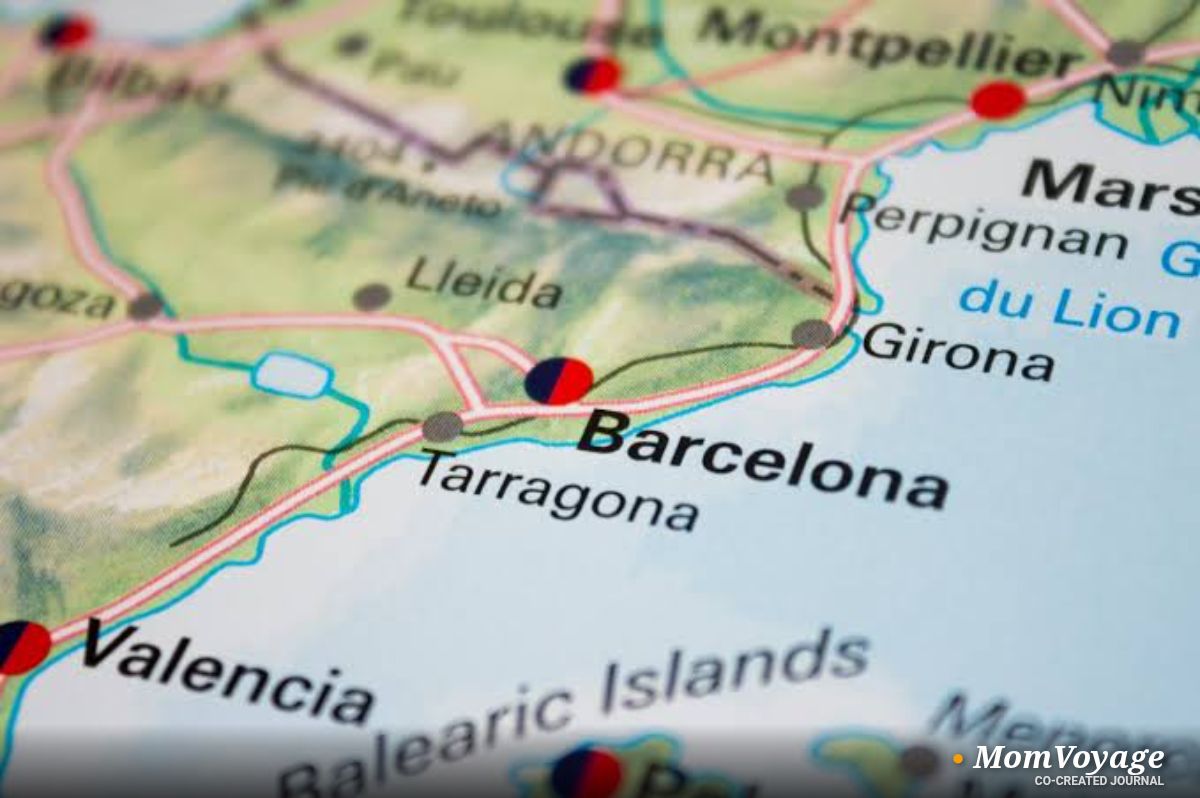
Journey from Valencia to Barcelona, uncovering hidden gems, local flavors, and exclusive travel tips for an unforgettable Spanish coastal adventure. Discover the extraordinary.
Valencia's City of Arts and Sciences vs. Barcelona's Sagrada Familia: Architectural Titans
The journey from Valencia to Barcelona is punctuated by two iconic architectural marvels that stand as testaments to human ambition and artistic vision: Valencia's City of Arts and Sciences and Barcelona's Sagrada Familia. While both are undeniably world-class landmarks, their genesis, purpose, and aesthetic offer a fascinating study in contrasts.
The City of Arts and Sciences (Ciutat de les Arts i les Ciències) in Valencia is a futuristic architectural complex designed by Santiago Calatrava and Félix Candela. It's not a single building, but rather a sprawling, breathtaking ensemble of structures, each dedicated to a different form of art, science, and nature. Imagine a collection of gleaming, organic forms seemingly emerging from a turquoise lagoon. Its key components include the Palau de les Arts Reina Sofía (opera house and performing arts center), the Hemisfèric (IMAX cinema and planetarium), the Museu de les Ciències Príncipe Felipe (interactive science museum), the Oceanogràfic (Europe's largest aquarium), and the Ágora (multipurpose events space). The purpose of this complex is to foster education, scientific discovery, and cultural enrichment in a visually stunning environment. It's a testament to modern engineering and a bold statement about the future, a place where the lines between art, science, and nature blur. The experience here is about exploration and wonder, a journey through different facets of human knowledge housed within breathtaking, almost alien, structures.
In stark contrast, Sagrada Familia in Barcelona, Gaudí's unfinished masterpiece, is a deeply spiritual and profoundly symbolic basilica. Unlike the contemporary, avant-garde nature of Valencia's complex, Sagrada Familia is rooted in Gothic tradition, yet transcends it with Gaudí's unique organic and fantastical style. Its purpose is explicitly religious, a house of worship designed to inspire awe and devotion. Each facade tells a biblical story, from the Nativity to the Passion, sculpted with intricate detail and symbolic meaning. The interior, with its soaring tree-like columns and stained-glass windows that bathe the space in ethereal light, aims to create a mystical and uplifting atmosphere. While the City of Arts and Sciences is about the breadth of human achievement, Sagrada Familia focuses on the divine and the spiritual journey. The experience is one of contemplative beauty, a deep dive into religious narrative and artistic devotion.
The comparative analysis reveals a fundamental difference in their architectural language. Calatrava's work is characterized by its fluid lines, white, almost skeletal structures, and a sense of weightlessness, often referencing natural forms like eyes or sails. It feels undeniably modern and forward-looking. Gaudí, on the other hand, draws heavily from nature, but his forms are more robust, intricate, and deeply imbued with symbolism. His use of color, texture, and mosaic work adds a richness and tactile quality that is distinct. Ultimately, while both are iconic, the City of Arts and Sciences is a celebration of human intellect and ingenuity in a contemporary context, while Sagrada Familia is a timeless testament to faith, artistic passion, and a profound connection to the natural and spiritual world.
Beyond the Landmarks: Valencia's Turia Gardens - A Green Lung of Urban Renewal
While the City of Arts and Sciences is a striking visual anchor for Valencia, its true hidden gem lies in the Turia Gardens (Jardín del Turia). This 9-kilometer-long green ribbon is a remarkable feat of urban planning and a testament to community vision. Once the dried-up riverbed of the Turia River, which repeatedly flooded the city, it was controversially diverted south in the 1950s. Instead of being developed into roads or buildings, the community advocated for its transformation into a park.
The result is an extraordinary urban oasis that stretches across the city, connecting different neighborhoods and offering a diverse range of recreational spaces. Within the Turia Gardens, you'll find:
Sports facilities: Numerous football pitches, running tracks, basketball courts, and skate parks cater to active individuals and families. Children's play areas: Creative and engaging playgrounds are scattered throughout, providing endless entertainment for younger visitors. Gardens and thematic zones: From rose gardens to palm groves, various sections offer different botanical experiences. The "Parc Gulliver," a fantastical playground designed to resemble the reclining Gulliver from Swift's novel, is a particular delight for children of all ages. Picnic spots and relaxation areas: Shady trees and well-maintained lawns provide ample opportunities for a leisurely picnic or simply unwinding. Cycling and walking paths: Miles of paved paths make it a popular route for cyclists, joggers, and walkers, offering a pleasant escape from the city's bustle. Connections to other attractions: The gardens serendipitously weave through the city, connecting the historic center with the modern City of Arts and Sciences, making it a natural pathway for exploration.
The Turia Gardens represent a profound urban transformation, turning a potential source of disaster into an invaluable community asset. It's a place where locals and tourists alike can experience the vibrant pulse of Valencia in a serene and natural setting, demonstrating how thoughtful urban planning can create truly livable and enjoyable cities. It's a space that fosters health, community, and a deep appreciation for green spaces within a bustling urban environment.
Barcelona's Gothic Quarter: Whispers of Medieval History
Transitioning from Valencia's modern marvels to Barcelona's historical heart, the Gothic Quarter (Barri Gòtic) is an immersive journey back in time. This labyrinthine neighborhood, nestled near the waterfront, is the oldest part of the city and a living museum of medieval architecture and ambiance.
Wandering through its narrow, winding streets feels like stepping onto a film set, where ancient stone buildings lean in, creating intimate plazas and hidden courtyards. The atmosphere is palpable, filled with the echoes of centuries past. Key highlights within the Gothic Quarter include:
Barcelona Cathedral (Catedral de Barcelona): A magnificent Gothic cathedral dedicated to Saint Eulalia, the patron saint of Barcelona. Its impressive facade, cloister with resident geese, and rooftop views are a must-see. Plaça Sant Jaume: The political heart of Barcelona, this grand square is home to the Palau de la Generalitat (Catalan government) and the Ajuntament (City Hall), facing each other across the square, a symbol of civic power. Plaça del Rei: A stunning medieval square that feels like a hidden treasure, featuring the Palau Reial Major (Royal Palace) with its impressive Hall of the Tinell and the Saló del Tinell. Roman ruins: Evidence of Barcelona's Roman past can still be found, particularly in the Museu d'Història de Barcelona (MUHBA), which preserves sections of the ancient city walls and Roman streets. Hidden Plazas and Courtyards: Beyond the main sights, the true charm lies in getting lost. Discovering charming, sun-dappled plazas like Plaça Sant Felip Neri, with its poignant history, or stumbling upon artisanal shops and cozy cafes tucked away from the main thoroughfares. The Jewish Quarter (El Call): Though remnants are subtle, this historic area offers a glimpse into the once-thriving Jewish community of medieval Barcelona.
The Gothic Quarter is more than just a collection of old buildings; it's an experience. It invites you to slow down, to explore at your own pace, and to soak in the rich history that permeates every cobblestone and stone archway. It's a place where the past isn't just remembered; it's felt.
Culinary Delights: Paella's Valencian Roots and Barcelona's Tapas Culture
The gastronomic journey between Valencia and Barcelona is a delicious exploration of Spain's diverse culinary landscape, with two iconic traditions taking center stage: Valencian paella and Barcelona's vibrant tapas scene.
Valencia and the Art of Paella: Paella is more than just a dish in Valencia; it's a way of life, a communal ritual deeply ingrained in the region's identity. The birthplace of this world-famous rice dish, Valencia offers the most authentic and diverse paella experiences.
The True Paella Valenciana: The quintessential Paella Valenciana features rabbit, chicken, green beans (ferraura), and butter beans (garrofó), seasoned with saffron and cooked over an open fire, traditionally in a wide, shallow pan called a paellera. It's a dish of earthy flavors and satisfying textures. Variations and Evolution: While the traditional version reigns supreme, Valencia also offers other delightful variations, such as Paella de Marisco (seafood paella), Paella Mixta (a combination of meat and seafood), and the intriguing Arroz Negro (black rice colored and flavored with squid ink). The Ritual of Cooking: The preparation of paella is often a social event, with families and friends gathering to share in the cooking process, a testament to its communal significance. The intoxicating aroma of saffron-infused rice simmering over the fire is a hallmark of Valencian life. Where to Savor: For the most authentic experience, venture to the Albufera Natural Park just south of Valencia, where rice paddies stretch as far as the eye can see, and traditional restaurants serve paella cooked over wood fires.
Barcelona and the Joy of Tapas: Barcelona, on the other hand, is synonymous with tapas culture, a dynamic and varied way of eating that emphasizes small, flavorful dishes meant for sharing.
The Tapas Experience: Tapas are small portions of food, served with drinks, encouraging a social and informal dining experience. They can range from simple olives and cured meats to elaborate seafood creations and mini versions of traditional Spanish dishes. Variety is Key: Barcelona's tapas bars offer an incredible diversity, from traditional pinchos (small snacks often served on a piece of bread, common in the Basque Country but popular in Barcelona) to more elaborate raciones (larger portions of tapas). Must-Try Tapas: Patatas Bravas: Fried potatoes with a spicy tomato sauce and aioli. Gambas al Ajillo: Sizzling garlic shrimp. Pan con Tomate: Toasted bread rubbed with tomato and drizzled with olive oil. Croquetas: Creamy béchamel fritters, often filled with ham or chicken. Boquerones en Vinagre: Anchovies marinated in vinegar. The Social Aspect: Tapas hopping, moving from one bar to another, is a quintessential Barcelona pastime. It's a way to experience a variety of flavors, engage with locals, and enjoy the city's lively atmosphere. Where to Explore: El Born, Gràcia, and Poble Sec are vibrant neighborhoods renowned for their excellent tapas bars, offering everything from traditional establishments to modern, innovative culinary spots.
While paella represents a focused, celebratory meal, tapas embody a more fluid, social, and experimental approach to dining. Both offer an unforgettable taste of Spain, reflecting the distinct flavors and cultural nuances of their respective cities.
Day Trips and Coastal Drives: Unveiling the Costa Blanca and Costa Brava
The journey from Valencia to Barcelona isn't just about the two major cities; it's also about the captivating coastline that connects them. This scenic route offers opportunities for delightful detours to charming towns and breathtaking natural landscapes along the Costa Blanca and the Costa Brava.
Exploring the Costa Blanca (White Coast) South of Valencia: While the latter part of this coastal stretch is what leads you towards Barcelona, the Costa Blanca begins south of Valencia and offers its own unique charm. If time permits for an earlier exploration or a slight backtrack, consider:
Altea: A picturesque whitewashed town perched on a hillside overlooking the Mediterranean. Its charming old town, with cobblestone streets and a beautiful blue-domed church, offers stunning views and a relaxed atmosphere. Calpe: Famous for the imposing Peñón de Ifach, a massive rock that juts out into the sea. Hiking to its summit provides panoramic vistas, and the town itself is a popular seaside resort. Villajoyosa: Known for its brightly colored houses lining the waterfront and its rich chocolate-making tradition. A visit to a chocolate factory here is a sweet treat.
Venturing North Towards Barcelona: The Costa Brava (Wild Coast): As you approach Barcelona, the coastline transforms into the rugged and dramatic Costa Brava, a region characterized by its dramatic cliffs, secluded coves, and charming fishing villages.
Tossa de Mar: A truly magical destination, Tossa de Mar boasts a beautifully preserved medieval walled town, the Vila Vella, that cascades down to the sea. Walking its ramparts and exploring its ancient streets is an unforgettable experience. Cadaqués: Made famous by Salvador Dalí, this whitewashed village with its iconic blue boats and crystal-clear waters feels like a Mediterranean dream. The surreal atmosphere and artistic heritage are captivating. Begur and its Calas: The medieval hilltop town of Begur offers stunning views and is a gateway to some of the Costa Brava's most beautiful hidden coves (calas) like Aiguablava and Sa Tuna, perfect for swimming and sunbathing in serene settings. Parc Natural del Cap de Creus: This wild, windswept peninsula is the easternmost point of mainland Spain, with dramatic rock formations shaped by the Tramuntana wind. It's a haven for hikers and nature lovers, offering breathtaking coastal scenery.
The coastal drives between Valencia and Barcelona are not merely transit routes; they are invitations to discover the diverse beauty of Spain's Mediterranean shores. Whether you choose to explore the southern Costa Blanca or the dramatic northern Costa Brava, these coastal gems offer a refreshing contrast to the urban energy of the cities and a deeper appreciation for Spain's natural splendor.
The Legacy of Modernisme: Gaudí's Influence Beyond Sagrada Familia
While Sagrada Familia is Gaudí's magnum opus, his profound influence on Barcelona's architectural landscape, particularly through the Modernisme movement, extends far beyond this iconic basilica. Modernisme, Catalonia's distinctive Art Nouveau style, flourished in the late 19th and early 20th centuries, and Gaudí was its undisputed master.
Exploring Barcelona through the lens of Modernisme reveals a city adorned with whimsical, organic, and richly decorated buildings that showcase an unparalleled artistic vision.
Park Güell: Originally intended as a utopian housing project, Park Güell is now a public park and a UNESCO World Heritage site. It's a fantastical wonderland of colorful mosaics, undulating forms, and playful architecture. The famous mosaic lizard (El Drac), the serpentine bench, and the gingerbread-like gatehouses are iconic images of Barcelona. Casa Batlló: Located on Barcelona's Passeig de Gràcia, Casa Batlló is a radical transformation of a pre-existing building. Its facade, resembling a dragon's scales and bones, is a masterpiece of imagination and color. The interior is equally enchanting, with fluid lines and natural light creating a dreamlike atmosphere. Casa Milà (La Pedrera): Also on Passeig de Gràcia, Casa Milà, nicknamed "The Quarry" for its undulating stone facade, is another of Gaudí's residential masterpieces. Its rooftop, with its surreal chimneys resembling knights, offers spectacular city views. The building's innovative design challenged conventional architectural norms. Other Modernista Architects: While Gaudí is the most famous, other architects also contributed significantly to the Modernisme movement in Barcelona. Highlights include: Lluís Domènech i Montaner: Architect of the stunning Palau de la Música Catalana, a concert hall that is a riot of color, mosaics, and stained glass, and the Hospital de Sant Pau, a beautiful former hospital complex. Josep Puig i Cadafalch: Known for his Casa Amatller and Casa de les Punxes, buildings that blend Catalan Gothic and Modernista elements.
Understanding Modernisme is crucial to appreciating Barcelona's unique identity. It's a style that celebrates nature, craftsmanship, and a bold embrace of artistic expression, transforming the city into an open-air museum of architectural wonders. Gaudí's legacy, in particular, is woven into the very fabric of Barcelona, offering a constant source of inspiration and awe.
A Tale of Two Cities: Cultural Rhythms and Artistic Souls
Valencia and Barcelona, though both vibrant Spanish metropolises, possess distinct cultural rhythms and artistic souls that shape the experiences of their visitors. Understanding these nuances enriches the journey and offers a deeper connection to each city.
Valencia: A Blend of Tradition and Innovation: Valencia strikes a beautiful balance between its deep-rooted traditions and a forward-looking spirit.
The Spirit of the Valencian People: Valencians are often described as passionate, proud of their heritage, and enjoying a relaxed pace of life. The concept of 'pausa' (pause) is important here – a time for coffee, conversation, and savoring the moment. Festivals and Traditions: The most iconic celebration is Las Fallas in March, a spectacular festival of giant papier-mâché sculptures that are set ablaze on the final night. This event embodies the city's exuberant and fiery spirit. Other traditions include the annual flower battles and religious processions. Artistic Expressions: Beyond architecture, Valencia's artistic soul can be found in its ceramics (particularly from Manises), its rich culinary heritage, and a growing contemporary art scene. The Institut Valencià d'Art Modern (IVAM) showcases modern and contemporary art, while smaller galleries pepper the city. Music and Dance: Traditional Valencian music often features the tabalet (a small drum) and dolçaina (a woodwind instrument), accompanying folk dances like the jota valenciana.
Barcelona: A Cosmopolitan Hub of Creativity: Barcelona pulses with a dynamic, cosmopolitan energy, fueled by a deep-seated artistic sensibility and a strong sense of Catalan identity.
The Catalan Identity: Barcelona is the capital of Catalonia, and its distinct language, culture, and political aspirations are palpable. This Catalan pride is expressed through art, festivals, and a strong community spirit. Artistic Dominance: Barcelona is world-renowned for its artistic prowess, with Gaudí being the most obvious exponent. However, the city has a rich history of artistic innovation, from the avant-garde movements of the early 20th century to its thriving contemporary art and design scenes. Picasso Museum: Dedicated to the early works of Pablo Picasso, this museum offers a fascinating insight into the artist's formative years. Miró Foundation: Showcasing the vibrant and surreal works of Joan Miró. MACBA (Museum of Contemporary Art of Barcelona): A hub for cutting-edge contemporary art. Nightlife and Culture: Barcelona boasts a legendary nightlife, from traditional flamenco shows to avant-garde music venues and bustling bars. The city also has a vibrant theatre scene and a strong literary tradition. The Passion for Football: FC Barcelona is more than just a football club; it's a cultural institution that unites the city. Match days are a spectacle of passion and collective identity.
In essence, Valencia offers a journey into the heart of traditional Spain, with moments of modern brilliance, while Barcelona is a captivating tapestry of cutting-edge art, vibrant culture, and a strong, independent spirit. Both cities, however, share a common thread of warmth, hospitality, and an undeniable zest for life, making the journey between them a truly unforgettable Spanish experience.
Journey Highlights
- Begin your adventure in the sun-kissed city of Valencia. - Explore the futuristic City of Arts and Sciences. - Wander through the historic Old Town (Ciutat Vella). - Discover the stunning Turia Gardens. - Enjoy fresh seafood at the Malvarrosa beach. - Consider a scenic drive along the Costa del Azahar. - Stop in charming coastal towns like Peñíscola. - Arrive in the cosmopolitan city of Barcelona. - Immerse yourself in Gaudí's architectural wonders. - Explore the vibrant Gothic Quarter and El Born. - Discover the magic of Park Güell. - Savor authentic Catalan cuisine.
Local Secrets & Insider Tips
As a seasoned local, let me share some insider secrets for your Valencia to Barcelona journey.
Valencia's Turia Gardens: To truly appreciate the scale and tranquility of the Turia Gardens, visit on a weekday morning, ideally between 7:00 AM and 9:00 AM. This is when locals enjoy a peaceful jog or cycle before the city truly awakens. For a unique perspective, rent a bike near the Gulliver Park section and cycle the entire length of the park towards the City of Arts and Sciences. Skip the main cafes along the park and instead, find small 'horchaterías' just off the park's edge in the Ruzafa neighborhood for the most authentic Horchata.
Barcelona's Park Güell: Park Güell is undeniably magical, but the crowds can be overwhelming. To experience its enchanting beauty with fewer people, aim for the earliest possible entry slot, usually around 9:00 AM, especially during weekdays. Book your tickets online well in advance as they sell out. Instead of exiting through the main tourist route, explore the less-visited upper paths of the park for stunning, unobstructed views of the city and the Mediterranean. For a truly local culinary experience near Park Güell, venture a few blocks away from the park entrance into the Gràcia neighborhood. Look for small, family-run 'bodegas' and try their 'platillos' (small plates) like 'bombas' (potato croquettes) or grilled sardines.
Navigating Between Cities: If driving, be mindful of the ZTL (Limited Traffic Zones) in Barcelona's city center. It’s often best to park in a designated public parking garage on the outskirts and use public transport. For train travel, ensure you're at the station with ample time, as security checks can sometimes cause delays, especially at larger stations like Valencia Joaquín Sorolla.
Common Questions
Frequently Asked Questions
Q: What is the best way to travel from Valencia to Barcelona? A: The most convenient option is by high-speed train (Euromed or Talgo), which takes approximately 3-3.5 hours. Renting a car offers more flexibility for exploring coastal towns along the way, with a drive time of around 3.5-4 hours without stops.
Q: When is the best time to visit Valencia and Barcelona? A: Spring (April to June) and Fall (September to October) offer pleasant weather and fewer crowds. Summer (July-August) is hot and busy, while winter (November-March) is mild but can be rainy.
Q: Are there any specific local dishes I must try? A: In Valencia, don't miss authentic Paella Valenciana and Horchata. In Barcelona, try 'pa amb tomàquet' (bread with tomato), 'escalivada' (roasted vegetables), and crema catalana.