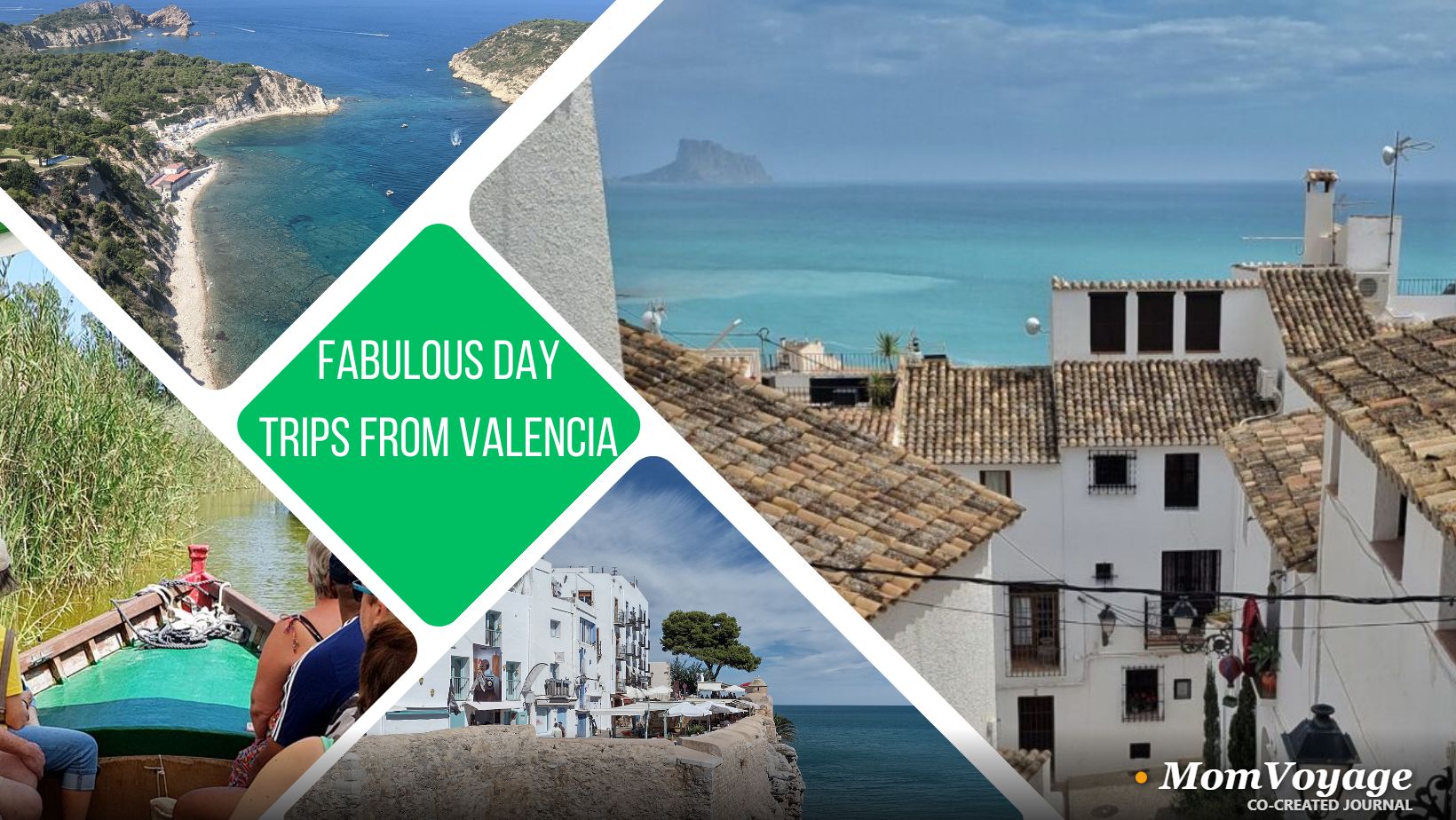
Embark on an unforgettable journey from Valencia to L'Hospitalet along the breathtaking Catalan coast. Your guide to hidden gems, local eats, and scenic drives awaits.
Valencia: A Symphony of Sun, History, and Culinary Delights
Valencia, a jewel on Spain's eastern coast, is a city that effortlessly marries ancient traditions with cutting-edge modernity. Its reputation as the "City of Oranges" hints at the abundance of citrus groves that surround it, but Valencia offers so much more. Stepping into the Ciutat Vella, the ancient heart of the city, is like entering a living museum. Here, the imposing Valencia Cathedral, with its legendary Holy Chalice, stands sentinel over narrow, winding streets. The Silk Exchange (La Lonja de la Seda), a UNESCO World Heritage site, is a breathtaking example of Gothic civil architecture, its soaring vaulted ceilings and intricate stonework a testament to Valencia's historical importance as a trading hub. Beyond the historical core, the Turia Gardens, a masterstroke of urban planning, snake through the city where the Turia River once flowed. This vast green lung offers a tranquil escape, boasting playgrounds, sports facilities, botanical gardens, and serene walking paths, all set within the impressive, repurposed riverbed. And of course, no visit to Valencia is complete without indulging in its most famous culinary export: paella. Whether you opt for the traditional Valencian paella with rabbit and chicken, or a seafood variation, savoring this iconic dish in its birthplace is an unforgettable experience. The city's markets, particularly the Mercado Central, are vibrant sensory explosions, showcasing the freshest local produce, seafood, and artisanal products, offering a true taste of Valencian life.
The Allure of the Orange Blossom Route: A Scenic Transition
Leaving the vibrant embrace of Valencia, the journey north towards L'Hospitalet unfolds along a route that is as enriching for the senses as it is for the soul. The coastal drive, primarily utilizing the N-340 and incorporating faster sections of the AP-7, offers a captivating panorama of Spain's Mediterranean coastline. As you bid farewell to the urban energy of Valencia, the landscape begins to soften, giving way to rolling hills dotted with olive groves and the ubiquitous orange orchards that define this region. The air itself seems to change, carrying the sweet, intoxicating fragrance of citrus blossoms, especially in spring. This route is not merely a transfer between two points; it's an invitation to slow down and appreciate the subtle beauty of the Valencian and Catalan countryside.
Along the way, charming coastal towns and villages beckon for spontaneous stops. Consider detours to discover hidden coves with crystal-clear waters, explore ancient Iberian ruins that whisper tales of millennia past, or simply pull over at a roadside venta for a leisurely lunch of fresh seafood and local wine. The visual tapestry is constantly shifting, from arid scrubland to lush agricultural plains, with glimpses of the azure Mediterranean Sea often appearing on the horizon, a constant and beautiful companion to your drive. This stretch of road is where the essence of the Mediterranean lifestyle truly takes hold, encouraging a sense of peace and an appreciation for the natural world.
Castellón: Gateway to the Costa del Azahar
As you traverse the initial leg of your journey, the province of Castellón emerges as a significant waypoint, offering its own distinct charm and attractions. This region, known as the Costa del Azahar (Orange Blossom Coast), lives up to its poetic name with its abundant citrus groves and stunning coastal scenery.
Exploring Castellón City
The provincial capital, Castellón de la Plana, is a welcoming city with a relaxed atmosphere. Its historic center boasts the impressive Santa María Cathedral, a Gothic masterpiece, and the picturesque Plaza Mayor, a hub of local life. Don't miss the Fascinao, a unique architectural landmark, or a stroll along the El Grao, the city's maritime district, where you can enjoy fresh seafood at waterfront restaurants.
Coastal Gems of Castellón
The coastline of Castellón is dotted with picturesque towns and natural wonders.
Peñíscola: This dramatic fortified town, perched on a rocky promontory jutting into the sea, is a must-see. Its imposing castle, the Castillo del Papa Luna, has served as a setting for numerous films and television series, adding to its allure. Wander through its charming medieval streets, explore its ramparts offering breathtaking sea views, and soak in the history. Benicàssim: Famous for its vibrant music festivals and its beautiful sandy beaches, Benicàssim offers a more modern, lively coastal experience. It's an excellent spot for water sports or simply relaxing under the Mediterranean sun. Alcossebre: For a more tranquil escape, Alcossebre offers a series of secluded coves and pristine beaches, perfect for nature lovers and those seeking peace and quiet. The Sierra de Irta Natural Park, which borders the coast here, provides excellent hiking opportunities with stunning views.
Inland Delights of Castellón
While the coast is undeniably alluring, venturing slightly inland reveals the province's hidden treasures.
Morella: This magnificent medieval town, crowned by a formidable castle, is a UNESCO World Heritage candidate and a truly enchanting destination. Its well-preserved walls, narrow cobbled streets, and Gothic architecture transport visitors back in time. The Maestrazgo Region: This rugged and sparsely populated region offers a glimpse into a more traditional way of life, with picturesque villages and dramatic landscapes ideal for hiking and exploration.
The Catalan Coastline Beckons: From Delta to Dorada
Continuing north, the landscape transforms as you enter the heart of Catalonia, with the fertile Ebro Delta acting as a magnificent natural gateway. This vast wetland, a UNESCO Biosphere Reserve, is a unique ecosystem teeming with birdlife, rice paddies, and a distinctive, serene beauty.
The Ebro Delta: A Natural Spectacle
Avian Paradise: The Delta is a crucial stopover for migratory birds, making it a haven for ornithologists and nature enthusiasts. Thousands of flamingos, egrets, herons, and various duck species can be spotted in their natural habitat, particularly around the lagoons of La Encanyissada and Tancada. Rice Cultivation: The iconic rice paddies are an integral part of the Delta's identity, creating a mesmerizing patchwork of green and gold, depending on the season. Exploring these fields by bicycle or boat offers an intimate connection with this vital agricultural landscape. Coastal Beauty: The Delta boasts stunning, unspoiled beaches like Trabucador, a long sandy spit offering panoramic views, and the wilder shores of Punta de la Banya, known for its salt flats and birdwatching opportunities. Gastronomic Delights: Freshness is paramount here. Indulge in delicious rice dishes, locally caught seafood, and the renowned Delta mussels, all savored with stunning natural backdrops.
The Costa Dorada: Golden Sands and Roman Echoes
South of Barcelona, the Costa Dorada (Golden Coast) lives up to its name with miles of long, golden sandy beaches. This stretch of coastline offers a blend of popular tourist resorts and quieter fishing villages.
Tarragona: A city of immense historical significance, Tarragona boasts an exceptionally well-preserved Roman amphitheater overlooking the Mediterranean, a testament to its past as a Roman provincial capital. Its archaeological ensemble is a UNESCO World Heritage site, offering a fascinating journey back in time. Sitges: A chic and vibrant seaside town, Sitges is renowned for its beautiful beaches, its lively arts scene, and its charming old town with whitewashed buildings and narrow, winding streets. It's also a popular destination for LGBTQ+ travelers. Salou: A family-friendly resort town, Salou is famous for its long sandy beach, its buzzing promenade, and its proximity to PortAventura World, one of Europe's largest theme parks.
Approaching the Metropolis: The Evolving Landscape
As your journey progresses northward, the presence of Catalonia's bustling capital, Barcelona, begins to subtly influence the landscape and the pace of life. While L'Hospitalet de Llobregat is a distinct municipality, its close proximity to Barcelona means the surrounding areas exhibit a gradual shift from coastal serenity to a more urbanized environment.
The AP-7 highway, a vital artery of the region, becomes busier, reflecting the increased volume of traffic heading towards and away from the metropolis. You'll notice more industrial areas and logistical hubs interspersed with pockets of residential development. However, even amidst this growing urbanity, the proximity to the sea remains a defining characteristic. Glimpses of the Mediterranean continue to punctuate the journey, a reminder of the coastal dreams that have guided your path.
This transition is not abrupt but rather a slow, organic evolution. It’s a testament to how densely populated and interconnected the Catalan coast is, with communities seamlessly blending into one another. The infrastructure becomes more sophisticated, with wider roads and more frequent service areas, anticipating the needs of a larger population.
L'Hospitalet de Llobregat: A Glimpse into Authentic Catalan Life
Often overshadowed by its colossal neighbor, Barcelona, L'Hospitalet de Llobregat offers a compelling and authentic experience of Catalan urban living. This vibrant city, the second-largest in Catalonia, is a testament to resilience, reinvention, and a strong sense of community.
Beyond the Shadow of Barcelona
While geographically intertwined with Barcelona, L'Hospitalet possesses its own distinct identity. It's a city with a rich industrial past, which has transformed into a dynamic hub of culture, innovation, and diverse communities. Walking through its neighborhoods, you encounter a genuine slice of Catalan life, unburdened by the intense tourism that can characterize some of Barcelona's more famous districts.
Cultural Hotspots and Green Spaces
L'Hospitalet offers a surprisingly rich cultural tapestry.
Museums and Galleries: Explore the Centre d'Art Tecla Sala, a contemporary art space housed in a former textile factory, or discover local history at the Museu d'Història de l'Hospitalet. Parks and Recreation: The Parc de Can Zam provides a vast green oasis for relaxation and recreation, featuring modern sculptures and expansive lawns. The nearby Parc del Delta del Llobregat offers a chance to connect with nature and observe birdlife. Gastronomic Discoveries: Venture beyond the tourist traps and discover traditional Catalan eateries (bodegas and tascas) serving hearty local fare. Sample pa amb tomàquet (bread with tomato), escudella i carn d'olla (a traditional stew), and a variety of local cheeses and cured meats.
Embracing the Local Vibe
The true magic of L'Hospitalet lies in its everyday life. Wander through its bustling markets, observe the vibrant street art scene, and engage with the friendly locals. It's a place where you can experience the rhythm of daily Catalan existence, from the morning rush to the evening passejada (stroll). The city's commitment to revitalizing its urban spaces and fostering community initiatives makes it a fascinating place to explore for those seeking a more immersive travel experience.
Culinary Crossroads: From Valencian Paella to Catalan Tapas
The journey from Valencia to L'Hospitalet is a delightful exploration of Spain's diverse culinary landscape, showcasing the evolution of flavors and traditions along the Mediterranean coast.
Valencian Flavors: The Paella's Domain
Valencia is, unequivocally, the spiritual home of paella. The traditional Valencian paella, a harmonious blend of rice, rabbit, chicken, garrofón (a type of large white bean), and sometimes snails, is a masterpiece of simple yet profound flavors. Beyond the classic, Valencia offers a spectrum of paella variations, including seafood paellas bursting with the freshest catches from the Mediterranean, and arroz a banda, where the rice is cooked in fish broth and served separately from the succulent fish it was flavored with.
Essential Ingredients: The quality of the rice (arroz bomba or senia varieties are preferred), the local olive oil, and the fragrant saffron are paramount to a perfect paella. The Ritual: Paella is often a communal dish, best enjoyed with family and friends, typically for lunch on weekends. The preparation itself is a labor of love, often cooked outdoors over an open fire, infusing it with an extra layer of smoky flavor. Beyond Paella: Valencia's culinary scene extends far beyond its most famous export. Indulge in esgarraet, a salad of roasted red peppers and salt cod, or clóchinas, small, intensely flavored mussels. The city's numerous horchaterías are essential stops for a refreshing glass of horchata, a sweet, milky drink made from tiger nuts, often accompanied by fartons, a light, airy pastry.
Catalan Cuisine: A Tapestry of Tastes
As you move towards L'Hospitalet and the Catalan coast, the culinary landscape shifts, embracing the distinct flavors and traditions of Catalonia. While you might find paella variations, the emphasis moves towards a rich array of tapas, hearty stews, and the innovative use of local produce.
Tapas Culture: Catalan tapas are an art form. From patatas bravas with their spicy sauce to pan con tomate (toasted bread rubbed with tomato, garlic, and olive oil), and a variety of seafood and cured meats, the tapas bar is a central institution. Signature Dishes: Don't miss esqueixada, a refreshing salad of shredded salt cod with tomatoes, onions, and olives. Suquet de peix is a flavorful fish stew, often enjoyed in coastal towns. For a heartier option, escudella i carn d'olla is a substantial stew perfect for cooler evenings. The Magic of Mar i Muntanya: A unique concept in Catalan cuisine is mar i muntanya (sea and mountain), dishes that cleverly combine ingredients from both realms. Think chicken with prawns or rabbit with lobster, a delightful interplay of textures and flavors. Local Wines: Complement your meals with excellent Catalan wines, from the crisp whites of the Penedès region to the robust reds of Priorat.
This gastronomic progression offers a fascinating insight into the regional variations that make Spanish cuisine so incredibly rich and diverse. It's a journey that satisfies not only the appetite but also the curiosity for cultural exploration.
Journey Highlights
- Explore the futuristic City of Arts and Sciences in Valencia. - Wander through the historic El Carmen neighborhood in Valencia. - Enjoy a traditional Valencian paella by the beach. - Drive the scenic coastal roads, stopping at charming seaside towns. - Relax on the beaches of L'Hospitalet. - Experience authentic Catalan cuisine in local eateries.
Local Secrets & Insider Tips
spent considerable time exploring the Valencian coast and the subtle charms of L'Hospitalet, I can tell you this route is about embracing the journey and discovering pockets of authenticity.
Timing Your Valencia Visit for Serenity: If you're exploring Valencia's main attractions like the City of Arts and Sciences, aim to arrive right at opening time, around 9:30 AM, especially for the Oceanogràfic. For the historic center, particularly the Central Market, 10:00 AM on a weekday offers a vibrant yet manageable experience before the peak lunch crowds descend. The Turia Gardens are beautiful any time, but early morning (around 8:00 AM) provides the best light and tranquility.
Coastal Road Hidden Gems: Instead of rushing straight to L'Hospitalet, pull off the AP-7 near Alcossebre or Peñíscola. Look for signs to smaller calas (coves) rather than the main beaches. Cala Ordí near Alcossebre is often overlooked and offers crystal-clear waters. For a truly local seafood experience, bypass the beachfront restaurants in larger towns and seek out a small, family-run place in a village like Les Cases d'Alcanar. Ask for the 'arròs a banda' – a flavorful rice dish cooked in fish broth, often served after the fish itself.
Navigating L'Hospitalet and Beyond: While L'Hospitalet itself has a growing reputation, its proximity to Barcelona means many miss its local charm. For the best beach experience, head towards Platja de la Pineda (technically just south in Castelldefels but easily accessible) early on a weekend morning, around 9:00 AM, to secure a good spot. If you're dining in L'Hospitalet, venture away from the main avenues. Look for unassuming bars in neighborhoods like Sant Josep or La Florida and order 'pa amb tomàquet' (bread rubbed with tomato) with some local cured ham ('pernil') or cheese. It's simple, but the quality of ingredients speaks volumes.
Logistical Pitfalls to Avoid: Parking can be challenging in popular coastal towns during peak season. If driving, utilize designated parking areas on the outskirts and walk in, or embrace public transport for short hops between towns. When returning towards L'Hospitalet/Barcelona, be aware of potential traffic, especially on Friday afternoons and Sunday evenings. The quickest train from Valencia to Barcelona (Sants) takes about 3 hours; from Sants, L'Hospitalet is just a few metro stops away (L1 line is very convenient). Don't rely solely on GPS for finding beach access points; sometimes the best spots are found by following local signs or asking.
Common Questions
Frequently Asked Questions
- What is the best way to travel from Valencia to L'Hospitalet? The most scenic route is by car, allowing for stops along the coast. Alternatively, you can take a high-speed train from Valencia to Barcelona and then a short metro or train ride to L'Hospitalet.
- How long does the drive take? The direct drive is approximately 3.5 to 4 hours without significant stops. However, taking the coastal route and making brief stops can extend this to a full day trip.
- What are the must-try foods in Valencia? Paella Valenciana is the undisputed king, but also try fideuà (a noodle dish similar to paella), horchata (a refreshing tiger nut drink), and buñuelos (fritters).
- Is L'Hospitalet worth visiting? Yes, especially if you seek a less touristy experience near Barcelona. It offers pleasant beaches and a genuine local atmosphere.