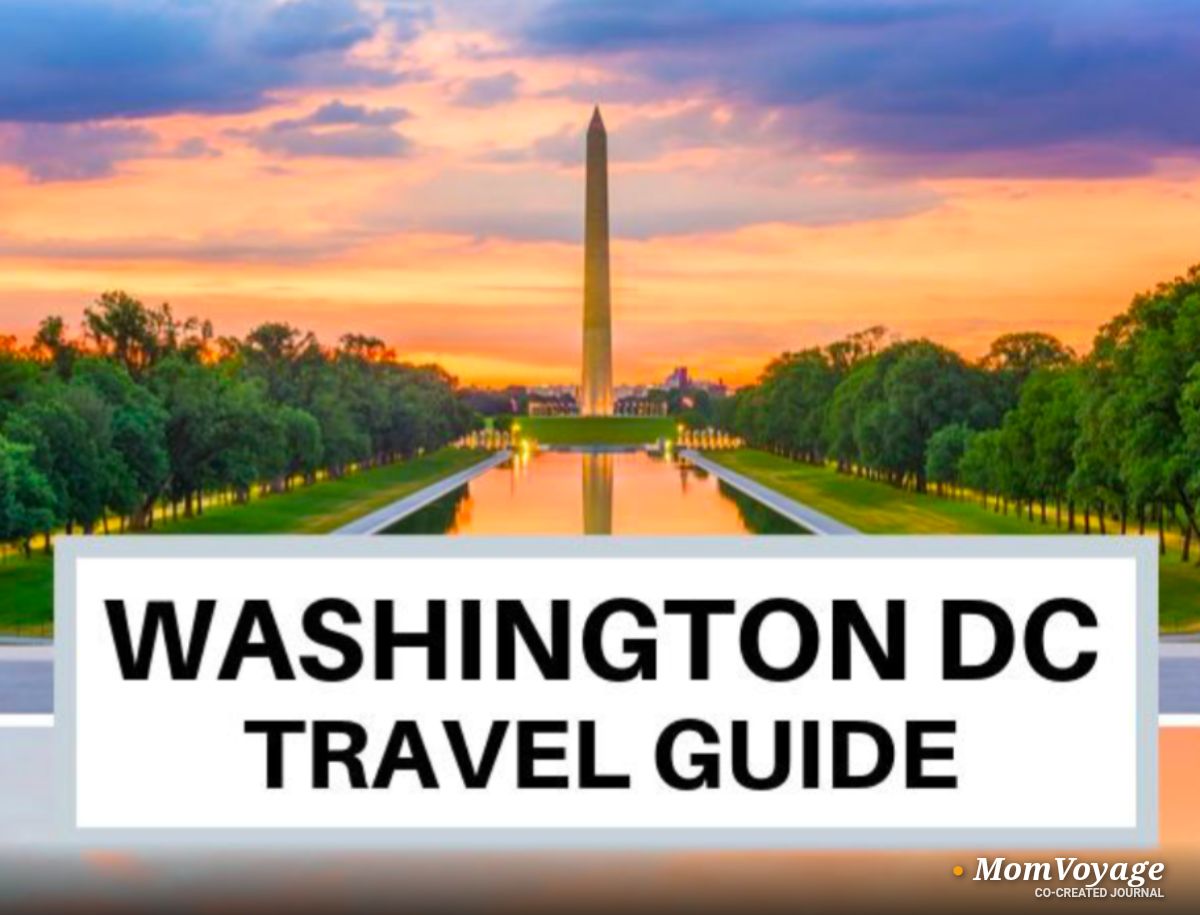
Explore Washington D.C.'s best kept secrets in 2026. Discover charming neighborhoods, unique culinary delights, and insider tips for an unforgettable trip.
Unlocking Washington D.C.'s Hidden Charms
Washington D.C. is a city that thrives on its grand narratives – the monuments, the museums, the halls of power. Yet, beneath this impressive facade lies a vibrant tapestry of lesser-known locales and experiences that offer a more intimate glimpse into the nation's capital. For travelers in 2026 looking to move beyond the typical tourist trail, D.C. rewards with quiet corners, authentic flavors, and captivating stories waiting to be discovered.
This guide is crafted for the curious traveler, the one who seeks to understand a city not just by its famous sights, but by its everyday magic. We’ll unveil the secrets that make D.C. a truly special destination, offering a blend of history, culture, and local life that enchants at every turn.
Your 7-Day D.C. Hidden Gems Itinerary
Day 1: Georgetown's Historic Enclaves and Artistic Whispers Venture beyond the bustling M Street and Wisconsin Avenue to truly immerse yourself in Georgetown's storied past. Wander down the cobblestone alleys of residential streets, where elegant Federal and Victorian homes stand as silent witnesses to centuries of history. Admire the meticulously preserved architecture, each doorway and window hinting at the lives lived within. Discover charming, independent boutiques tucked away on side streets, offering unique finds far from the mainstream. Don't miss a stroll along the C&O Canal Towpath, a tranquil oasis where you can imagine the days of bustling commerce.
Morning: Explore the residential streets south of M Street, particularly around N Street and O Street, for architectural gems. Seek out the Dumbarton Oaks Museum and Gardens, a breathtaking estate with stunning gardens and a significant art collection, often overlooked by day-trippers. Lunch: Enjoy a casual yet delicious meal at a local cafe in Georgetown, perhaps one with outdoor seating to soak in the atmosphere. Consider Baked & Wired for amazing cupcakes and coffee, or Martin's Tavern, a historic spot where JFK proposed to Jackie. Afternoon: Visit the Old Stone House, the oldest building in Washington D.C., for a tangible connection to colonial life. Afterwards, explore the numerous art galleries that pepper the neighborhood, showcasing local and emerging artists. Evening: Experience a more intimate dining scene in Georgetown. Seek out restaurants like Fiola Mare for exquisite Italian seafood with waterfront views or Chez Billy Sud for a charming French bistro experience.
Day 2: Embassy Row's Grandeur and Woodley Park's Eclectic Charm Embark on a journey along Embassy Row, a stretch of Massachusetts Avenue that showcases the diplomatic heart of the nation. While many know of the impressive buildings, few take the time to appreciate the architectural diversity and the stories they hold. Beyond the grandeur, discover the residential charm of the Woodley Park neighborhood, known for its leafy streets and vibrant local businesses.
Morning: Walk or bike along Massachusetts Avenue NW, marveling at the varied architectural styles of the foreign embassies. Learn about the history of these grand estates and the countries they represent. Consider researching specific embassies beforehand to learn about their unique design elements. Lunch: Head to Woodley Park for a diverse range of dining options. Try a local favorite like the New Deal Cafe, known for its community focus and delicious fare, or explore the international flavors available along Connecticut Avenue. Afternoon: Explore the National Cathedral, a magnificent Gothic cathedral that offers stunning architecture and panoramic views of the city from its towers. While well-known, its serene interior and intricate details are often best appreciated during a quieter visit, away from peak tour times. Evening: Enjoy a relaxed evening in Woodley Park. Catch a show at the historic Avalon Theatre or discover a cozy restaurant on Connecticut Avenue for a taste of local D.C. life.
Day 3: Anacostia's Rich History and Artistic Renaissance Discover the burgeoning cultural scene and deep historical roots of the Anacostia neighborhood. Once a thriving industrial hub, Anacostia is undergoing a remarkable transformation, blending its rich Black history with a vibrant present-day artistic and entrepreneurial spirit. This is a side of D.C. that many tourists completely miss, offering profound insights into the city's evolution.
Morning: Immerse yourself in the history at the Anacostia Community Museum, a Smithsonian institution dedicated to the African American experience in D.C. and beyond. Its focus on community-based stories offers a unique perspective. Lunch: Sample the local flavors in Anacostia. Explore the culinary landscape for authentic soul food or emerging ethnic eateries that reflect the neighborhood's diverse population. Afternoon: Visit the Frederick Douglass National Historic Site, the former home of the abolitionist leader. The site offers a powerful glimpse into his life and legacy. Afterwards, explore the various art studios and galleries that are popping up, showcasing the new wave of Anacostia artists. Evening: Consider attending a local event or performance in Anacostia to experience the neighborhood's lively cultural scene. Check local listings for community gatherings, live music, or spoken word events.
Day 4: Adams Morgan's Global Flavors and Meridian Hill Park's Serenity Experience the vibrant, eclectic soul of Adams Morgan, a neighborhood renowned for its diverse culinary scene and lively atmosphere. Just a stone's throw away, find an urban oasis of tranquility in Meridian Hill Park, a beautifully designed European-style park with cascading waterfalls and a rich history.
Morning: Begin your day with a sensory exploration of Adams Morgan. Stroll along 18th Street NW, taking in the colorful murals, eclectic shops, and the international aroma of its many restaurants. Lunch: Indulge in an international culinary adventure. Adams Morgan boasts an incredible array of Ethiopian, Salvadoran, Vietnamese, and other global cuisines. Choose a restaurant that piques your interest and savor the authentic flavors. Afternoon: Escape to the serenity of Meridian Hill Park (also known as Malcolm X Park). Admire the statues, the iconic Italian-style cascading fountain, and the breathtaking views of the city. It’s a perfect spot for a peaceful afternoon picnic or simply to relax and people-watch. Evening: As the sun sets, Adams Morgan truly comes alive. Enjoy a pre-dinner drink at one of its many lively bars before returning for dinner or exploring more of its diverse dining options.
Day 5: Rock Creek Park's Natural Escape and Cleveland Park's Historic Homes Escape the urban hustle and delve into the natural beauty and historical charm of Rock Creek Park and the surrounding Cleveland Park neighborhood. This expansive urban park offers a refreshing natural respite, while Cleveland Park provides a glimpse into elegant residential D.C.
Morning: Explore the vastness of Rock Creek Park. Hike or bike along its numerous trails, discover hidden picnic spots, or visit the Rock Creek Nature Center for educational exhibits about the park's diverse flora and fauna. Consider a visit to the Peirce Mill, a historic grist mill within the park. Lunch: Enjoy a picnic lunch within the serene surroundings of Rock Creek Park. Alternatively, head to Cleveland Park for a casual meal at a local diner or cafe along Wisconsin Avenue. Afternoon: Wander through the charming streets of Cleveland Park, admiring the beautiful, often historic, single-family homes. Many of these residences showcase architectural styles from the early to mid-20th century. Evening: Experience a local dining scene in Cleveland Park. This neighborhood offers a good mix of family-friendly restaurants and more upscale dining options, catering to a local clientele.
Day 6: The Palisades' River Views and Foxhall's Sporting Heritage Discover the tranquil beauty and unique character of The Palisades, a picturesque neighborhood bordering the Potomac River, and explore the lesser-known sporting heritage at Foxhall. This area offers a different perspective on D.C., emphasizing natural beauty and recreational pursuits.
Morning: Take a scenic drive or walk along MacArthur Boulevard in The Palisades, enjoying the lush greenery and glimpses of the Potomac River. Visit the Francis Scott Key Memorial Bridge for iconic river views. Explore the small shops and cafes that dot the neighborhood. Lunch: Enjoy lunch with a view in The Palisades, perhaps at a restaurant with outdoor seating overlooking the river. Afternoon: Visit Foxhall, a unique sporting and event facility that offers a surprisingly tranquil escape. While it hosts events, the grounds themselves are often accessible and provide a different kind of urban green space. Consider exploring its public-access areas if available. Evening: Enjoy a relaxed dinner in The Palisades, a neighborhood known for its quiet charm and local eateries.
Day 7: Capitol Hill's Residential Streets and Eastern Market's Local Buzz While Capitol Hill is synonymous with government buildings, its residential side offers a delightful exploration of historic row houses, charming streets, and the vibrant pulse of Eastern Market. This allows for a deeper understanding of the community that lives and breathes around the nation's political center.
Morning: Wander through the residential streets of Capitol Hill, admiring the beautifully preserved Victorian row houses. Explore areas like East Village and North Hall for their architectural charm and quiet atmosphere. Lunch: Immerse yourself in the local buzz of Eastern Market. Sample fresh produce, artisanal goods, and delicious prepared foods. It's a fantastic place to experience the community spirit and enjoy a diverse culinary offering. On weekends, the outdoor market is particularly lively. Afternoon: Visit the Library of Congress, not just for its grand architecture but for its often-overlooked exhibitions and reading rooms that offer a glimpse into the nation's intellectual heritage. Alternatively, explore the Folger Shakespeare Library, a hidden gem for literature enthusiasts. Evening: Enjoy a farewell dinner on Capitol Hill, choosing from a range of excellent restaurants frequented by locals, offering a more authentic D.C. dining experience away from the main tourist hubs.
Beyond the Itinerary: Deeper Dives into D.C.'s Secret Soul
This 7-day itinerary is a starting point, a curated pathway into the less-trodden corners of Washington D.C. in 2026. However, the city's hidden gems extend far beyond a structured plan. D.C. rewards the spontaneous explorer, the one who takes the time to chat with locals, to peek into unassuming doorways, and to savor the unexpected moments. The true magic lies in peeling back the layers, understanding the nuanced narratives that exist alongside the grand pronouncements.
Consider dedicating an afternoon to simply getting lost in a neighborhood that piques your interest. Allow yourself to be drawn in by a street performer, a unique shop, or a park bench offering a moment of quiet reflection. These unscripted encounters often become the most cherished memories of a trip.
Unearthing D.C.'s Culinary Secrets: Flavors Beyond the Mall
Washington D.C.'s culinary landscape in 2026 is a vibrant testament to its diverse population. While Michelin-starred establishments garner much attention, the true heart of D.C.'s food scene beats in its neighborhood eateries, its food trucks, and its vibrant ethnic enclaves. Moving beyond the tourist-centric restaurants means discovering authentic flavors and experiencing the city through its people.
From the bustling stalls of Eastern Market to the hidden Ethiopian restaurants of Adams Morgan, and the burgeoning culinary scene in Anacostia, D.C. offers a global palate. Seek out the family-run establishments where recipes have been passed down through generations. Explore the burgeoning craft cocktail scene, often found in intimate bars in less obvious locations. Consider a food tour focused on a specific neighborhood or cuisine to gain deeper insights. Don't shy away from street food vendors; they often offer some of the most delicious and authentic bites the city has to offer.
The Art of the Unseen: Galleries, Street Art, and Creative Hubs
Washington D.C.'s artistic pulse extends far beyond the hallowed halls of the Smithsonian. The city is a canvas for creativity, with vibrant street art adorning alleyways, independent galleries showcasing emerging talent, and community arts organizations fostering local expression. In 2026, these creative hubs are more dynamic than ever, offering a raw and authentic perspective on the city's cultural evolution.
Explore neighborhoods like Shaw and U Street for their evolving street art scenes, often telling stories of history and social change. Discover the intimate galleries tucked away in Georgetown, Adams Morgan, and the emerging arts districts of Anacostia. Look for pop-up exhibitions and artist studio tours, which offer a chance to connect directly with creators. The city's performing arts scene is also rich with smaller, more intimate venues that showcase a diverse range of talent, from jazz clubs to experimental theater.
Green Oases and Natural Escapes: D.C.'s Parks and Gardens
While the National Mall offers iconic vistas, Washington D.C. is surprisingly rich in natural beauty and tranquil green spaces that often escape the notice of the average visitor. These parks and gardens provide vital breathing room within the urban landscape, offering opportunities for recreation, reflection, and a deeper appreciation of the natural world.
Beyond the well-trodden paths of Rock Creek Park, explore the lesser-known trails and picnic spots that offer a true sense of escape. Discover the formal beauty of Dumbarton Oaks Gardens, a stunning example of landscape architecture that feels worlds away from the city bustle. Visit the U.S. National Arboretum for a sprawling collection of plants and themed gardens, a true botanical wonderland. Even smaller neighborhood parks offer their own unique charm and serve as important community gathering spaces.
Echoes of History: Beyond the Monuments and Memorials
Washington D.C.'s history is etched not only in its grand monuments but in the quiet corners of its neighborhoods, the stories held within its historic homes, and the narratives of the people who have shaped its identity. In 2026, uncovering these deeper historical layers offers a more profound understanding of the nation's capital.
Beyond the Presidential residences, explore the homes of influential figures in the abolitionist movement, civil rights leaders, and artistic innovators. Visit the National Trust for Historic Preservation sites that offer immersive experiences into different eras of American life. Seek out historical markers in less obvious locations that tell the stories of ordinary people and significant events that have shaped the city. Engaging with local historical societies and walking tours focused on specific neighborhoods can unlock fascinating, often untold, narratives.
The Local Pulse: Experiencing D.C. Like a Resident in 2026
To truly experience Washington D.C. in 2026, embrace the rhythm of local life. This means venturing beyond the tourist hotspots and seeking out the places where D.C. residents live, work, and play. It's about immersing yourself in the everyday magic that makes this city more than just a political capital.
Engage with local communities by attending neighborhood festivals, farmers' markets, and cultural events. Support independent businesses, from bookstores and coffee shops to boutiques and restaurants. Utilize public transportation to navigate the city like a local, observing the diverse tapestry of people and neighborhoods. Striking up conversations with residents can offer invaluable insights and recommendations, often leading to unexpected discoveries. The goal is to connect with the city's soul, not just its surface attractions.
Journey Highlights
- Discover charming Georgetown alleys. - Explore the Phillips Collection in Dupont Circle. - Savor Ethiopian food in Adams Morgan. - Browse local crafts at Eastern Market. - Find peace at the National Arboretum. - Experience the Southwest Waterfront's local market. - Immerse yourself in Anacostia's history.
Local Secrets & Insider Tips
D.C.’s secrets, let me share some insider knowledge for your 2026 trip:
Beat the Crowds at Key Spots: - For the National Arboretum, arrive at 8:00 AM sharp when it opens, especially if you want to photograph the National Capitol Columns without anyone else in the frame. Weekdays are significantly less crowded than weekends. - To experience the Phillips Collection with a sense of calm, aim for a Tuesday or Wednesday morning, right after they open at 10:00 AM. Avoid weekends entirely if possible. - For a peaceful stroll along the C&O Canal towpath in Georgetown, go early on a weekday morning (before 9:00 AM) or late afternoon as the sun begins to set. The midday can get busy with joggers and locals.
Hidden Entrances & Viewpoints: - Instead of entering Eastern Market through the main doors on a busy weekend, try the side entrances on G Street SE for a slightly less chaotic entry. - For a unique perspective of the city, seek out the rooftop terrace at the Library of Congress. While not entirely secret, it's often overlooked and offers stunning views of the Capitol building and surrounding areas. Access might require a brief check-in. - Explore the alleys of Georgetown. Many aren't public access, but looking into the meticulously kept private gardens and unique architectural details from the street offers a glimpse into a different world. Pay attention to historical markers on lesser-known buildings.
Must-Try Local Dishes: - In Adams Morgan, you absolutely must try the Kategna (spiced butter spread served with injera) and the Doro Wat (spicy chicken stew) at Ethiopic Restaurant or Zenebech Injera. It’s a true D.C. culinary staple. - For authentic seafood at the Maine Avenue Fish Market, look for vendors selling Maryland Blue Crabs (in season, typically April-November) or fresh oysters from the Chesapeake Bay. Ask for the catch of the day; many vendors prepare simple, delicious steamed or grilled options on-site. - On U Street, seek out Ben's Chili Bowl for their iconic half-smoke (a smoked sausage) with mustard, onions, and a side of fries. It’s a D.C. institution.
Logistics That Trip People Up: - Parking: Parking in neighborhoods like Georgetown and Adams Morgan can be extremely difficult and expensive. Relying on the Metro or ride-sharing services is highly recommended. If you must drive, research garages in advance. - Walking: D.C. is a very walkable city, but the distances between some of these hidden gems can be significant. Wear comfortable shoes, and be prepared for a good amount of walking, especially when exploring neighborhoods like Capitol Hill or Georgetown thoroughly. - Metro Navigation: While the Metro is efficient, understand the different lines and their directions. Sometimes, it's quicker to walk a bit further to a different station to avoid transfers or get to your specific destination more directly. - Weekend Crowds: Embrace the fact that certain areas, especially around Eastern Market and popular streets in Georgetown, will be crowded on weekends. Go early, be patient, or plan your visits for weekdays if possible.
Common Questions
Frequently Asked Questions About D.C. Hidden Gems
Q: What are the best times to visit D.C.'s less crowded spots? A: Weekday mornings, particularly between 8:00 AM and 10:00 AM, are ideal for exploring neighborhoods like Georgetown or the National Arboretum before the midday crowds arrive. For Eastern Market, aim for early Saturday or Sunday morning, right when it opens, to beat the rush and get the best selection.
Q: How can I find authentic local restaurants away from tourist traps? A: Venture into neighborhoods like Adams Morgan, U Street, or parts of Capitol Hill. Look for restaurants filled with locals rather than large tour groups. Check online reviews focusing on authenticity and neighborhood favorites. Don't be afraid to ask hotel concierges or even friendly shopkeepers for their personal recommendations.
Q: Are there any unique D.C. experiences that don't involve museums or monuments? A: Absolutely! Consider taking a kayak tour on the Potomac River, exploring the street art scene in Shaw or U Street, attending a performance at a smaller local theater, or simply enjoying a picnic in one of the city's many beautiful, less-famous parks like Meridian Hill Park.
Q: What's a common logistical challenge for first-time visitors exploring hidden gems? A: Navigating between neighborhoods can sometimes be less straightforward than accessing the National Mall. Understanding D.C.'s Metro system or utilizing ride-sharing services effectively is key. Also, many hidden gems are best explored on foot, so comfortable shoes are a must!