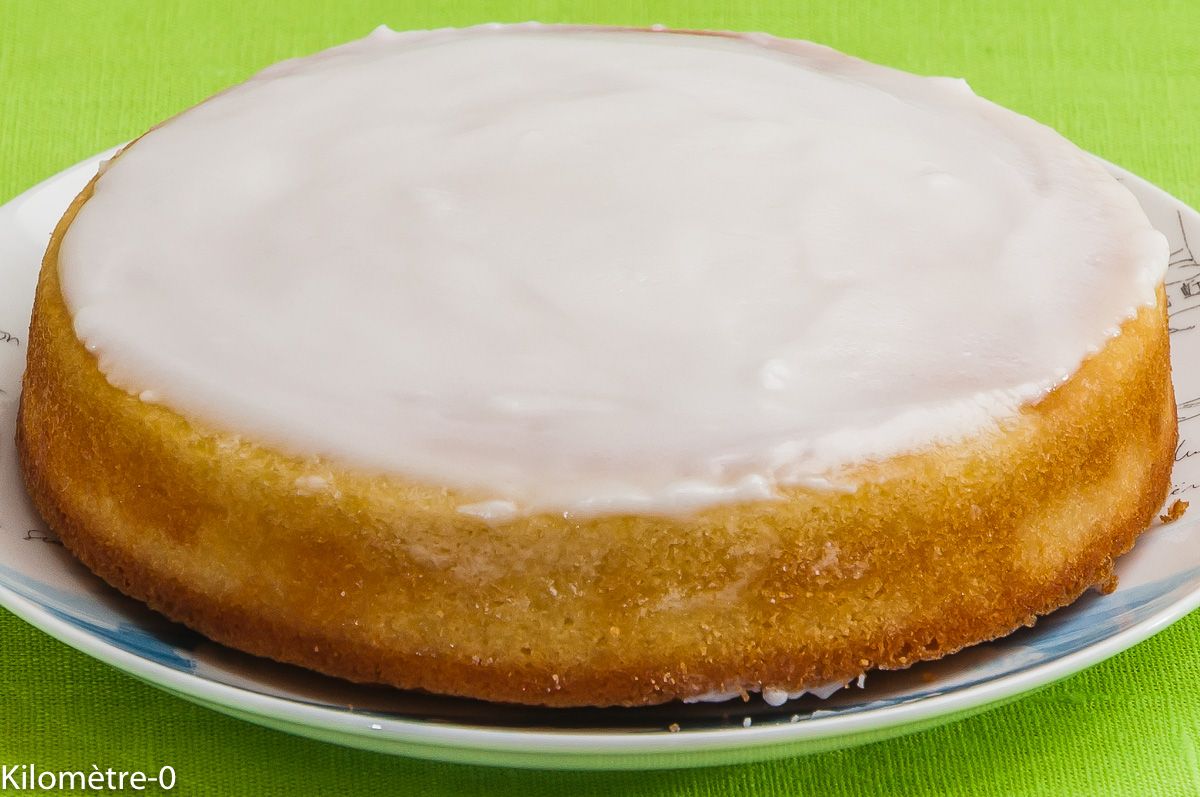
The brutal reality of Nantes' Gâteau Nantais, beyond the Instagram filters. Discover the unfiltered truth about this famous French dessert. Click for the honest review.
Nantes' Gâteau Hides: The Brutal Food Reality
The Gâteau Nantais, a seemingly innocuous almond cake, has long been celebrated as a jewel in Nantes' culinary crown. Its rich, moist texture, subtle rum notes, and flourless nature have cemented its status as a local treasure. However, beneath its sweet facade lies a more complex narrative, one that speaks to historical realities, resourcefulness, and the very definition of what constitutes "food" in times of scarcity. This exploration delves deep into the Gâteau Nantais, not just as a delightful dessert, but as a window into the often-brutal food realities that shaped its creation and enduring popularity.
Unveiling the Gâteau Nantais: More Than Just Almonds
The Gâteau Nantais is a masterpiece of culinary alchemy, a testament to the ingenuity of generations of Nantais bakers. Its most defining characteristic is its absence of flour, a departure from traditional cake-making that lends it a uniquely dense yet tender crumb. This texture is achieved through an unapologetic abundance of finely ground blanched almonds, which form the very foundation of the cake. The inclusion of rum, often a potent local varietal like Rhum Clément, is not merely for flavor; it serves a dual purpose, enhancing the aromatic profile while also acting as a natural preservative, a crucial consideration in eras where keeping baked goods fresh was a significant challenge. The Gâteau Nantais, therefore, represents a sophisticated solution to everyday problems, a sweet embodiment of resilience.
The Sacred Ingredients: A Deep Dive into Purity and Scarcity
To truly capture the essence of Nantes, gathering these essential components is paramount. The quality of each ingredient directly influences the final outcome, transforming a simple recipe into an experience.
- 250g blanched almonds, finely ground: This is the heart and soul of the Gâteau Nantais. The almonds must be blanched to remove their skins, ensuring a smooth texture and pure white color. Grinding them finely is crucial; a coarse grind will result in a gritty cake. In the past, this ingredient might have been a luxury, but its prevalence in Nantes' traditional diet speaks to the region's historical agricultural strengths and its ability to cultivate and process almonds effectively. The sheer quantity underscores a philosophy of using quality ingredients in abundance when available, and perhaps, a way to stretch more costly ingredients like butter and eggs.
- 200g unsalted butter, softened: The butter provides richness, moisture, and a tender crumb. Using unsalted butter allows for precise control over the cake's saltiness, a subtle but important factor. Historically, butter production was a significant part of French agriculture, and Nantes, being a port city, would have had access to good quality dairy. The amount of butter used reflects a commitment to decadent flavor and a textural balance to the dense almonds.
- 200g caster sugar: Caster sugar, with its fine grain, dissolves easily, contributing to a smooth batter and a delicate crust. The sweetness level is carefully calibrated to complement the nutty almond flavor and the hint of rum without being overwhelming. In times of hardship, sugar could have been a precious commodity, making its generous inclusion in this "special occasion" cake a symbol of celebration and a temporary reprieve from scarcity.
- 4 large eggs, at room temperature: Eggs act as binders, leavening agents, and contribute to the cake's richness and structure. Using four large eggs ensures a stable emulsion and a moist cake. The quantity of eggs, when combined with the butter and sugar, points towards a rich, energy-dense dessert, a welcome contrast to the often meager diets of the past.
- 100ml dark rum (preferably Rhum Clément or similar quality): This is the signature aromatic element. The rum adds depth, complexity, and a subtle warmth that is inextricably linked to the Gâteau Nantais. Beyond flavor, rum historically served as a natural preservative, extending the cake's shelf life, a practical consideration for a dessert meant to be savored over time. Its use also hints at Nantes' historical ties to maritime trade and the colonial past, where rum was a readily available import.
- 1 teaspoon almond extract (optional, for intensified flavor): While high-quality almonds and rum often suffice, a touch of almond extract can amplify the nutty essence, creating an even more pronounced almond profile. This is a modern enhancement, reflecting a desire to push the boundaries of flavor even further.
- Pinch of salt: Salt enhances all the other flavors, balancing the sweetness and bringing out the nutty notes of the almonds. Even in the simplest recipes, a pinch of salt is a testament to the understanding of flavor dynamics.
The Art of Preparation: A Dance of Techniques
Crafting the perfect Gâteau Nantais is a delicate dance of precise techniques, a process that rewards patience and attention to detail. The goal is to achieve a cake that is both incredibly moist and possesses a satisfying density.
Creaming the Butter and Sugar: The Foundation of Texture
The process begins with the meticulous creaming of the softened butter and caster sugar. This is not merely about combining ingredients; it's about incorporating air, which will contribute to the cake's lightness despite its inherent denseness. The mixture should become pale and fluffy, a visual indicator of the air being trapped within. This step is crucial for achieving a tender crumb and preventing a greasy texture. In historical contexts, this might have been done by hand, a laborious but essential task that underscored the value placed on this special treat.
Incorporating the Eggs: Building the Emulsion
Once the butter and sugar are perfectly creamed, the eggs are introduced, one at a time, ensuring each is fully incorporated before the next is added. This gradual addition helps to create a stable emulsion, preventing the batter from separating. Room temperature eggs are vital for this process, as cold eggs can cause the butter to seize. The batter will transform into a smooth, glossy mixture, a testament to the successful emulsification. The richness of the eggs contributes significantly to the Gâteau Nantais' signature moistness.
The Almond Embrace: Folding in the Star
With the wet ingredients harmoniously blended, it's time to introduce the ground almonds. The almond extract, if using, is also added at this stage. The almonds are gently folded into the batter. This is not a vigorous mixing process; the goal is to coat the almonds with the wet ingredients without overworking the mixture, which could develop the almond starches and lead to a tougher cake. The batter will become thick and rich, with the unmistakable aroma of almonds beginning to emerge. The sheer volume of almonds is what sets this cake apart, promising an intensely nutty flavor and a satisfying chew.
The Rum Infusion: Aromatic Depth and Preservation
The dark rum is then carefully folded into the batter. This is where the Gâteau Nantais truly finds its signature. The rum not only imparts its distinctive flavor and aroma but also acts as a natural preservative. Historically, this was a vital function, allowing the cake to be enjoyed over several days without spoiling. The amount of rum is significant, reflecting a balance between flavor intensity and preservation needs. The scent of the rum mingling with the almonds is an intoxicating prelude to the finished cake.
Baking to Perfection: A Delicate Balance of Heat and Time
The thick, rich batter is then poured into a prepared baking pan. Traditionally, a round cake pan, often with high sides, is used to accommodate the dense batter. The oven temperature is crucial – not too high, which could burn the outside before the inside is cooked, and not too low, which could result in a dry cake. The baking time will vary depending on the oven and the size of the pan, but the key is to bake until a skewer inserted into the center comes out clean, and the cake is golden brown. The absence of flour means that the cake will retain a considerable amount of moisture, so it's important not to overbake. The resulting cake should have a slightly crisp exterior and a wonderfully moist, almost fudgy interior.
The Gâteau Nantais' Darker Shadow: Scarcity and Resourcefulness
While the Gâteau Nantais is celebrated for its delightful flavor and texture today, its origins are deeply intertwined with periods of food scarcity. The absence of flour, a staple in most cakes, was not always a stylistic choice but a necessity. During times of war or economic hardship, flour could be rationed or simply unavailable. Bakers, driven by the need to create comforting and celebratory treats, turned to readily available and storable ingredients like almonds. This flourless approach was a stroke of culinary genius, a way to produce a rich and satisfying dessert when traditional ingredients were scarce.
The reliance on almonds also speaks to the regional agricultural landscape of Nantes and its surrounding areas, which may have been more conducive to almond cultivation or trade compared to wheat farming. The use of rum, beyond its flavor, was also a practical consideration. Its alcoholic content acted as a natural preservative, extending the shelf life of the cake. This was crucial when refrigeration was not readily available and when food spoilage was a constant concern. The Gâteau Nantais, therefore, is not just a cake; it's a historical artifact, a testament to the resilience and ingenuity of people facing difficult circumstances, finding ways to create joy and sustenance from what was available.
Beyond the Sweetness: The Gâteau Nantais as a Symbol
The Gâteau Nantais has transcended its humble beginnings to become a potent symbol of Nantes' identity and its rich culinary heritage. It represents more than just a dessert; it embodies the spirit of resourcefulness, the ability to create something extraordinary from seemingly simple or even scarce ingredients. For locals, it evokes memories of family gatherings, celebrations, and the comforting flavors of home. For visitors, it offers a delicious and authentic taste of Nantes, a tangible connection to the city's history and traditions. The enduring popularity of the Gâteau Nantais is a testament to its timeless appeal, a delicious reminder that even in the face of adversity, culinary creativity can flourish, leaving behind a legacy that is both sweet and profound.
The Enduring Legacy: A Taste of Resilience
In the modern era, the Gâteau Nantais continues to be a beloved staple in Nantes' patisseries and homes. While the challenges of flour scarcity are largely a thing of the past, the recipe's integrity remains. Bakers and home cooks alike continue to honor the traditional methods, recognizing the wisdom and innovation embedded within its flourless construction. The Gâteau Nantais serves as a constant reminder that culinary traditions are not static; they evolve, adapt, and often, hold within them the echoes of past struggles and triumphs. Its continued success is a celebration of flavor, yes, but also a quiet acknowledgment of the resilience that shaped its very existence.
Journey Highlights
- The Gâteau Nantais is Nantes' most iconic dessert. - It is traditionally made without flour, using ground almonds for texture. - Key ingredients include ground almonds, butter, sugar, eggs, and dark rum. - Preparation involves creaming butter and sugar, adding eggs, then folding in almonds and rum. - Baking time is approximately 40-50 minutes at 170°C (340°F). - A rum or water glaze is typically drizzled over the cooled cake.
Local Secrets & Insider Tips
Unveiling the Gâteau Nantais: More Than Just a Sweet Treat
As a proud Nantais, my mission is to guide you beyond the postcard-perfect facade of our city and into its true culinary heart. While the Gâteau Nantais, with its almondy, rum-infused richness, is an undeniable icon, its true story is woven into the fabric of daily life here, and experiencing it authentically requires a deeper dive than a quick pastry shop stop. This is where the delicious meets the demanding.
The Art of Timing: Mastering the Gâteau Nantais Hunt
Forget the notion of picking up a Gâteau Nantais whenever the craving strikes. For the real deal, your timing is paramount.
The Golden Hour for Gâteau: The Quartier Bouffay, particularly its winding cobblestone streets, transforms in the late afternoon and early evening. Avoid the lunch rush (12:30 PM - 2:00 PM) when many bakeries are at their busiest serving lunch patrons. Instead, aim for weekdays between 4:30 PM and 6:30 PM. This is when the last vestiges of the day's baking are still available, and locals are out for their "goûter" (afternoon snack) or preparing for an early dinner. You'll often find the freshest, most exquisite cakes during this window. The Evening Surprise: On weekdays, many smaller, independent bakeries in Bouffay (and the surrounding historic districts like Sainte-Croix) remain open until 7:00 PM or even 7:30 PM. This is your prime time for a truly authentic experience. The crowds have thinned, and the atmosphere is more relaxed, allowing for genuine interaction with the bakers. Weekend Realities: Weekends are trickier. While bakeries are open, they often sell out of their best Gâteau Nantais by early afternoon, especially on Saturdays. If you're visiting on a weekend, make a reservation with your chosen bakery the day before, or be prepared to settle for whatever remains by midday. Sundays are generally quieter, but many smaller establishments may be closed.
Seeking the Unassuming: Your Gâteau Nantais Treasure Map
The most exceptional Gâteau Nantais isn't found in the brightly lit, tourist-centric storefronts. It resides in the unassuming corners, where tradition trumps trend.
Beyond the Grand Place: While Place du Commerce and Place Royale offer lovely vistas, they are not your Gâteau Nantais destinations. Venture deeper into the labyrinthine streets of the Quartier Bouffay. Look for bakeries with hand-painted signs, displays featuring traditional molds, and an aroma that speaks of real butter and rum. The "Boulangerie de Quartier" Whisper: The true magic lies with the local boulangeries and patisseries that cater to their neighborhood. Don't hesitate to ask a local shopkeeper, a friendly resident on a park bench, or even your hotel concierge for their personal favorite "pâtisserie de quartier." They will often point you to a small, family-run establishment that prioritizes quality ingredients and time-honored techniques over superficial presentation. Hidden Entrances and Vieille Ville Charm: Keep an eye out for bakeries tucked away in courtyards off Rue des Carmes or on quieter side streets leading towards the Cathédrale Saint-Pierre-et-Saint-Paul. These often have a more intimate feel. The entrance itself might be understated, perhaps just a simple doorway leading into a fragrant haven.
Beyond the Cake: Nantes' Deeper Culinary Layers
While the Gâteau Nantais reigns supreme, a true exploration of Nantes' palate demands venturing beyond the sweet.
The Crêpe Revelation in Saint-Michel: The Saint-Michel district, particularly the streets around the university, offers an authentic crêperie experience. Seek out establishments buzzing with student energy – this is a strong indicator of good value and genuine local flavor. The Unmissable Duo: Order the "Galette Complète" (a savory buckwheat crêpe with ham, egg, and grated Emmental cheese) as your starter. It's a humble yet perfect symphony of textures and tastes. Follow this with a sweet crêpe generously drizzled with "caramel au beurre salé" (salted butter caramel). This is the quintessential Breton dessert. Local Drink Pairing: Complement your crêpes with a "cidre brut" (dry cider) or a "Jus de Pomme Artisanal" (artisanal apple juice) from the Pays de la Loire region. The Muscadet Savor: Nantes is the gateway to the Muscadet wine region. A glass of crisp, dry Muscadet Sèvre et Maine Sur Lie is the perfect accompaniment to any seafood dish or even a simple picnic. Look for wines with "Sur Lie" on the label, indicating they have been aged on their lees, giving them a richer texture and more complex flavor. Local Seafood Delights: Being close to the Atlantic coast, Nantes offers exceptional seafood. Don't miss the opportunity to try "Préfou," a garlic butter flatbread often served as an appetizer, or fresh oysters from the nearby Vendée coast.
Navigating the Logistics: Pro-Tips for the Discerning Traveler
The Supermarket Trap: This cannot be stressed enough: avoid Gâteau Nantais from supermarkets at all costs. The flavor is diluted, the texture is often dry, and it bears little resemblance to the artisanal creations you're seeking. Restaurant vs. Bakery: Understand that many restaurants will feature Gâteau Nantais as a dessert special or a menu item, but this is often a larger, pre-portioned cake. For the freshest, most individually crafted experience, prioritize dedicated bakeries. "Fait Maison" - A Mark of Quality: Always look for "Fait Maison" (homemade) on bakery signs. This is a strong indicator that the pastries are made on-site with fresh ingredients. Pre-Order for Certainty: If you have a specific bakery in mind, especially for a larger cake for a celebration, call ahead and place a reservation. This guarantees you won't be disappointed, particularly during peak times or if you have specific dietary needs. The "Boulangerie-Pâtisserie" Distinction: While many establishments offer both bread and pastries, a "Pâtisserie" will generally focus on more elaborate cakes and desserts. This is where your Gâteau Nantais hunt should primarily take you. Cash is Still King (Sometimes): While card payments are widespread, some smaller, older bakeries, especially in more traditional neighborhoods, might appreciate or even prefer cash. It’s always wise to have a small amount on hand.
Safety and Etiquette: Embracing Nantes with Respect
Respect the Pâtissier's Craft: When interacting with bakers, show genuine interest in their creations. Ask about their ingredients or their process. A polite inquiry is always appreciated. Mindful Queuing: In busy bakeries, form a polite queue. While there might not be a formal line, observe where others are standing. Patience is a virtue. Language Bridges: While many in Nantes speak English, attempting a few French phrases like "Bonjour" (Hello), "Merci" (Thank you), and "S'il vous plaît" (Please) will be met with warmth and appreciation. Navigating Crowds with Awareness: Like any popular European city, be mindful of your belongings in crowded areas, especially around major tourist attractions and busy market streets. Keep your bags zipped and your valuables secure. Embrace the Pace: Nantes is a city that encourages you to slow down and savor. Don't rush your culinary experiences. Take the time to enjoy the atmosphere, the flavors, and the company.
By heeding these insider tips, you'll move beyond the superficial and truly taste the soul of Nantes, one perfectly crafted Gâteau Nantais and delicious local specialty at a time. Bon appétit!
Common Questions
Frequently Asked Questions: Unpacking the Gâteau Nantais and its Culinary Context
Q: Can Gâteau Nantais be made without rum, and if so, what are the best alternatives? A: Traditionally, Gâteau Nantais features rum, which is integral to its characteristic flavor profile. However, for those seeking an alcohol-free version, viable substitutes exist. Almond milk or orange juice are excellent options. Almond milk will contribute a subtle nuttiness that complements the almonds, while orange juice can provide a bright, citrusy note. It's important to note that while these substitutions will yield a delicious cake, the authentic taste and aroma derived from rum will be altered. The intensity of the rum can also be adjusted; for a milder flavor, reduce the amount of rum.
Q: What type of almonds are recommended for Gâteau Nantais, and how should they be prepared? A: For the optimal texture and appearance of Gâteau Nantais, blanched almonds are highly recommended. "Blanched" means the skins have been removed, resulting in a smoother crumb and a lighter, more appealing color in the finished cake. The almonds must be ground finely, ideally to the consistency of almond flour. It is crucial to avoid over-grinding, which can release too much oil and result in an oily or gummy texture. The goal is a dry, powdery consistency that will readily incorporate into the batter.
Q: What is the best method for storing Gâteau Nantais to maintain its quality and freshness? A: To preserve the texture and flavor of Gâteau Nantais, airtight storage is key. At room temperature, it can be kept in an airtight container for up to 3 days. While refrigeration is possible, it can sometimes lead to a slightly firmer texture. If refrigerated, it is advisable to allow the cake to come to room temperature for at least 30 minutes before serving to best appreciate its intended moistness and crumb.
Q: My Gâteau Nantais turned out denser and heavier than expected. What might have caused this, and is this texture desirable? A: The Gâteau Nantais is characteristically known for its dense and moist crumb, which is a result of its rich almond and butter content. This is not an indicator of a baking error but rather its intended culinary profile. However, if you find the cake excessively heavy or gummy, several factors could be at play. Ensure that the butter was properly softened (not melted) before creaming with sugar, as this is crucial for incorporating air. Additionally, avoid overmixing the batter once the ground almonds have been added. Overworking the batter at this stage can develop the gluten in any flour present (even finely ground almonds contain some) and can lead to a tougher, more compacted texture. Precise ingredient measurements are also vital for achieving the desired dense yet tender outcome.