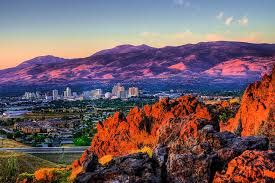
Personal story: My regret leaving Reno for a desert journey. Was it worth it? Find out the brutal truth about this desolate landscape.
The Allure of the Arid: Why the Desert Beckoned Me Away from Reno's Glitz
Reno, Nevada – it’s a name that conjures images of flashing lights, the clinking of coins, and a certain brand of exhilarating, if fleeting, excitement. For a while, it was my home, a comfortable, if slightly predictable, launching pad for life. But beneath the surface of the "Biggest Little City," a different siren song was calling, a whispered promise of vastness, silence, and a raw beauty that Reno, with all its manufactured charm, could never replicate. This is the story of why I traded the familiar comfort of Reno for the embrace of the desert, a journey that began with an audacious plan for a 7-day immersion, and ended with a profound, and at times, deeply regretted, awakening.
Day 1: From Urban Oasis to Desert Threshold - The Reno Departure
Arrive in Reno, pick up your rental vehicle (a 4x4 is recommended for certain areas, though not strictly necessary for the main routes outlined here). Settle into your accommodation. For the first day, focus on preparing for the desert's demands. This means more than just packing a few extra water bottles. We're talking about stocking up on essentials at local supermarkets – think non-perishable food items, high-energy snacks, and crucially, extra water. A cooler is your best friend. Visit outdoor recreation stores in Reno to ensure you have adequate sun protection: wide-brimmed hats, UV-protective clothing, and plenty of high SPF sunscreen. Don't forget insect repellent, even in the desert, and a basic first-aid kit.
As the afternoon wanes, take a final stroll through Reno, perhaps revisiting a favorite park or cafe, a gentle farewell to the life you're temporarily leaving behind. Consider a hearty meal at a local steakhouse, a stark contrast to the Spartan sustenance you'll soon be relying on. As the sun begins to set, conduct a final vehicle check: tire pressure, fluid levels, and ensure your spare tire is in good condition. The transition from the structured environment of Reno to the untamed desert is a deliberate shedding of the familiar, and Day 1 is about ensuring you are as prepared as possible for that monumental shift.
Day 2: Gateway to the Great Basin - Lahontan's Echoes and Black Rock's Majesty
Our true desert pilgrimage begins today as we head west from Reno, aiming for the vast expanse of the Great Basin. Our first significant stop will be the Carson Sink and the remnants of ancient Lake Lahontan. While much of the lakebed is now dry salt flats, the geological formations offer a humbling glimpse into a prehistoric past. Imagine a vast inland sea that once covered much of Nevada. Explore the Bonneville Salt Flats – a smaller, but equally spectacular, salt desert that shares a similar geological history. While not directly on the route to Black Rock, it offers a visual preview of the stark beauty to come.
From there, we venture towards the legendary Black Rock Desert, a place synonymous with Burning Man, but possessing an inherent, almost spiritual, mystique far beyond any festival. This is a land of immense, flat playa that stretches to the horizon, a stark canvas under an enormous sky. We'll drive onto the playa itself (weather permitting and with caution – the playa can be treacherous when wet), feeling the immense scale of this otherworldly landscape. Spend the afternoon exploring the volcanic formations of the Black Rock Range, seeking out hot springs if you're feeling adventurous and well-prepared. The silence here is profound, broken only by the whisper of the wind. It’s a silence that can be both liberating and unnerving.
Day 3: The Ghostly Whispers of Goldfield and the Surreal Beauty of the Black Rock Desert
Today, we delve deeper into the heart of Nevada's mining history, a stark reminder of human ambition and its eventual fading. Our destination is Goldfield, once a booming mining town, now a captivating ghost town that stands as a testament to boom and bust. Wander through the decaying buildings, imagining the lives once lived here – the hopes, the struggles, and the inevitable disappointments. The historic Goldfield Hotel, though often rumored to be haunted, stands as a grand, albeit dilapidated, monument to a bygone era.
After soaking in the melancholic history of Goldfield, we continue our journey back towards the Black Rock Desert, this time focusing on a more thorough exploration. We'll seek out the unique geological features that make this area so captivating. Consider a visit to Fly Geyser (accessible through tours), a vibrant, otherworldly geothermal geyser that is a true natural marvel. Another fascinating stop is the Spiral Geyser, a less flamboyant but equally intriguing geothermal feature. As the sun begins to dip, the sky above the Black Rock Desert transforms into a painter's palette of fiery oranges, deep purples, and soft pinks. This is a prime opportunity for astrophotography, as the lack of light pollution makes for an unparalleled view of the Milky Way.
Day 4: Ancient Echoes and the Majesty of Pyramid Lake
Leaving the starkness of the Black Rock Desert behind, we journey south-west towards the vibrant, almost shocking, blue of Pyramid Lake. This is a sacred place for the Paiute people, and its beauty is undeniable. The striking tufa formations, sculpted by ancient lakebeds, rise dramatically from the water, creating a surreal and haunting landscape. Spend your morning exploring the shores, photographing the unique geological formations, and perhaps even taking a dip in the surprisingly cool waters.
The cultural significance of Pyramid Lake is as profound as its visual splendor. Learn about the history and traditions of the Paiute people, and approach this sacred site with respect and reverence. Consider visiting the Pyramid Lake Paiute Tribe Museum and Cultural Center to gain a deeper understanding of the region's heritage. As the afternoon progresses, we'll drive along the scenic byways that skirt the lake, stopping at various viewpoints to capture the ever-changing light on the water and the surrounding mountains. The vastness of the lake and the dramatic landscape offer a stark contrast to the arid deserts we've been traversing, a reminder of the diverse beauty of this region.
Day 5: Into the Obsidian Depths - The Little Humboldt River and Sheldon National Wildlife Refuge
Today, we venture off the beaten path, heading north towards the rugged beauty of the Little Humboldt River and the vast, untamed wilderness of the Sheldon National Wildlife Refuge. This is a place where nature reigns supreme, and human presence is minimal. Our focus will be on exploring the riparian areas along the Little Humboldt River, a surprising oasis of life in the arid landscape. Keep an eye out for diverse birdlife and other wildlife that are drawn to the water.
The Sheldon National Wildlife Refuge is a true sanctuary for a variety of species, including pronghorn antelope, mule deer, and a remarkable array of birds. Spend your afternoon driving through the refuge, stopping at designated pull-offs to observe the wildlife in its natural habitat. The landscape here is a mosaic of sagebrush steppe, volcanic rock formations, and vast open spaces, a stark and beautiful environment that feels truly wild. This is a day for patient observation and deep immersion in the natural world, a far cry from the structured experiences of city life.
Day 6: The Loneliest Road and the Shadow of History - To Ely and Beyond
Our journey continues eastward, embracing the legendary "Loneliest Road in America" – US Route 50. This iconic stretch of highway offers a profound sense of solitude and introspection. The landscape is vast, with sweeping vistas of mountains, valleys, and endless skies. Our destination for the day is Ely, a historic mining town with a rich past and a gateway to further exploration.
Upon arrival in Ely, we'll delve into its history. Visit the Nevada Northern Railway Museum, a remarkably preserved historic railroad that offers a fascinating glimpse into the era of steam and silver. Consider a ride on the historic train for a truly immersive experience. Explore the town's historic downtown, and learn about the lives of the people who shaped this resilient community. The stark beauty of the surrounding Great Basin desert continues to be a powerful presence, a constant reminder of the raw, untamed nature of this land.
Day 7: Departure and Lingering Regrets - The Desert's Hold
As our 7-day adventure draws to a close, the drive back towards Reno will be tinged with a complex mix of emotions. The desert, in its profound silence and stark beauty, has a way of etching itself onto your soul. You've traded the neon glow for the incandescent stars, the city's clamor for the wind's whisper. You've witnessed landscapes that are both ancient and alive, places where human endeavors feel fleeting and insignificant against the backdrop of geological time.
The regret, however, is not for the journey itself, but for the realization that a part of you will forever remain in these vast, arid expanses. The desert doesn't just offer an escape; it demands a reckoning. It strips away the superficial and forces a confrontation with the essential. You’ll carry the silence, the starlit nights, and the sheer, unadulterated power of the natural world with you. And as you re-enter the familiar hum of civilization, you'll find yourself yearning for the unapologetic wildness you've left behind. The desert, once a destination, has become a longing.
Journey Highlights
- Day 1: Arrival in Reno, Truckee River Walk - Day 2: Sand Dunes Adventure (hiking, sandboarding) - Day 3: Slot Canyon Exploration - Day 4: Ancient Petroglyph Site Visit - Day 5: High Desert Wildlife and Plant Spotting - Day 6: Dark Sky Stargazing - Day 7: Return to Reno
Local Secrets & Insider Tips
Alright, listen up. You want the real desert experience, not just a tourist drive-by. I grew up here, and I've seen folks get lost, get miserable, or just plain miss the magic because they didn't know the tricks. Here's the insider scoop:
Beat the Crowds & Catch the Light:
Sand Dunes: Forget midday. The sun is brutal and everyone else has the same idea. Aim to arrive at the main dune access point no earlier than 2 hours before sunset. You get incredible light for photos, cooler temperatures for exploring, and the bulk of the day-trippers will be gone. If you're serious about sunrise, you need to be there and set up before dawn, like 45 minutes before the sun even hints at appearing. The silence then is profound. Slot Canyons: These are often accessed via trailheads that can get packed. For the best light inside and fewer people, target a weekday morning. Aim to hit the trailhead by 7:00 AM. If you can only do weekends, late afternoon, about 1.5 hours before sunset, can sometimes offer a reprieve as families start heading back.
Hidden Entrances & Secret Spots:
Look for unofficial pull-offs or smaller, unmarked trails near major attractions. Sometimes a short, careful hike away from the main path reveals a more pristine view or a less-trafficked section of dunes. Always check park regulations and be aware of your surroundings before venturing off established paths. For stargazing, don't just pull over anywhere. Find a designated turnout or a spot clearly off the main road with a wide, unobstructed view of the sky. Higher elevations can offer clearer views, but factor in temperature drops.
Local Bites & Where to Find Them:
Forget the chain restaurants near the main tourist drags. If you find a small town diner on the way, ask the locals what they're having. In this region, a classic: "Green Chili Cheeseburger" is often a revelation. It's a Nevada/New Mexican staple, and local joints do it best. Don't be afraid of the spice – ask for it mild if you must. Look for places advertising "Homemade Pie." Desert towns often have some surprisingly good, old-fashioned pie makers.
Logistical Nightmares to Avoid:
Water is LIFE: I cannot stress this enough. Carry WAY more water than you think you'll need. Gas stations in remote areas are few and far between, and they might be out of bottled water. Fill up every container you have. Gasoline: Plan your fuel stops. Don't let your tank dip below half a tank when you're heading into a remote area. Gas stations can be 50-100 miles apart. Cell Service: It's spotty to non-existent in most of the desert. Download offline maps (Google Maps, AllTrails, etc.) for the entire region you'll be visiting. Tell someone exactly where you are going and when you expect to be back. A satellite messenger (like a Garmin inReach or Zoleo) is a wise investment for serious desert travel. Sun Protection: This isn't just a hat and sunglasses. Think wide-brimmed hats, UPF clothing, sunscreen applied liberally and often, and sunglasses that block UV rays. The desert sun is unforgiving, even on cloudy days. Wildlife Encounters: Rattlesnakes are a real thing. Watch where you step and where you put your hands. If you see one, give it a very wide berth. Do NOT approach it.
Common Questions
Frequently Asked Questions: Navigating Life in the Desert and the Reno Chapter
This section addresses common inquiries regarding the decision to leave Reno for the desert, the realities of desert living, and the subsequent reflections.
**Q1: What are the essential vehicle requirements for desert travel and living?**
A1: While a standard sedan or SUV might suffice for accessing main roads and some developed areas, a 4x4 (four-wheel drive) vehicle is highly recommended, and in many cases, practically essential for a truly comprehensive desert experience, especially when venturing beyond well-trodden paths. Many of the most stunning and remote locations, including trailheads for more adventurous hikes or access to less-trafficked geological formations, require vehicles with higher ground clearance and robust four-wheel-drive capabilities. Furthermore, desert terrain can be unpredictable; unpaved roads can become impassable due to sand, gravel, or even flash floods. Always consult current road conditions, especially after inclement weather. A 4x4 significantly enhances your freedom, safety, and ability to explore the full spectrum of what the desert has to offer, mitigating the risk of getting stranded.
**Q2: When is the optimal time of year to experience this specific desert region?**
A2: The shoulder seasons – spring (typically April to May) and fall (September to October) – offer the most agreeable conditions for extended desert exploration and living. During these periods, daytime temperatures are generally pleasant, making hiking, photography, and outdoor activities enjoyable without the extreme heat. Summer months (June to August) are characterized by scorching temperatures, frequently exceeding 100°F (38°C), which can be dangerous and limit outdoor activity to the early morning or late evening. Winter (November to March) can be surprisingly cold, particularly at higher elevations, with the potential for frost, ice, and even snow, which can impact accessibility and require different gear. Carefully consider the trade-offs of each season based on your planned activities and tolerance for temperature extremes.
**Q3: What level of infrastructure and amenities can be expected in desert locations?**
A3: Infrastructure and amenities in most desert regions are extremely limited and often non-existent. Unlike more populated areas, you cannot rely on readily available public restrooms, potable water stations, or convenience stores. Self-sufficiency is paramount. You must pack an ample supply of water – a minimum of one gallon per person per day is a crucial guideline, and this should be adjusted based on activity level and temperature. Thoroughly research your planned destinations to understand what, if any, facilities are available. For sanitation, it is imperative to carry a portable restroom kit (e.g., a wag bag system) or be thoroughly versed in and strictly adhere to Leave No Trace principles for human waste disposal, which involves packing out all waste. Do not assume any services will be present; plan as if you are completely isolated.
**Q4: What are the safety considerations for solo travel in the desert?**
A4: While the desert’s stark beauty can be alluring, traveling alone requires an exceptionally high level of preparedness and awareness of inherent risks. The desert environment is unforgiving, and the utmost priority is to inform a reliable contact person of your detailed travel plans, including your exact route, anticipated checkpoints, and your expected return time. Ensure this contact knows who to alert if you fail to check in. Beyond this, carrying a reliable, robust communication device is non-negotiable. In areas with no cellular service, a satellite phone or a Personal Locator Beacon (PLB) is strongly advised for emergency situations. You must be prepared for self-sufficiency, including navigation, first aid, and potential vehicle issues. While solo exploration can be rewarding, traveling with at least one companion significantly enhances safety and provides a crucial support system in the event of an emergency.
**Q5: What wildlife might be encountered in the desert, and what are the best practices for interaction?**
A5: The desert ecosystem, though seemingly barren, teems with life. You can anticipate encountering a variety of reptiles (including venomous snakes), birds of prey, small mammals (such as rodents, rabbits, and coyotes), and potentially larger wildlife like desert bighorn sheep or mule deer, especially in more remote or mountainous areas. Maintaining a safe and respectful distance from all wildlife is paramount. Never attempt to feed any animals; doing so disrupts their natural behaviors, can cause them harm, and poses a risk to your own safety. When camping or picnicking, secure all food items, trash, and scented items meticulously within your vehicle or in bear-resistant containers if applicable. This prevents attracting opportunistic animals to your campsite or vehicle, which can lead to damage and dangerous encounters. Always observe wildlife from a distance and allow them to behave naturally.