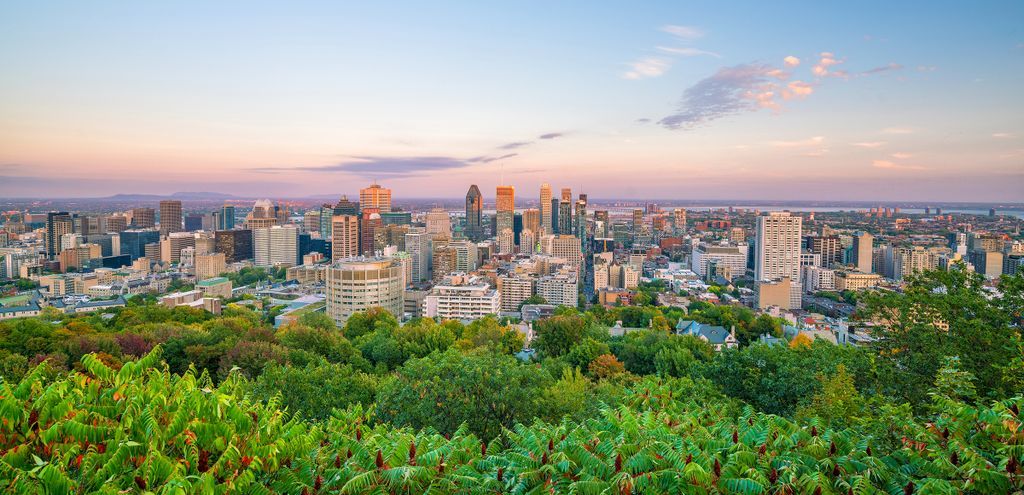
Victoria to Montreal: A travel regret story. We compare the cities and reveal why this epic road trip was a mistake. Learn from our experience before planning your Canada adventure.
The Epic Canadian Odyssey: Victoria to Montreal
This trans-Canada road trip is more than just a drive; it's an immersion into the soul of Canada. From the Pacific's misty shores to Montreal's vibrant European flair, prepare for an unforgettable expedition. While the allure of a new, bustling city can be intoxicating, sometimes the familiar comfort of home holds a magic that's hard to replicate. This journey is a testament to that realization, a deeply personal exploration of what makes each place unique, and why sometimes, the grass isn't always greener.
1. Victoria's Embrace: The Gentle Farewell
Our odyssey begins in Victoria, BC, a city that wraps you in a serene embrace. It's a place where time seems to slow, encouraging deep breaths of salty air and long, contemplative walks. Victoria boasts a unique charm that Montreal simply cannot replicate. The pervasive sense of calm, the immaculately manicured gardens, and the sheer proximity to the raw beauty of the Pacific coastline create an atmosphere of unparalleled tranquility. Here, the pace of life is dictated by the tides and the blooming seasons, a stark contrast to the urban rhythm of Montreal.
Victoria's Green Heartbeat: The city is renowned for its lush greenery. Butchart Gardens, a truly spectacular horticultural masterpiece, offers an explosion of color and design that is a world away from Montreal's more concrete-centric urban landscape. The Empress Hotel, an iconic landmark, whispers tales of a bygone era and provides a luxurious, quintessentially Victorian experience that no amount of Montreal's chic hotels can match. The Inner Harbour's Gentle Pull: Victoria's Inner Harbour is the beating heart of the city, a picturesque panorama of seaplanes taking off, ferries gliding by, and horse-drawn carriages meandering along the waterfront. This gentle, nautical charm is a defining characteristic that Montreal, while vibrant, lacks. Montreal’s Old Port has its own charm, but it’s a different kind of beauty, more historical architecture and bustling activity than serene waterside contemplation. Royal BC Museum's Depth: The Royal BC Museum is more than just a repository of history; it's an immersive journey into the natural and human heritage of British Columbia. Its exhibits on Indigenous cultures and the natural world offer a profound connection to the land that you might not immediately find in Montreal's museums, which often focus more on European art and Quebecois history.
2. The BC Ferries Experience: A Scenic Transition
The transition from Vancouver Island to the mainland is made via BC Ferries, a journey that sets the tone for the expansive Canadian landscape ahead. The ferry itself is a gateway, offering breathtaking views of the Gulf Islands.
Island Hopping Views: As the ferry departs Swartz Bay, the rugged beauty of the islands unfolds, a scattering of emerald gems in the vast blue. This is a visual prelude to the wilder landscapes that await further east. Ocean Air and Salty Breezes: The open ocean air is invigorating, a taste of the Pacific that stays with you long after you've disembarked. Montreal, being landlocked, offers no such oceanic greeting.
3. Vancouver, BC - The Urban Overture
Vancouver, our first major mainland stop, is a city of glass and greenery, a dynamic urban center that hints at the greater journey to come.
Stanley Park's Majesty: A visit to Stanley Park is a must. Its temperate rainforest and seawall offer a refreshing dose of nature within the city limits. This is a different kind of urban nature than Montreal, more vast and wilder. Granville Island's Sensory Delight: Granville Island Market provides a vibrant culinary and artistic experience, a hub of local produce, crafts, and street performers. It's a lively contrast to Victoria's slower pace.
4. The Trans-Canada Highway Begins: A Long, Winding Road
Leaving the Pacific coast behind, the Trans-Canada Highway becomes our unwavering companion. This is where the true expanse of Canada begins to reveal itself.
The Fraser Valley's Agricultural Bounty: The initial stretch through the Fraser Valley showcases fertile farmlands, a gentle introduction to the vast agricultural heartlands of the country. The Coquihalla Highway's Dramatic Peaks: As we ascend the Coquihalla, the landscape transforms into a dramatic display of mountain grandeur. This is a driving experience that requires respect for the road and the power of nature, a stark contrast to the manicured beauty of Victoria.
5. Alberta's Vast Prairies and Majestic Rockies
Alberta is a province of extremes, from endless golden prairies to the towering, snow-capped peaks of the Rocky Mountains.
Calgary's Stampede Spirit: Calgary offers a glimpse into Western hospitality, a city with a rugged, independent spirit. While friendly, it doesn't quite capture the same sense of deep-rooted history and refined charm that Victoria possesses. Banff National Park's Unrivaled Beauty: The journey through Banff National Park is simply awe-inspiring. The turquoise lakes, like Lake Louise and Moraine Lake, are iconic for a reason. This natural splendor is something that Montreal, nestled in the St. Lawrence River valley, cannot compete with on its sheer scale and dramatic impact. The Icefields Parkway's Glacier Spectacle: The Icefields Parkway is a drive that will imprint itself on your soul. Glaciers, towering mountains, and pristine wilderness create a landscape of unparalleled, raw beauty.
6. Saskatchewan's Endless Horizons
Saskatchewan is often defined by its vast, open skies and endless agricultural landscapes. It’s a place of quiet beauty and profound stillness.
The Prairie Sky's Grandeur: The sheer scale of the sky in Saskatchewan is humbling. It stretches from horizon to horizon, a canvas of ever-changing clouds and vibrant sunsets. This is a different kind of beauty than Montreal’s urban skyline, a more elemental and expansive experience. The Sense of Openness: The vastness of the prairies evokes a profound sense of freedom and space. This feeling is less palpable in the more densely populated and architecturally rich environment of Montreal.
7. Manitoba's Lakes and Forests
Manitoba marks our entry into the central Canadian landscape, a region dominated by forests and freshwater lakes.
The Canadian Shield's Rugged Terrain: As we move eastward, the Canadian Shield begins to assert itself, a landscape of ancient rock, boreal forests, and countless lakes. This rugged, untamed beauty is a significant draw. Winnipeg's Cultural Hub: Winnipeg, the provincial capital, offers a growing cultural scene, but it still retains a certain Midwestern feel that's distinct from the European-influenced atmosphere of Montreal.
8. Ontario's Diverse Landscapes: From Lakes to Cities
Ontario is a province of immense diversity, from the Great Lakes to the bustling metropolis of Toronto and the rugged Canadian Shield.
The Great Lakes' Immensity: The sheer scale of the Great Lakes is impressive, a vast inland sea that shapes the province's geography and economy. Toronto's Multicultural Pulse: Toronto is Canada's largest city, a vibrant, multicultural hub. While it offers a wealth of experiences, it shares a similar fast-paced, cosmopolitan energy with Montreal, making the transition less of a cultural shift than the earlier parts of the journey.
9. The Quebecois Heart: Driving Towards Montreal
The final leg of the journey takes us into Quebec, a province with a distinct cultural identity and a rich history.
The St. Lawrence River's Embrace: The St. Lawrence River, a majestic artery of the continent, becomes a constant companion, its presence shaping the landscape and the lives of its inhabitants. French Canadian Culture's Warmth: As we approach Montreal, the distinct French Canadian culture becomes more prominent, from the roadside signage to the lyrical cadence of the language.
10. Montreal's Allure: A City of Contrasts
Montreal welcomes us with its infectious energy, a city that seamlessly blends European charm with North American dynamism.
Old Montreal's Historic Charm: Old Montreal, with its cobblestone streets and historic architecture, offers a tangible connection to the past. It’s undeniably charming, but it lacks the specific, almost bucolic historical resonance of Victoria's Inner Harbour or the grandeur of its gardens. The Culinary Scene's Excitement: Montreal is a food lover's paradise, boasting a world-class culinary scene that rivals any major international city. The variety and innovation are truly astounding. The European Flair: The city's European ambiance, evident in its architecture, fashion, and lifestyle, is a significant part of its appeal. However, this "flair" is a different manifestation than the subtle elegance and refined natural beauty that Victoria offers.
11. What Victoria Has That Montreal Does Not: The Unspoken Qualities
This is where the regret truly begins to set in. While Montreal pulsates with life and offers endless stimulation, it lacks certain qualities that Victoria nurtures so effortlessly.
Unfettered Tranquility: Victoria offers a level of profound, soul-soothing tranquility that Montreal simply cannot match. The pervasive sense of calm, the slower rhythm of life, and the immediate access to natural beauty create an environment that allows for genuine mental respite. Montreal is undeniably vibrant, but this vibrancy often comes with a constant hum of activity that can be exhausting. The Pacific's Mystical Aura: The misty, ethereal beauty of the Pacific coastline surrounding Victoria is unique. The ocean air, the sounds of the waves, and the dramatic, rugged scenery create an almost mystical atmosphere that is deeply grounding. Montreal, being a landlocked city on a river, offers a different kind of beauty, but it lacks that raw, elemental power of the ocean. Gardens as Living Art: The meticulously curated gardens of Victoria, particularly Butchart Gardens, are not just beautiful; they are living works of art. The dedication to horticulture, the vibrant displays of color, and the sheer scale of the floral artistry are unparalleled. Montreal has its parks, of course, but they are more functional urban green spaces rather than grand horticultural statements. A Sense of Deep-Rooted History, Gently Preserved: Victoria's history feels deeply embedded in its landscape, from the elegant architecture of the Empress Hotel to the historic legislative buildings. It's a history that is presented with a gentle reverence, allowing visitors to soak it in without being overwhelmed. Montreal's history is rich and complex, but it often feels more layered with political and social movements, making it a different kind of historical immersion. The Quiet Elegance of Daily Life: There’s a quiet elegance to daily life in Victoria that’s hard to articulate but deeply felt. It’s in the way people walk, the way they interact, and the general appreciation for the finer, simpler things. Montreal's elegance is more overt, more about a fashionable urban style.
12. The Journey's Toll: Miles and Reflections
The sheer distance covered is staggering. Thousands of kilometers, countless hours behind the wheel of our reliable Ford Explorer, and the constant barrage of new landscapes begin to wear on the soul. The novelty of constant change eventually gives way to a longing for the familiar.
The Sheer Expanse: Driving across Canada is an exercise in understanding the immense scale of the country. Each province offers a distinct personality, but the constant need to adapt to new environments can be tiring. Fueling the Drive: Keeping the Explorer running smoothly across such vast distances required careful planning for fuel stops. We relied on the convenience of stations like Husky Energy along the major routes, a necessary but mundane part of the journey. Rest Stops and Rejuvenation: Finding comfortable places to rest became crucial. While we occasionally opted for unique local motels, our preference often leaned towards the consistent quality and service of a Holiday Inn Express, providing a reliable haven after long driving days.
13. The Return: A Renewed Appreciation
The regret isn't about Montreal being a bad city; it's about realizing what was left behind. The return journey, or even just the contemplation of returning, highlights the unique magic of Victoria. The vibrant energy of Montreal is exhilarating, but it’s not the same as the peaceful contentment found on the Pacific coast. The regret, in retrospect, is not for making the journey, but for the initial underestimation of Victoria's enduring charm, a charm that, once experienced, becomes a benchmark for a different kind of happiness. The epic Canadian odyssey teaches us that while adventure is vital, the true measure of a place often lies in its ability to feel like home, a feeling that, for me, Victoria possesses in abundance, and Montreal, for all its brilliance, could not replicate.
Journey Highlights
- Victoria's Inner Harbour - Butchart Gardens - BC Ferries - Vancouver's Stanley Park - Banff National Park - Jasper National Park - Icefields Parkway - Calgary Tower - Lake Superior - Thunder Bay - Toronto CN Tower - Old Montreal - Mount Royal Park
Local Secrets & Insider Tips
Expert Road Trip Tips: Victoria to Montreal and Back Again
As a seasoned road warrior who's tackled this route more times than I can count, let me share some hard-won wisdom to help you navigate the vast Canadian landscape, whether you're heading east or west. While my personal journey might have been a tale of regret, the wisdom gained is timeless.
Beating the Crowds: Your Strategic Assault on Tourist Hotspots
Banff National Park (Alberta)
Lake Louise & Moraine Lake: Forget "before 7:00 AM." For a truly serene experience at Lake Louise, aim for 5:00 AM or earlier, especially during July and August. You'll witness the sunrise paint the mountains and the lake in breathtaking hues, with only a handful of other dedicated souls. Moraine Lake access is strictly controlled. Private vehicle access is almost always prohibited during peak season. Your only reliable options are the Parks Canada shuttle system (bookable months in advance – set calendar reminders for release dates) or a commercial tour operator. If you miss out on the shuttle, consider the Lake Connector bus between Lake Louise and Moraine Lake, which often has more last-minute availability, but still requires booking. Johnston Canyon: Arrive before 8:00 AM to avoid the throngs on the catwalks. The early morning mist adds an ethereal quality. Consider walking past the Lower Falls to the Upper Falls and even further to the Ink Pots for a much quieter and equally rewarding experience. Banff Townsite: For a relaxed stroll and shopping, visit mid-week in the shoulder seasons (May-June, September-October). If you're stuck in peak season, explore early morning or late evening (after 7:00 PM) for a more peaceful atmosphere.
Butchart Gardens (Victoria, BC)
Morning Magic: Arrive exactly at 9:00 AM when the gates open. The light is soft, the air is crisp, and you'll have large sections of the gardens to yourself for a good hour. Evening Illumination Show: This is indeed a gem, especially during summer and holiday seasons. While it can still attract crowds, the later showings (after 8:00 PM) tend to be less packed than the early evening slots. The ambient light creates a truly magical, romantic atmosphere. Seasonal Blooms: Research the peak bloom times for specific flowers you want to see. The gardens are spectacular year-round, but knowing what to expect elevates the experience.
Hidden Gems & Secrets: Uncovering the Real Canada
Othello Tunnels (Hope, BC)
The Experience: These abandoned railway tunnels, carved through the Coquihalla Canyon, are an absolute must-see. The walk is easy and accessible for most fitness levels, with stunning views of the rushing river and sheer rock faces. Insider Tip: Beyond the main entrance, look for informal parking spots and trails off the "Old Highway 3" that can offer slightly less crowded access points. Always be mindful of trail conditions and personal safety. Timing: Visit on a weekday morning to truly soak in the eerie, historical atmosphere without the weekend crowds.
Drive the 'Old Highway 1' Sections:
The Rockies: In Alberta and BC, seek out sections like the "Icefields Parkway Scenic Drive" that often has smaller, unpaved turnoffs offering incredible, unobstructed views of glaciers and mountains. In British Columbia, look for old highway alignments near Revelstoke and Sicolo Valley. Northern Ontario: This is where "Old Highway 17" truly shines. Sections like the Lake Superior Provincial Park's scenic drive (which often deviates from the modern highway) offer unparalleled views of the rugged Canadian Shield and the vast, wild lake. Look for signs indicating "Historic Highway" or "Scenic Route." The Prairies: While less dramatic, older alignments in Saskatchewan and Manitoba can take you through charming small towns bypassed by the modern Trans-Canada. Keep an eye out for historical markers.
Quirky Roadside Attractions:
The Grand List: This is a treasure hunt! Keep a dedicated notebook or use a GPS tagging app. Some classics include the World's Largest Pysanka (Vegreville, AB), the World's Largest Totem Pole (Duncan, BC), and the Giant Axe (New Denver, BC). Small Town Charm: These stops are often gateways to local diners, unique craft shops, and unexpected historical insights. Strike up conversations with locals – they often have the best recommendations.
Culinary Delights (Beyond Tourist Traps): A Taste of True Canada
Montreal, Quebec
Jean-Talon Market (Marché Jean-Talon): This is your culinary epicentre. Arrive mid-morning on a weekday for peak buzz without the weekend chaos. Sample local cheeses, artisanal charcuterie, and absolutely grab a "hot chicken" sandwich from a vendor like Patisserie Rhubarbe. Look for the vibrant fruit and vegetable stalls. Authentic Poutine: Avoid the obvious tourist spots in Old Montreal. Venture into neighbourhoods like the Plateau Mont-Royal or Mile End. Seek out "casse-croûtes" (snack bars) like Chez Claudette or La Banquise (though La Banquise can be busy, its sheer variety is worth it). Order a classic "poutine classique" or explore their extensive topping options. Schwartz's Deli: Yes, it's famous, and yes, it's worth it. Go mid-afternoon (2:00 PM - 4:00 PM) on a weekday to avoid the longest queues. Order a medium-fat "smoked meat" sandwich on rye bread with yellow mustard. Don't forget a side of their dill pickles. Bagels: Montreal-style bagels are a distinct entity. Try Fairmount Bagel or St-Viateur Bagel for a warm, hand-rolled, wood-fired experience. Grab a plain or sesame bagel, toasted with a schmear of cream cheese. Local Brews: Montreal has a thriving craft beer scene. Look for breweries like Dieu du Ciel! or McAuslan Brewing.
Winnipeg, Manitoba
Perogies: This is non-negotiable. Head to the East Indian community or the Exchange District for authentic Ukrainian restaurants. Look for places like Palayni Ukrainian Food or The Forks Market (which often has excellent perogy vendors). Order a mixed plate to sample different fillings (potato and cheese, sauerkraut, meat). The Forks National Historic Site: Beyond the perogies, this is a hub of activity. Explore the Indigenous Market for unique crafts and snacks. Try a "Saskatoon Berry" pie or jam. Exchange District Culinary Scene: This historic district boasts a surprisingly vibrant food scene. Look for modern bistros and pubs offering elevated comfort food. Dessert: Try a "Barnacle Bill" from a local bakery – a rich, chocolatey cookie bar.
Logistical Nightmares to Avoid: Your Survival Guide to the Open Road
Vehicle Preparation: Your Life Depends On It
The Ultimate Check: Before embarking, get a comprehensive mechanical inspection. This includes: Tires: Inspect tread depth and sidewall integrity. Consider all-season or all-terrain tires depending on your route and season. Goodyear Wrangler tires are a solid, reliable choice for varied Canadian conditions. Ensure your spare tire is in good condition and you know how to change it. Brakes: Essential for mountain passes and unexpected stops. Fluids: Oil, coolant, brake fluid, windshield wiper fluid – ensure they are at optimal levels and the correct types. Battery: Cold weather can test a weak battery. Belts and Hoses: Check for cracks or wear. Emergency Kit: Pack jumper cables, a basic toolkit, a first-aid kit, a flashlight with extra batteries, a blanket, non-perishable snacks, and water. A portable tire inflator can be a lifesaver.
Gas: The Lifeline of Remote Travel
Northern Ontario & The Prairies: These are the true tests. As a general rule in these regions, never let your fuel tank drop below half a tank. Always fill up when you see a station, even if you don't think you need it. App-Based Planning: Utilize apps like GasBuddy to scout out fuel prices and station availability along your route. Don't Rely on Signs Alone: Sometimes signs indicate a station that's closed or out of service.
Accommodation: Book Like a Pro
Peak Season is Brutal: In July and August, popular areas like Banff, Canmore, Jasper, Whistler, and anywhere along the Lake Superior shoreline can be booked solid six months to a year in advance. Shoulder Seasons are Your Friend: May, June, September, and October offer a better chance of finding last-minute accommodation, but booking even a few weeks ahead is still highly recommended. Beyond the Hotels: Consider Airbnb, VRBO, or local B&Bs for more unique and potentially cheaper options. In remote areas, provincial and national park campgrounds (which also require advance booking) can be excellent alternatives. "No Vacancy" Signs: Don't let these lull you into a false sense of security in popular areas during peak times.
Connectivity: Embrace the Disconnect (Strategically)
Offline Maps are Your Best Friend: Download Google Maps offline maps for your entire route. This is crucial for navigation where cell service is non-existent. Physical Maps: Never underestimate the power of a good old-fashioned road atlas. They are reliable and don't require batteries. Inform Friends/Family: Let someone know your itinerary and expected check-in times. In-Car Chargers: Ensure you have reliable car chargers for all your devices.
Safety and Etiquette: Respect the Road and the Locals
Wildlife Awareness: "Roadkill is Never Free": Never feed or approach wild animals, no matter how cute they seem. Maintain a safe distance. Driving at Dusk/Dawn: Be extra vigilant for large animals like elk, deer, and moose on the roads, especially during twilight hours. Bear Spray: If hiking in bear country (BC Rockies, National Parks), carry bear spray and know how to use it. Rural Driving Etiquette: "Slow Vehicle Turnout": In areas with one-lane highways and heavy traffic, use designated turnouts to let faster vehicles pass. It’s a courtesy that makes everyone’s journey smoother. Headlights: Use your headlights during the day, especially in inclement weather or in areas with dense forests, to increase visibility. Respect Speed Limits: Especially in small towns and on winding rural roads. Leave No Trace: Pack out everything you pack in. Stay on designated trails. Respect the natural beauty you've come to see. Local Customs: Be aware of regional differences. Quebec has its own unique culture and language; a few French phrases are always appreciated. Western Canada has a strong outdoor-adventure ethos. Tire Chains: Depending on your travel dates and route, especially through mountain passes in winter or shoulder seasons, tire chains may be legally required. Check provincial regulations before you go.
Common Questions
Frequently Asked Questions: The Victoria to Montreal Journey
This FAQ aims to provide comprehensive answers to common questions about embarking on a journey from Victoria, British Columbia, to Montreal, Quebec, building upon the experiences shared in the post.
**Q1: What is the optimal time of year to undertake this cross-Canada road trip?**
A: The "best" time is subjective and depends on your priorities.
Summer (June - August): This period generally offers the most favorable weather across the majority of the country, characterized by extended daylight hours and warmer temperatures. This is ideal for exploring national parks and enjoying outdoor activities. However, it's also peak tourist season, meaning higher accommodation prices, greater crowds at popular attractions, and potentially more traffic on certain routes.
Spring (May - early June): This season can be incredibly rewarding. Wildflowers begin to bloom, and the landscape awakens. You'll likely encounter fewer tourists and potentially more affordable options. However, be prepared for cooler temperatures, especially in the Rockies, and the possibility of lingering snow at higher elevations. Road conditions might also be a factor in early spring.
Fall (September - early October): Autumn offers spectacular scenery with vibrant fall foliage, particularly in Eastern Canada. The air is crisp, and the crowds thin out considerably. This can be a beautiful and tranquil time to travel. The primary concern is the escalating risk of cooler temperatures and the potential for early snowfalls in mountainous regions and across the Prairies, which could impact driving conditions.
Winter (November - April): While technically possible, a winter road trip of this magnitude is strongly discouraged for those unfamiliar with extreme winter driving conditions. It involves significant risks due to blizzards, ice, road closures, and severely reduced daylight hours.
**Q2: What is the estimated duration of the drive from Victoria to Montreal?**
A: The total distance between Victoria and Montreal is approximately 4,500 to 5,000 kilometers (around 2,800 to 3,100 miles), depending on the specific route taken.
Pure Driving Time: If you were to drive non-stop with minimal breaks, you're looking at roughly 45 to 50 hours of "wheel time."
Recommended Travel Time: To truly experience the diverse landscapes and attractions Canada has to offer, it is highly recommended to spread this journey over a minimum of 7 to 14 days. This allows for significant stops to explore cities, national parks, natural wonders, and local points of interest, transforming it from a mere transit into a memorable adventure. Some travelers opt for even longer durations to delve deeper into specific regions.
**Q3: What are the primary logistical and environmental challenges one might encounter on this road trip?**
A: This extensive journey presents several significant challenges that require careful planning and preparation:
Immense Distance and Fatigue: The sheer scale of the drive is a primary challenge. Long hours behind the wheel can lead to driver fatigue, which is a serious safety concern. Pacing your travel and ensuring adequate rest are paramount.
Unpredictable Weather Conditions: Weather can be a major variable and a significant challenge, particularly when traversing the Canadian Rockies, the vast Canadian Shield, and Northern Ontario. You can encounter everything from intense heat in the summer to sudden snowstorms, heavy rain, fog, and high winds. Being prepared for a wide range of conditions is essential, including having appropriate tires and being willing to adjust your itinerary if necessary.
Road Construction and Delays: Throughout the warmer months, road construction projects are common across Canada, especially on major highways. These can lead to significant traffic delays, detours, and unexpected changes to your planned route. Checking provincial highway reports before and during your journey is advisable.
Vehicle Preparedness: Given the distance and potential for varied road conditions, ensuring your vehicle is in excellent mechanical condition is non-negotiable. A comprehensive pre-trip inspection by a trusted mechanic or dealership is strongly recommended. This should include checking tires, brakes, fluids, belts, hoses, and all essential systems. Many owners find peace of mind in a thorough check from their Toyota dealership, for instance, given the reliability and suitability of such vehicles for long journeys.
Wildlife Encounters: Particularly in rural areas and national parks, wildlife can pose a hazard. Deer, elk, moose, and other animals can unexpectedly enter roadways, especially at dawn and dusk. Adhering to wildlife warning signs and driving cautiously in these areas is crucial.
**Q4: Are there any specific driving laws, regulations, or essential items to be aware of when crossing provincial borders?**
A: Yes, there are several key aspects of Canadian driving laws and regulations to be mindful of:
Speed Limits: Speed limits vary significantly by province and even by road type within provinces. Always pay close attention to posted speed limit signs. Familiarize yourself with the general speed limits for highways, rural roads, and urban areas in each province you'll be traversing.
Wildlife Warnings: As mentioned, be extremely vigilant in areas with wildlife warnings, particularly within national and provincial parks. Some areas may have specific daytime or nighttime restrictions or advisories regarding animal crossings.
Tire Regulations: While not universally mandated year-round, many provinces have regulations or strong recommendations regarding winter tires during colder months. If you are traveling outside of peak summer, ensure you have appropriate tires for varying conditions. This might include all-season tires with good tread depth or dedicated winter tires depending on the season and your route. Some remote areas may have specific requirements.
Licensing and Registration: Ensure your driver's license is valid and that your vehicle registration and insurance are up-to-date and cover you for inter-provincial travel. While reciprocity generally exists, it's wise to have all documentation readily accessible.
Seatbelts: Wearing seatbelts is mandatory in all provinces and territories for all occupants of the vehicle.
Distracted Driving: Laws against distracted driving (including the use of handheld mobile devices) are strictly enforced across Canada.
Alcohol Consumption and Driving (Impaired Driving): Canada has very strict laws against impaired driving, with severe penalties. Always ensure you are completely sober before driving.
Emergency Kit: It is highly advisable to carry an emergency kit, especially if traveling during shoulder seasons or through remote areas. This should include items like a first-aid kit, blankets, non-perishable food, water, a flashlight, jumper cables, basic tools, a shovel, and sand or traction mats for snowy or icy conditions.
**Q5: Can you elaborate on the distinct cultural and environmental characteristics that differentiate Victoria and Montreal?**
A: Victoria and Montreal represent two vastly different facets of Canadian identity and lifestyle. Understanding these distinctions is key to appreciating the scope of your journey:
Victoria, British Columbia: Atmosphere: Known for its distinctly British colonial heritage, evident in its architecture and traditions. It possesses a relaxed, laid-back West Coast vibe. Environment: Situated on Vancouver Island, Victoria is deeply connected to nature. It's renowned for its lush gardens, scenic waterfronts, and proximity to the Pacific Ocean. Outdoor activities like hiking, kayaking, and whale watching are popular. Lifestyle: Generally perceived as tranquil, charming, and focused on outdoor living and a slower pace. It appeals to those who value natural beauty and a quieter, more genteel environment.
Montreal, Quebec: Atmosphere: A vibrant, bilingual metropolis with a unique French-Canadian culture. It's a bustling hub of activity, known for its dynamic arts scene, historic architecture blended with modern development, and a lively, cosmopolitan energy. Environment: While it has parks and is situated by the St. Lawrence River, Montreal's primary appeal lies in its urban landscape. It's a city that thrives on its cultural institutions, diverse neighborhoods, and a palpable sense of history. Lifestyle: Characterized by a fast-paced, sophisticated urban experience. It's a global city celebrated for its world-class cuisine, festivals, nightlife, and intellectual pursuits. It offers a constant buzz of activity and a rich tapestry of cultural experiences.
In essence, Victoria offers a serene, nature-centric experience with old-world charm, while Montreal provides a stimulating, culturally rich urban adventure with a distinctly European flair. The journey between them is a profound exploration of Canada's vastness and its diverse regional identities.