Explore the Wichita to Mesa road trip, revealing hidden gems and comparing European vs. American travel essentials. Your ultimate guide to unexpected discoveries.
Wichita to Mesa: Unexpected Gems & Travel Must-Haves
Metropolitan Routes
From the Heartland to the Desert: An Unconventional Road Trip
The drive from Wichita, Kansas, to Mesa, Arizona, might not immediately spark images of iconic landmarks, but it offers a unique perspective on the American landscape and its often-underappreciated towns. This route traverses diverse terrains and cities, providing an opportunity to discover places that, much like forgotten corners of Europe, hold their own quiet charm and historical significance. While the journey might seem more practical than picturesque at first glance, it reveals a tapestry of American life, from the agricultural plains of the Midwest to the rugged beauty of the Southwest. It’s a trip that encourages slowing down, looking beyond the obvious, and appreciating the narrative embedded in the less-traveled highways.
The Unseen Parallels: American "Forgotten" Cities and Their European Counterparts
The beauty of this Wichita to Mesa route lies not in grand, globally recognized monuments, but in the discovery of the "forgotten" cities – places that, while perhaps not on every tourist's radar, possess a distinct character and a wealth of stories. Think of these towns as the American equivalent of the charming, less-visited villages scattered across the European countryside or tucked away within larger countries, places like Annecy in France, Rothenburg ob der Tauber in Germany, or even smaller hamlets in the Italian Dolomites. These are the destinations that offer authentic experiences, where local culture thrives and the pace of life allows for genuine connection.
In America, as you journey from Wichita, you might encounter towns like Liberal, Kansas, famous for its international Pancake Day race – a quirky event with a global reach, much like the famous cheese rolling in Gloucestershire, England. Further west, towns along Historic Route 66, though often revitalized for tourists, still hold onto vestiges of their mid-20th-century heyday, echoing the preserved medieval towns of Central Europe. Consider the small towns in Oklahoma, like El Reno, with its burgeoning craft brewery scene and historic downtown, mirroring the way many European towns have successfully blended modern amenities with historical preservation. These are places that offer a tangible sense of history without the overwhelming crowds, allowing for a more personal encounter with the past.
Even seemingly utilitarian stops can hold surprising depth. A town like Amarillo, Texas, beyond its well-known Cadillac Ranch, has a revitalized downtown and a growing culinary scene that might surprise visitors. This is akin to discovering a hidden trattoria in a lesser-known Italian region or stumbling upon a traditional pub in the Irish countryside that has been serving locals for generations. The key is to approach these American "forgotten" cities with the same curiosity and openness that one would bring to exploring a less-traveled region of Europe, seeking out local history, unique traditions, and the simple pleasures of everyday life.
Beyond the Interstate: Scenic Detours and Local Flavors
While I-35 South to I-40 West forms the backbone of the most direct route from Wichita to Mesa, deviating from the interstate system unveils a richer, more nuanced travel experience. These detours often lead to landscapes that, while distinctly American, evoke a sense of the untamed beauty found in many European national parks or remote wilderness areas. Think of the vastness of the prairie as a precursor to the wide-open spaces of the Scottish Highlands, or the geological formations of the Southwest hinting at the dramatic canyons of Crete.
Consider a detour south of Oklahoma City to explore the Arbuckle Mountains, a surprising geological anomaly in the otherwise flat state. Here, you can find natural springs, hiking trails, and a peaceful escape that rivals the tranquility of many European nature reserves. Further west, instead of sticking solely to I-40, exploring sections of Historic Route 66 offers a nostalgic journey through classic Americana. Towns like Clinton, Oklahoma, with its Route 66 Museum, or Adrian, Texas, the geographic midpoint of the Mother Road, provide a tangible link to a bygone era, much like wandering through a preserved Roman forum or a medieval city wall in Europe.
The culinary landscape also transforms with these detours. Instead of chain restaurants, you'll find diners serving up regional specialties. In Oklahoma, this might mean sampling classic barbecue or hearty Southern comfort food. As you enter Texas and New Mexico, the flavors shift towards Tex-Mex and authentic New Mexican cuisine, with green chiles taking center stage. This exploration of local food is a vital part of any journey, mirroring the way Europeans often plan their travels around regional culinary delights, from Basque pintxos to Tuscan olive oil.
The American Road Trip Essentials: What to Pack for the Plains to the Peaks
The American road trip, particularly one of this length and spanning such diverse climates, requires a different approach to packing than perhaps a European city break or a week on the Mediterranean coast. While Europeans often prioritize style and efficiency with smaller, multi-functional items, Americans tend to embrace a more robust, preparedness-focused packing list.
Clothing:
Layering is Key: The temperature can swing dramatically from the cooler plains of Kansas to the potentially warmer, yet still variable, elevations of Arizona. Pack lightweight, moisture-wicking base layers, insulating mid-layers like fleece or a down vest, and a waterproof and windproof outer shell. Think of this as akin to packing for a hiking trip in the Alps – adaptability is crucial. Comfortable Footwear: This is non-negotiable. You'll be doing a lot of walking at roadside attractions, in small towns, and potentially on nature trails. Comfortable, broken-in walking shoes or hiking boots are a must. Many Europeans might opt for stylish, yet comfortable, sneakers or loafers for city exploration, but for the ruggedness of an American road trip, more substantial footwear is often preferred. Sun Protection: Wide-brimmed hats, sunglasses, and high-SPF sunscreen are essential, especially as you move into the desert Southwest.
Gear & Technology:
Navigation: While GPS is ubiquitous, a good old-fashioned paper map or atlas can be a lifesaver in areas with spotty cell service. Many Europeans might rely more heavily on their smartphones with integrated maps, but for extensive cross-country travel in less populated areas, a physical backup is wise. Car Emergency Kit: This is a cornerstone of American road trip preparedness. It should include jumper cables, a first-aid kit, a flashlight, basic tools, reflective triangles, and water. This level of proactive safety preparation is often more comprehensive than what the average European traveler might carry for a trip within the continent. Entertainment: Long stretches of highway necessitate entertainment. Downloaded podcasts, audiobooks, and music playlists are vital. Some travelers also bring portable games or books. Portable Power Bank: Keeping devices charged is crucial for navigation, communication, and entertainment. Reusable Water Bottles: Staying hydrated is paramount, especially in the arid Southwest.
Miscellaneous:
Snacks: American road trips are punctuated by long stretches between towns. Having a supply of non-perishable snacks (nuts, granola bars, dried fruit) can save you from relying solely on gas station fare. Cooler: A small cooler can be invaluable for keeping drinks and perishable snacks cool. Trash Bags: Keep your car tidy by having a designated place for trash. Wet Wipes/Hand Sanitizer: For quick clean-ups on the go.
The European Traveler's Carry-On vs. The American Road Tripper's Trunk
The differences in packing philosophies between a European traveler and an American road tripper are often stark and reveal much about their respective travel styles and the nature of their journeys.
The European Traveler's Carry-On Philosophy:
Efficiency and Minimalism: European travel, especially for those utilizing budget airlines or extensive train networks, often necessitates packing light. The goal is often to fit everything into a carry-on bag to avoid checked baggage fees and the hassle of waiting at baggage claim. Multi-Functional Items: Versatility is key. Clothing is chosen for its ability to be mixed and matched, often in neutral colors. A scarf might serve as a head covering, a blanket, or an accessory. Smart, compact toiletries are preferred. Focus on Experience: The emphasis is often on the cultural immersion and experiences within cities. The thought is that if something is truly needed, it can likely be purchased at the destination. Tech-Savvy: While Europeans certainly use technology, they might be more inclined to rely on their smartphones for a multitude of functions, from navigation to currency conversion to capturing memories, rather than carrying a plethora of separate devices. Adaptable Style: Even for more casual exploration, there's often a subtle emphasis on presenting a polished, yet practical, appearance.
The American Road Tripper's Trunk Philosophy:
Preparedness and Comfort: The American road trip is often about the journey itself, covering vast distances and variable conditions. The trunk is seen as an extension of the living space, a place to store everything that might be needed for maximum comfort and preparedness. Variety and Redundancy: Travelers might pack an outfit for every conceivable scenario – a light jacket for a cool evening, a warmer coat for higher elevations, rain gear, and comfortable loungewear. Redundancy is not necessarily seen as a negative; it's about having options. Focus on the Vehicle: The car is the primary mode of transport and a mobile base. Comfort items like travel pillows, blankets, and even small portable fridges or coolers are common. Practicality over Panache: While style isn't entirely disregarded, practicality and functionality often take precedence. Sturdy hiking boots, durable clothing, and a comprehensive emergency kit are prioritized. "Just in Case" Mentality: The vastness of the American landscape and the distances between services can foster a "just in case" mentality, leading to packing more than might be strictly necessary for shorter trips.
This contrast isn't about one being superior to the other, but rather a reflection of the different travel environments and objectives. The European's carry-on is designed for agile city-hopping and efficient transit, while the American's packed trunk is a testament to the self-sufficiency and adventurous spirit required for a cross-country expedition.
Unexpected Destinations: Gems Along the Wichita-Mesa Corridor
While the direct route might seem straightforward, the areas surrounding the major arteries leading from Wichita to Mesa are dotted with places that warrant a closer look, offering experiences that can rival those found in more celebrated destinations. These are the "European villages" of the American West and Midwest, waiting to be discovered.
Oklahoma's Panhandle and Beyond: A Taste of the High Plains
As you leave Kansas and enter Oklahoma, the landscape begins to shift. While much of the state is known for its rolling plains, the western panhandle offers a unique, rugged beauty. Black Mesa State Park in the far western corner of Oklahoma, though a significant detour, is home to the highest point in the state and offers a glimpse of high-altitude desert flora and fauna. It’s a place that evokes the stark, beautiful wilderness often associated with parts of Eastern Europe or the Scottish Highlands, albeit with a distinctly American flavor.
Further south, as you connect with I-40, towns like Woodward, Oklahoma, offer a surprising amount of charm. Visit the Plains Indians and Cowboy Museum to delve into the region's rich history. This is a more intimate historical experience than a grand European museum, allowing for a deeper connection to the stories of the land and its people, much like visiting a local historical society in a French or German town.
The Texas Panhandle: A Gateway to the Southwest
The Texas Panhandle, traversed by I-40, presents its own set of unique attractions. While Amarillo is a common stopping point, its vibrancy goes beyond the well-trodden Cadillac Ranch. The Historic Route 66 District offers a collection of quirky shops, art galleries, and restaurants, embodying the revitalization seen in many American towns that embrace their historical significance. Consider this the American answer to the restored old towns of Europe, where history is not just preserved but actively celebrated and integrated into modern life.
For a truly unexpected natural wonder, the Palo Duro Canyon State Park, often called the "Grand Canyon of Texas," is a must-see. Its dramatic red rock formations and vast scale are breathtaking, offering a sense of awe akin to standing at the edge of the Verdon Gorge in France or exploring the dramatic cliffs of Ireland's Moher. The hiking trails here provide an intimate encounter with this geological marvel.
New Mexico's Enchanting Landscapes and Culture
As you cross into New Mexico, the landscape transforms dramatically, introducing a vibrant cultural tapestry. While Santa Fe and Taos are well-known, the I-40 corridor offers its own treasures. Tucumcari, New Mexico, a classic Route 66 town, has actively worked to restore its vintage motels and neon signs, creating a living museum of mid-20th-century Americana. This kind of dedicated preservation effort mirrors the painstaking restoration of historical districts seen in many European cities.
For a more profound cultural immersion, consider a detour to the Petrified Forest National Park and the Painted Desert. The petrified wood forests are like stepping into an ancient, prehistoric world, offering a geological spectacle that is both alien and awe-inspiring. The vast, colorful expanse of the Painted Desert is a testament to the raw beauty of natural erosion, comparable in its visual impact to the otherworldly landscapes of Cappadocia in Turkey or the salt flats of Bolivia. These are places where the earth itself tells a story, much like the ancient ruins and geological wonders of Europe.
Embracing the Slow Travel Ethos on the Open Road
The drive from Wichita to Mesa, when approached with intention, becomes an exercise in slow travel. It's about resisting the urge to simply get from Point A to Point B and instead embracing the journey, appreciating the subtle shifts in landscape, the unique character of each town, and the quiet narratives that unfold along the way. This ethos, while gaining traction globally, has always been inherent in the American road trip tradition, a more independent and self-guided exploration compared to many organized European tours.
Slow travel encourages engagement with the local environment. This means stopping at roadside diners, engaging with shopkeepers, and taking the time to appreciate a particularly striking vista. It’s about recognizing that the richness of a journey often lies not in ticking off famous landmarks, but in the unexpected encounters and the deeper understanding gained from immersing oneself in a place.
Consider the parallels with slow travel in Europe. A slow traveler in Tuscany might spend days exploring small villages, learning about olive oil production, and savoring local wines at their source. Similarly, on the Wichita to Mesa route, a slow traveler might spend an afternoon exploring the historic architecture of a small Oklahoma town, learning about its agricultural heritage, or taking a scenic drive through a lesser-known state park. The goal is the same: to experience a place authentically and at a pace that allows for genuine connection.
This approach transforms the perception of the American landscape. Instead of seeing it as monotonous or merely a backdrop to the destination, the slow traveler discovers the subtle beauty of the prairie, the rugged resilience of the desert, and the unique character of the towns that dot the map. It's a recognition that even the most "ordinary" routes can yield extraordinary experiences when viewed through the lens of curiosity and a willingness to explore beyond the obvious.
Essential Tech and Tools for the Modern American Road Warrior
In an era where technology is deeply intertwined with our lives, the modern American road warrior equips themselves with a suite of digital tools to enhance their journey from Wichita to Mesa. While Europeans might favor the integrated functionality of their smartphones, Americans often lean towards a more robust, multi-device approach, ensuring preparedness and convenience.
The All-Powerful Smartphone: This remains the central hub for navigation (Google Maps, Waze), communication, music streaming, and quick information access. However, its utility is amplified by specific apps and accessories. Dedicated GPS Device: For areas with unreliable cell service, a dedicated GPS unit (like Garmin or TomTom) offers a crucial layer of backup navigation. This is a preparedness measure that many European travelers might forgo, relying solely on their phone. Portable Wi-Fi Hotspot: To ensure constant connectivity for laptops and other devices, a portable Wi-Fi hotspot can be a game-changer, especially for those who need to work on the go or want to share their experiences in real-time. Dashcam: For safety and to capture any unexpected events on the road, a dashcam is increasingly popular among American road trippers. It provides a recorded perspective of the journey, which can be invaluable for insurance purposes or simply for reliving the trip. Car Jump Starter/Power Pack: Beyond simple jumper cables, a portable jump starter can revive a dead car battery without the need for another vehicle. Many also include USB ports for charging devices, making them a multi-functional lifeline. High-Capacity Power Bank: Given the long hours spent in the car, a robust power bank is essential to keep phones, tablets, and other portable electronics charged when away from a power outlet. Quality Car Mount: A secure and adjustable car mount for a smartphone or GPS is crucial for safe, hands-free navigation. Offline Map Apps: Beyond standard GPS, apps like Maps.me or Gaia GPS allow users to download detailed maps for offline use, a vital feature for navigating remote areas where cell service is non-existent. Road Trip Planning Apps: Apps like Roadtrippers or TripIt help in planning the route, discovering points of interest, and organizing itineraries, streamlining the pre-trip preparation.
This emphasis on technology underscores the American road trip's blend of self-reliance and the desire to optimize the experience through digital means. It's about ensuring that the journey is not just a passage but a well-managed and enjoyable adventure.
The Unexpected Charm of Mid-Sized American Cities
While the narrative of the American road trip often focuses on vast landscapes or iconic metropolises, the true heart of the Wichita to Mesa journey often lies in its mid-sized cities. These urban centers, while not global hubs, offer a dynamic blend of culture, history, and burgeoning innovation, providing a unique contrast to both the expansive wilderness and the overwhelming nature of larger cities.
As you drive from Wichita, you'll encounter cities like Oklahoma City, Oklahoma. Beyond its well-known cowboy culture, OKC boasts a surprisingly vibrant arts scene, a revitalized downtown area with the Bricktown entertainment district, and significant historical sites like the Oklahoma City National Memorial & Museum. This layered history and modern development are akin to exploring cities like Lyon in France, which seamlessly blends Roman ruins with contemporary urban life, or Bologna, Italy, a city celebrated for its historic arcades and its status as a culinary and intellectual hub.
Further west, Amarillo, Texas, as mentioned, offers more than just the roadside attractions. Its growth as a hub for industry and agriculture has fostered a developing culinary scene and a strong sense of community. This mirrors the way many smaller European cities, perhaps in regions like Northern Italy or Bavaria, serve as vital economic and cultural centers for their surrounding rural areas, offering a grounded and authentic experience.
Even Flagstaff, Arizona, before you reach Mesa, presents a captivating mid-sized experience. Nestled at the base of the San Francisco Peaks, it's a gateway to natural wonders like the Grand Canyon but also possesses its own unique character. Its historic downtown, thriving university, and proximity to Native American cultural sites create a rich tapestry of experiences. Flagstaff’s blend of outdoor adventure, historical charm, and bohemian spirit can be compared to cities like Freiburg in Germany, a vibrant university town nestled against the Black Forest, or perhaps even smaller regional capitals in Spain that offer a deep dive into local traditions and artistry.
These mid-sized American cities, often overlooked in favor of the larger coastal destinations or the most famous national parks, offer an invaluable perspective on the diverse fabric of American life. They are places where history is palpable, where communities are actively shaping their futures, and where genuine, unpretentious hospitality can be found. They are the unexpected gems that make the journey from Wichita to Mesa far more than just a drive across the country.
Journey Highlights
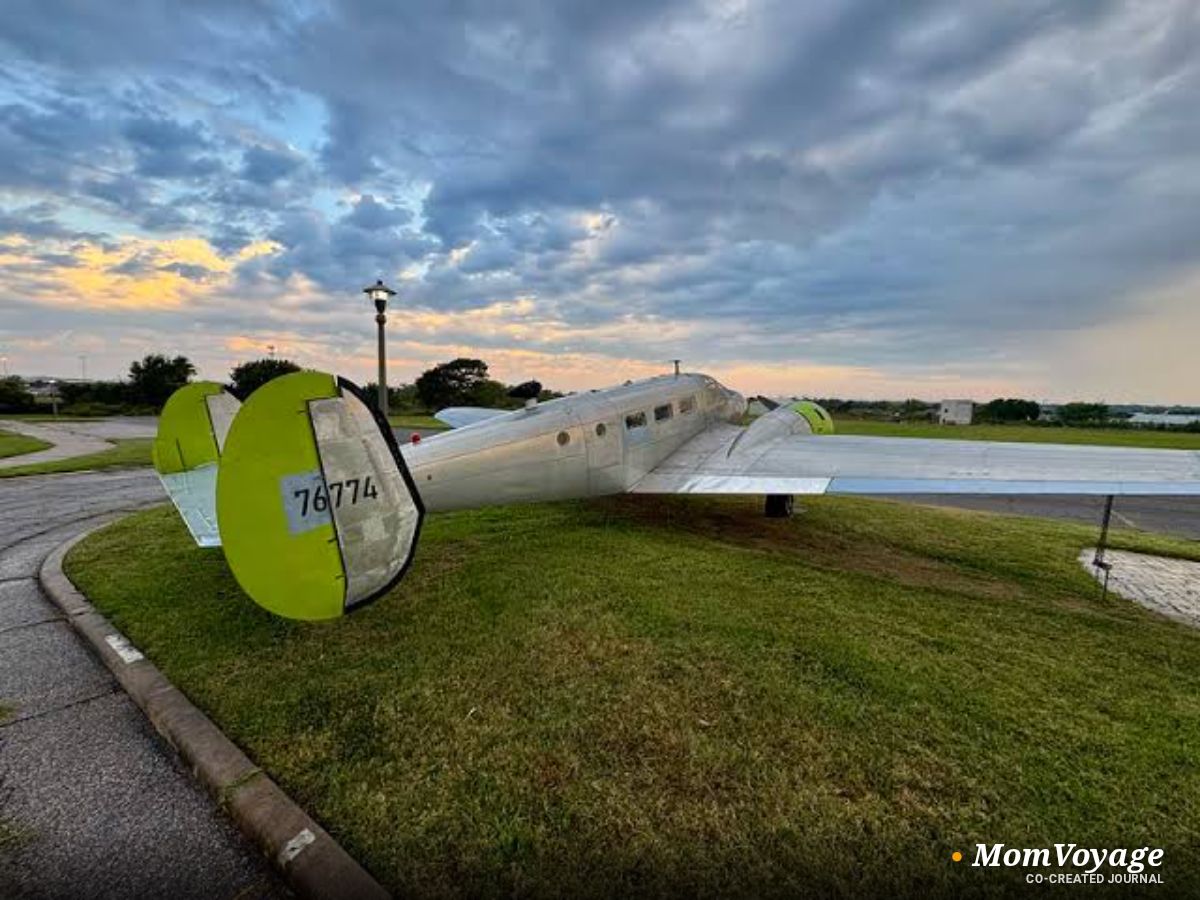
- Wichita, KS: A city with a rich aviation history, often overshadowed by larger hubs. It boasts vibrant arts scenes and surprising culinary delights. - En Route Discoveries: Consider detours through cities like Oklahoma City, OK, or Amarillo, TX. OKC's revitalized Bricktown district and Amarillo's Cadillac Ranch offer unique Americana experiences, akin to stumbling upon a quaint, historic town square in rural France. - Mesa, AZ: A sprawling city in the Phoenix metropolitan area, Mesa is a gateway to the Sonoran Desert's natural beauty and ancient history. Its burgeoning downtown and cultural attractions provide a stark contrast to its desert surroundings, much like how a bustling Italian city might surprise you with its proximity to ancient ruins.
This journey highlights that 'hidden gems' aren't exclusive to Europe; they are scattered across the American heartland and Southwest, waiting to be found by the curious traveler.
Local Secrets & Insider Tips
Expert Travel Tips for Your Wichita to Mesa Adventure
As a seasoned road-tripper who's navigated countless miles across the US, I can tell you that the journey from Wichita to Mesa is all about embracing the unexpected. Forget the hyper-scheduled tours; think strategic timing and local flavor.
Crowd Avoidance & Best Times:
Palo Duro Canyon State Park (near Amarillo): Arrive at the park entrance precisely at 7:00 AM on a weekday, especially during spring or fall. This allows you to catch the sunrise light painting the canyon walls and have at least an hour exploring the Lighthouse Trail before the main crowds and tour buses descend. Meteor Crater (near Winslow, AZ): Plan your visit for the late afternoon, around 3:00 PM. The golden hour light offers dramatic shadows and depth to the crater, and most families with children will have departed.
Hidden Entrances & Viewpoints:
Cadillac Ranch (Amarillo): While the main area is obvious, for a slightly different perspective, walk along the fence line to the east. You can often find undisturbed spray paint sections and a less crowded angle for photos. Mesa Arts Center: Most visitors stick to the main theaters. Explore the grounds and the adjacent river trail. There are often smaller, free outdoor art installations and quieter spots overlooking the city that offer a unique urban oasis.
Local Culinary Delights:
Oklahoma City BBQ: Skip the chains. Seek out The Jones Assembly in OKC. Order their smoked brisket platter and be sure to try their signature barbecue sauce – it’s a local legend. Go for lunch on a Tuesday for the best chance of getting all the daily specials. Southwestern Flavors in Mesa: Look for Los Sombreros (multiple locations). Ask for their Green Chile Stew – it’s a hearty, authentic dish often overlooked on menus that focus on tacos. It’s best enjoyed on a cooler evening, usually available year-round.
Logistics That Trip Up Travelers:
Gas in Western Kansas/Oklahoma Panhandle: Service can be sparse between larger towns. Keep your tank at least half-full whenever you pass a well-serviced station, particularly when driving after dark. You don't want to be stranded searching for a 24-hour pump. Time Zone Changes: Be mindful of crossing from Central Time to Mountain Time (in parts of New Mexico and Arizona). This can affect check-in times for hotels or scheduled tours. Double-check your watch and GPS as you cross state lines. Desert Driving Conditions: In Arizona, especially outside major cities, roads can be long and straight with minimal services. Be prepared for extreme heat, carry extra water, and ensure your vehicle's AC is in top condition. Wildlife, like deer and javelina, can be present, particularly at dawn and dusk.
Common Questions
Frequently Asked Questions
Q: What are some "forgotten" cities in Europe that compare to the overlooked gems on this US route? A: Cities like Olomouc in the Czech Republic, Ghent in Belgium, or Bologna in Italy offer rich history and culture without the overwhelming crowds of their more famous counterparts, much like cities such as Wichita or smaller towns along the route might surprise American travelers.
Q: Is this a scenic route, or primarily for direct travel? A: While the most direct routes are efficient, this journey emphasizes exploring points of interest along the way. Detours can lead to significantly more scenic experiences, especially as you approach Arizona.
Q: What kind of budget should I expect for this road trip? A: Budget varies greatly depending on accommodation, dining choices, and activities. Expect fuel costs to be significant, plus daily expenses for food, lodging, and attractions. A mid-range budget for a 5-7 day trip could range from $800-$1500 per person.