Escape to the wild! Explore America's most magical national parks and find the perfect cozy cabin getaway. Your ultimate adventure awaits. Discover hidden gems.
Discovering the Untamed: A Deep Dive into America's Crown Jewels
The United States National Park system is a testament to the nation's commitment to preserving its most breathtaking natural landscapes for generations to come. These protected areas offer a sanctuary for wildlife, a playground for adventurers, and an invaluable opportunity for introspection and rejuvenation. From the fiery canyons of the Southwest to the glacial valleys of Alaska, each park tells a unique story etched in stone, water, and ancient forests. Embracing the wild means stepping outside your comfort zone, breathing in air that has never known pollution, and witnessing sights that have remained largely unchanged for millennia. This is where the true spirit of America's natural heritage resides, waiting to be explored by those who seek a deeper connection with the planet.
Beyond the Trailhead: The Allure of Secluded Cabin Escapes
The magic of a national park adventure is amplified when paired with a cozy and secluded cabin retreat. These havens, often nestled just outside park entrances or tucked away in surrounding wilderness, provide the perfect antithesis to the bustling crowds and the demands of modern life. Imagine a crackling fireplace after a day of hiking, a private porch overlooking a starlit sky, or the simple joy of preparing a meal with locally sourced ingredients. Cabins offer a sense of grounding and intimacy with nature, allowing you to truly immerse yourself in the environment. They are not merely places to sleep; they are integral parts of the wilderness experience, offering warmth, comfort, and a front-row seat to the serene beauty of the natural world.
Majestic Landscapes Beckon: Iconic Parks and Their Unique Charms
The sheer diversity of landscapes within the US National Parks is staggering, each offering a distinct and unforgettable experience.
Zion National Park, Utah: Renowned for its towering sandstone cliffs, sculpted by the Virgin River over millions of years, Zion is a hiker's paradise. Trails like Angels Landing and The Narrows offer challenging and awe-inspiring adventures, while the Emerald Pools trail provides a more accessible glimpse into its lush, riparian zones. The vibrant hues of red, orange, and pink rock formations create a dramatic backdrop for wildlife sightings, including bighorn sheep and diverse bird species.
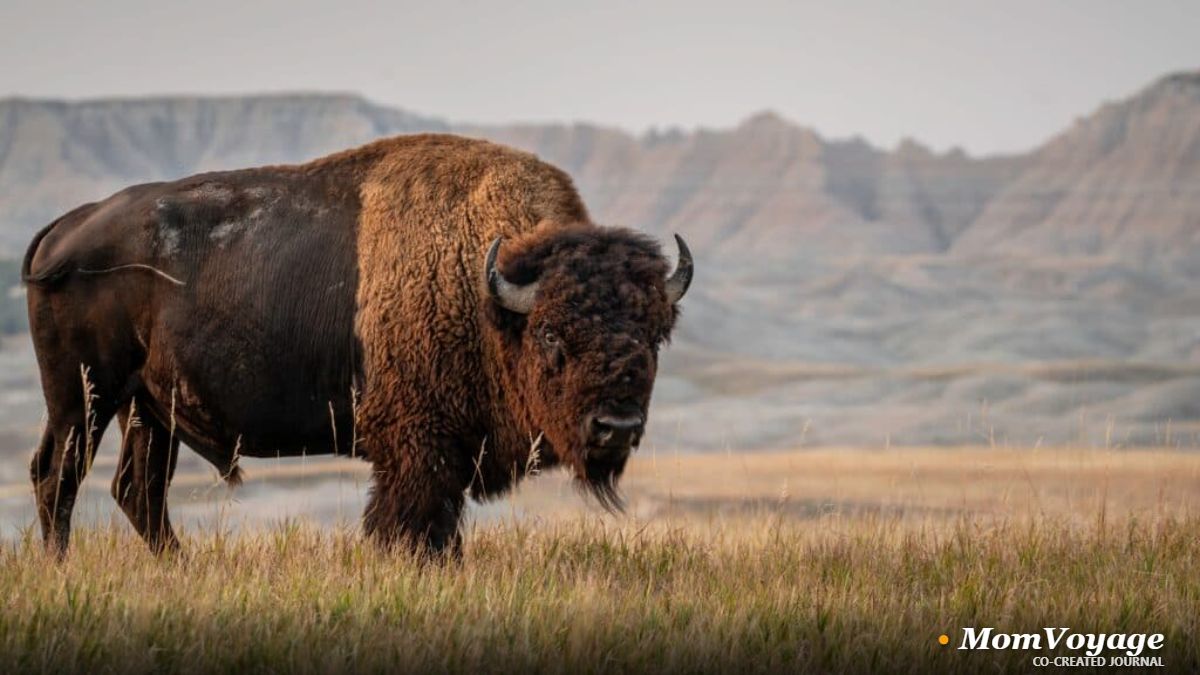
Yellowstone National Park, Wyoming, Montana, Idaho: As the world's first national park, Yellowstone is a geothermal wonderland. Its iconic geysers, including Old Faithful, erupt with predictable regularity, showcasing the raw power of the earth. The Grand Prismatic Spring, with its vibrant, rainbow-like colors, is a visual spectacle. Beyond the geothermal features, Yellowstone boasts vast meadows teeming with bison, elk, and grizzly bears, making it a prime destination for wildlife photography and observation.
Sequoia National Park, California: Home to the largest trees on Earth, Sequoia National Park inspires a sense of profound awe. Walking among these ancient giants, like the General Sherman Tree, which is the largest living organism by volume, is a humbling experience. The park also features dramatic mountain scenery, deep canyons, and caves, offering a multifaceted natural exploration.
Acadia National Park, Maine: Where the mountains meet the sea, Acadia offers a unique coastal wilderness experience. Granite cliffs plunge into the Atlantic Ocean, creating dramatic vistas and opportunities for exploring tide pools. The carriage roads, gifted by John D. Rockefeller Jr., provide miles of scenic walking, biking, and carriage-driving routes. Cadillac Mountain, the highest point on the North Atlantic seaboard, offers breathtaking sunrise views.
Secluded Cabin Sanctuaries: Your Gateway to Serenity
Beyond the park boundaries, a network of charming and secluded cabins offers the perfect base for exploration or a peaceful retreat. Imagine waking up to the sound of birdsong, sipping your morning coffee on a private deck overlooking a tranquil forest, or unwinding by a crackling fireplace after a day of adventure. These cabins provide an intimate connection with nature that hotel rooms simply cannot replicate.
Types of Cabin Escapes: The options are as diverse as the landscapes they inhabit. You'll find everything from rustic, off-grid cabins for the truly adventurous to luxurious, modern lodges with all the amenities. Rustic Cabins: Often found deep within forested areas, these offer a back-to-basics experience with simple comforts, ideal for digital detox and reconnecting with nature. Chalet-Style Homes: Many near mountainous parks feature multi-story structures with large windows, perfect for soaking in panoramic views and enjoying cozy evenings. A-Frame Cabins: Their distinctive shape provides a unique architectural charm and often maximizes natural light and space. Riverside or Lakeside Retreats: Imagine the soothing sounds of water as your constant companion, with opportunities for fishing, kayaking, or simply enjoying the view.
Amenities for Comfort: While seclusion is key, most cabins offer a surprising level of comfort. Fully Equipped Kitchens: Prepare your own meals and save on dining costs, enjoying the flexibility of a home away from home. Wood-Burning Fireplaces or Stoves: The quintessential cabin experience, providing warmth and ambiance on cool evenings. Outdoor Living Spaces: Decks, patios, and fire pits offer opportunities to enjoy the fresh air, stargaze, and dine al fresco. Proximity to Trails and Attractions: Many cabins are strategically located to offer easy access to trailheads, scenic drives, and local points of interest.
Embracing the Wild: Activities for Every Adventurer
The US National Parks are not just for passive observation; they are living, breathing invitations to engage with the natural world. Whether you're a seasoned outdoors enthusiast or a curious beginner, there are countless ways to experience the thrill of the wild.
Hiking and Backpacking: From short, scenic strolls to multi-day treks, hiking is the quintessential park activity. Iconic trails offer challenges and rewards, while less-trafficked paths reveal hidden gems. Must-Try Hikes: Research trails based on your fitness level and desired scenery. Consider the accessibility of certain popular trails and plan accordingly. Backpacking Essentials: Proper gear, navigation skills, and Leave No Trace principles are paramount for overnight adventures.
Wildlife Viewing: The parks are sanctuaries for an incredible array of fauna. Patience and keen observation can lead to unforgettable encounters. Best Times for Viewing: Dawn and dusk are often the most active periods for many animals. Ethical Observation: Maintain a safe distance, never feed wildlife, and use binoculars or telephoto lenses for close-up views.
Water Adventures: Many parks offer opportunities to explore by kayak, canoe, raft, or even by swimming. Rivers and Lakes: From the Colorado River in Grand Canyon to the serene lakes of the Pacific Northwest, water bodies add another dimension to park exploration. Safety First: Always wear a life jacket and be aware of water conditions and currents.
Stargazing: Away from city lights, national parks offer unparalleled opportunities to witness the celestial display. Designated Dark Sky Parks: Several parks are recognized for their exceptional stargazing conditions. Learn the Constellations: Download star charts or apps to enhance your cosmic journey.
Planning Your Wilderness Retreat: Essential Tips for a Seamless Adventure
A well-planned trip to a US National Park and its surrounding cabin accommodations ensures a more enjoyable and stress-free experience. Attention to detail in the planning stages can make all the difference.
Reservations are Key: Many popular national parks require timed entry permits, and accommodations, especially desirable cabins, book up months in advance, particularly during peak seasons. Park Entrance Passes: Consider purchasing an America the Beautiful Pass if you plan to visit multiple parks throughout the year. Cabin Booking Platforms: Explore specialized cabin rental websites, Airbnb, VRBO, and local tourism boards for the best options.
Pack for All Conditions: Mountain weather can be unpredictable. Be prepared for a range of temperatures, precipitation, and sun exposure. Layering is Crucial: Pack moisture-wicking base layers, insulating mid-layers, and a waterproof/windproof outer shell. Essential Gear: Sturdy hiking boots, a reliable backpack, a first-aid kit, sunscreen, insect repellent, and a reusable water bottle are non-negotiable.
Embrace the Local Culture: Beyond the natural beauty, many areas surrounding national parks have unique local charm, communities, and culinary traditions. Support Local Businesses: Patronize local restaurants, shops, and outfitters to enhance your experience and contribute to the local economy. Learn About the Region: Research the history, geology, and cultural heritage of the area you're visiting.
Beyond the Postcard: Uncovering Hidden Gems and Off-the-Beaten-Path Adventures
While the iconic vistas of national parks are undeniably spectacular, venturing beyond the well-trodden paths can reveal a different, perhaps even more profound, kind of magic. These hidden gems and off-the-beaten-path adventures offer a chance to experience the wilderness with fewer crowds and a greater sense of discovery.
Lesser-Known National Parks: While Yellowstone and Yosemite draw millions, parks like North Cascades National Park in Washington, Great Basin National Park in Nevada, or Congaree National Park in South Carolina offer equally stunning, if less celebrated, natural beauty. North Cascades: Often called the "American Alps," this park boasts rugged peaks, glaciers, and pristine alpine lakes, with opportunities for challenging backcountry treks. Great Basin: Experience the stark beauty of ancient bristlecone pines, Lehman Caves, and the unique ecosystem of the Great Basin desert. Congaree: Explore the largest intact expanse of old-growth bottomland hardwood forest in the Southeastern United States, with elevated boardwalks allowing for exploration of this unique wetland environment.
Exploring Adjacent Wilderness Areas: Many national parks are surrounded by Bureau of Land Management (BLM) lands, National Forests, or State Parks, which often offer fewer regulations, dispersed camping opportunities, and a more rugged, untamed experience. Dispersed Camping: For the truly adventurous, camping outside designated campgrounds can offer unparalleled solitude and immersion in nature. Always practice Leave No Trace principles meticulously. Backcountry Hiking: Beyond marked trails, exploring with a map and compass can lead to incredible discoveries, but requires advanced navigation skills and preparedness.
Connecting with Local Communities: Sometimes the most memorable parts of a trip are the interactions with the people who live in and care for these wild places. Ranger Programs: Engage with park rangers for insights into local flora, fauna, and history. Their knowledge is invaluable. Small Town Charm: Explore nearby towns for local art, historical sites, and authentic culinary experiences that often reflect the spirit of the surrounding wilderness.
The Call of the Wild: A Lasting Connection with Nature
The allure of the US National Parks and the tranquility of cabin getaways lies in their power to disconnect us from the constant hum of modern life and reconnect us with something far more ancient and enduring: the natural world. It's about the feeling of the earth beneath your feet, the scent of pine in the air, the vastness of the sky above, and the quiet wisdom whispered by the rustling leaves. This is an invitation to shed the layers of daily stress, to breathe deeply, and to remember our place within the grand tapestry of life. The wild is not just a destination; it's a state of being, a reminder of our inherent connection to the planet, and an experience that will undoubtedly leave an indelible mark on your soul.
Journey Highlights
- Discover America's most enchanting national parks. - Find secluded and cozy cabin getaways. - Learn expert tips for crowd avoidance and hidden spots. - Plan your ultimate nature escape.
Local Secrets & Insider Tips
spent years exploring these wild places, I can tell you that the real magic often lies just beyond the well-trodden paths.
Timing is Everything: For an iconic sunrise at Arches National Park, aim to arrive at the Observation Point trailhead by 5:30 AM, well before the main parking lots fill and the heat becomes intense. For Glacier National Park's Going-to-the-Sun Road, check the opening status daily and aim to drive it before 8:00 AM on a weekday during peak season (July-August) for a chance at parking at Logan Pass and to avoid the shuttle bus crush.
Hidden Entrances & Viewpoints: In Yosemite Valley, instead of heading straight for Tunnel View, consider the less-obvious Artist Point trail (accessible via a short, unmarked spur off the main trail to Inspiration Point) for a similar, yet more secluded, vista. For Zion National Park, bypass the main shuttle queue by parking at the Pa'rus Trailhead early and cycling or walking into the canyon before the shuttle officially starts running, offering a peaceful start to your day.
Local Eats: Forget the park lodges for a true taste. In Moab, Utah (near Arches/Canyonlands), skip the tourist traps and head to Milt's Stop & Eat for their incredible burgers and shakes – a local institution. Near Estes Park, Colorado (Rocky Mountain NP), find Smokin' Dave's BBQ & Brew for authentic, slow-smoked brisket that’s leagues above anything in the park.
Logistics That Trip People Up: Reservations are KING. Many popular parks now require timed entry permits or reservations for specific areas (like Arches or Rocky Mountain NP's Trail Ridge Road). Book these months in advance. Also, cell service is notoriously spotty. Download offline maps and all necessary park information before you leave home. Finally, always check the park's official website for current alerts on road closures, trail conditions, and wildlife activity – conditions can change rapidly.
Common Questions
Frequently Asked Questions
Q: What are the best national parks for wildlife viewing? A: Yellowstone National Park is renowned for its diverse wildlife, including bison, elk, and bears. Grand Teton National Park also offers excellent opportunities to see moose, elk, and bears. For birdwatching, Everglades National Park is a must-visit.
Q: How can I find unique cabin rentals near national parks? A: Websites like Airbnb, VRBO, and specialized sites focusing on cabin rentals (e.g., Cabin Fever Vacations, Mountain Escapes) are great resources. Look for listings that emphasize privacy, unique features, or proximity to less-visited park entrances.
Q: When is the best time to visit popular national parks to avoid crowds? A: Shoulder seasons (spring and fall) generally offer fewer crowds and pleasant weather. For example, visiting Zion National Park in April or October can be significantly less crowded than in June or July. Similarly, Acadia National Park is beautiful in September and early October.
Q: Are there any national parks that are less crowded but still offer stunning scenery? A: Yes! Consider parks like North Cascades National Park in Washington, Great Basin National Park in Nevada, or Capitol Reef National Park in Utah. These parks offer spectacular landscapes without the overwhelming crowds of more famous destinations.
Q: What should I pack for a cabin getaway in a national park area? A: Pack layers of clothing, comfortable hiking boots, rain gear, insect repellent, a first-aid kit, a reusable water bottle, snacks, and a good map. If your cabin doesn't have a full kitchen, consider bringing some non-perishable food items.