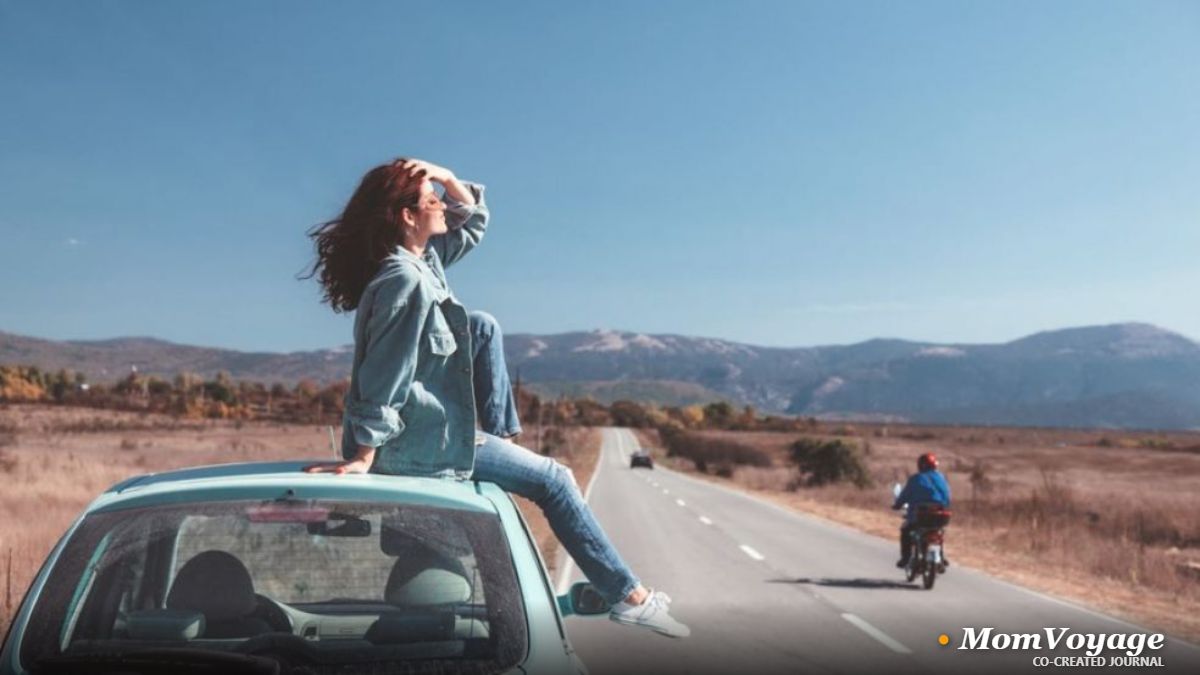
Empower your US adventures! Discover 10 crucial safety rules for women travelers. Gain confidence and explore the country with insider tips.
10 Crucial Safety Rules Every Woman Traveling the US Needs to Know
Exploring the vast and diverse landscapes of the United States offers unparalleled adventures. For women venturing out, whether solo or with companions, prioritizing safety ensures a more enriching and stress-free experience. These 10 essential rules are designed to empower you with the knowledge and confidence to navigate your journey safely and seize every opportunity for discovery.
Rule 1: Comprehensive Pre-Trip Research
Before your bags are even packed, dive deep into your destinations. Understand the local culture, common scams (if any), neighborhoods to be cautious of, and the general safety index of the cities or regions you plan to visit. Knowing typical weather patterns and local transportation options also falls under this umbrella. A well-informed traveler is a safer traveler.
This foundational step is more than just looking up hotel reviews. It involves understanding the nuances of the area you'll be visiting. For example, if you're heading to a large metropolitan area like Phoenix, research the public transportation routes and their safety at different times of day, as well as specific neighborhoods that might have higher crime rates. Conversely, if your destination is a more remote desert town, like Sedona or Joshua Tree, understanding the availability of emergency services, cell reception dead zones, and the potential hazards of the natural environment is paramount. Look into local news archives for any recent safety concerns or notable incidents. Websites like the FBI's Uniform Crime Reporting (UCR) program can offer statistical data, while local tourism boards and expat forums can provide practical, on-the-ground insights. Don't underestimate the power of social media groups dedicated to travel in specific regions; often, these are where real-time safety concerns are shared.
Rule 2: Master Situational Awareness
This means being present and observant. Pay attention to your surroundings, note who is around you, and trust your intuition. If a situation feels off, it probably is. This doesn't mean being paranoid, but rather being proactively aware of potential risks.
Situational awareness is your first and most powerful line of defense. It's about cultivating a keen sense of your environment and the people within it. Before you even step out of your accommodation, take a moment to observe. What's the general demeanor of people on the street? Are there any individuals who seem to be paying undue attention to you? As you walk, avoid distractions like constantly being on your phone or wearing headphones with the volume too high, which can make you an easier target. Instead, scan your surroundings periodically. Identify exits, potential safe havens (like open businesses), and people who appear to be helpful or authoritative (like police officers or security guards). If you're in a public space, like a busy market in Santa Fe, notice the flow of people, any unusual loitering, or vehicles that seem out of place. If someone is persistently following you, don't ignore the feeling. Duck into a store, a crowded restaurant, or a police station. Your gut instinct is a finely tuned survival mechanism; learn to listen to it.
Rule 3: Secure Your Belongings and Information
From your passport to your credit cards and your phone, protecting your valuables is crucial. Use hotel safes, secure bags, and be mindful of where you store your important documents and cash.
This rule extends beyond simply not leaving your wallet unattended. Think about the digital aspect as well. When using public Wi-Fi, especially in a place like a coffee shop in a tourist hub like Las Vegas, avoid accessing sensitive accounts like banking or personal email without a Virtual Private Network (VPN). For physical belongings, consider anti-theft bags with slash-proof straps and RFID-blocking pockets to protect your cards from digital skimming. When in crowded areas, keep your purse or backpack in front of you, not slung over your shoulder where it's easily accessed. For accommodations, always lock your door, even if you're just stepping out for a moment. Many hotels offer in-room safes; use them for your passport, extra cash, and any high-value jewelry. Make copies of your important documents (passport, driver's license, credit cards) and store them separately from the originals, and consider keeping digital copies in a secure cloud storage.
Rule 4: Stay Connected and Share Your Itinerary
Let someone know where you're going and when you expect to be back. Utilize technology to stay in touch, whether it's a quick text, a social media check-in, or a dedicated safety app.
Establish a clear communication plan with a trusted friend or family member back home. Share your detailed itinerary, including flight information, hotel bookings, and planned activities. Agree on a regular check-in schedule, be it daily texts, voice notes, or scheduled calls. If you deviate from your plan, send an update. In areas with spotty cell service, like many national parks in Utah or Arizona, this becomes even more critical. Consider purchasing a local SIM card upon arrival to ensure better connectivity. There are also several safety apps available that allow you to share your live location with designated contacts, send out distress signals, or even record audio and video discreetly in an emergency. Familiarize yourself with these apps and set them up before you depart.
Rule 5: Be Mindful of Your Transportation Choices
Whether you're using ride-sharing services, taxis, or public transport, take precautions to ensure your safety. Verify driver information, sit in appropriate seating positions, and be aware of your route.
When using ride-sharing apps, always confirm the license plate number and driver's photo before entering the vehicle matches what's displayed on your app. Share your ride details with a trusted contact through the app's built-in features. If you opt for a taxi, try to use reputable companies, especially if you're in a new city. It's also a good practice to have a general idea of your route, especially if you're not familiar with the area. GPS tracking on your phone can be helpful here. On public transportation, choose seats that offer good visibility and avoid the very back or front of the vehicle, which can be less visible. Be aware of your surroundings and any individuals who might be exhibiting suspicious behavior. If you feel uncomfortable, don't hesitate to exit the vehicle at a safe, public location.
Rule 6: Navigate Nighttime with Extra Caution
While many cities are vibrant after dark, nighttime can present increased risks. Plan your evening activities, stick to well-lit and populated areas, and consider using trusted transportation services.
The allure of a city like New Orleans after sunset is undeniable, but it's also when caution needs to be heightened. Before heading out at night, have a clear plan for how you'll get back to your accommodation. If you're walking, choose routes that are well-lit and have pedestrian traffic. Avoid shortcuts through dark alleys or deserted areas. If you're going to a bar or club, keep an eye on your drink and avoid accepting drinks from strangers. Inform someone where you're going and when you expect to return. If you're meeting someone new, choose a public, well-trafficked location. For getting home, pre-booking a taxi or using a ride-sharing service with a good safety rating is often preferable to walking long distances.
Rule 7: Trust Your Instincts and Learn to Say "No"
Your intuition is a powerful tool. If a situation or person makes you feel uneasy, remove yourself from it. You have the right to decline advances, requests, or anything that makes you uncomfortable.
This is a fundamental aspect of personal safety. If a stranger approaches you with an overly friendly demeanor, asks intrusive questions, or tries to pressure you into something, trust that feeling of unease. You do not owe anyone an explanation for declining their advances. A firm "no," coupled with physically removing yourself from the situation, is sufficient. This applies to friendly conversations that feel invasive, offers for unsolicited help that you don't need, or any interaction that triggers your discomfort. Practice assertive communication. It’s not rude to protect your boundaries. If someone is persistent and makes you feel threatened, seek out help from others nearby or go to a public place.
Rule 8: Be Prepared for Environmental Hazards
Depending on your destination, you might face extreme heat, cold, rough terrain, or wildlife. Understand the specific environmental risks and pack accordingly, carrying essentials like water, sun protection, and a first-aid kit.
When traveling through vast desert landscapes, like those found in Nevada or California, dehydration and heatstroke are serious concerns. Always carry more water than you think you'll need, especially if hiking or spending extended periods outdoors. Sunscreen, a wide-brimmed hat, and sunglasses are non-negotiable. Be aware of venomous creatures like rattlesnakes and scorpions; learn how to identify them and what to do if you encounter one. In colder regions, frostbite and hypothermia are risks. Dress in layers, protect your extremities, and be aware of weather forecasts. If you're venturing into wilderness areas, inform someone of your route and expected return time, and consider carrying a GPS device or satellite messenger. A basic first-aid kit, including supplies for blisters, cuts, and insect bites, is essential for any trip.
Rule 9: Know Emergency Procedures and Contacts
Familiarize yourself with local emergency numbers (911 in most of the US) and the location of the nearest police station or hospital. Keep a list of important contacts readily accessible.
This is a critical piece of preparedness that often gets overlooked. Before you even leave your home country or state, ensure you know how to access emergency services. The universal emergency number in the United States is 911. However, it's also wise to know the non-emergency numbers for local police departments, as they can be helpful for reporting non-urgent issues. Keep a physical and digital list of emergency contacts, including your embassy or consulate if you are an international traveler, your travel insurance provider, and any local contacts you may have. In case of a medical emergency, knowing the fastest way to reach a hospital or urgent care facility can be life-saving.
Rule 10: Embrace Your Independence Responsibly
Traveling solo or as a woman can be incredibly empowering. Enjoy your freedom and the experiences it brings, but always do so with a mindful approach to safety. Your confidence should be balanced with awareness.
The act of traveling as a woman is a testament to independence and a desire for exploration. Embrace the freedom this brings, but let it be a confident freedom, not a reckless one. This means enjoying the vibrant nightlife in a city like Denver or the solitude of a hiking trail in a national park, but doing so with the knowledge and preparedness outlined in these rules. It's about empowering yourself with information and tools so you can fully immerse yourself in the experience without undue fear. When you encounter friendly locals, engage with them, but maintain your personal boundaries. When you're presented with opportunities for adventure, evaluate them through a lens of safety. Ultimately, responsible independence allows for deeper, more authentic connections with the places you visit and the people you meet, all while ensuring you return home with incredible stories and cherished memories.
Journey Highlights
- Comprehensive Pre-Trip Research: Understand destinations, local customs, and safety indexes. - Master Situational Awareness: Stay observant, avoid distractions, and note your surroundings. - Trust Your Gut Instincts: Never ignore feelings of discomfort; remove yourself from risky situations. - Secure Your Valuables and Identity: Use secure bags, protect documents, and be wary of sharing personal info. - Strategic Communication and Check-ins: Keep someone informed of your itinerary and communicate regularly. - Smart Transportation Choices: Verify ride-shares, use well-lit areas, and secure your vehicle. - Plan for Emergencies: Have emergency contacts, know local numbers, and consider first-aid. - Navigate Social Interactions Wisely: Be discerning, meet in public places, and limit alcohol consumption. - Protect Your Online Presence: Manage social media sharing and use secure Wi-Fi. - Embrace Empowerment and Enjoyment: Use safety as a tool for confident and fulfilling travel.
Local Secrets & Insider Tips
Insider Tips for Women Exploring the US
As a seasoned traveler who’s navigated the ins and outs of the US, I’ve learned a few tricks that can make your journey smoother and safer. Forget the generic advice; this is the real deal, gleaned from countless trips across diverse landscapes.
Timing is Everything
For iconic spots, early mornings are your best friend. For instance, at the Grand Canyon South Rim, aim to arrive by 6:45 AM on a weekday. This gets you prime parking and a chance to see the sunrise over the canyon before the tour buses descend around 9:00 AM. Similarly, for the Statue of Liberty ferry, book the very first ticket of the day (usually around 8:00 AM). You'll bypass long queues and have a more intimate experience with the monument.
Hidden Entrances & Viewpoints
In Zion National Park, instead of battling the shuttle crowds for the main canyon scenic drive, consider hiking the Watchman Trail from the visitor center. It offers stunning, less crowded views and gets you acquainted with the park's beauty without the transit hassle. In New Orleans, bypass Bourbon Street for a truly authentic experience. Seek out Frenchmen Street after 8:00 PM for live jazz music in intimate clubs where locals truly gather. Look for signs indicating cover charges – usually just a few dollars – for access to incredible talent.
Culinary Secrets
Forget the tourist traps in Chicago's Magnificent Mile. Head to the Pilsen neighborhood and find Carnitas Uruapan for some of the most authentic and mouth-watering Mexican food you'll ever taste – their carnitas are legendary. In San Francisco, skip the Fisherman's Wharf clam chowder bread bowls and venture to the Mission District. Try La Taqueria for a no-frills, phenomenal burrito, or Tartine Bakery for exquisite pastries (get there before 10 AM to avoid the longest lines).
Logistics That Trip Up Travelers
Car rentals: Always inspect the vehicle thoroughly for damage before leaving the lot and document it with photos/video on your phone. Note the fuel level and ensure it matches your rental agreement. This prevents unexpected charges. National Parks: Many popular parks now require timed entry reservations, especially during peak season. Check the park's official NPS website weeks or even months in advance. Don't assume you can just show up. Ride-sharing: In smaller towns or less populated areas, ride-sharing services like Uber or Lyft might be scarce or non-existent. Always check availability before you rely on them for airport transfers or late-night travel. Have a backup plan, like a local taxi number, pre-booked.
Common Questions
Frequently Asked Questions
- What is the most important safety rule for women traveling in the US? While all rules are crucial, situational awareness and trusting your gut instincts are often cited as the most vital for immediate safety. Being aware of your surroundings and listening to your inner voice can help you avoid potentially dangerous situations before they escalate.
- How can I stay safe in big cities versus rural areas? In big cities, focus on avoiding poorly lit areas at night, being aware of pickpockets in crowded tourist spots, and using reputable transportation. In rural areas, ensure you have reliable cell service, let someone know your hiking or travel routes, and be aware of wildlife and varying weather conditions.
- Is it safe for women to travel solo in the US? Millions of women travel solo in the US safely every year. By following safety guidelines, choosing accommodations wisely, and staying aware, solo travel can be an incredibly rewarding and empowering experience. It's about preparedness, not fear.
- What should I do if I feel threatened or unsafe? Prioritize removing yourself from the situation immediately. Head towards a populated area, a store, or a restaurant. If necessary, don't hesitate to call for help. Trust your instincts and act decisively to ensure your safety.
- How can I protect myself from online scams while traveling? Be skeptical of unsolicited offers or requests for personal information. Use strong, unique passwords for online accounts and enable two-factor authentication whenever possible. Avoid conducting financial transactions over public Wi-Fi.